Why Is My RO Purifier Producing Less Water Than It Used To?
22, Oct 2026
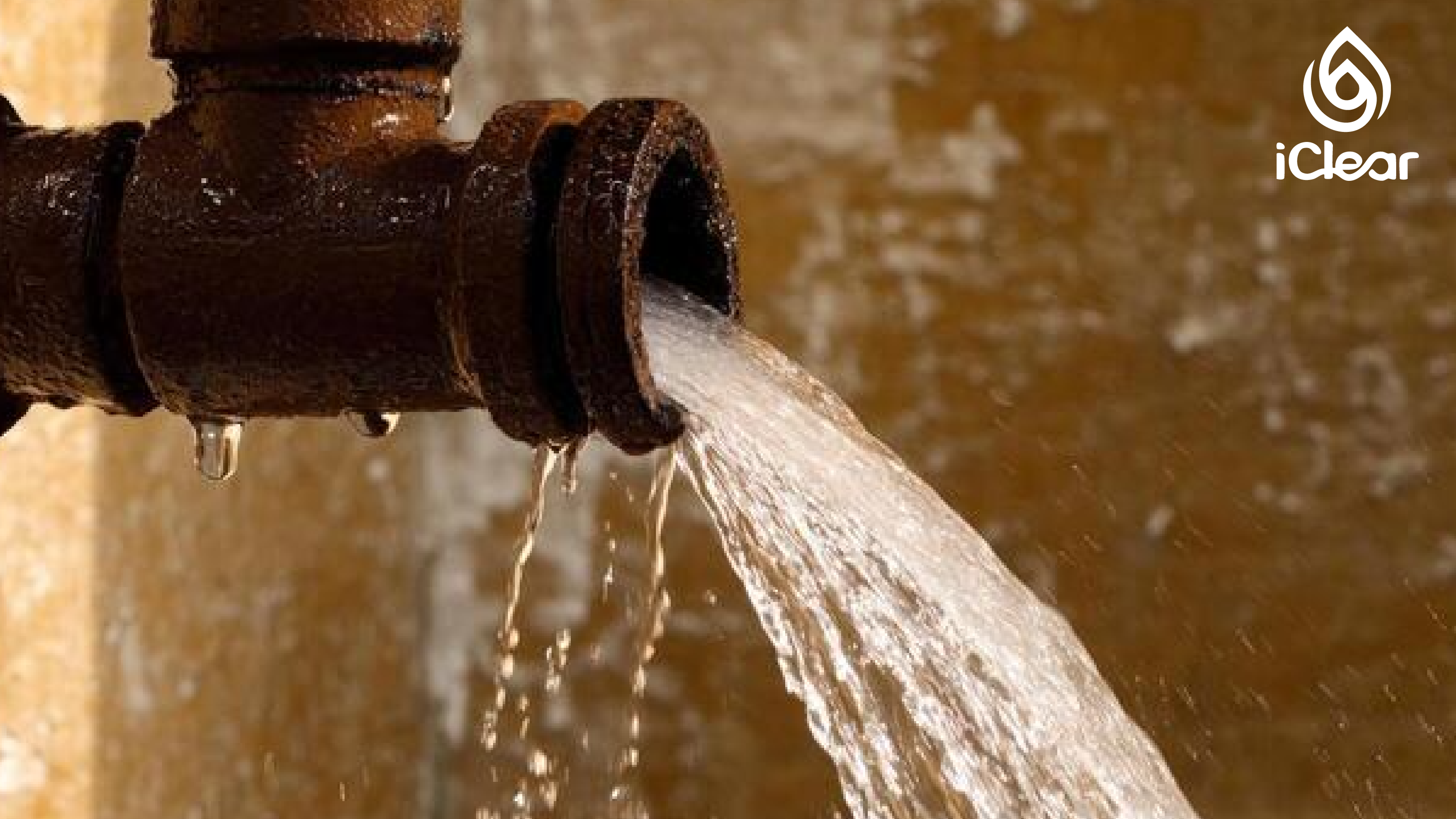
Is lead in Kenyan water something families should worry about? Many households assume clear water means safe water. Unfortunately, lead contamination is invisible, tasteless, and odorless.
Lead is a toxic heavy metal. Even small amounts in drinking water can affect brain development in children and increase blood pressure in adults. Long term exposure may lead to serious health problems.
According to the World Health Organization, the safe limit for lead in drinking water is 0.01 mg/L or 10 micrograms per litre (WHO Guidelines for Drinking-water Quality: https://www.who.int/publications/i/item/9789241549950).
That is an extremely small amount. Because lead cannot be seen or tasted, laboratory testing is the only reliable way to confirm its presence.
Lead rarely originates from the natural water source. In most cases, it enters water through plumbing systems.
Common sources include:
• Old metal pipes
• Corroded plumbing
• Brass fittings
• Lead-based solder used in older buildings
• Poorly coated storage tanks
When water remains in pipes overnight, it can absorb small amounts of lead through a process known as corrosion leaching. Homes built decades ago may still have outdated plumbing components.
Borehole systems can also be affected if low quality fittings are used during installation.
Children absorb lead more easily than adults. Even low exposure levels can:
• Reduce IQ
• Affect attention span
• Cause behavioral challenges
• Interfere with growth
The Centers for Disease Control and Prevention states that no safe blood lead level in children has been identified (CDC: https://www.cdc.gov/nceh/lead/).
Pregnant women are also at higher risk because lead can affect unborn babies.
Lead poisoning often develops gradually and may not show clear symptoms immediately.
In children, symptoms may include:
• Irritability
• Fatigue
• Learning difficulties
• Loss of appetite
In adults, symptoms may include:
• High blood pressure
• Joint pain
• Headaches
• Memory issues
Because symptoms can be vague, testing remains the most dependable way to assess risk.
No.
Boiling water does not remove lead. In fact, boiling can concentrate lead because water evaporates while metals remain behind.
This is a common misunderstanding that can increase risk rather than reduce it.
The table below compares common treatment methods.
|
Treatment Method |
Removes Lead |
Effectiveness |
Recommended Use |
|
Boiling |
No |
Ineffective |
Not recommended |
|
Basic carbon filter |
Partial |
Moderate |
Low levels only |
|
Reverse osmosis system |
Yes |
High |
Residential use |
|
Distillation |
Yes |
High |
Small volumes |
Reverse osmosis systems are widely recognized for their ability to reduce heavy metals, including lead.
Lead contamination is not widespread across all regions. However, it may occur in:
• Older apartment buildings
• Estates with aging plumbing
• Improperly installed borehole systems
• Buildings that have never undergone pipe replacement
The Kenya Bureau of Standards aligns national drinking water standards with WHO recommendations (KEBS: https://www.kebs.org/).
Compliance at the municipal supply level may exist, but private plumbing systems within buildings are the responsibility of property owners.
Practical steps include:
• Run tap water for one to two minutes each morning before use
• Use cold water for cooking and drinking
• Test water annually
• Inspect and upgrade old plumbing
• Install certified filtration systems if heavy metals are detected
Families using borehole water should conduct comprehensive testing before regular consumption.
Final Thoughts
Is lead in Kenyan water a hidden risk? In certain situations, yes.
The risk depends largely on plumbing conditions and property age rather than geography alone.
The good news is that lead contamination can be tested and effectively reduced through proper treatment systems and maintenance.
Water safety begins with awareness. Testing provides clarity. Prevention protects families.

Water Purification & Treatment Specialists
David Ochieng, a water purification specialist at iClear Wellife Services Ltd, has extensive experience delivering safe and reliable water treatment solutions for homes and offices across Kenya.