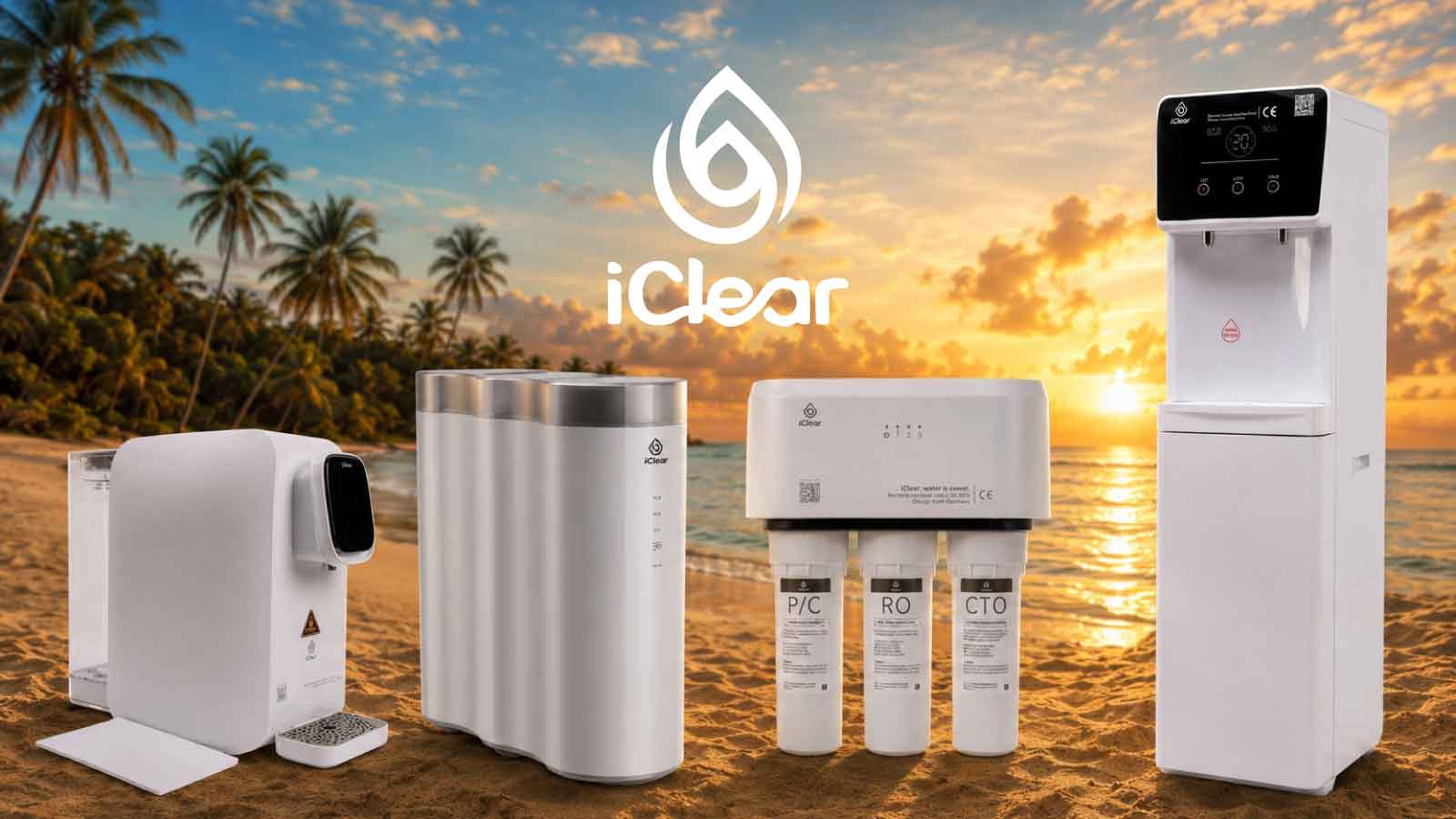
When evaluating water quality along the Kenyan coast, visual clarity means very little. The specific challenges facing Mombasa households are invisible to the naked eye but unmistakable to the taste. If you are looking for the best water purifier in Mombasa, you must first understand exactly what is hiding in the local supply. The Coastal Borehole Challenge Many coastal properties rely on boreholes to supplement municipal water. iClear’s field testing reveals that coastal and arid-region boreholes are uniquely prone to high concentrations of dissolved salts. While inland areas like Naivasha typically record TDS (Total Dissolved Solids) readings between 300 and 600 ppm, coastal boreholes can climb significantly higher than these inland readings. Water with such extreme TDS levels is generally not recommended for drinking without extensive treatment, as it places a heavy burden on cardiovascular and kidney health. Mombasa's water has high TDS levels due to it's proximity to Indian Ocean Why Standard Filters Cannot Handle Mombasa Water If you buy a standard gravity, ceramic, or carbon filter off the shelf, you are wasting your money on coastal borehole water. Carbon filters improve taste slightly and sediment filters trap sand, but neither can remove dissolved salts. Furthermore, boiling this water simply evaporates the clean water molecules, concentrating the remaining salts and making the TDS problem even worse. The Reverse Osmosis Advantage The only effective water purifier for Mombasa's high-TDS environment is a Reverse Osmosis (RO) system. RO technology works at the molecular level; the membrane blocks the heavy dissolved salts, heavy metals, and bacteria that coastal boreholes harbor, while letting only pure water pass through. A high-capacity system like the iClear Premier (designed to deliver 100 gallons per day) or the widely utilized iClear Standard can dramatically reduce your TDS reading by 90% or more, transforming salty, borderline-unsafe water into genuinely pure drinking water. You can also schedule a comprehensive water test to get exact readings for your coastal property. Find out what is actually in your water. Free delivery and professional installation in Nairobi, Nakuru, and coastal regions. Visit the iClear shop or get in touch with our team today. Keywords: water purifier Mombasa, coastal borehole water, dissolved salts Kenya, high TDS water purifier, Reverse Osmosis Mombasa, iClear Kenya, water filter coast
When discussing municipal water quality across Nairobi, Embakasi, Donholm, Buruburu, and surrounding urban areas, public attention focuses heavily on the treatment plant. However, based on iClear's extensive field data, the primary issue is rarely the treatment plant itself. The real threat is everything that happens to the water between the municipal source and your kitchen tap. The Journey Through Aging Infrastructure Even when municipal water is treated to acceptable safety standards at the source, it must travel through miles of aging utility infrastructure before reaching your property. As municipal water moves through the distribution grid, it routinely encounters: Corroded main pipelines that introduce red rust particles and metallic flakes. Unsealed pipe joints that allow soil, silt, and surface runoff to enter during pressure drops. Chlorine decay, leaving the water without adequate disinfectant protection by the time it reaches peripheral estates. The Storage Tank Trap Because municipal supply across Kenyan cities is intermittent, almost every home and apartment complex relies on ground-level or roof-mounted storage tanks. Water sits in these tanks for days or weeks at a time. In warm weather, a storage tank acts as an incubator for biological and physical contamination: Sediment Accumulation: Fine silt and dirt settle at the bottom of the tank, forming a thick layer of sludge. Biofilm Formation: A slimy layer of bacteria attaches to the internal walls of the tank, continuously shedding micro-organisms into your water. Algae & Organic Growth: Sunlit or poorly insulated tanks promote rapid algae growth. Intermittent Mixing: When the municipal supply turns back on, the incoming water violently churns up the settled sludge at the bottom, sending a concentrated burst of sediment and bacteria directly to your tap. What Standard Filters Miss To combat this, many households install basic point-of-entry or counter-top filters. Unfortunately, standard filtration products fail to handle the full scope of municipal water degradation: Sediment Filters: Trap visible sand and rust, but leave bacteria, dissolved salts, and heavy metals untouched. Carbon Filters: Absorb chlorine odours and improve taste, but cannot filter out dissolved fluoride, heavy metals, or microscopic pathogens. UV Lights: Neutralize bacteria, but leave physical sludge, rust, dissolved salts, and heavy metals in your glass. Point-of-Use Reverse Osmosis Treating water before it enters your storage tank is ineffective if the tank itself is contaminating the water. True protection requires point-of-use purification: filtering the water after it has passed through your storage tank and home piping, immediately before you drink it. The iClear Standard and iClear Premier systems feature multi-stage Reverse Osmosis technology installed directly under your kitchen sink. By filtering water at the absolute final stage, iClear guarantees that rust, biofilm, tank sediment, and municipal byproducts are completely eliminated. You can also book a professional water test to evaluate your tank's safety. Make sure your tank is not contaminating your water. Free delivery and professional installation in Nairobi and Nakuru. Visit the iClear shop to order your purification system today. Keywords: Kenyan water treatment, municipal water Nairobi, storage tank contamination Kenya, water purifier Embakasi, iClear Kenya, point of use water purificatio
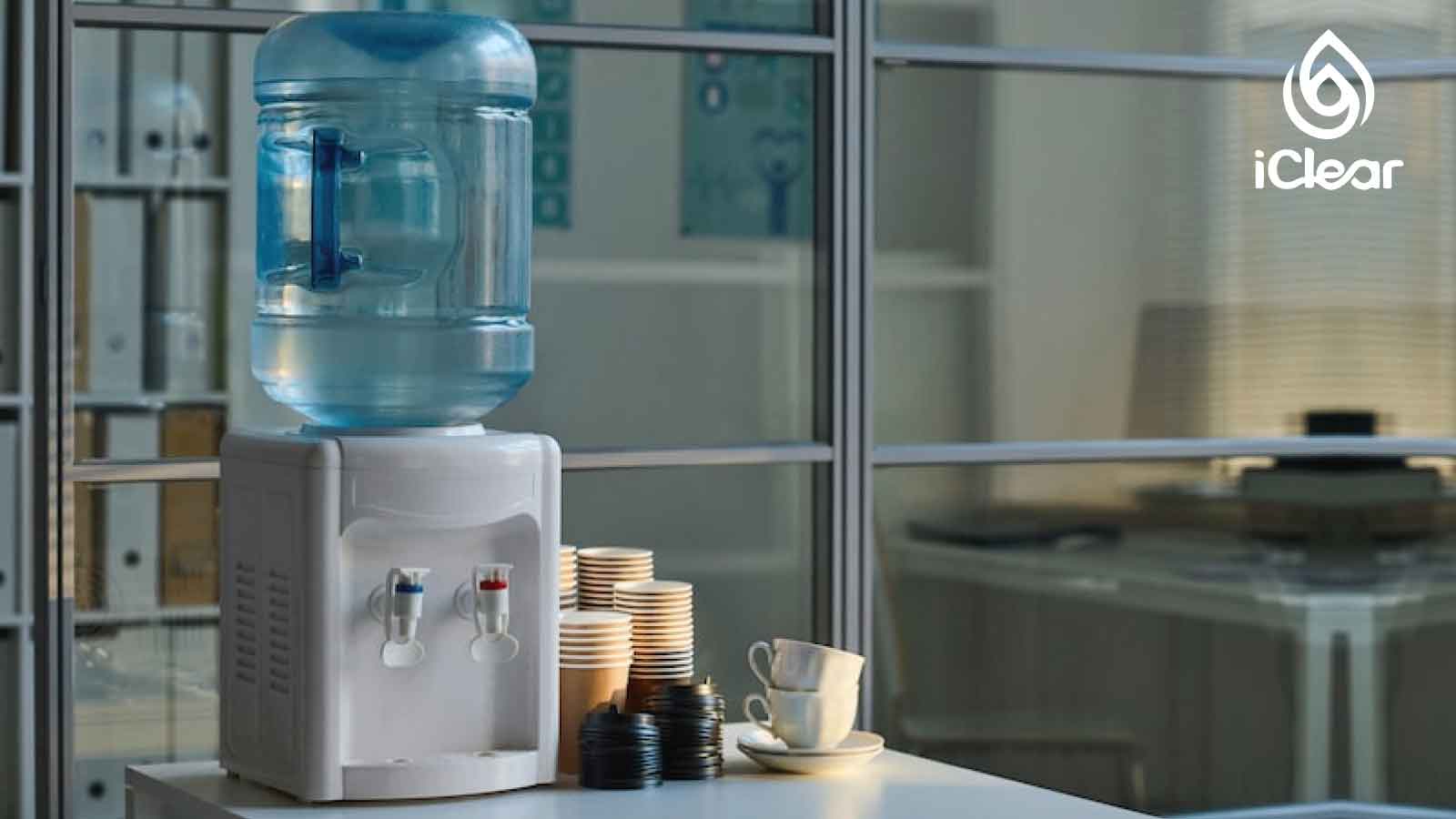
No, a water dispenser does not purify water. This is one of the most common misconceptions in Kenyan households. A dispenser only stores and serves water at different temperatures, it has no mechanism to remove bacteria, dissolved salts, or fluoride. Below, we separate the myths from the reality. Myth 1: "It's a water machine, so it must clean the water" Reality: The word "dispenser" describes exactly what the machine does, it dispenses. It takes water that already exists in a bottle or tank and delivers it hot, cold, or at room temperature. Nothing about that process filters or purifies anything. If the water going in carries bacteria, dissolved salts, or fluoride, the water coming out carries the same. Myth 2: "The water looks clean, so the dispenser is doing its job" Reality: Clarity has nothing to do with purification. A dispenser can serve water that looks perfectly clear while it is high in dissolved salts or fluoride, both of which are invisible to the eye. Looking clean and being purified are two different things, and a dispenser's appearance tells you nothing about what it has or hasn't done to the water. Myth 3: "If the dispenser is clean, the water must be safe" Reality: A clean-looking exterior says nothing about the interior. The reservoir, internal tubing, and taps of a dispenser can accumulate bacteria and biofilm over weeks of use if not sanitised regularly. In some cases, an unmaintained dispenser can make water worse than what went in, not better. Myth 4: "Hot water from the dispenser is automatically sterilised" Reality: Dispensers typically heat water to a level suited for tea or coffee, not to a rolling boil sustained long enough to kill bacteria. Even where the heating element does reach higher temperatures, dispensers are not designed or tested as sterilisation devices. The heating function exists for convenience and taste, not water safety. Myth 5: "Bottled water in a dispenser is safer than tap water in a dispenser" Reality: A dispenser doesn't discriminate between what it dispenses. Whether the source is a bottle or a tank filled from the tap, the dispenser performs the same non-purifying function either way. The safety of the water depends entirely on what happened before it reached the dispenser, not on the dispenser itself. So what does purify water? Purification requires a process that actively removes contaminants, not one that simply stores and serves. Reverse Osmosis is the method built for this, it forces water through a membrane fine enough to block bacteria, dissolved salts, fluoride, and sediment. The water that comes out is measurably different from the water that went in, which is the one thing a dispenser can never claim. The iClear Desktop purifies water through Reverse Osmosis and then dispenses it hot or cold, combining both functions in a single unit with no plumbing required. For a whole household, the iClear Standard delivers the same purification from a dedicated tap under the sink. Frequently Asked Questions Does a water dispenser purify water? No. A dispenser stores and serves water at a chosen temperature but has no mechanism to remove contaminants. Whatever is in the water going in is still there coming out. Does heating water in a dispenser make it safe to drink? Not reliably. Dispensers heat water for taste and convenience, not to a sustained boil, and are not designed as sterilisation devices. Is bottled water in a dispenser safer than borehole water in a dispenser? The dispenser itself makes no difference either way. Safety depends on how the water was treated before it reached the dispenser, not on the dispenser's function. Keywords: does water dispenser purify water, water dispenser myths, dispenser water safe, water dispenser vs purifier, iClear Kenya
Three water myths cost Kenyan families money: that boiling makes water fully safe, that clear water is clean water, and that bottled is automatically safer. Each is contradicted by evidence, and each keeps people paying for water that is not as safe as assumed. Myth 1: Boiling makes water fully safe Boiling kills bacteria and viruses, and that is genuinely valuable. But it removes nothing dissolved: not fluoride, not salts, not heavy metals. Worse, because water evaporates while these contaminants stay behind, prolonged boiling can concentrate them. In parts of Kenya where borehole water carries fluoride well above the WHO safe limit, a family boiling diligently may be removing the germs while leaving the fluoride that causes long-term damage. The cost: time, fuel, and electricity spent daily on a method that only solves part of the problem, plus the ongoing exposure to everything boiling cannot touch. Myth 2: If it is clear, it is clean This is the most dangerous myth of the three, because it feels the most obviously true. But clarity only tells you that visible particles are gone. The contaminants that matter most, fluoride, dissolved salts, bacteria, heavy metals, are invisible. iClear's field team has measured perfectly clear-looking borehole water at 450 to 600 ppm TDS with high fluoride. It looked clean in the glass. It was not. The cost: false confidence. Families drink water they believe is safe because it looks safe, and never test or treat it. Myth 3: Bottled water is automatically safer Bottled and dispenser water carries an image of guaranteed cleanliness that the evidence does not fully support. In one widely cited study, Mason and colleagues (2018) found microplastic particles in 93% of 259 bottles tested across 11 brands. Research has also documented bacterial growth in dispensers that were not regularly sanitised. Quality depends on purification, storage, transport, and handling, none of which the buyer can see. Bottled is not automatically anything; it is only as good as its unseen handling. The wider context: billions still lack safely managed drinking water. Source: WHO, cited in image and appendix. The cost: a recurring monthly bill, KSh 180,000 to 480,000 over five years for many households, for water that may be no safer, and sometimes less controlled, than a purifier at home would provide. What the three myths have in common Look closely and the three myths share a single root: they all judge water by appearance, habit, or packaging rather than by evidence. Boiling feels thorough. Clear looks clean. Bottled seems trustworthy. In every case, the belief substitutes a feeling for a fact, and the gap between the two is where both the money and the risk hide. Looks clean is not proven clean This is the line worth keeping. Looks clean is not the same as proven clean. Clear water, boiled water, bottled water: none of these is proven safe by how it looks or where it came from. The only ways to be certain are to measure your water or to purify it at the point where you drink it, so that what you cannot see is removed regardless. That certainty is the whole point of a home purifier. Every iClear system uses Reverse Osmosis to remove the contaminants these three myths leave in place, from the fluoride boiling concentrates to the dissolved load clear water hides. The iClear Standard covers the household; the iClear Desktop adds instant hot and cold. Proven clean, not just clear. FAQ Q: Does boiling water make it completely safe? A: No. Boiling kills bacteria and viruses but leaves fluoride, dissolved salts, and heavy metals behind, and can concentrate them as water evaporates. It solves part of the problem, not all of it. Q: Is clear water always clean? A: No. Clarity only means visible particles are gone. Fluoride, dissolved salts, bacteria, and heavy metals are invisible, so water can look perfectly clear and still be unsafe. Only testing or purification reveals the truth. Q: Is bottled water safer than tap or purified water? A: Not automatically. Research has found microplastics in most bottled water samples and bacteria in unmaintained dispensers. Bottled water quality depends on unseen handling, while a home purifier gives you control over what is removed. Choose proven clean, not just clear. Free delivery and professional installation in Nairobi and Nakuru. Visit the iClear shop. Keywords: water myths kenya, common water myths, is boiling water safe, is clear water clean, bottled water myth, iClear Kenya
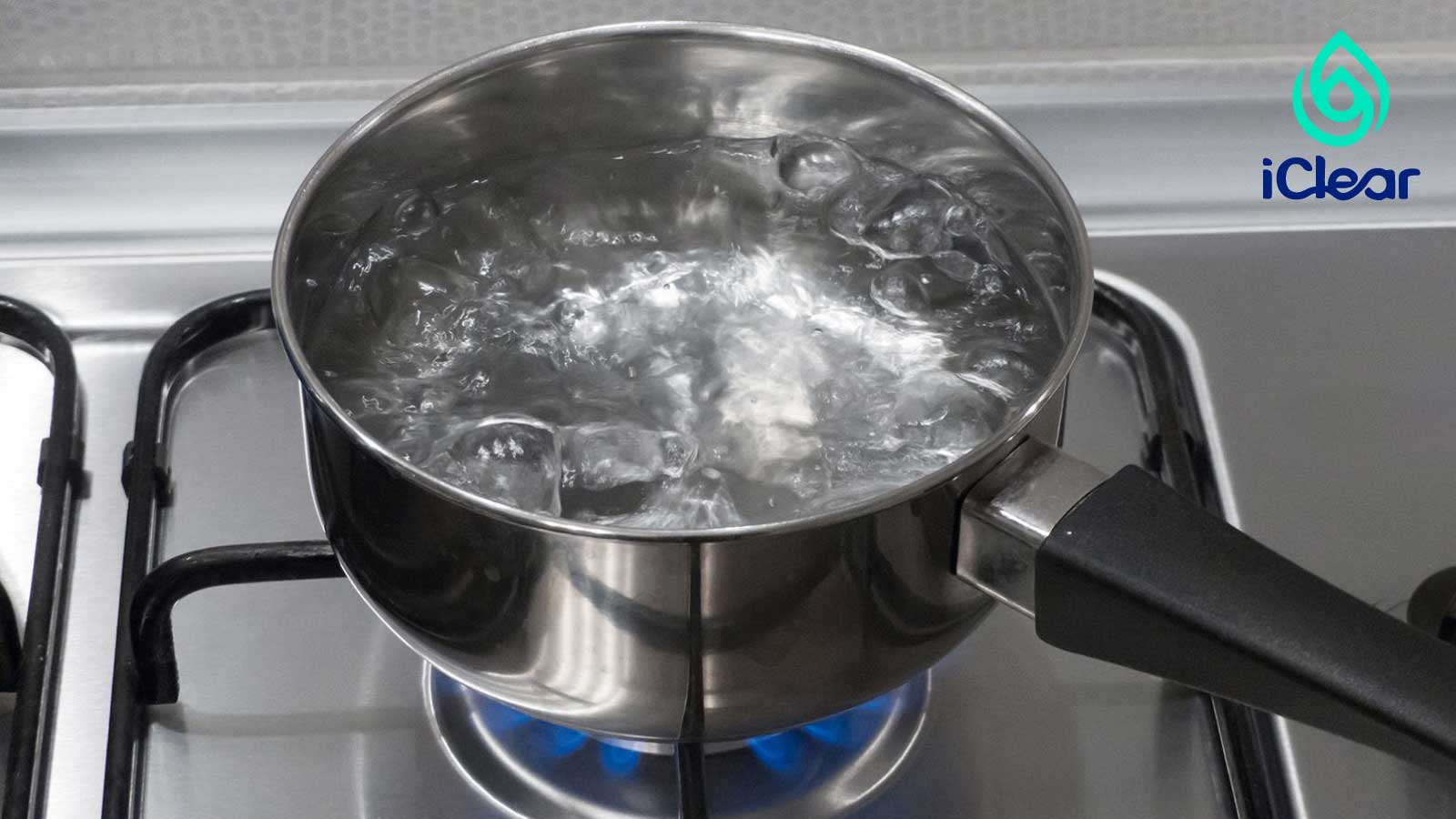
Boiling water is not enough on its own. It kills bacteria and viruses but does not remove fluoride, dissolved salts, or heavy metals, and by evaporating water it can concentrate them. Boiling addresses only one of several risks. What boiling genuinely does well Bringing water to a rolling boil kills bacteria and most viruses. For water whose main problem is microbial contamination, boiling is a real and effective first line of defence, which is exactly why it became the standard advice for generations. Nothing in this article takes that away. If the only issue were germs, boiling would largely handle it. What boiling cannot remove The trouble is that germs are not the only issue in Kenyan water. Boiling does nothing about the dissolved contaminants that matter most in many parts of the country: Fluoride, which iClear's field team has measured in Rift Valley boreholes above 8.75 mg/L, more than five times the WHO safe limit of 1.5 mg/L. Boiling does not touch it. iClear's highest field fluoride reading against the WHO guideline value. Sources cited in image and appendix. Dissolved salts and high TDS, common in borehole water in towns such as Kitengela and Kajiado at 450 to 600 ppm. Boiling does not reduce them. Heavy metals, such as lead and arsenic, which boiling cannot remove. How boiling can concentrate contaminants Here is the part most people never hear: boiling can make the dissolved problems worse. As water boils, it evaporates, but the fluoride, salts, and metals do not leave with the steam. They stay behind in less water, which means their concentration rises. For water that is already high in these contaminants, prolonged boiling is a step backwards, not forwards. Why this matters for Kenyan borehole water This is not a theoretical concern in Kenya. A large share of households rely on borehole water, and iClear's own measurements across towns show that borehole water routinely carries exactly the dissolved contaminants, fluoride and high TDS, that boiling cannot address and can worsen. A family diligently boiling their borehole water may be removing the bacteria while leaving, and even concentrating, the fluoride that causes long-term harm. What removes everything boiling misses Reverse Osmosis removes what boiling cannot. By forcing water through a fine membrane, RO takes out fluoride, dissolved salts, heavy metals, and sediment, and removes bacteria and viruses as well, so it covers both the microbial risks boiling handles and the dissolved risks it does not. The iClear Standard is built for exactly the borehole conditions our field data describes, and the iClear Premier serves larger households. For the fuller picture of what different methods remove, see our guide on the myths that cost Kenyans money. Boiling solved the water problem of an earlier era, when germs were the whole concern. Today's Kenyan water carries dissolved contaminants that boiling cannot remove and can concentrate. It is a good first step and a poor finish line. FAQ Q: Is boiling water enough to make it safe in Kenya? A: Not on its own. Boiling kills bacteria and viruses but does not remove fluoride, dissolved salts, or heavy metals, which are common in Kenyan borehole water. Boiling addresses only one of several risks. Q: Does boiling remove fluoride from water? A: No. Boiling does not remove fluoride. Because water evaporates while the fluoride remains, prolonged boiling can actually raise the fluoride concentration in the water that is left. Only methods like Reverse Osmosis remove fluoride. Q: Is boiled borehole water safe to drink? A: Boiling makes borehole water safer from bacteria but leaves its fluoride, dissolved salts, and heavy metals untouched, and can concentrate them. For borehole water, Reverse Osmosis is needed to address these dissolved contaminants. Remove what boiling leaves behind. Free delivery and professional installation in Nairobi and Nakuru. Visit the iClear shop. Keywords: is boiling water enough, boiling water safe kenya, does boiling remove fluoride, boiling vs purifier, iClear Kenya, borehole water kenya
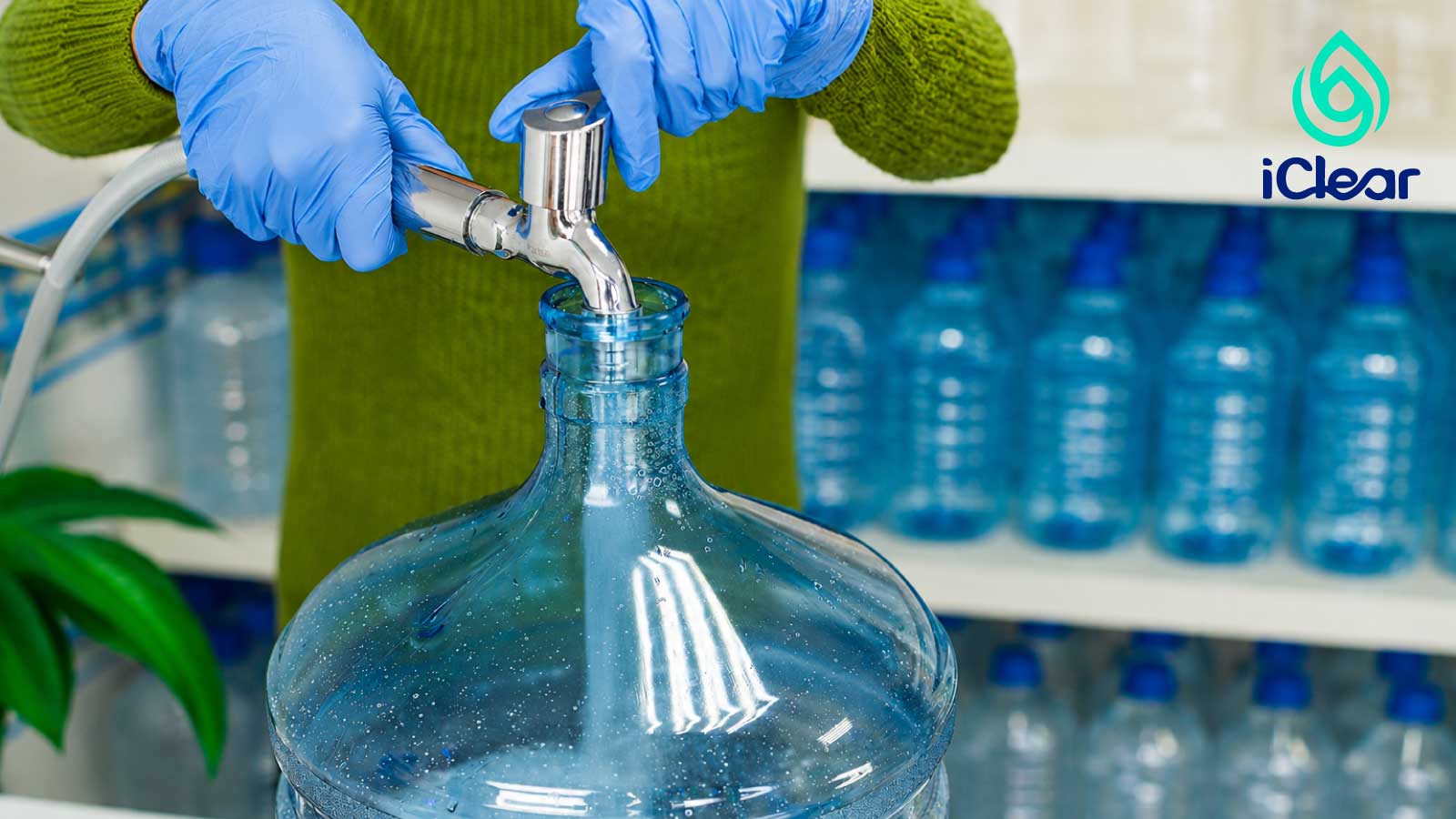
Refilled water is only as safe as the station's equipment and maintenance, which customers cannot see. Filter condition, storage hygiene, and testing vary widely between stations, so refilled water carries real but invisible variation in quality. Why refill stations are popular in Kenya Refill stations fill a real need. They are cheaper than bottled water, more convenient than boiling at scale, and widely available. For many households they are a sensible, budget-conscious choice, and this article is not an argument against the idea of refilling. It is an argument for knowing what you are actually getting, because the price and the convenience are visible while the quality is not. What you cannot see When you fill a container at a refill station, the quality of the water depends entirely on factors hidden from you: The filters: are they the right type, and have they been replaced on schedule? An exhausted filter looks the same as a fresh one from the customer side. The maintenance: is the equipment cleaned and serviced, or running unattended? The storage: how is the treated water held before it reaches your container, and is that storage clean? The testing: is the output water tested regularly, and are the results available? None of these is visible at the tap. Two refill stations charging the same price, with the same clear water coming out, can be delivering very different quality depending on how well each one is maintained behind the scenes. How refill water quality varies Because quality depends on maintenance, and maintenance varies from operator to operator, refilled water is not a single consistent product. A well-run station with fresh filters, clean storage, and regular testing can deliver genuinely good water. A poorly maintained one, with exhausted filters and neglected storage, can deliver water that is little better than what went in, while looking identical at the tap. The customer has no reliable way to tell them apart by sight. What to ask before trusting a refill station When were the filters last changed, and how often are they changed? Is the output water tested, and can you see recent results? How is the treated water stored before dispensing? Bring a clean container each time, and clean it between uses, since your own container is part of the chain too. The certainty a home system gives The appeal of a home purifier over a refill station is not that refilling is always bad. It is that a home system removes the variability. You control the maintenance, you know when the filters were changed, and the water is purified at the point where you drink it. The iClear Standard and iClear Premier are KEBS-certified Reverse Osmosis systems installed and serviced by iClear, so the quality does not depend on someone else's unseen upkeep. See the honest cost comparison in our guide on bottled water versus an RO system. Refilled water can be good or poor, and the customer cannot see which. A home system replaces that uncertainty with control. FAQ Q: Is refilled water safe to drink in Kenya? A: It can be, but only if the station's filters, storage, and maintenance are properly kept up, none of which is visible to customers. Quality varies widely between stations, so refilled water carries real but invisible variation. Q: How can I tell if a refill station is clean? A: You largely cannot tell by sight, since the filters and storage are behind the dispensing point. Ask when filters were last changed, whether the water is tested, and how it is stored, and bring your own clean container. Q: Is refilled water better than bottled water? A: Neither is automatically better; both depend on unseen handling. A well-run refill station can be good and a poorly run one poor, just as with bottled water. A home purifier removes the guesswork by putting the maintenance in your control. Replace uncertainty with control over your water. Free delivery and professional installation in Nairobi and Nakuru. Visit the iClear shop. Keywords: is refilled water safe kenya, refill station water, water refill kenya, is refill water clean, iClear Kenya, water purifier kenya
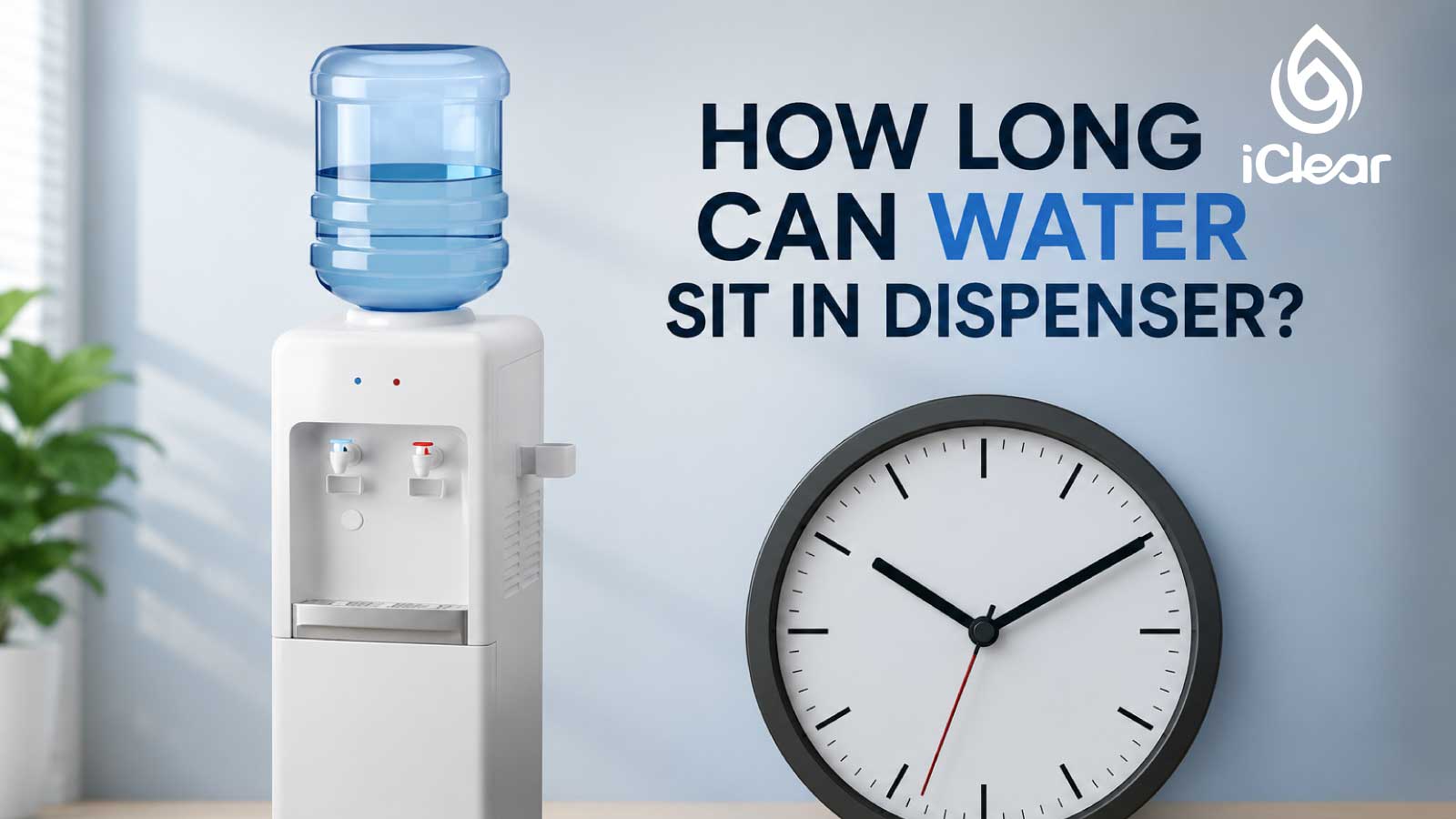
Water should not sit in a dispenser for more than a few days. In warm conditions bacteria can multiply within 2 to 3 days in a standing reservoir, so water that has sat longer, or tastes stale, should be replaced and the unit sanitised. How long is too long As a practical guide, water should not sit unused in a dispenser reservoir for more than a few days. In the warm conditions common across much of Kenya, bacteria present in even small numbers can multiply meaningfully within 2 to 3 days in standing water. If a bottle or reservoir is emptying slowly, the water at the bottom may be considerably older, and less fresh, than it appears. Why warm climates shorten the safe window Temperature is the single biggest factor. Bacteria multiply faster as water warms, so a dispenser in a warm room has a much shorter safe window than the same dispenser in a cool one. The generic advice written for temperate climates overstates how long water stays fresh in Kenyan conditions. When in doubt, assume the window is shorter, not longer. The warning signs Standing water that has begun to deteriorate often gives itself away before anything visible appears: Taste: a flat, stale, or slightly off taste is the most common early sign. Smell: any musty or unusual odour is a clear signal to empty and clean. Film: a slippery feel inside the reservoir or around the taps indicates biofilm, a bacterial layer. Standing water and biofilm The deeper issue is biofilm: a thin, sticky layer of bacteria that forms on the inside surfaces of a reservoir that is not regularly sanitised. Once biofilm establishes, it re-seeds each new batch of water with bacteria, so simply refilling does not solve the problem. This is why how long water sits and how often the unit is cleaned are really the same question. Water that has sat too long is not fixed by topping it up. If biofilm has formed in the reservoir, fresh water added on top is contaminated by contact. The reservoir has to be emptied and sanitised, not just refilled. How to avoid the problem entirely The surest way to never drink stale reservoir water is to not rely on a standing reservoir at all. A point-of-use purifier produces water on demand rather than storing it for days. The iClear Desktop purifies each serving through Reverse Osmosis as you draw it, and for the whole household the iClear Standard delivers purified water on demand from a dedicated tap. Fresh water, drawn when you want it, not water aging in a tank. The question "how long can water sit" only exists because the water is being stored. Purify on demand and the question disappears. FAQ Q: How long can water sit in a dispenser? A: No more than a few days. In warm conditions, bacteria can multiply within 2 to 3 days in a standing reservoir. Water that has sat longer, or that tastes or smells stale, should be replaced and the unit sanitised. Q: Is it safe to drink water that has been sitting in a dispenser for a week? A: It is a risk, especially in warm conditions and if the reservoir has not been recently sanitised. Week-old standing water may have developed bacterial growth and biofilm even if it looks clear. Empty and clean the unit. Q: Does topping up a dispenser fix old water? A: No. If biofilm has formed inside the reservoir, fresh water added on top is contaminated by contact. The reservoir must be emptied and sanitised, not just refilled. Get fresh purified water on demand. Free delivery and professional installation in Nairobi and Nakuru. Visit the iClear shop. Keywords: how long can water sit in a dispenser, standing water dispenser, dispenser water stale, water dispenser bacteria, iClear Kenya
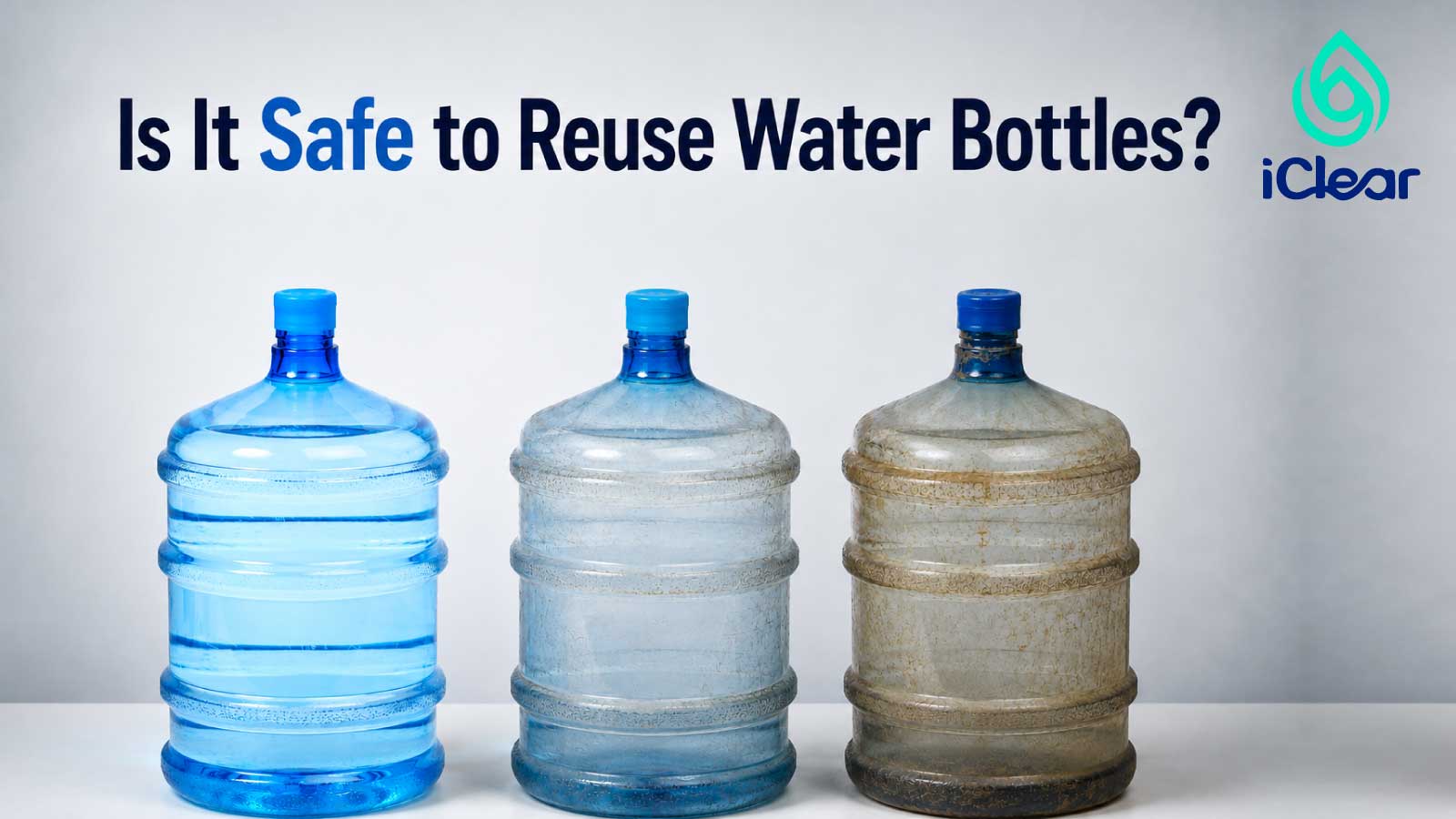
Reusing water bottles is safe only with proper cleaning. Bacteria multiply quickly in bottles reused without washing, and single-use plastic bottles degrade with repeated reuse and heat, which is why regular sanitising or a purified source matters. What grows in a reused bottle A water bottle is a warm, moist, enclosed space that your mouth touches many times a day. That is close to ideal for bacteria. Research examining used drinking bottles has found substantial bacterial growth in bottles that were reused without regular, thorough washing, with the mouthpiece and cap among the most affected areas. The bacteria come from your mouth, your hands, and the environment, and they multiply between refills. This does not mean reusing a bottle is dangerous by nature. It means an unwashed reused bottle is very different from a clean one, and the difference is invisible. Bottle ageing: what repeated reuse does to plastic The second issue is the bottle itself. Single-use plastic bottles were designed to be used once. With repeated reuse, washing, refilling, and exposure to heat, the plastic degrades physically: it develops fine scratches and wear that are harder to clean and give bacteria more places to lodge. Reusable bottles made for the purpose hold up far better, but even they age and eventually need replacing. The rule of thumb worth remembering: single-use bottles are for single use, and reusable bottles are only as safe as their last proper wash. Neither is a set-and-forget solution. Single-use vs reusable: the real difference A purpose-built reusable bottle, made from durable materials and cleaned regularly, is a genuinely good choice. A thin single-use bottle refilled for a week is not the same thing, even though both hold water and both look fine. The materials, the durability, and the cleanability are what separate them, not the fact that both can technically be refilled. How to reuse bottles safely Wash reusable bottles daily with warm soapy water, reaching the base and the cap. Sanitise more deeply every few days, and let the bottle dry fully between uses. Replace single-use bottles rather than reusing them for long periods. Replace any bottle that is scratched, cloudy, cracked, or holds a smell after washing. The better question There is a question underneath all of this that matters more than the bottle: is the water you are refilling with actually clean? A perfectly washed bottle filled with water that carries dissolved contaminants still gives you contaminated water. Purifying at the point of use solves the input side of the problem. The portable iClear Desktop gives you genuinely purified water to fill from, and the iClear Standard does the same for the whole household. A clean bottle filled with unclean water is still unclean water. The bottle is only half the question; the water you put in it is the other half. FAQ Q: Is it safe to reuse plastic water bottles? A: Only with proper cleaning, and single-use bottles are not designed for long-term reuse. Bacteria build up quickly in unwashed bottles, and single-use plastic degrades with repeated use and heat. Purpose-made reusable bottles, cleaned daily, are the safer choice. Q: How often should I wash a reusable water bottle? A: Daily, with warm soapy water, reaching the base and cap, plus a deeper sanitising every few days. Let it dry fully between uses, and replace it if it becomes scratched, cloudy, or holds a smell. Q: Do old water bottles become unsafe? A: Ageing plastic develops scratches and wear that harbour bacteria and are harder to clean, so old and degraded bottles are harder to keep safe. Replace bottles that are scratched, cracked, cloudy, or smelly. Fill from genuinely purified water. Free delivery and professional installation in Nairobi and Nakuru. Visit the iClear shop. Keywords: is it safe to reuse water bottles, reusable water bottle bacteria, bottle reuse, water bottle ageing, refill water bottle safe, iClear Kenya
A water dispenser should be sanitised every 4 to 6 weeks, and more often in warm conditions. The reservoir, taps, and drip tray accumulate bacteria and biofilm over time, so dispensing alone does not keep the water clean. How often to clean a dispenser The practical answer for most Kenyan homes and offices is to sanitise the dispenser thoroughly every 4 to 6 weeks. In warm conditions, or where the dispenser is in heavy daily use, lean toward the shorter end. This is separate from the simple daily wipe of the taps and drip tray, which helps but does not reach the parts that matter most. What builds up inside Three areas accumulate the problems, and none of them is visible during normal use: The reservoir: the internal tank where water sits between dispensing. Standing water plus warmth is exactly the condition in which bacteria multiply. The taps and spigots: handled constantly, rarely cleaned, and in direct contact with the water you drink. The drip tray: stagnant water collects here and can grow mould and bacteria that sit just below the dispensing point. Studies of water dispensers have found bacterial contamination, including coliform bacteria, in units that looked perfectly clean from the outside. Visual cleanliness of a dispenser does not reflect what is growing inside it. Photo to commission: A close-up of a dispenser reservoir or tap interior showing real buildup, ideally from an actual serviced unit, would make this section far more powerful than any stock image. Commission from the field team on the next dispenser service call. Why warm climates accelerate the problem Bacteria multiply faster in warmth. A dispenser standing in a warm Kenyan room provides an ideal environment for growth in the reservoir and taps, which means the safe interval between cleanings is shorter here than the generic advice printed for cooler climates. If your dispenser is in a sunny room or an un-air-conditioned office, treat 4 weeks as the maximum, not the target. How to sanitise a dispenser properly A proper clean reaches the parts a wipe cannot: Unplug the unit and drain all remaining water. Remove and wash the drip tray and any removable parts in warm soapy water. Clean the reservoir with a sanitising solution suitable for food-contact surfaces, following the maker's guidance, then rinse thoroughly. Clean the taps and spigots, which are handled most and cleaned least. Rinse until no cleaning solution remains, then refill. What cleaning cannot fix Here is the limit worth being honest about: sanitising the dispenser keeps the machine clean, but it does nothing about the quality of the water going into it. If the water you pour in carries dissolved salts, fluoride, or contamination from its source, a spotless dispenser still dispenses those. The way to solve both problems at once is to purify the water at the point of use. The iClear Desktop purifies through Reverse Osmosis and dispenses in one unit, with no separate reservoir sitting and waiting to be contaminated. A clean dispenser and clean water are two different things. Sanitising handles the first. Only purification handles the second. FAQ Q: How often should I clean my water dispenser? A: Sanitise it thoroughly every 4 to 6 weeks, and more often in warm conditions or heavy use. Wipe the taps and drip tray more frequently. The internal reservoir is the part that matters most and is most often missed. Q: What happens if you never clean a water dispenser? A: The reservoir, taps, and drip tray accumulate bacteria and biofilm over time, which then enter the water you drink. Research has found bacterial contamination in dispensers that looked clean externally. Q: Does cleaning a dispenser make the water safe? A: It keeps the machine from adding contamination, but it does not purify the water going in. If that water carries dissolved salts, fluoride, or source contamination, a clean dispenser still dispenses them. Purify and dispense in one clean unit. Free delivery and professional installation in Nairobi and Nakuru. Visit the iClear shop. Keywords: how often clean water dispenser, water dispenser bacteria, clean water dispenser, dispenser hygiene kenya, sanitise water dispenser, iClear Kenya
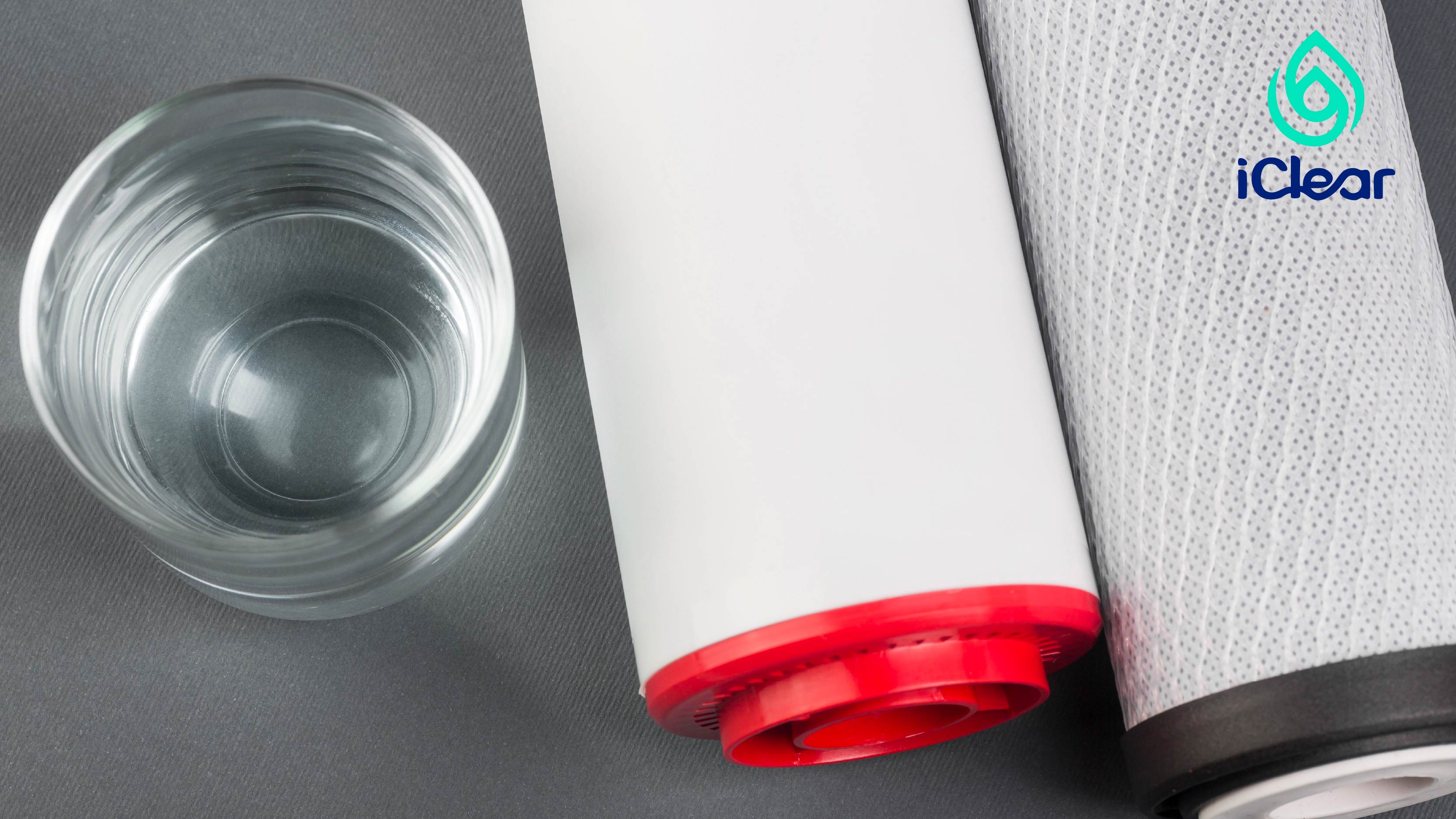
The term Reverse Osmosis sounds technical. The technology behind it is genuinely sophisticated. But the basic idea is simple enough that any family considering an RO system can understand exactly what they are buying and why it works. Reverse Osmosis, or RO, is a water purification process that forces water through an extremely fine membrane. The membrane has pores so small that water molecules can pass through, but almost everything else cannot. That includes fluoride, heavy metals, salts, bacteria, viruses, and the dissolved contaminants that boiling and standard filters fail to remove. The basic process, in plain terms A typical RO system in a Kenyan home runs water through several stages. First, a sediment filter catches visible debris like sand and rust. Second, an activated carbon filter removes chlorine and improves taste. Third, the water hits the RO membrane itself, which is where the real purification happens. Fourth, a post-filter polishes the water before it reaches your glass. Each stage handles something different. Together, they produce water that is genuinely clean: no fluoride, no heavy metals, no salts, no harmful microorganisms. The water that comes out is pure enough that it tastes noticeably different. Many first-time RO users describe it as the way water is supposed to taste. Why it matters for Kenyan water specifically Kenyan water carries a specific set of challenges. The fluoride in Rift Valley groundwater. The heavy metals from ageing Nairobi pipes. The salinity from Nairobi's eastern boreholes. The unpredictability of municipal supply quality. Most purification technologies handle one or two of these. RO handles all of them in a single process. That is why it has become the default for Kenyan households that want a permanent solution rather than a partial one. What RO does not do Worth being honest about the limits. RO produces some wastewater during the purification process. Older systems wasted a lot. Modern RO systems used by serious manufacturers have improved efficiency significantly, but there is still some waste. This is the trade-off for producing genuinely clean water. RO systems also need maintenance. Filters need replacing on a regular schedule. The membrane lasts longer but eventually needs servicing. A good supplier handles all of this with you as part of the package, so the homeowner does not have to think about it. How Kenyan households are using it RO is now the most widely installed certified household purification technology in Kenya. As featured in a recent Daily Nation article, more than 12,000 Kenyan homes, offices, schools, and clinics have already installed RO-based systems through iClear alone. The shift reflects a broader change in how Kenyan families think about water: not as something you boil and hope for the best, but as something you treat properly with the right technology. Choosing the right system for your home Three things matter when choosing an RO system. First, certification. KEBS certification confirms the system has been tested and meets Kenyan safety standards. Avoid uncertified units, no matter how cheap. Second, capacity. A small household needs a different size from a larger family or an office. Third, service. The system itself is only as good as the after-sales support behind it. Filters need changing. Membranes need attention. Pick a supplier who will be there for the long run. CALL TO ACTION Curious whether RO is right for your home? iClear's team will walk you through your options based on your water source and household size. WhatsApp to book a free consultation.
 Sustainability & Environment
 Product Guides
 Media & Press