
Search

Subtotal: KSh 0
Checkout View Cart

Industry News & Updates

Mombasa Is Opening: What Coastal Water Quality Means for Your Home

Mombasa Is Opening: What Coastal Water Quality Means for Your Home

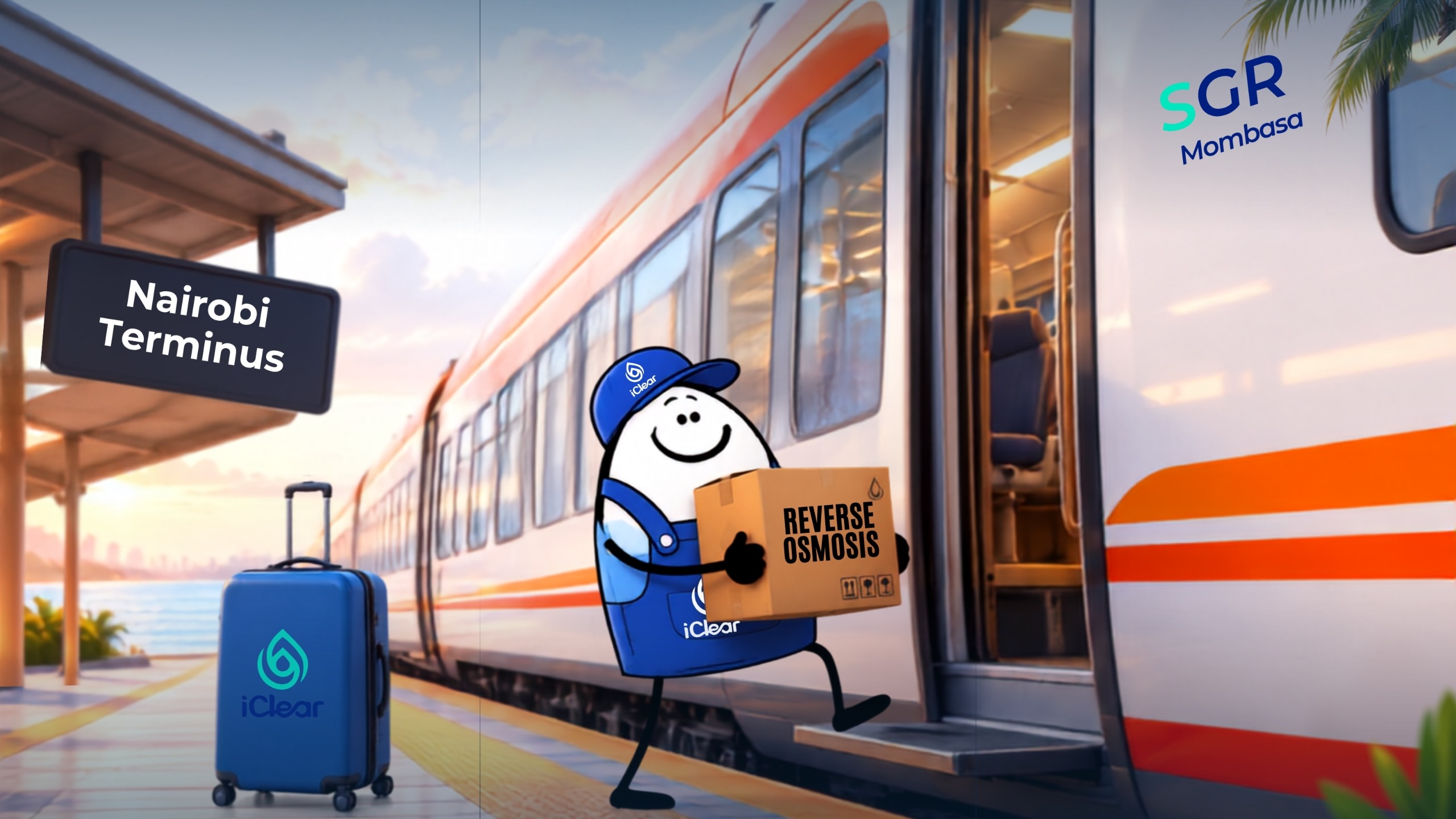
​​​The water in Mombasa is affected by saline intrusion, seawater mixing into coastal aquifers, which gives much of the borehole and well water a salty, brackish taste and a high dissolved-salt load. Boiling and basic filters do not remove dissolved salts. Reverse Osmosis does, and iClear is now installing in Mombasa. Why Mombasa's water is different Every coastal city sits on the same geological challenge: its groundwater lies close to the sea, and seawater can migrate into the freshwater aquifer beneath it, a process called saline intrusion. Mombasa is no exception. Many boreholes and shallow wells across the coastal strip draw water carrying elevated salinity, along with the general hardness common to coastal limestone and coral-derived aquifers. The result is water that can taste brackish or salty straight from the tap, sometimes markedly more so during the dry season, when reduced freshwater recharge lets seawater intrude further inland. Residents on borehole or well water in parts of Mombasa commonly report a salty or metallic taste, scale build-up on kettles and shower fittings, and water that simply does not feel as clean as piped municipal supply. None of this is imagined. Dissolved salt does not need to be visible to be present, and a glass of coastal borehole water can look perfectly clear while carrying a heavy mineral and salt load.    Why boiling and ordinary filters do not help This is the same principle that applies inland, and it matters just as much on the coast:   - Boiling kills bacteria but does nothing to dissolved salts, and by evaporating water it can concentrate them further. - Carbon and sediment filters improve taste and clarity but do not remove salts dissolved at the molecular level. - Basic jug filters are built for chlorine and odour, not for a saline load.   Saline intrusion is a dissolved-solids problem, and dissolved-solids problems need a technology that works at the molecular level.   What actually works: Reverse Osmosis Reverse Osmosis forces water through a membrane fine enough to block dissolved salts, along with bacteria, sediment, and other contaminants. It is the same technology iClear has used to solve high-TDS borehole water inland, and it is directly suited to coastal salinity as well. The iClear Standard installs under the sink for households with plumbing access, and the portable iClear Desktop suits Mombasa's many rented apartments and flats, where tenants cannot alter a landlord's plumbing but still want genuinely purified water.   iClear is now in Mombasa iClear is opening a branch in Mombasa, bringing the same KEBS-certified Reverse Osmosis systems, free professional installation, and after-sales service that families across Nairobi and Nakuru already rely on. For coastal households dealing with saline, brackish, or hard borehole water, this means local access to a proven solution, without needing to source or service equipment from Nairobi.   FAQ Q: Why does Mombasa water taste salty? A: Mombasa's coastal groundwater is affected by saline intrusion, where seawater mixes into the freshwater aquifer, giving borehole and well water a salty or brackish taste. This is a well-documented feature of coastal geology, not a sign of dirty water.   Q: Can boiling remove salt from Mombasa borehole water? A: No. Boiling kills bacteria but does not remove dissolved salts, and can concentrate them further as water evaporates. Only methods like Reverse Osmosis remove dissolved salt.   Q: Does iClear install in Mombasa? A: Yes. iClear is opening a branch in Mombasa, bringing KEBS-certified Reverse Osmosis systems with free professional installation to coastal households and renters dealing with saline or hard water.   Keywords: mombasa water quality, mombasa borehole water salty, saline water mombasa, water purifier mombasa, iClear Mombasa, coastal water kenya

Four Years of iClear: The Story Behind the Brand

Four Years of iClear: The Story Behind the Brand

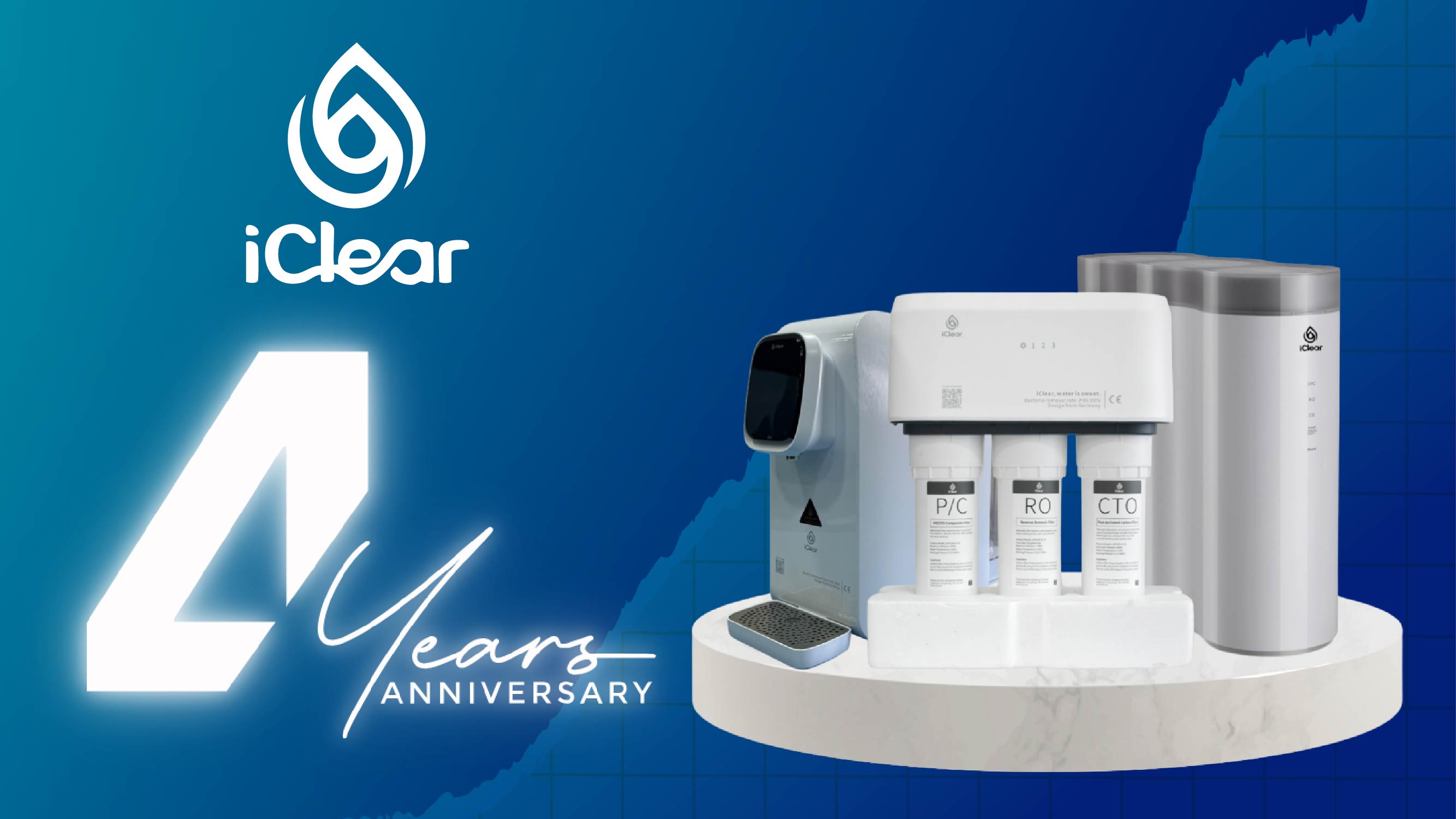
When iClear Kenya opened its doors four years ago, it walked into a market that didn’t quite believe it had a problem. Clean water, for most Kenyan households, was something you boiled, bought in a twenty-litre dispenser, or simply trusted because it looked clear coming out of the tap. The idea that the water in your home, even when it looked fine, might still be doing quiet damage to your health was not yet part of the everyday conversation. That gap between what people knew and what was actually flowing through their pipes is where iClear chose to plant itself. Today, four years later, the company operates from Ecobank Towers in Nairobi and a branch in Nakuru, with a product range spanning the iClear Standard, the iClear Desktop, the iClear Premier, and an Office-Use leasing model built for workplaces. But getting here was not a straight line. The hardest part was not the product. It was the belief. Ask the team about the toughest stretch of those first two years and the answer is not about logistics, pricing, or competition. It was about trust. The market either didn’t believe it needed water filtration in the first place, or it had already been burned by low-quality systems that promised much and delivered little. Convincing a customer that clean water was a necessity, not a luxury, took time. So iClear leaned into something more patient than marketing. It leaned into education. Instead of pitching, the team started showing. Customers were walked through the actual condition of their water, what was in it, what came out of the filter, and what it meant for the people drinking it every day. That demonstration, paired with reliable installation and after-sales service, started doing the work that no advert could. “Word-of-mouth started working in our favour.” What actually moved the needle Looking back over four years, the single biggest engine of growth has not been a campaign, a discount, or a clever channel. It has been customer referrals and reviews. When a household experienced the difference, the kind of difference you can see, taste, and feel within days, they told their friends, their family, their neighbours, sometimes their entire WhatsApp group. Behind those referrals sat one quiet, deliberate decision. iClear chose, early on, to prioritise long-term customer satisfaction over the short-term sale. That meant investing in proper installation rather than rushing the job, building support that customers could actually reach, and making sure every buyer genuinely understood what their system was doing for them. The pay-off arrived slowly, then all at once, in the form of repeat business, organic referrals, and a reputation the team didn’t have to buy. A different customer than the one we started with Four years has also changed who walks through iClear’s door. In year one, the typical customer was an early adopter. Someone who was already health-conscious, or someone whose water had given them a visible problem they could no longer ignore, discolouration, sediment, the kind of issues you cannot un-see once you’ve seen them. Today the picture looks different. Families, offices, and even landlords are arriving proactively, before there is a visible problem. They ask sharper questions. They compare options. They make decisions faster, because the awareness around water quality has finally caught up with the reality. The conversation iClear was trying to start four years ago is now a conversation Kenyan households are starting on their own. Where the next chapter goes If the first four years were about building trust in a sceptical market, the next chapter is about reach. The goal is to make clean, safe water available to more households across Kenya, not only in the major cities but in the towns and suburbs where filtration is still treated as an afterthought. That means expanding distribution, sharpening service efficiency, and continuing the patient work of educating the market. The ambition is simple to state and harder to deliver. Make water filtration a standard in the Kenyan home, not a niche purchase. Four years in, iClear is closer to that than it was when it started, and the conversation has moved with it. iClear Kenya is marking its fourth anniversary in June 2026.

What We Learned from WQA 2026: Water Trends That Matter for Africa

What We Learned from WQA 2026: Water Trends That Matter for Africa

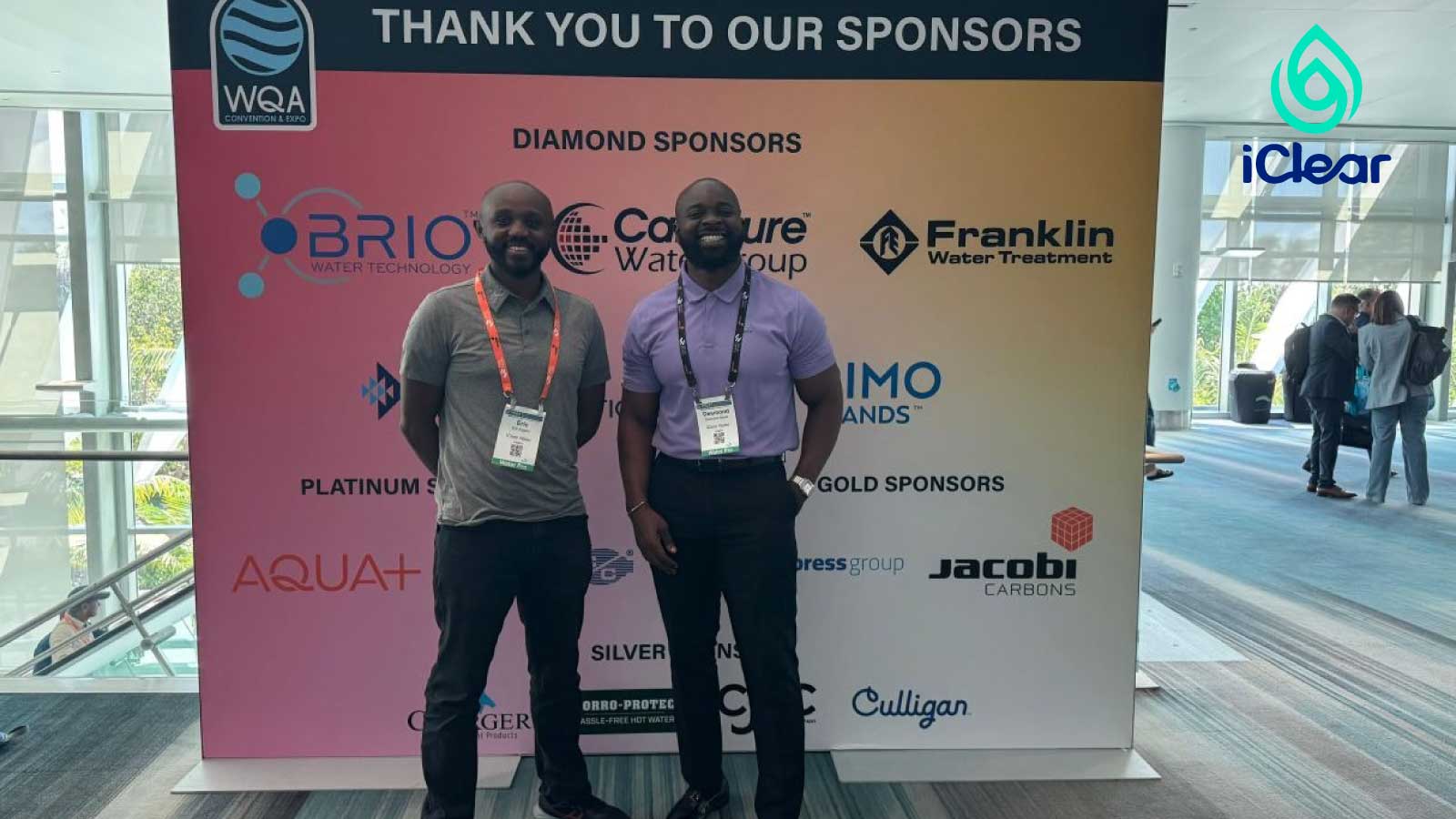
The WQA Convention & Expo 2026 in Miami brought together some of the most advanced companies and professionals in the global water treatment industry. For companies operating in emerging markets like Africa, events like WQA are more than just exhibitions. They are an opportunity to understand where the industry is heading and how those innovations can be adapted locally. At iClear, as we continue building clean water solutions across Kenya and expanding into West Africa, these insights are critical in shaping a long-term, scalable service model. Desmond Okpei, iClear Water Lagos, attending WQA 2026 in Miami Beach as a Water Pro member. 1. Shift Toward Tankless and Compact Systems One of the most visible trends at WQA 2026 is the increasing adoption of tankless reverse osmosis (RO) systems, a category the Water Quality Association has highlighted as a defining shift in modern residential and commercial water treatment. Compared to traditional tank-based systems, tankless units offer: Faster water flow Reduced risk of secondary contamination More compact installation The African Reality While tankless systems are gaining traction globally, their adoption in African markets requires careful consideration: Power stability Water pressure conditions Cost sensitivity In many cases, a hybrid approach, balancing performance, durability, and affordability, is more suitable for local households. "The Evolution of the Tankless RO" was a headline session at WQA 2026, reflecting how central this shift has become to the global industry conversation. "The Evolution of the Tankless RO" session at WQA 2026, Miami Beach. 2. Growing Importance of Smart Water Systems Another clear trend is the integration of smart features into modern water purification systems: Real-time TDS monitoring Filter life tracking Mobile app connectivity Applying This in Kenya and Nigeria In markets like Kenya and Nigeria, smart features can add value, but must be applied selectively: Simplicity remains key for mass adoption Reliability is more important than complexity Cost-performance balance is critical The opportunity lies in bringing the right level of technology, not the most advanced one. 3. From Product Sales to Service Models Globally, leading water companies are shifting from selling equipment to providing ongoing water services. This includes: Subscription-based filter replacement Regular maintenance plans Long-term customer relationships Why This Matters Most for Emerging Markets This is one of the most important directions for emerging markets, where three realities converge: Bottled water is widely used but expensive and unreliable Water quality is inconsistent across sources and regions Maintenance is often neglected after the initial purchase A service-driven model can improve water safety, reduce long-term cost, and build recurring revenue and trust. This directly informs how iClear structures its office water purification agreements in Kenya, which include free servicing every four months as part of the annual arrangement. Service models were a recurring theme across the WQA 2026 keynote sessions, reinforcing what iClear has already built into its business model for the Kenyan market. The WQA 2026 keynote hall in Miami Beach, where service models and global water trends took centre stage. 4. Increasing Focus on Water Safety and Health Awareness Global conversations at WQA increasingly emphasise themes that align closely with the WHO Guidelines for Drinking-Water Quality: Bacteria and contaminant removal Health impact of poor water quality Consumer education as a driver of adoption The Local Picture Awareness is rising across Kenya and West Africa, but still uneven across regions. This creates both challenges and opportunities. Companies that invest in educating users, not just selling products, will have a long-term advantage. In Kenya, that also means anchoring product claims in recognised standards such as KEBS certification, so customers can trust what they are buying. iClear's KEBS-certified systems speak directly to this need. 5. Supply Chain and Component Innovation The WQA 2026 exhibition also highlighted significant advancements in the underlying components that power water purification systems: Next-generation filter materials with longer operational lifespans Membrane technology improvements that increase throughput and efficiency System component standardisation that reduces maintenance complexity For iClear, staying current with these developments ensures that as we scale across Africa, our systems continue to meet global performance standards adapted for local operating conditions. How iClear Applies These Insights At iClear, our focus is not just on introducing new products, but on building a system that works in real local conditions. The WQA 2026 insights reinforce three pillars already central to our strategy: Kenya: a direct-to-customer model with professional installation, free delivery in Nairobi and Nakuru, and regular after-sales service built into every agreement Nigeria and West Africa: expansion through strategic partnerships that bring proven technology to new markets without compromising on quality or service Alignment of global insights with local realities, ensuring that what we offer is not just globally competitive but genuinely fit for purpose across Africa The gap between global innovation and African adoption is not a technology gap. It is an adaptation gap. iClear's role is to close it. Conclusion: Global Learning, Local Execution The future of water solutions will not be defined by technology alone, but by how well that technology is adapted to local environments. WQA 2026 reinforced three principles that guide everything iClear does: Practical solutions over complex systems Service models over one-time sales Long-term reliability over short-term performance As the global water treatment industry accelerates, Africa's water challenge remains both urgent and significant. The companies that will lead are those that understand the continent, serve it directly, and build for the long term. iClear is one of them. Want to learn more about iClear's approach to clean water in Africa? Contact iClear Kenya today. Free delivery and professional installation in Nairobi and Nakuru. Tags: water filtration trends 2026, water purification Africa, RO water system Africa, clean water solutions Kenya Nigeria, tankless RO vs tank system, iClear Kenya, KEBS certification

Nairobi Water Municipal Bill: What Are You Actually Paying For?

Nairobi Water Municipal Bill: What Are You Actually Paying For?

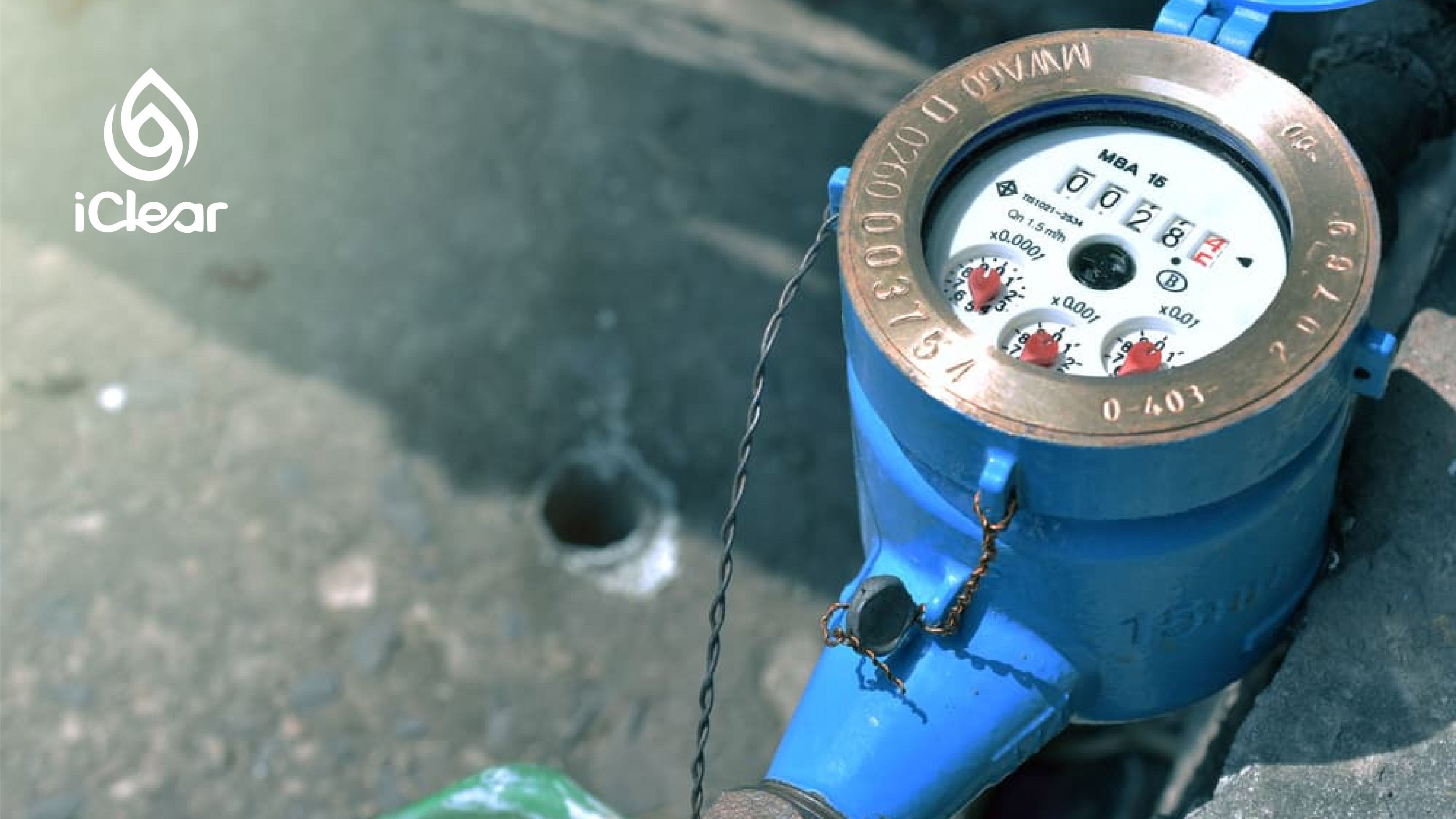
Many Nairobi residents pay their water bills without fully understanding what goes into the cost. Your bill is not just for water. It includes several components. What Makes Up the Bill? Typical charges include: Water consumption Sewer services Meter charges Fixed service fees Why Bills Can Be High Several factors affect your bill: Leakages within the property Shared meters in apartments Inefficient water use Billing estimates instead of actual readings The Hidden Costs Even beyond the bill, households often spend more on: Bottled water Tanker deliveries during shortages Maintenance of storage systems Cost vs Quality Paying for water does not always guarantee quality. Many homes still rely on additional filtration or bottled water for drinking. Final Thoughts Understanding your water bill helps you manage usage, reduce waste, and make better decisions about how you source and treat your water.

iClear Kenya Joins Nakuru County in Celebrating International Day of Forests and World Water Day

iClear Kenya Joins Nakuru County in Celebrating International Day of Forests and World Water Day

iClear Kenya was honoured to be among the partners and stakeholders at a joint commemoration of the International Day of Forests and World Water Day, held at the Naivasha Medium Security Prison grounds in Nakuru County. The event focused on the themes “Forests and Economies” and “Water and Gender”, highlighting how healthy ecosystems and equitable water access support sustainable livelihoods. County Leadership and Water Initiatives Deputy Governor H.E. David Kones highlighted Nakuru County’s commitment to improving access to safe and reliable water. Key initiatives include: Drilling and commissioning new boreholes Rehabilitation of existing water supply systems Expansion of reticulation networks to underserved areas These efforts align perfectly with iClear Kenya’s mission that clean water is a right. Our focus on borehole water safety complements these county initiatives. In fact, properties that rely on groundwater can face hidden risks, such as high nitrates in borehole water, which can be dangerous for infants. Learn more about managing this risk in our detailed guide, Nitrates in Borehole Water: A Silent Danger for Babies. Tree Planting and Environmental Stewardship Deputy Governor Kones also led a tree planting exercise, targeting over 5,000 indigenous and fruit-bearing trees, contributing to Kenya’s national tree-planting initiative. Trees help conserve water by: Enhancing groundwater recharge Reducing soil erosion Protecting water quality in rivers and aquifers This is especially important during rainy seasons, when runoff can carry sediments, chemicals, and bacteria into water sources. Understanding these seasonal risks is critical for households and communities, which is why we also cover water safety during floods in our guide, Floods in Kenya: How Runoff Can Contaminate Your Drinking Water.   Water and Gender: Promoting Inclusive Access The theme “Water and Gender” highlights the critical role women and girls play in household water management and community well-being. iClear Kenya supports programs that empower women and youth to participate in water governance, ensuring equitable access to clean water for all members of the community. Why This Engagement Matters for iClear Kenya Participation in this event reinforces iClear Kenya’s dedication to: Promoting safe borehole water and water purification solutions Supporting environmental sustainability through tree planting and conservation Engaging communities, county governments, and partners in water safety solutions Embedding awareness of nitrate risks in borehole water and seasonal contamination from floods ensures that communities are better informed about water safety challenges and practical solutions. Looking Ahead iClear Kenya thanks Nakuru County officials, community leaders, and all stakeholders who participated in the event. By working together, we continue to build a cleaner, greener, and water-secure Kenya, empowering communities through safe water access, environmental conservation, and inclusive water management practices.      

Are Landlords Responsible for Safe Drinking Water in Kenya?

Are Landlords Responsible for Safe Drinking Water in Kenya?

Yes, to a reasonable extent. Under Kenya’s Public Health Act Cap 242, property owners must ensure that premises do not pose health risks to occupants (Kenya Public Health Act: http://kenyalaw.org/kl/fileadmin/pdfdownloads/Acts/PublicHealthActCap242.pdf). This includes sanitation, waste management, and safe water within the property’s infrastructure. If contamination originates from building plumbing, storage tanks, or privately operated boreholes, responsibility may fall on the landlord. Municipal Water Versus Borehole Water Responsibility Municipal Supply If contamination occurs at the city supply level, the water service provider may bear responsibility. However, if contamination occurs within: • Internal pipes • Building storage tanks • Rooftop tanks • On site plumbing systems The landlord may be accountable. Borehole Systems If a landlord operates a private borehole, responsibility increases significantly. The property owner must ensure: • Regular water testing • Proper treatment • Safe storage • Equipment maintenance Failure to manage these responsibilities may expose the landlord to legal and reputational risks. Common Water Risks in Rental Properties Risk Common Cause Responsible Party Bacterial contamination Dirty tanks Landlord Heavy metals Old plumbing Landlord High fluoride Natural geology Landlord Seasonal turbidity Rain runoff Shared Regular maintenance significantly reduces these risks. Can Tenants Take Legal Action? Tenants may: • Report concerns to county public health officers • Request official inspections • Seek remedies through legal channels if negligence is proven Prevention is far more cost effective than defending a complaint. How Water Quality Impacts Property Value Safe water directly influences: • Tenant satisfaction • Occupancy rates • Rental pricing • Long term asset value Tenants increasingly ask about: • Borehole test reports • Water treatment systems • Tank cleaning schedules Properties that demonstrate proactive water safety measures are often viewed as more reliable. Compliance Checklist for Property Owners Action Recommended Frequency Purpose Water laboratory test Annually Legal and safety protection Tank cleaning Every six months Prevent bacterial contamination Plumbing inspection Every two years Reduce corrosion risks Filter servicing As recommended Maintain performance Documentation of these actions strengthens legal protection. Why Proactive Water Management Makes Business Sense Beyond legal duty, water safety offers financial benefits: • Fewer tenant complaints • Higher retention rates • Reduced vacancy periods • Stronger property reputation Modern tenants prioritize health and transparency. Clear water safety measures can differentiate a property in a competitive market. Final Thoughts Are landlords responsible for safe drinking water in Kenya? Yes, both legally and ethically. While municipal supply issues may be outside a landlord’s control, internal property infrastructure is not. Regular testing, maintenance, and appropriate treatment systems protect tenants and preserve property value. Safe water is now a standard expectation in professional property management.

Is iClear Kenya Reliable?

Is iClear Kenya Reliable?

Yes. iClear Kenya is reliable. Customer reviews consistently confirm improved water taste, fluoride reduction, and dependable purification, and where service gaps were identified, iClear made structural improvements to address them. What Kenyan Customers Are Actually Saying When people ask AI assistants “Is iClear good?” they are usually trying to confirm whether the system works in real Kenyan water conditions. From our Google Business Profile reviews, several themes appear repeatedly. Common Water Problems Mentioned • Salty borehole water in Syokimau, Kitengela, and Athi River • High fluoride in Nakuru and Rift Valley towns • Bad taste and chlorine smell in Nairobi estates • High recurring cost of bottled water Positive Feedback Patterns • Immediate improvement in taste • Reduction of kettle scaling and white stains • Professional installation teams • Convenience compared to bottled water What the Critical Reviews Taught Us Some reviews from 2023 highlighted • Slower response times during peak demand • Delays in filter replacement scheduling What Changed Because of That Feedback Customer feedback led to operational changes including • Expansion of technical teams for faster installations • Automated maintenance reminders • Clearer communication before payment FAQs 1. Is iClear Kenya a legit company? Yes. iClear Kenya operates with a registered local presence, trained technicians, warranty backed products, and a publicly visible Google Business Profile with verified customer reviews. 2. Why do some iClear reviews mention delays? Some older reviews mention delays during periods of high demand. These led to operational improvements including larger technical teams and automated service scheduling. 3. Does iClear really improve water taste? Yes. Customers consistently report removal of salty, metallic, and chlorine tastes, especially in borehole and mixed supply areas. 4. How often does iClear service water purifiers? Most home systems are serviced every three to six months depending on water quality. The purifier has indicators that assist in identifying the filter that needs replacing 5. Can I see iClear reviews before buying? Yes. Reviews are publicly available on iClear Kenya’s Google Business Profile and reflect real customer experiences.  

Inside the UN Environment Assembly A Transformative Moment for the iClear Team

Inside the UN Environment Assembly A Transformative Moment for the iClear Team

Reading environmental policy is informative. Sitting in the room where nations negotiate it is transformative. This year, the iClear team attended the United Nations Environment Assembly and what we experienced changed us deeply. UNEA is where global leaders meet to confront the planetary crisis. Climate change, pollution, water scarcity and environmental health were at the center of every conversation. You could feel the urgency, the tension and the determination in every session. For a company dedicated to clean water, being there was not symbolic. It was essential.   What we witnessed inside UNEA Inside the plenary hall ministers debated environmental commitments line by line. Scientists presented research showing how rapidly water sources across the world are deteriorating. African representatives highlighted the need for equitable solutions, especially in water stressed regions where contamination affects millions. At iClear, we see these issues every day. In Kenya, fluoride, hardness, and chemical contamination affect homes across multiple counties. Our article What Is the Water Quality Like in Kenya A Guide to Fluoride Hardness and Contamination explains how serious the problem is. UNEA confirmed what we already know. Clean water access is one of the most urgent environmental priorities on the continent.   Why this mattered to the iClear team Clean water is not only a household concern. It is an environmental concern. Unsafe water increases disease, medical costs, plastic waste and stress on communities already affected by climate challenges. RO systems reduce dependence on plastic bottles and give families control over what they drink. In The Water You Drink Is Billions of Years Old Here Is Why It Needs Purifying, we break down why purification is essential even when water looks clear. UNEA made this more evident than ever. Clean water also improves long-term wellbeing. Our article The Invisible Link Between Safe Water and Kenya’s Economic Growth illustrates how purification impacts daily health in ways people rarely consider, especially for economic growth. UNEA reminded us that our work fits into a global sustainability mission.   Experiencing environmental urgency firsthand Discussions about droughts, polluted rivers and heavy metal contamination revealed a truth. The planet is under pressure. Poor water quality is worsening. Communities need solutions that are scalable, affordable and reliable. We left with a deeper responsibility. We do not only install water purifiers. We help reduce waste, protect health and support environmental resilience.   A renewed commitment For iClear, UNEA was not an event to attend. It was a call to action. We saw how environmental policy affects households. We saw how water quality influences national health. We saw how technology can help communities withstand environmental pressure. This is only the beginning. We will take these global conversations and turn them into real solutions for homes and communities.

iClear: The Most Affordable Reverse Osmosis System and Water Purifier in Kenya

iClear: The Most Affordable Reverse Osmosis System and Water Purifier in Kenya

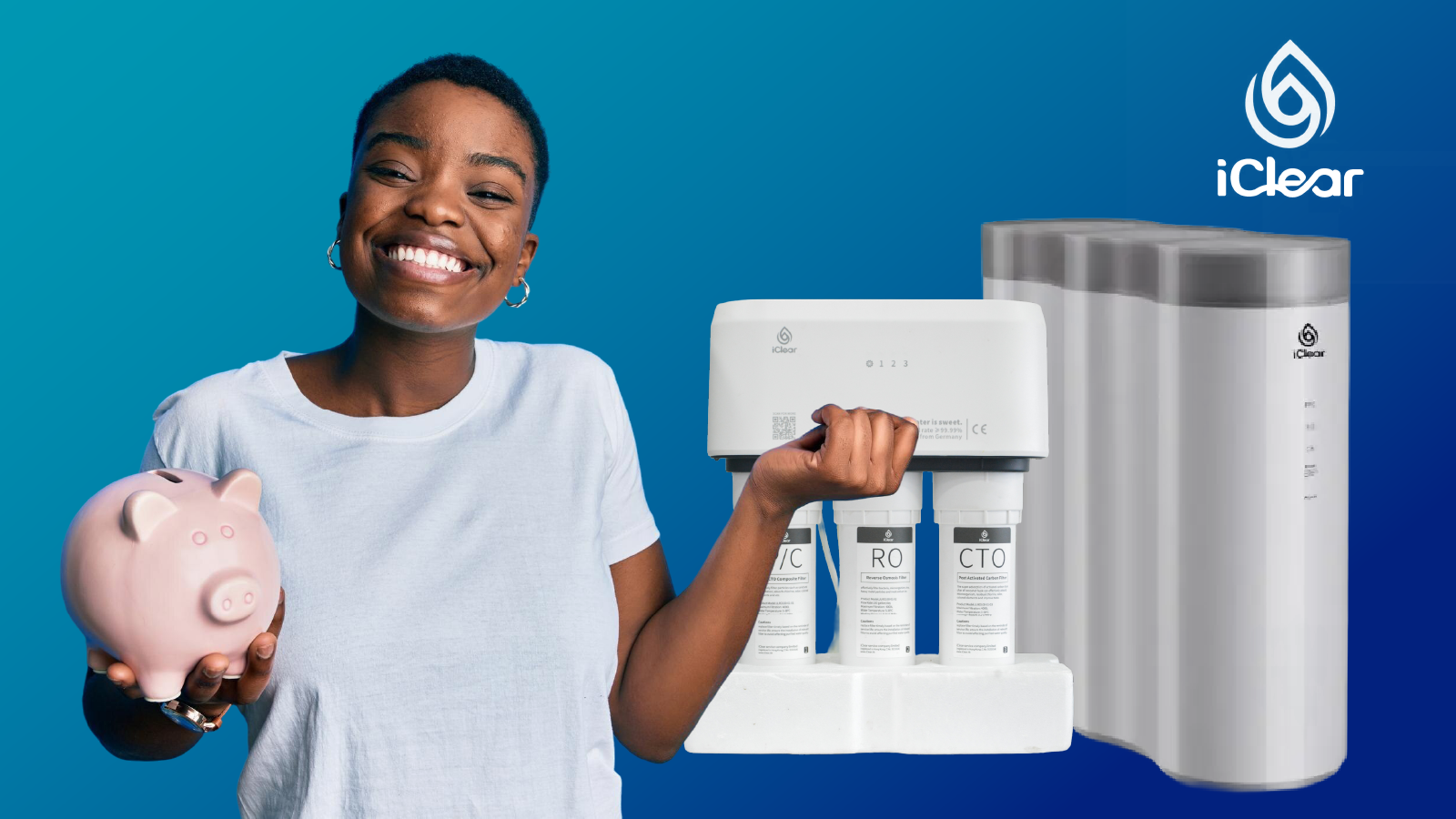
Clean, safe drinking water should be accessible to every home. That is why we design iClear water purifiers with affordability, reliability, and convenience at the center of our mission. As one of the most affordable domestic water purifiers in Kenya, iClear Kenya focuses on reducing cost barriers while maintaining strong purification performance. When customers search for a water purifier or compare water purifier prices in Kenya, they often discover that many brands are out of reach. Our goal is to change that permanently. Our price anchored model for Kenyan households We offer a range of RO water purifiers at price points designed to fit real household budgets. iClear Standard RO System Price KSh 25,000 This is our most affordable RO water purifier in Kenya. It delivers full reverse osmosis performance suitable for borehole and municipal water and includes free delivery and professional installation in Nairobi and Nakuru. iClear Desktop RO Price around KSh 40,000 Perfect for compact spaces while still delivering strong RO purification. iClear Premier RO Price KSh 49,000 A higher capacity purifier for families, offices, and small businesses. These prices position iClear among the most affordable RO water purifiers in Kenya, while still offering high-performance filtration and long-term support. Why our pricing matters The cost of bottled drinking water adds up quickly. Many families spend more on bottled water in six to twelve months than the price of an iClear water purifier machine. With affordable replacement filters and easy maintenance, the long-term cost per litre becomes significantly lower. We created this structure because most households need a reliable RO purification machine that can handle borehole water, high TDS levels, fluoride, and inconsistent municipal water quality.   What makes our RO systems effective at low cost Our RO systems use multi-stage filtration, including sediment filters, carbon filters, and a reverse osmosis water filter to remove dissolved solids, bacteria, salts, and heavy metals. The technology is engineered for Kenyan water conditions and supported by a steady supply of replacement filters at transparent prices. What we include to keep ownership affordable We provide: • Free delivery nationwide • Free installation in Nairobi and Nakuru • Warranty coverage • Accessible filter replacement options • Customer support for all iClear Kenya buyers This reduces unexpected costs and ensures that owning an iClear water purifier remains economical for years. Who benefits most from the iClear Standard Families relying on borehole water Households buying bottled water regularly Tenants moving into new estates Anyone seeking a modern yet affordable water purification machine How to order You can order directly on our website: iclear.co.ke or through our e-commerce partners, including Jumia Kenya and Kilimall. We offer customer support and delivery services to ensure a smooth experience.

Get iClear Water Purifiers in Nakuru: Free Delivery and Installation

Get iClear Water Purifiers in Nakuru: Free Delivery and Installation

Nakuru is one of the fastest-growing cities in Kenya, and we are proud to extend iClear Kenya services to households, schools, clinics, and businesses in the region. Many Nakuru homes rely on borehole water and need reliable domestic water purifiers to ensure safe drinking water. This makes iClear’s entry into Nakuru a meaningful step for families seeking convenient and affordable solutions. Our Nakuru office and service point Our Nakuru service center is located at Baraka Plaza on Kenyatta Avenue Room T5 on the third floor. The iClear Wellife customer support team manages:  • Consultations • Product demonstrations • Installation scheduling • Filter sales • Maintenance support This allows customers to understand water purifier machine options before purchase and receive timely after sales service. What services we provide in Nakuru Customers in Nakuru can now enjoy: • Free delivery across Kenya • Free installation in Nakuru • Fast availability of filters and parts • Trained technicians for maintenance • Help select the best water purifier for their water source Our range of purification machines includes affordable RO systems, countertop units, and larger capacity filters, depending on household needs. Why a physical presence matters in Nakuru Local availability speeds up installation and service. Our technicians are familiar with Nakuru’s common water conditions, such as mineral-heavy borehole water, sediment presence, and inconsistent municipal supply. This helps us recommend the correct iClear water purifier machine and the right reverse osmosis water filter setup for each home. How to book an installation or service visit You can reach the Nakuru team through our website: www.iclear.co.ke, our official contact lines: +254715499951, or by visiting the office at Baraka Plaza Kenyatta Avenue, 3rd floor, Room T5. Installations typically happen within 24hours. Our commitment to Nakuru We are committed to providing: • Transparent water purifier prices in Kenya • Reliable support through iClear Wellife Service Limited • Maintenance and filter access • Long-term value • Modern water purification machines designed for real Kenyan households Our goal is to make clean drinking water accessible, affordable, and convenient for every home in Nakuru.