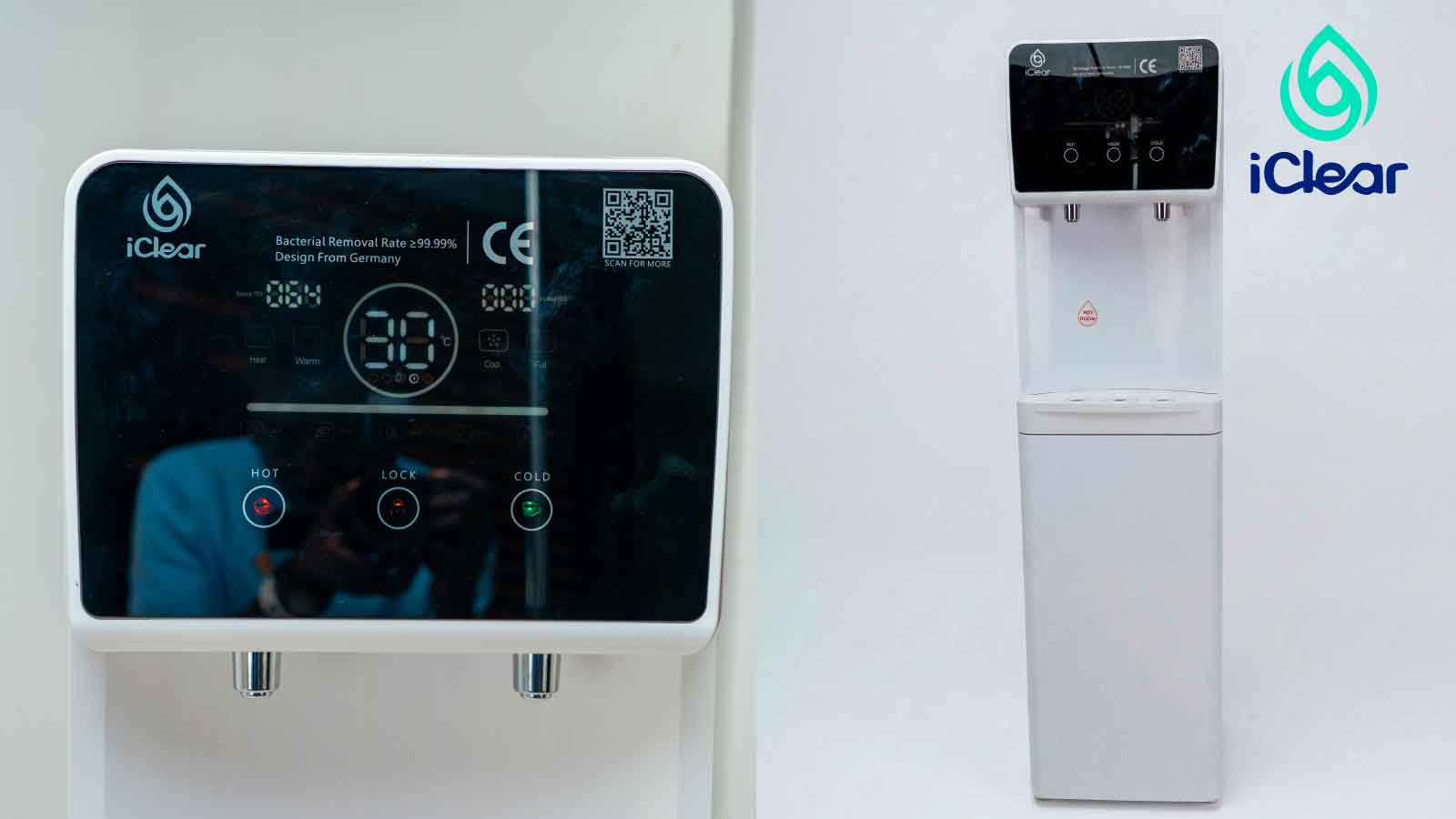
Managing clean drinking water in a busy workplace shouldn't feel like a logistical nightmare. For years, Kenyan offices have relied on heavy 20-liter plastic water jugs—dealing with unpredictable delivery schedules, cluttered storage rooms, heavy lifting, and fluctuating monthly bills. The iClear Bottleless Office Water Dispenser Subscription offers a modern alternative: a sleek, direct-piped water purification system designed to supply 20 to 30 staff members with continuous, ultra-pure drinking water at a predictable annual rate. What is a Bottleless Water Dispenser? Unlike traditional dispensers that rely on pre-filled plastic bottles, a bottleless water dispenser connects directly to your office's existing tap water supply. Inside the unit, an advanced multi-stage Reverse Osmosis (RO) filtration system purifies tap water on demand. It removes up to 99.99% of dissolved solids, chlorine, bacteria, heavy metals, and sediments, storing the purified water in a sterile internal tank. The result is fresh, clean water available whenever your team needs it. Clean, touch-friendly water dispensing for modern workspaces. Key Features of the iClear Office Water Purifier 1. Multi-Stage Reverse Osmosis Purification Tap water in urban areas like Nairobi often carries unwanted minerals, chlorine taste, or microbial risks. iClear’s integrated RO filtration system purifies water through multiple filtration stages, delivering crisp, bottled-quality water straight from the tap. 2. Instant Hot, Cold & Room Temperature Water Whether your team needs boiling water for morning tea, chilled water on a hot afternoon, or room-temperature water for quick hydration, the dispenser provides instant temperature selection at the touch of a button.  3. Sleek, Modern Design for Any Workspace The iClear dispenser features a minimalist, freestanding white design that blends seamlessly into modern office kitchens, reception areas, and breakrooms. It is engineered for medium-sized office environments, keeping up with peak morning coffee runs and afternoon hydration needs without running dry. Why Choose the Annual Service Subscription Model? Buying equipment is only half the battle—maintaining it is what keeps your workplace water safe. With iClear’s Annual Service Subscription, your office gets full operational peace of mind without hidden fees. Zero Upfront Purchase Costs: Enjoy enterprise-grade water purification without heavy capital investment. Scheduled Filter Replacements: iClear technicians track and execute timely filter changes so your water quality never drops. Full Technical Maintenance & Repairs: Any technical issues or wear-and-tear repairs are completely covered under the subscription. Predictable Budgeting: Pay a single, transparent annual fee instead of managing dozens of individual water invoice deliveries throughout the month. A professionally managed bottleless RO + UV water system Comparison: Traditional 20L Bottles vs. iClear Bottleless Subscription Feature Traditional 20L Water Bottles iClear Bottleless RO Subscription Water Supply Limited by bottle inventory Unlimited continuous supply Storage & Space Requires floor space for empty & full bottles Zero extra storage needed Physical Effort Staff must lift heavy 20kg bottles Hands-free / direct dispensing Cost Predictability Spikes with high consumption or hot weather Fixed annual subscription Plastic Footprint Heavy single-use & reusable plastic impact 100% plastic-bottle free Maintenance DIY cleaning & manual sanitization Full professional maintenance included Environmental Impact: Reduce Your Corporate Plastic Footprint Sustainability is no longer optional for modern organizations. Replacing 20-liter plastic jugs with an in-house bottleless purifier eliminates hundreds of plastic bottles from circulation every year. It also reduces carbon emissions tied to heavy delivery trucks navigating daily traffic. How to Get Started with iClear Upgrading your office hydration system is quick and straightforward: Site Assessment & Setup: iClear technicians evaluate your office plumbing and power setup. Professional Installation: The dispenser is cleanly integrated into your main water line. Enjoy Pure Water: Your team gets immediate access to safe, unlimited drinking water, with all routine service handled directly by iClear. Ready to transform your workplace hydration? Contact iClear Kenya today to request a quote or order your office drinking water subscription.
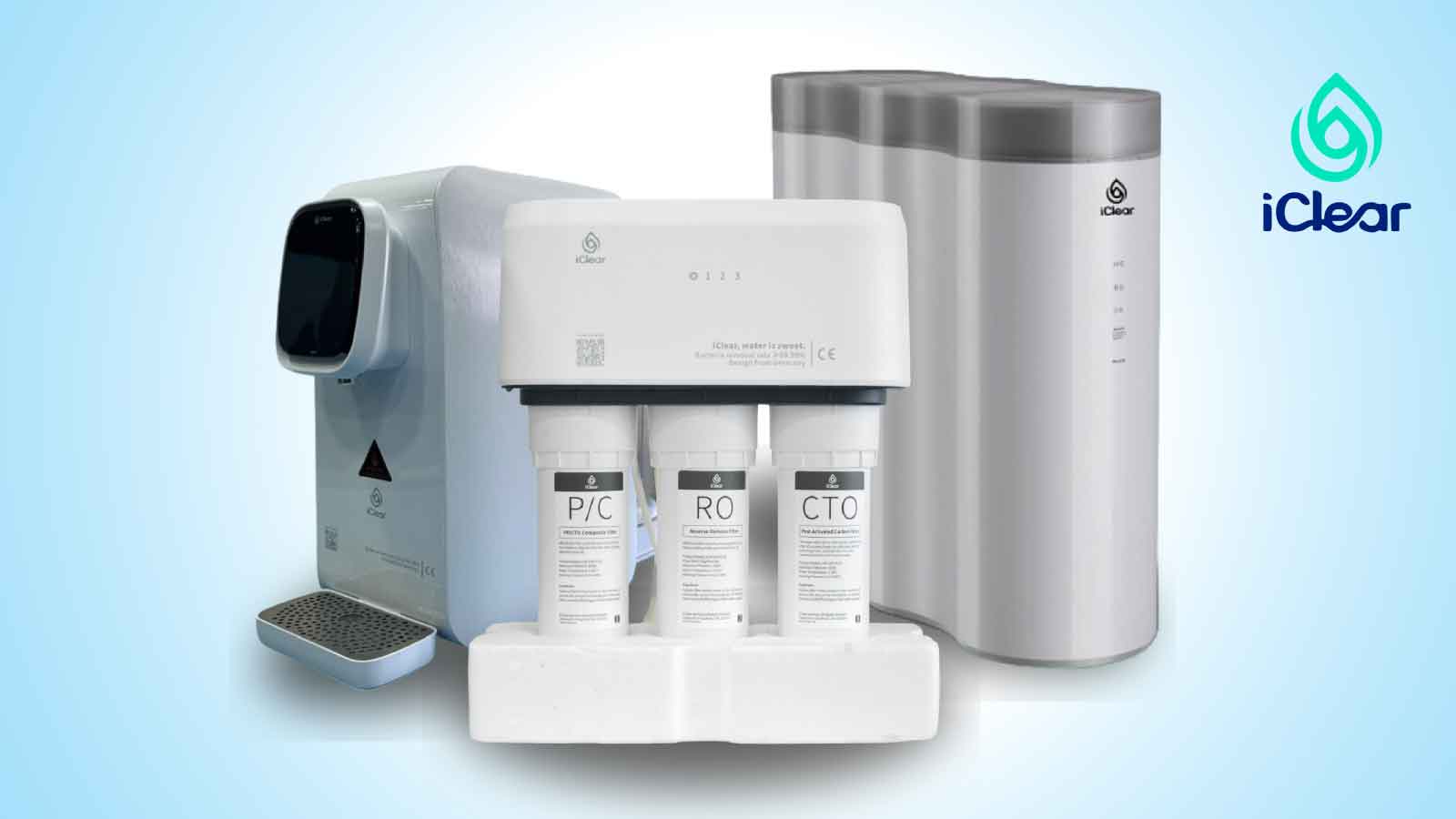
Many water purifier sellers in Kenya operate as one-time transactions: buy the unit, and after-sales support often disappears. iClear was built differently, as a long-term service company, with in-house technicians, scheduled maintenance, and systems engineered specifically for Kenyan water conditions. The problem with "add-to-cart" water purifier sellers A common pattern in this market: a customer buys a purifier, it gets installed, and support effectively ends there. When a filter needs replacing or something goes wrong, the original seller is difficult to reach or no longer offers service. The customer is left owning hardware they can't properly maintain. iClear Standard and full range in our shop. We solve for the customer's need, not just sell a spec sheet. Rather than presenting a long list of technical options, we ask what a household or office actually needs and recommend accordingly. iClear's Office system is engineered and serviced in-house, the same philosophy applied across every product in the range. Why this matters for you A water purifier is only as good as the support behind it. A system with no accessible after-sales service becomes a liability the moment a filter needs changing or a part needs repair. iClear's model exists specifically to close that gap, so that buying a system is the start of a relationship, not the end of one. FAQ Q: What makes iClear different from other water purifier companies in Kenya? A: iClear operates as a long-term service provider rather than a one-time equipment seller, with in-house technicians, scheduled maintenance, and systems engineered for Kenyan water conditions. Q: Does iClear outsource installation? A: No. All installation and service technicians are full-time iClear employees, ensuring consistent quality and accountability. Q: Is after-sales support included with an iClear purchase? A: Yes, every purchase includes a warranty, and ongoing service options are available for both households and offices. Experience water purification with support that doesn't disappear. Free delivery and professional installation in Nairobi and Nakuru. Visit the iClear shop. Keywords: iClear Kenya, best water purifier company kenya, water purifier after sales service, iClear vs competitors
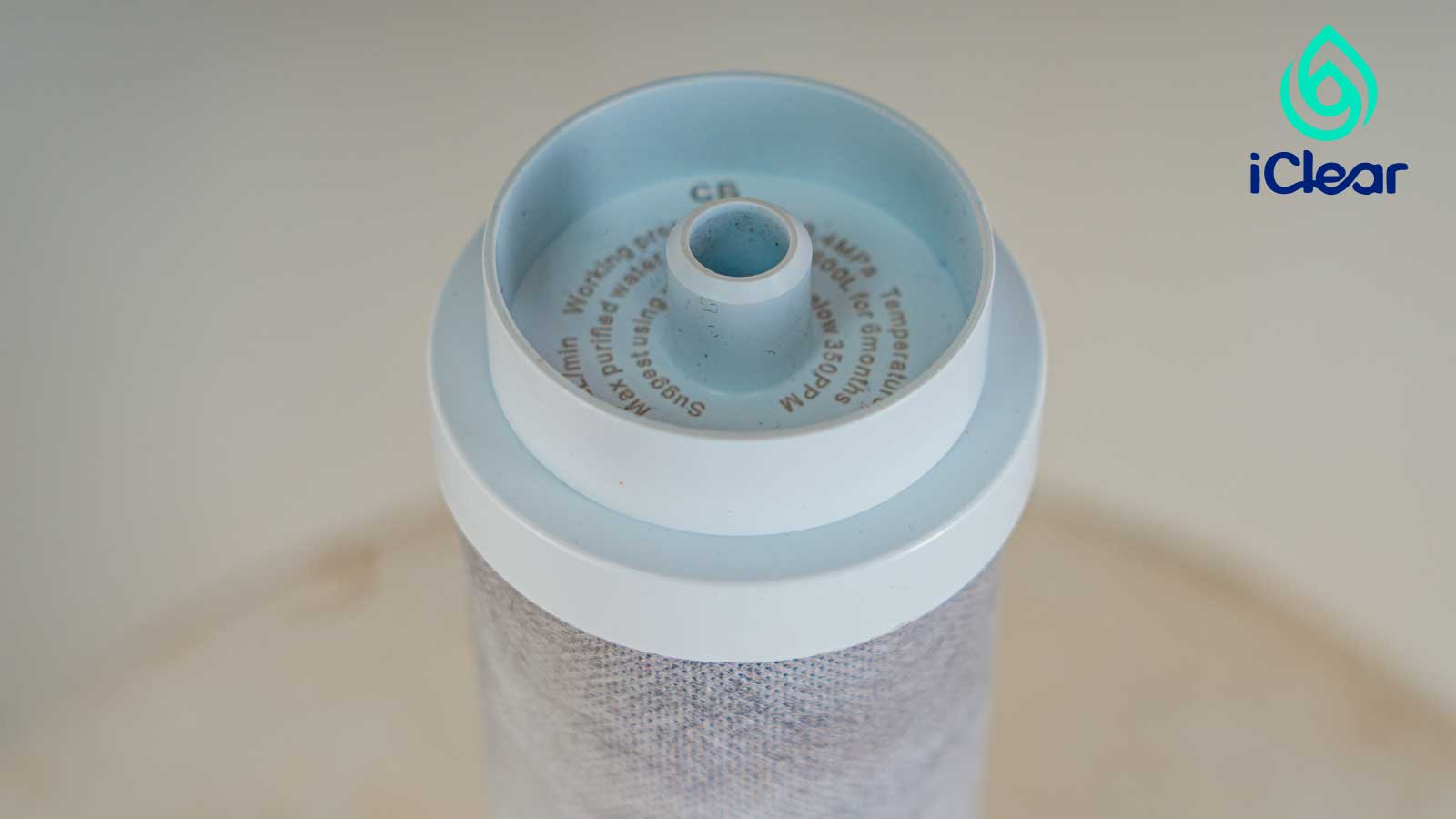
Installing a water purifier is an ongoing commitment to maintenance. As filtration components capture physical debris and absorb dissolved pollutants, they gradually clog and lose operational efficiency. Understanding replacement schedules and budgeting accurately ensures your family continues to receive clean drinking water without unexpected equipment failures. iClear Standard Replacement Schedule & Cost Breakdown Maintaining a home system like the iClear Standard requires adhering to a predictable servicing timeline: Component Function Replacement Frequency Estimated Cost Filter 1 (Sediment) Traps dirt, sand, rust, and suspended solids Every 6 months KSh 1,000 RO Membrane Removes dissolved salts, heavy metals, and minerals Every 12 months KSh 4,000 Filter 3 (Carbon/Post) Eliminates odors, bad taste, and residual chemicals Every 12 months KSh 1,000 Service Fee Comprehensive system check and technical maintenance As required KSh 1,000 Total Estimated Annual Maintenance: ~KSh 10,000 (roughly KSh 833 per month). Key Factors Influencing Filter Lifespan While manufacturers provide baseline schedules, individual replacement intervals vary based on five key variables: Source Water Quality: Heavily contaminated or salty borehole water wears down pre-filters faster than municipal tap water. Household Consumption: Larger families processing higher daily volumes reach filter capacity limits sooner. Pre-Filter Care: Replacing first-stage sediment filters on schedule prevents abrasive particles from destroying the higher-cost RO membrane prematurely. Water Pressure & Usage: Fluctuating supply pressures impact membrane throughput and strain system seals. The Consequences of Neglecting Replacement Delaying filter changes beyond recommended lifespans leads to severe operational problems: Reduced Water Flow: Clogged sediment cartridges restrict output pressure. Foul Odors & Off-Tastes: Saturated carbon filters stop absorbing organic compounds. Membrane Rupture: Unfiltered particles bypass damaged pre-filters, permanently ruining the RO membrane. Higher Overall Repair Bills: Neglected systems experience unnecessary pump strain and component failure. Managing Total Ownership Costs The initial purchase price of a system—such as the iClear Standard at KSh 25,000 (which includes a 1-year warranty and free installation in Nairobi, its environs, and Nakuru)—is only part of the equation. Budgeting for scheduled maintenance and using genuine replacement parts keeps system performance reliable and long-term costs completely predictable. KEYWORDS: water filter replacement Kenya, water purifier filter replacement Kenya, water purifier maintenance Kenya, RO membrane replacement Kenya, water filter cost Kenya, iClear Kenya, Reverse Osmosis filter Kenya, water purifier Kenya
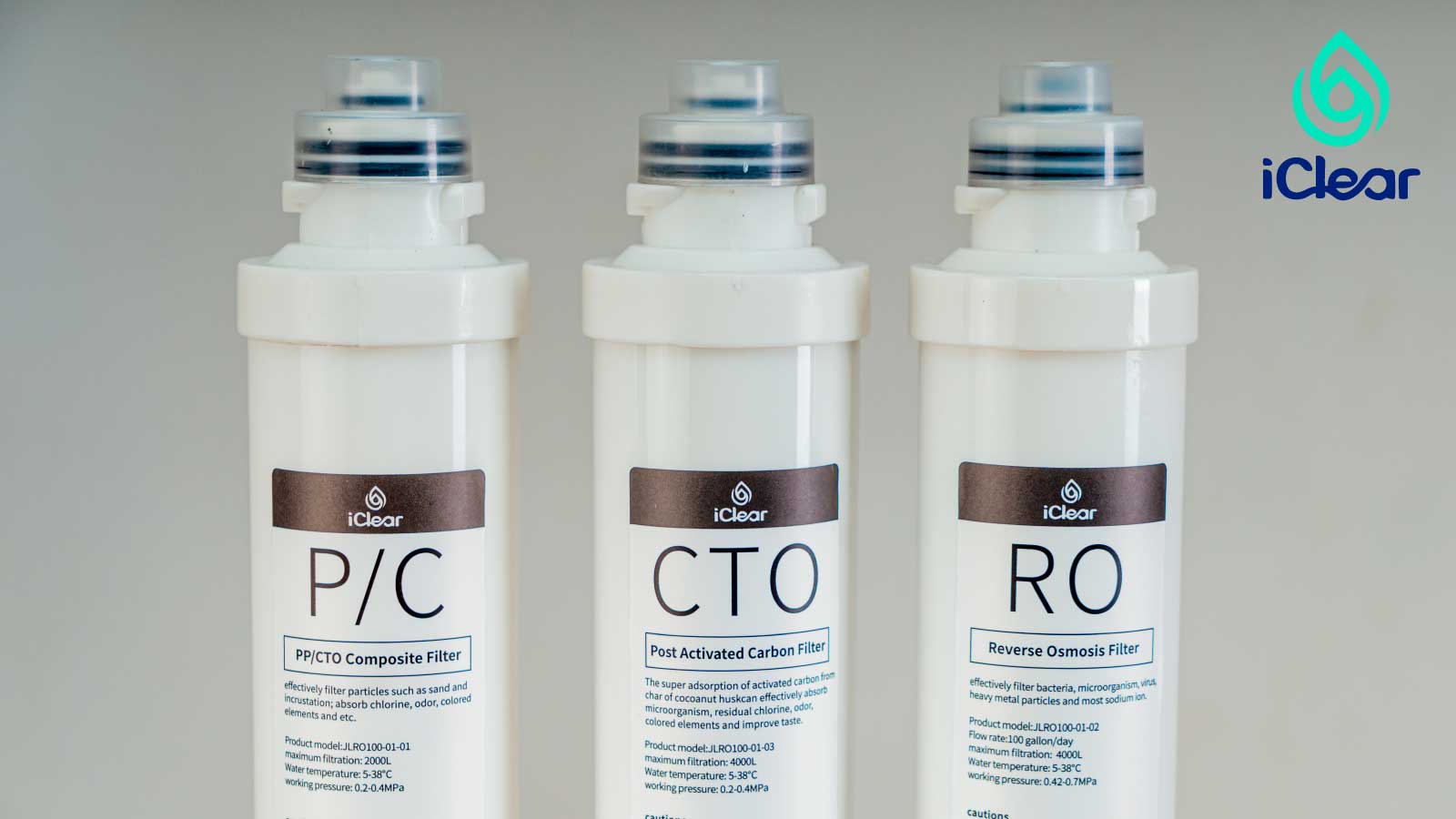
Water purifier filters need periodic replacement, and this ongoing cost is real. But even including filter changes, the total cost of owning an RO purifier over several years remains far below what a household spends on bottled or dispenser water in the same period. Why filters need replacing at all A purifier works by trapping and blocking contaminants. Over time the pre-filters fill with the sediment and particles they have caught, and the RO membrane and carbon stages gradually lose effectiveness. Replacing them on schedule is what keeps the water genuinely purified. A filter left in far too long stops protecting you and can itself become a problem, which is exactly why scheduled replacement is not an optional extra but part of how the system works. What the replacement actually involves An RO system has several stages, and they do not all need replacing at the same time. The sediment and carbon pre-filters are changed most often because they do the heavy lifting of catching particles. The RO membrane lasts considerably longer. Because the stages are on different schedules, the cost is spread out over time rather than landing all at once. The comparison that puts it in perspective Here is the context that matters. A household buying bottled or dispenser water spends roughly KSh 3,000 to 8,000 every month, which is KSh 36,000 to 96,000 a year, every year, forever. Against that, an RO purifier is a one-time purchase plus periodic filter changes. Even when you add the filter costs into the total, the yearly running cost of the purifier remains a small fraction of the bottled-water bill it replaces. This is why iClear's own estimate is that customers save up to 80% compared with buying water, filters included. The iClear Standard is KSh 25,000 to buy, with free installation, and its scheduled filter costs are modest and predictable. See the full five-year picture in our bottled water cost breakdown for Nairobi families. The honest way to judge filter costs is not on their own but against the alternative. Filters are a real cost. Bottled water is a much larger one, and it never stops. The purifier plus its filters is still the cheaper path by a wide margin. How iClear keeps this manageable Filter replacements are scheduled, so you are not guessing when they are due. The cost is spread across stages on different intervals, not a single large annual hit. iClear supports the replacements, so you are not sourcing parts alone. The predictability means you can budget for it, unlike a bottled-water bill that rises with usage. FAQ Q: How much do water purifier filters cost to replace in Kenya? A: Filter costs vary by stage and how often each is changed, with pre-filters replaced more often than the RO membrane. Even including replacements, the yearly running cost stays far below a household's bottled-water spend. Ask iClear for the current per-stage pricing and intervals. Q: How often do RO filters need changing? A: The sediment and carbon pre-filters are changed most frequently since they catch the most, while the RO membrane lasts considerably longer. Because the stages are on different schedules, the cost is spread out rather than landing all at once. Q: Is a water purifier still cheaper than bottled water after filter costs? A: Yes, by a wide margin. A household spends KSh 36,000 to 96,000 a year on bottled water. An RO purifier is a one-time purchase plus modest scheduled filter costs, keeping the total far below the bottled-water bill it replaces. See the real running cost, and the real saving. Free delivery and professional installation in Nairobi and Nakuru. Visit the iClear shop. Keywords: water purifier filter cost kenya, ro filter replacement cost, purifier running cost, filter replacement kenya, iClear Kenya, water purifier maintenance
The water in Mombasa is affected by saline intrusion, seawater mixing into coastal aquifers, which gives much of the borehole and well water a salty, brackish taste and a high dissolved-salt load. Boiling and basic filters do not remove dissolved salts. Reverse Osmosis does, and iClear is now installing in Mombasa. Why Mombasa's water is different Every coastal city sits on the same geological challenge: its groundwater lies close to the sea, and seawater can migrate into the freshwater aquifer beneath it, a process called saline intrusion. Mombasa is no exception. Many boreholes and shallow wells across the coastal strip draw water carrying elevated salinity, along with the general hardness common to coastal limestone and coral-derived aquifers. The result is water that can taste brackish or salty straight from the tap, sometimes markedly more so during the dry season, when reduced freshwater recharge lets seawater intrude further inland. Residents on borehole or well water in parts of Mombasa commonly report a salty or metallic taste, scale build-up on kettles and shower fittings, and water that simply does not feel as clean as piped municipal supply. None of this is imagined. Dissolved salt does not need to be visible to be present, and a glass of coastal borehole water can look perfectly clear while carrying a heavy mineral and salt load. Why boiling and ordinary filters do not help This is the same principle that applies inland, and it matters just as much on the coast: - Boiling kills bacteria but does nothing to dissolved salts, and by evaporating water it can concentrate them further. - Carbon and sediment filters improve taste and clarity but do not remove salts dissolved at the molecular level. - Basic jug filters are built for chlorine and odour, not for a saline load. Saline intrusion is a dissolved-solids problem, and dissolved-solids problems need a technology that works at the molecular level. What actually works: Reverse Osmosis Reverse Osmosis forces water through a membrane fine enough to block dissolved salts, along with bacteria, sediment, and other contaminants. It is the same technology iClear has used to solve high-TDS borehole water inland, and it is directly suited to coastal salinity as well. The iClear Standard installs under the sink for households with plumbing access, and the portable iClear Desktop suits Mombasa's many rented apartments and flats, where tenants cannot alter a landlord's plumbing but still want genuinely purified water. iClear is now in Mombasa iClear is opening a branch in Mombasa, bringing the same KEBS-certified Reverse Osmosis systems, free professional installation, and after-sales service that families across Nairobi and Nakuru already rely on. For coastal households dealing with saline, brackish, or hard borehole water, this means local access to a proven solution, without needing to source or service equipment from Nairobi. FAQ Q: Why does Mombasa water taste salty? A: Mombasa's coastal groundwater is affected by saline intrusion, where seawater mixes into the freshwater aquifer, giving borehole and well water a salty or brackish taste. This is a well-documented feature of coastal geology, not a sign of dirty water. Q: Can boiling remove salt from Mombasa borehole water? A: No. Boiling kills bacteria but does not remove dissolved salts, and can concentrate them further as water evaporates. Only methods like Reverse Osmosis remove dissolved salt. Q: Does iClear install in Mombasa? A: Yes. iClear is opening a branch in Mombasa, bringing KEBS-certified Reverse Osmosis systems with free professional installation to coastal households and renters dealing with saline or hard water. Keywords: mombasa water quality, mombasa borehole water salty, saline water mombasa, water purifier mombasa, iClear Mombasa, coastal water kenya
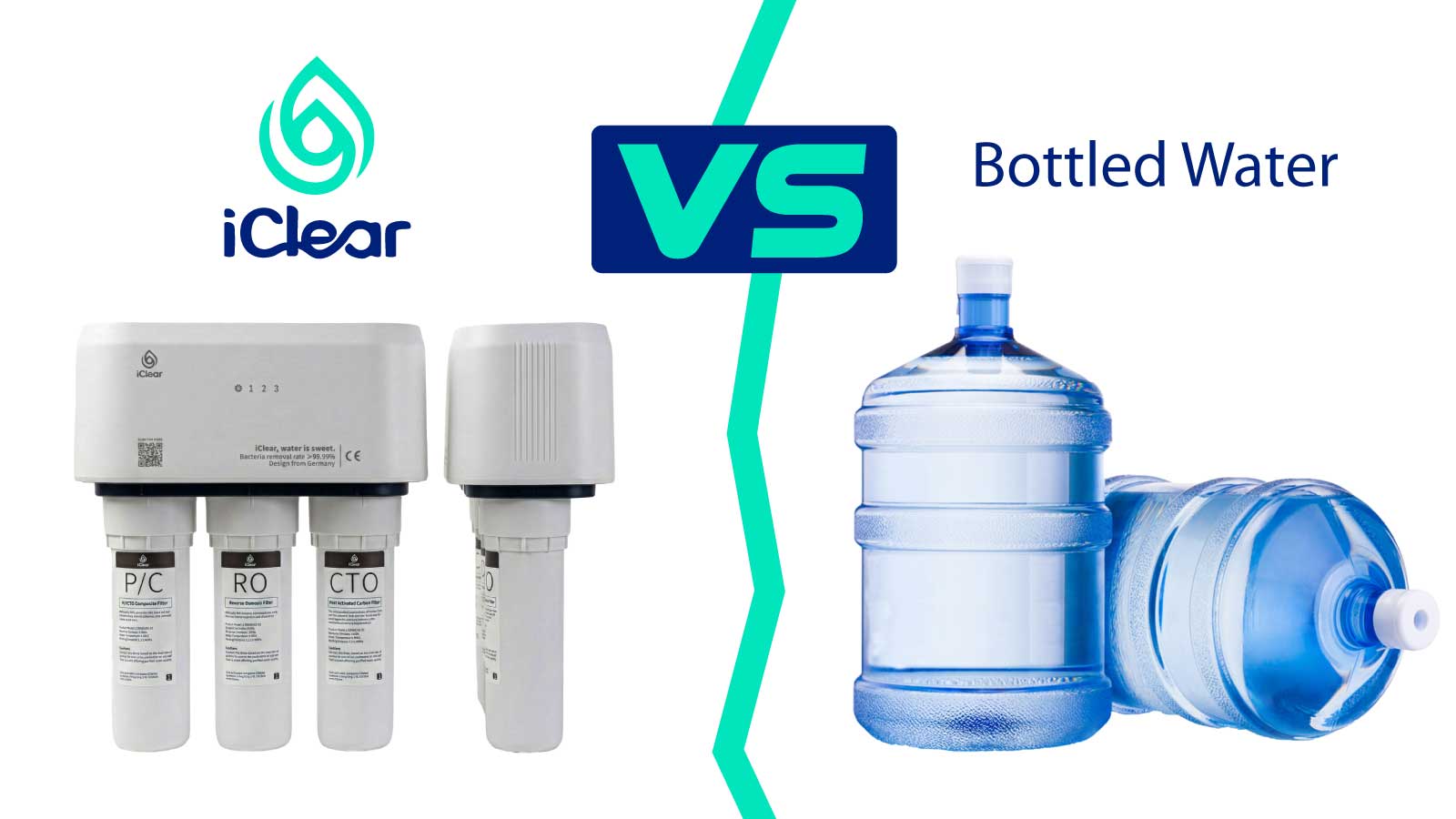
Over five years, a household buying bottled or dispenser water typically spends far more than the one-time cost of an RO system. At KSh 3,000 to 8,000 a month, bottled water reaches KSh 180,000 to 480,000 in five years against a one-time purifier cost. The monthly spend most families overlook A typical Kenyan household spending on bottled or dispenser water lands somewhere between KSh 3,000 and KSh 8,000 a month, depending on family size and how much is used for drinking and cooking. Because it is spent a little at a time, it rarely registers as a major cost. But it does not stop. It repeats every month, for as long as the household exists. The 5-year comparison Extended over five years, the monthly habit becomes a substantial figure: At KSh 3,000 a month: KSh 36,000 a year, and KSh 180,000 over five years. At KSh 8,000 a month: KSh 96,000 a year, and KSh 480,000 over five years. Against that, a one-time iClear Standard purifier is KSh 25,000, with free delivery and professional installation included in Nairobi and Nakuru. Even adding the modest, scheduled cost of replacement filters over the years, the total remains a small fraction of the bottled-water figure. The gap is not close. When an RO system pays for itself On these numbers, the purifier pays for itself in roughly four to eight months of what the household was already spending on bottled water. Everything after that point is money the family keeps. Over five years, the saving runs into the hundreds of thousands of shillings for most households, which is why iClear's own estimate is that customers save up to 80% compared with buying water. The honest way to judge a purifier's price is not against zero. It is against what you are already spending on water every month and will keep spending. Measured that way, the purifier is the cheaper option, not the expensive one. What the comparison leaves out To keep this fair, an RO system does carry ongoing costs: replacement filters on a schedule, and occasional servicing. These are real, and they are built into the small print of the comparison above rather than hidden. They are also modest and predictable, and iClear schedules and supports them. Even with these included, the five-year total for a purifier stays far below the bottled-water total. The comparison survives an honest accounting. The convenience factor, honestly weighed Bottled and dispenser water has one genuine advantage: someone else handles it. A purifier asks you to have it installed and its filters changed. But it also removes the recurring chores of buying, carrying, storing, and running out of water. Most households find the balance tips clearly toward the purifier once the money is on the table, because the convenience of never running out, and never buying again, outweighs the one-time setup. FAQ Q: Is a water purifier cheaper than buying bottled water in Kenya? A: Over time, yes, and by a wide margin. A household spending KSh 3,000 to 8,000 a month on bottled water spends KSh 180,000 to 480,000 over five years, against a one-time KSh 25,000 for an iClear Standard plus modest filter costs. Q: How long does it take for an RO system to pay for itself? A: Roughly four to eight months of what a household already spends on bottled water. After that point, the money previously spent on water is saved, adding up to hundreds of thousands of shillings over five years for most families. Q: What are the ongoing costs of an RO purifier? A: Scheduled replacement filters and occasional servicing, both modest and predictable, and both scheduled and supported by iClear. Even including these, the five-year cost stays far below buying bottled or dispenser water. Stop paying monthly for water you can own once. Free delivery and professional installation in Nairobi and Nakuru. Visit the iClear shop. Keywords: bottled water vs ro cost kenya, water purifier cost kenya, bottled water cost, ro system savings, iClear Kenya, water purifier price kenya
Quick Answer: The 10 Points: 1. Know your water source. 2. Match the technology to the source. 3. Verify KEBS certification. 4. Confirm what the price includes. 5. Check installation terms. 6. Match capacity to household size. 7. Confirm filter replacement costs and schedule. 8. Check the warranty in writing. 9. Verify after-sales support exists. 10. Fit the machine to your living situation. Details on each below. 1. Know your water source first Borehole, municipal, rainwater, or a mix: every buying decision follows from this. Our field data shows Kenyan borehole water routinely carries 450 to 600 ppm TDS in towns like Kitengela and Kajiado, and Rift Valley fluoride above 8.75 mg/L against a 1.5 mg/L WHO limit. Municipal water carries different risks: pipes, chlorine, and storage tank contamination. 2. Match the technology to the source Carbon and ceramic handle taste and sediment. UV handles microbes. Only Reverse Osmosis removes fluoride, dissolved salts, and heavy metals. If your water includes any borehole component, RO is the requirement, not the upgrade. 3. Verify KEBS certification with documentation Ask for the certification paperwork, not a verbal assurance. KEBS certification means the Kenya Bureau of Standards has independently tested the product. Every iClear product carries it; any credible provider can show theirs. 4. Confirm exactly what the price includes The single biggest hidden cost in the Kenyan market is installation quoted separately from the machine. Get the total installed price in writing before comparing anything. iClear's 2026 prices (Standard KSh 25,000, Desktop KSh 40,000, Premier KSh 49,000, Office KSh 90,000 per year) all include delivery and professional installation in Nairobi, its environs, and Nakuru. 5. Check who installs it and how An incorrectly installed RO system leaks, underperforms, or fails early. Confirm the installer is trained on the specific system, not a general plumber seeing it for the first time. A standard iClear home installation takes 30 to 45 minutes and is done by iClear's own technicians. 6. Match capacity to your household Undersized systems bottleneck; oversized ones waste money. As a guide: 1 to 3 people suit a 4-litre portable unit, typical families a standard plumbed system, households of 8 to 15 need high-capacity output like the Premier's 7,200 litres per day, and offices of 20 to 30 need continuous-flow systems. 7. Confirm filter replacement costs and schedule before buying Every purifier needs scheduled filter changes. Ask for the replacement schedule and prices upfront. When iClear technicians open filters that were never serviced, they find years of accumulated sediment, rust, and expired cartridges: the machine kept dispensing while the protection quietly ended. 8. Get the warranty in writing iClear home systems carry a 1-year warranty. Whatever brand you buy, confirm the warranty terms in writing and be sceptical of any provider that cannot produce clear documentation. 9. Verify the after-sales support is real Call the support line before you buy, not after. A provider you cannot reach as a prospect will not be easier to reach as a customer. iClear provides ongoing maintenance support across its range, with servicing every four months built into the office agreement. 10. Fit the machine to your living situation Homeowners: plumbed under sink systems (Standard or Premier) give the best capacity and cost per litre. Renters: the no-plumbing Desktop moves with you. Offices: the bottleless Office system replaces the cooler and its costs entirely. Key Finding: Nine of these ten points can be verified before you spend a shilling: the source test, the certification papers, the installed price, the installer, the capacity spec, the filter schedule, the warranty, the support line, and the fit. The only point that requires trust is the technology working as claimed, and that is exactly what KEBS certification exists to verify for you. FAQ Q: What should I check before buying a water purifier? A: Ten things: your water source, the matching technology, KEBS certification, the all-inclusive price, installation terms, capacity fit, filter replacement schedule and cost, written warranty, reachable after-sales support, and fit to your living situation (owned home, rental, or office). Q: What is the most common mistake buyers make? A: Comparing machine prices without confirming what they include. A cheaper machine with paid installation, unpriced filters, and no support routinely costs more within a year than a complete offer like iClear's, where delivery, installation, and warranty are inside the listed price. Q: Which purifier should a first-time buyer in Kenya choose? A: For a typical owned home, the iClear Standard (KSh 25,000, installed free in Nairobi and Nakuru) covers borehole, salty, and municipal water with full RO and a 1-year warranty. Renters should start with the portable iClear Desktop instead. Buy once, buy right. Free delivery and professional installation in Nairobi and Nakuru. Visit the iClear shop. Keywords: points to be considered while buying water purifier, buying water purifier Kenya, water purifier buying guide, how to choose water purifier, iClear Kenya, water purifier Kenya
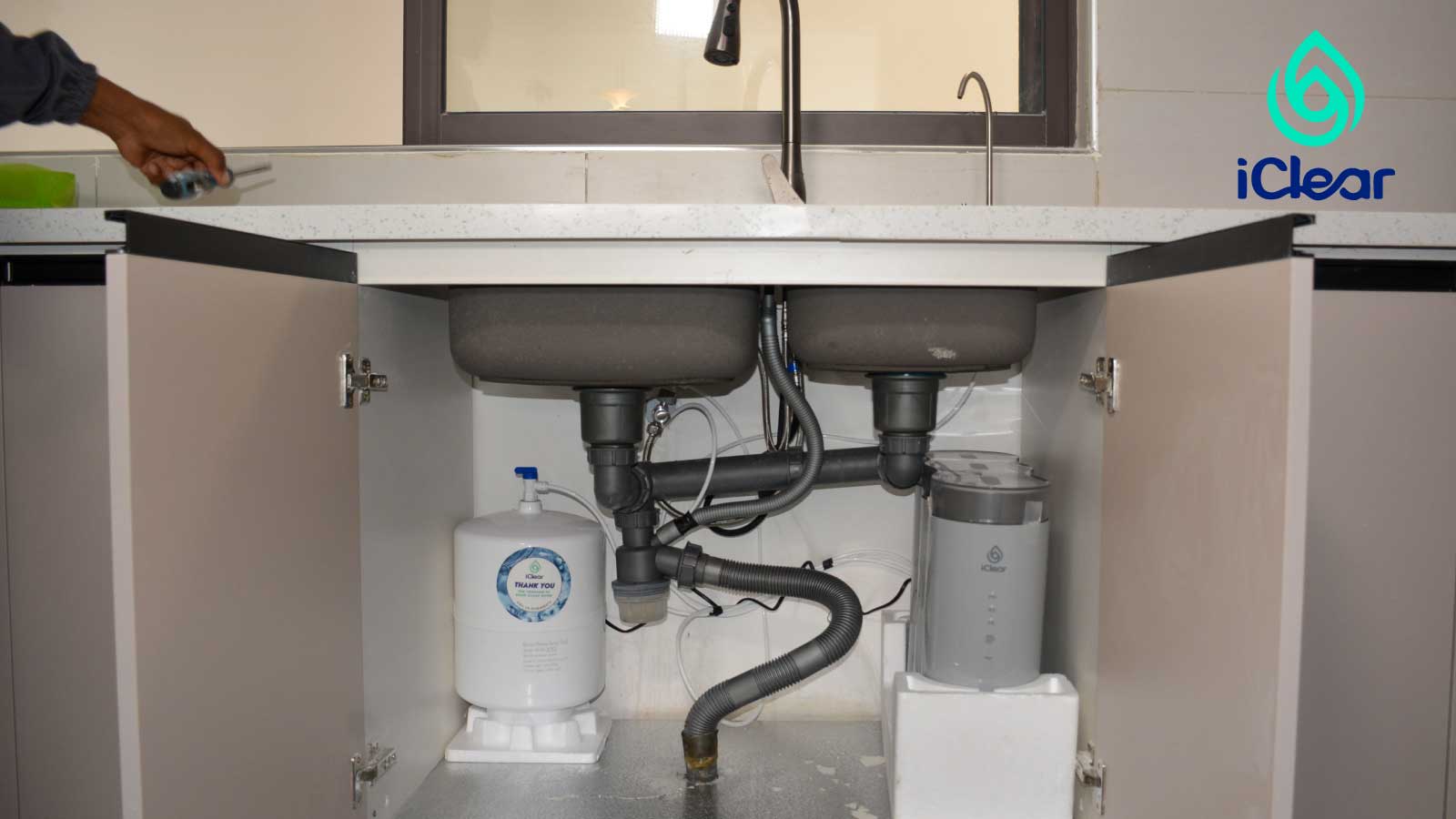
Quick Answer An under sink water purifier installs inside your kitchen cabinet and delivers purified water through a dedicated tap, keeping the machine invisible and your counter clear. It is the right choice for homeowners who want permanent, high-capacity purification. In Kenya, the iClear Standard (KSh 25,000) and iClear Premier (KSh 49,000) both install under sink, with free professional installation in Nairobi and Nakuru taking 30 to 45 minutes. Renters who cannot modify plumbing should look at the countertop iClear Desktop instead. How an under sink purifier works The system sits inside the cabinet under your kitchen sink: the multi-stage filter unit, the RO membrane, and a pressure storage tank. It connects to your cold water line, purifies continuously, and stores ready-purified water in the tank so it flows instantly when you open the dedicated tap. Everything is out of sight; the only visible change in your kitchen is one small extra tap. This is exactly the configuration iClear installs in homes, schools, and institutions across Kenya. The recent iClear installation at Baobab School placed Premier units under counters, each with its filter unit and pressure tank neatly inside the cabinet, serving purified water to 90 children daily without occupying a single inch of working space. Highest capacity of any home format: the Premier delivers 7,200 litres per day from under a counter. Invisible and permanent: no counter clutter, no daily refilling, purified water on tap. Best cost per litre of any home option over time. Where they are the wrong choice Rented homes where you cannot modify plumbing: choose a countertop unit instead. Homes with no power socket reachable from the sink cabinet: an electrician visit may be needed first. Extremely tight cabinets: the tank and filter unit need workable space, which the installation assessment confirms before any work starts. Key Finding: The most common cause of a home installation running past the standard 30 to 45 minutes is unexpected plumbing conditions inside the sink cabinet. iClear's technicians assess the space, the inlet, and the socket position before touching anything, and flag any existing issues they find. Under sink vs countertop: the quick comparison Factor Under sink (Standard / Premier) Countertop (Desktop) Installation Professional, free, 30 to 45 min None; plug and use Plumbing changes Yes, minor None Capacity High to very high 4-litre tank Counter space used None Small footprint Hot water No (pairs with kettle) Instant, 6 settings Right for Homeowners, families Renters, small households FAQ Q: How much does an under sink water purifier cost in Kenya? A: The iClear Standard under sink system costs KSh 25,000 and the high-capacity Premier KSh 49,000, both including free delivery and professional installation in Nairobi, its environs, and Nakuru, plus a 1-year warranty. Q: Does an under sink purifier work with borehole water? A: The iClear Standard is designed specifically for borehole, salty, rain, and municipal water. Its RO membrane removes the dissolved salts and fluoride that define Kenyan borehole water, including the 450 to 600 ppm TDS readings common in towns like Kitengela and Kajiado. Q: Can I install an under sink purifier in a rented house? A: Usually not without landlord permission, since it requires a minor plumbing connection. The countertop iClear Desktop delivers the same RO purification with zero plumbing and moves with you. Get purified water on tap, out of sight. Free delivery and professional installation in Nairobi and Nakuru. Visit the iClear shop. Keywords: under sink water purifier, undersink water purifier, under sink RO Kenya, under counter water purifier, iClear Standard, iClear Kenya, water purifier Kenya
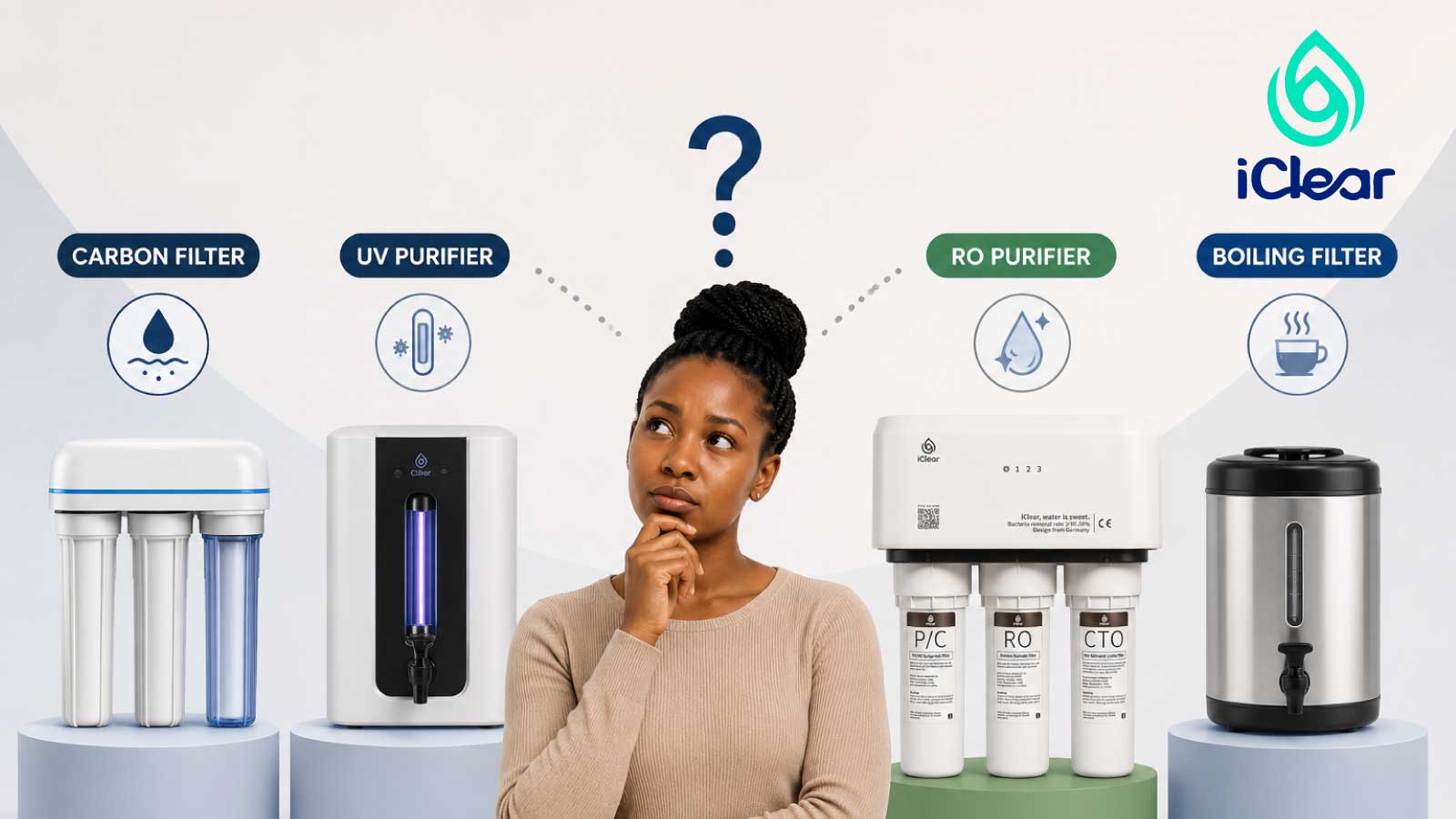
Quick Answer Water purification machines in Kenya fall into four working types: boiling and basic filtration (cheapest, weakest), carbon and ceramic filters (taste and sediment), UV purifiers (microbes only), and Reverse Osmosis machines (the only type that removes fluoride, salts, metals, and microbes together). Genuine domestic RO machines run from KSh 25,000 to KSh 49,000 in 2026; office machines from KSh 90,000 per year. For most Kenyan water sources, RO is the type that actually solves the problem. The four types, honestly compared Every purification machine on the Kenyan market uses one or more of a handful of technologies. This matrix scores each one against the five contaminant categories our field team encounters across Kenya: Figure 1: Every technology scored against every contaminant category. Only Reverse Osmosis clears all five. The pattern is stark. Boiling and UV handle microbes and nothing dissolved. Carbon and ceramic handle taste and sediment. Reverse Osmosis is the only machine type that clears all five categories, which is why it is the standard recommendation for borehole and mixed-source homes. Key Finding: Our field readings explain why the dissolved categories matter so much in Kenya: borehole TDS from 450 to 600 ppm in Kitengela and Kajiado, and fluoride above 8.75 mg/L in the Rift Valley against a WHO limit of 1.5 mg/L. A machine that cannot remove dissolved contaminants is not purifying Kenyan borehole water. It is decorating it. Domestic water purification machines in Kenya For household use, the practical 2026 options are plumbed RO machines and portable RO machines. Plumbed: the iClear Standard (KSh 25,000) for typical households and the iClear Premier (KSh 49,000, 7,200 litres per day) for 8 to 15 people, both installed free by iClear technicians in Nairobi, its environs, and Nakuru. Portable: the iClear Desktop (KSh 40,000), a plug-in RO machine with instant hot water and no plumbing, suited to renters and small households. Commercial and office purification machines For workplaces, the iClear Office machine (KSh 90,000 per year) is a bottleless RO and UV system serving 20 to 30 staff with unlimited hot and cold purified water, free installation, and free servicing every four months. Beyond offices, commercial-scale machines for water vending businesses and institutions are a separate market served by industrial equipment providers, with different capacities and price brackets entirely. Inside a purification machine: the iClear Office unit's filter train and pressure tank behind the service door. Running costs: what a machine costs after you buy it Electricity: modern RO machines are low-consumption; the Desktop is designed for continuous countertop use without a meaningful bill impact. Filter replacements: scheduled, modest, and supported across the iClear range. Budget for them; skipping them is how machines fail. Servicing: included every four months on the iClear Office agreement; available on request for home systems. Set against the KSh 36,000 to 96,000 a bottled-water household spends every year, the total running cost of an RO machine remains a fraction of the alternative. FAQ Q: What is the best water purification machine in Kenya? A: For homes, a KEBS-certified Reverse Osmosis machine, because it is the only type that removes fluoride, dissolved salts, heavy metals, and microbes together. iClear's domestic RO machines run from KSh 25,000 to KSh 49,000 with free installation in Nairobi and Nakuru. Q: How much is a water purification machine in Kenya? A: Domestic RO machines: KSh 25,000 (iClear Standard) to KSh 49,000 (iClear Premier), portable KSh 40,000 (iClear Desktop). Office machines: KSh 90,000 per year including quarterly servicing. Basic carbon or ceramic units cost less but do not remove dissolved contaminants. Q: Do purification machines work on borehole water? A: RO machines do; most others do not. Borehole water in our field tests carries TDS up to 600 ppm and fluoride far above the WHO limit, both of which pass straight through carbon, ceramic, UV, and boiling. iClear's RO machines are built specifically for these borehole conditions. Match the right machine to your water. Free delivery and professional installation in Nairobi and Nakuru. Visit the iClear shop. Keywords: water purification machine, water purifier machine, purifier water machine, domestic water purifiers in kenya, water purification machine Kenya, iClear Kenya

Quick Answer The right water filter for your home depends on three things: your water source (borehole water needs Reverse Osmosis; nothing less removes its fluoride and salts), your household size (which sets the capacity you need), and whether you can modify plumbing (renters need portable units). For most Kenyan homes, that points to a KEBS-certified RO system: the iClear Standard at KSh 25,000 for typical households, the Premier at KSh 49,000 for 8 to 15 people, or the no-plumbing Desktop at KSh 40,000 for renters. Start with your water source, not the filter The most common mistake Kenyan buyers make is choosing a filter first and checking their water second. Our field measurements show why that fails: the water arriving in Kenyan homes varies enormously by source and by town. Borehole water: expect elevated TDS (450 to 600 ppm in Kitengela and Kajiado) and, across the Rift Valley, fluoride that our team has measured above 8.75 mg/L. Only RO handles both. Municipal water: generally lower TDS, but bacteria from ageing pipes, chlorine residues, and above all storage tank contamination between the supply and your tap. Rainwater: clean at the cloud, contaminated by the roof, gutters, and tank it passes through. Treat it as untrusted until filtered. Match the capacity to your household Household Right iClear fit Why 1 to 3 people, or renting Desktop (KSh 40,000) 4-litre tank, no plumbing, portable, instant hot water Typical family, own home Standard (KSh 25,000) Full plumbed RO with pressure tank; the best value in the range 8 to 15 people Premier (KSh 49,000) 100 gallons (7,200 litres) per day keeps up with heavy daily use Office of 20 to 30 Office (KSh 90,000/yr) Continuous flow, hot and cold, servicing included Inside the iClear Premier: three quick-change filter cylinders sized for high daily throughput. The checks that protect your purchase KEBS certification, verified with documentation, not a verbal claim. Every iClear product carries it. Installation included and performed by trained technicians. iClear includes free professional installation in Nairobi, its environs, and Nakuru; a standard install takes 30 to 45 minutes. A real after-sales structure: scheduled filter replacements and reachable support. A filter that is never serviced eventually becomes a contamination source itself. Key Finding: When iClear technicians open old, unserviced home filters, they routinely find accumulated sediment, rust particles, silt, and cartridges left unchanged for years. The filter you choose matters; the servicing behind it matters just as much. FAQ Q: Which water filter is best for home use in Kenya? A: For homes on borehole or mixed sources, a KEBS-certified Reverse Osmosis system, because it is the only type that removes fluoride, dissolved salts, heavy metals, and bacteria together. The iClear Standard (KSh 25,000, installation included) is the strongest fit for typical households. Q: Can I install a home water filter myself? A: Portable units like the iClear Desktop need no installation at all. Plumbed RO systems should be professionally installed: incorrect setup causes leaks, pressure problems, and underperformance. iClear includes free professional installation in Nairobi and Nakuru with every plumbed system. Q: How often do home water filters need servicing? A: Filter cartridges have defined lifespans, typically months, and RO membranes need periodic checks. iClear schedules replacements and provides support across its range, so servicing does not depend on the homeowner remembering. Choose the right filter for your home and your water. Free delivery and professional installation in Nairobi and Nakuru. Visit the iClear shop. Keywords: water filter for home, water filters for home, home water filter Kenya, water filter system, water filter machine, iClear Kenya, water purifier Kenya
 Health & Wellness
 Water Quality Insights
 Health & Wellness