How Water Quality Affects the Taste of Your Tea and Coffee
02, Nov 2026
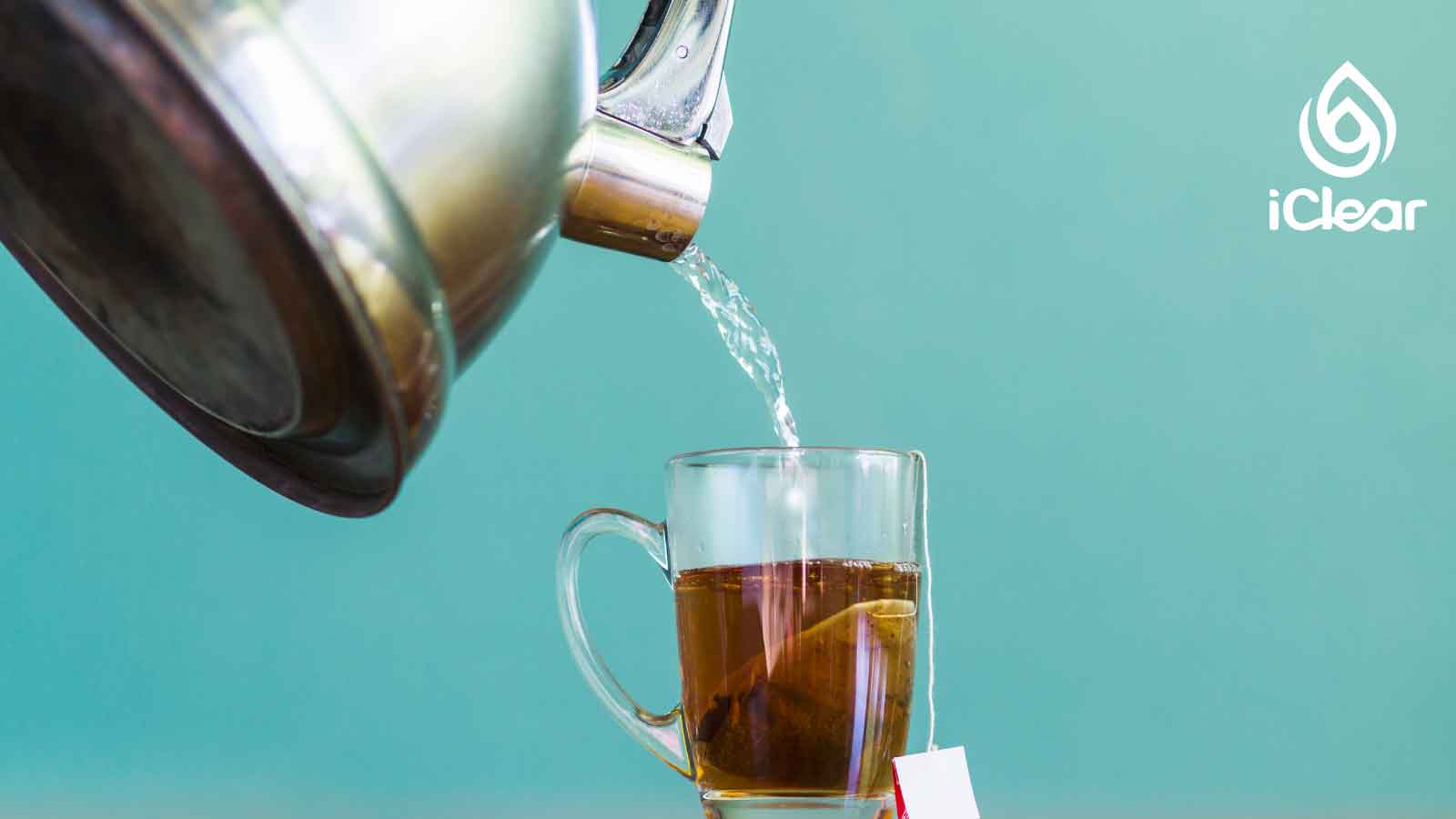
The Specialty Coffee Association recommends water with a TDS of 75 to 250 mg/L and a pH of 6 to 8 for optimal extraction. Hard water causes scale and produces flat, bitter flavours; soft water over-extracts and turns astringent.
Kenya is home to some of the world's most celebrated teas, Kenyan orthodox from Nandi Hills, Kericho and Limuru, and a growing specialty coffee scene from Nyeri, Kiambu and Mount Elgon estates. The complexity of these flavours, however, can be dramatically suppressed by the water used to brew them. In areas with high mineral content or chlorinated municipal water, the full character of a premium Kenyan tea or single-origin espresso simply does not come through.
Both tea and coffee extraction are chemical processes where water molecules carry flavour compounds, oils and aromatic molecules out of the leaf or ground bean. The mineral content and pH of the water directly affect which compounds are extracted and in what proportion:
Nairobi municipal water has a TDS averaging 180–280 mg/L and is chlorinated to a residual of 0.2–0.5 mg/L. The hardness (primarily calcium carbonate) tends toward the medium-high range. This means:
|
Parameter |
Recommended Range (SCA) |
Nairobi Municipal Typical |
Effect if Outside Range |
|
TDS |
75–250 mg/L |
180–280 mg/L |
At high TDS, flattens extraction |
|
pH |
6.5–8.0 |
6.8–7.5 |
Low pH: sour/sharp; high pH: flat/bitter |
|
Calcium hardness |
51–68 mg/L as CaCO₃ |
100–200 mg/L |
High: mutes fruity notes; causes scale |
|
Chlorine |
0 mg/L (non-detectable) |
0.2–0.5 mg/L |
Even trace amounts alter aroma |
A multi-stage RO system with a mineralisation stage produces water in the ideal TDS range (50–150 mg/L post-remineralisation), removes all detectable chlorine, and reduces hardness to a level that allows full flavour expression. Professional baristas in Nairobi's specialty cafes have adopted RO-filtered water precisely because it produces consistent, balanced extraction regardless of what the municipal supply delivers that day.
Brew better with better water
iClear's mineralisation stage produces water at the ideal TDS and pH for Kenyan tea and specialty coffee. Find out more.
Keywords: water quality tea coffee Kenya, filtered water coffee Nairobi, RO water coffee brewing, Kenyan coffee water chemistry

Water Purification & Treatment Specialists
David Ochieng, a water purification specialist at iClear Wellife Services Ltd, has extensive experience delivering safe and reliable water treatment solutions for homes and offices across Kenya.