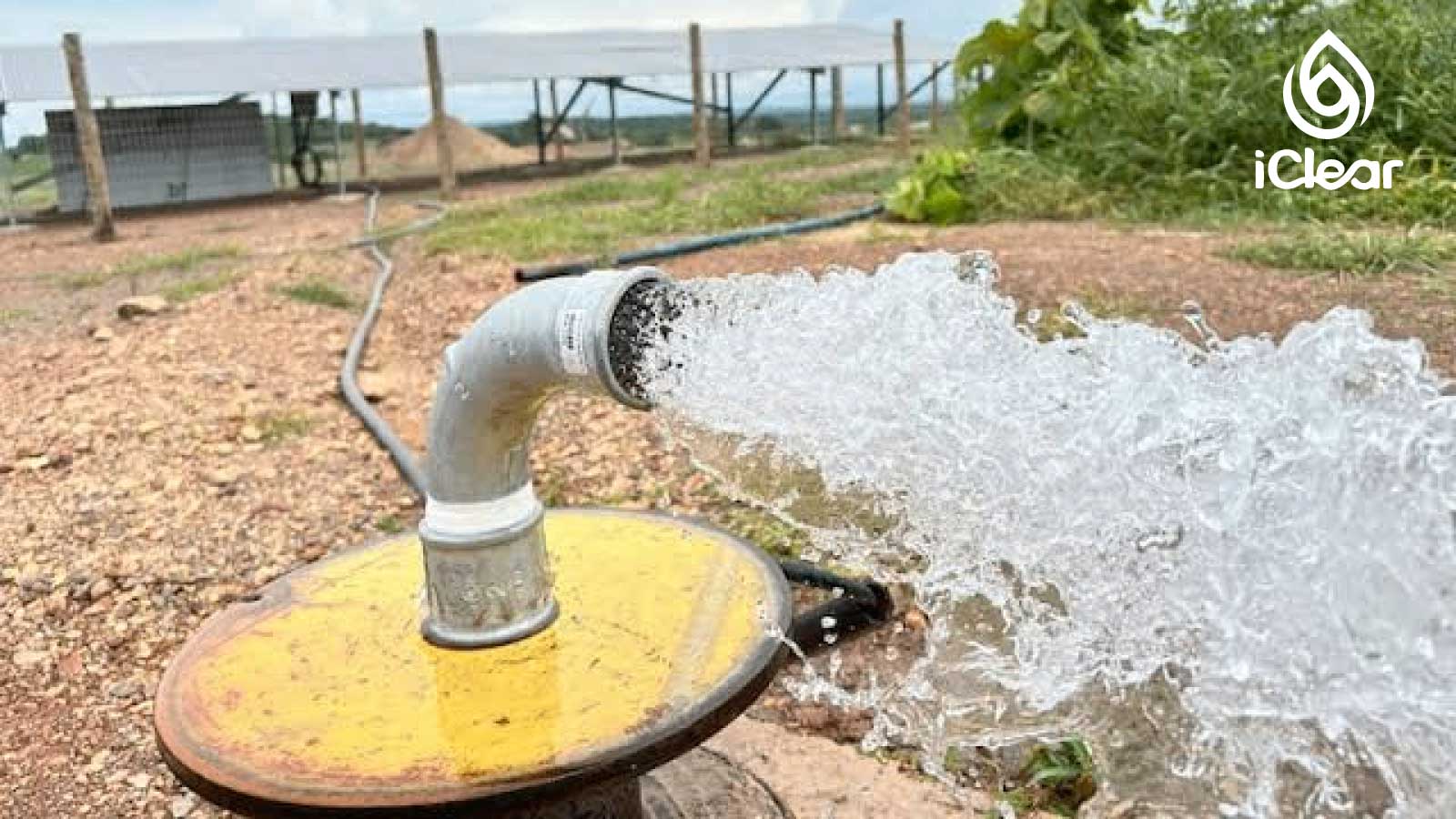
Borehole water is one of the most reliable water sources across Kenyan homes, schools, and businesses—especially where municipal supplies are inconsistent. However, access to groundwater is not the same as access to safe drinking water. Ground aquifers collect heavy minerals, salts, and microorganisms as water seeps through soil layers, producing water that appears crystal-clear while holding invisible health risks. Why Underground Water Needs Purification & Testing Untreated borehole water frequently contains fluoride, iron, manganese, high Total Dissolved Solids (TDS), nitrates, and coliform bacteria. Because single filters only target specific impurities, treatment must match your exact water composition. Before purchasing equipment, conduct a comprehensive water test to measure: Physical & Chemical Parameters: pH, turbidity, TDS, hardness, and salinity. Specific Contaminants: Fluoride, iron, manganese, nitrates, chlorides, and sulphates. Biological Risks: Coliform bacteria and E. coli. The Limits of Boiling Water While boiling neutralizes microbiological threats like bacteria, it does not remove dissolved solids, heavy metals, fluoride, or salts. In fact, prolonged boiling evaporates pure water, increasing the concentration of dissolved chemical contaminants. Chemically complex water requires engineered physical filtration. Multi-Stage Treatment Breakdown Proper purification relies on sequential treatment stages: Sediment Filtration: Captures physical particles like sand, rust, and silt to protect downstream filters. Activated Carbon Filtration: Absorbs chlorine, organic compounds, and bad odors while improving taste. Reverse Osmosis (RO): Forces water through a semi-permeable membrane to eliminate dissolved salts, heavy metals, and fluoride. UV Disinfection: Uses ultraviolet light to neutralize bacteria and viruses without chemical additives. The iClear Borehole Solution The iClear Standard RO Water Purifier (priced at KSh 25,000) is tailored for Kenyan households dealing with salty or high-mineral borehole water. System Specs: Combines sediment, carbon, and RO filtration with a 4,000-liter capacity—ideal for households of 3 to 5 people. Water Compatibility: Designed for transparent borehole water with a TDS reading below 750. Service Coverage: Includes nationwide delivery and free professional installation in Nairobi, its environs, and Nakuru. Warning Signs Your Water Needs Immediate Treatment Do not wait for water to turn dirty. Seek immediate testing and purification if you notice: A salty, metallic, or chemical taste Scaling and white mineral crusting on kettles, taps, and appliances Yellow, brown, or cloudy discoloration Sudden changes in local groundwater quality or surrounding environment

Rongai relies heavily on borehole water, and its quality varies borehole to borehole. A TDS reading tells you how much dissolved material is in your water: below 300 ppm is excellent, above 600 ppm signals significant dissolved contamination that Reverse Osmosis can remove. What TDS actually measures TDS stands for Total Dissolved Solids: everything dissolved in your water, including salts, minerals, and metals. It is one of the most useful single indicators of water quality, because it captures what you cannot see. A rough guide: Below 300 ppm: generally excellent for drinking water. 300 to 600 ppm: acceptable, with rising concern toward the top of the range. Above 600 ppm: significant dissolved contamination, better treated. Above 1,000 ppm: not recommended for drinking without treatment. Why Rongai boreholes vary Borehole water is not uniform across an area. Two boreholes a short distance apart in Rongai can give different readings depending on depth, the local geology they draw from, and the age and condition of the borehole itself. This is why a general statement about Rongai water is less useful than testing your specific borehole. What is consistent is that borehole water tends to carry more dissolved material than treated municipal supply, so a reading worth checking is likely. Editor note: Insert measured TDS readings for Rongai boreholes from iClear's field data or from installations in the area. If specific Rongai figures are not yet recorded, note that they should be gathered, and reference the measured ranges from comparable nearby borehole areas rather than inventing a Rongai-specific number. What high TDS means for your family If your Rongai borehole reads high, it means your family is drinking and cooking with water carrying a heavy dissolved load: salts, minerals, and possibly fluoride, depending on the local geology. Over time, high-TDS water can taste mineral or salty, leave scale on kettles and appliances, and place a sustained load on the body. None of it is visible in a clear glass, which is exactly why the number matters more than the look. What to do about it If your reading is high, Reverse Osmosis is the household answer. It reduces TDS dramatically, commonly by 90% or more, taking a borehole reading of 600 ppm down below 50 ppm. The iClear Standard is designed for the borehole conditions common across Nairobi's growth areas, and installs under the sink with free professional installation. For renters in Rongai's many apartments, the portable iClear Desktop delivers the same RO purification without plumbing. The first step with any borehole is not to buy anything. It is to know your number. Once you know your TDS, the decision makes itself: a low reading is reassuring, and a high one has a clear, proven solution. FAQ Q: What is a good TDS level for drinking water? A: Below 300 ppm is generally excellent. From 300 to 600 ppm is acceptable with rising concern at the top of the range, and above 600 ppm signals significant dissolved contamination that is better treated. Above 1,000 ppm is not recommended without treatment. Q: How do I check my Rongai borehole water quality? A: Have the water tested for TDS and, ideally, specific contaminants like fluoride. A TDS reading is the quickest single indicator. iClear can measure this as part of assessing your water before recommending a solution. Q: How do I lower high TDS in borehole water? A: Reverse Osmosis reduces TDS dramatically, commonly by 90% or more. An RO system like the iClear Standard takes a high borehole reading down to a low, clean level. Boiling and basic filters do not reduce dissolved solids. Know your Rongai water number, then fix it. Free delivery and professional installation in Nairobi and Nakuru. Visit the iClear shop. Keywords: rongai borehole water, rongai water quality, tds borehole water kenya, rongai water purifier, borehole water testing, iClear Kenya
A water dispenser and a water purifier are not the same. A dispenser stores and serves water at different temperatures but does not clean it. A purifier removes contaminants. Only a purifier changes what is in the water. The one-line difference A dispenser changes the temperature of your water. A purifier changes what is in it. That is the whole distinction, and everything else follows from it. If your only need is hot or cold water on demand, a dispenser does that. If you need the water to actually be cleaner, a dispenser does nothing for you, and only a purifier will. What a dispenser actually does A water dispenser stores water, from a bottle or a tank, and serves it hot, cold, or at room temperature. It is a convenience appliance. It does not filter, and it does not purify. Whatever quality of water you put into it is the quality of water it gives back, at your chosen temperature. Its own reservoir and taps, if not regularly cleaned, can even add contamination over time rather than remove any. What a purifier actually does A water purifier removes contaminants from the water. A Reverse Osmosis purifier, the type built for Kenyan conditions, removes bacteria, dissolved salts, fluoride, heavy metals, and sediment by forcing water through a membrane fine enough to block them. The water that comes out is genuinely different from the water that went in. Every iClear system is a purifier in this sense, and the iClear Desktop combines both jobs, purifying the water and then dispensing it hot or cold, so you are not choosing between clean and convenient. Where the confusion comes from The confusion is understandable. Both machines sit on a counter, both give you water, and marketing often blurs the line. Some dispensers are described in ways that imply they clean the water when they only cool or heat it. The test is simple: ask whether the machine removes anything from the water. If it only changes the temperature, it is a dispenser, whatever it is called. If a machine only makes your water hotter or colder, it is a dispenser. If it removes what is in the water, it is a purifier. A single unit can do both, but temperature control alone is never purification. Which one your home needs If your water is already genuinely clean and you only want it hot or cold, a dispenser suffices. For most Kenyan homes, where borehole and stored water carry dissolved salts, fluoride, or contamination that the eye cannot see, a purifier is what actually addresses the problem. And if you want both clean water and the convenience of instant hot and cold, a combined purifier-dispenser gives you the whole thing in one machine, which is why it is the option many households settle on. FAQ Q: What is the difference between a water dispenser and a water purifier? A: A dispenser stores and serves water at hot or cold temperatures but does not clean it. A purifier removes contaminants such as bacteria, dissolved salts, and fluoride. Only a purifier changes what is in the water. Q: Do I need a dispenser or a purifier? A: If your water is already clean and you only want it hot or cold, a dispenser is enough. If you want the water to be genuinely cleaner, you need a purifier. A combined purifier-dispenser does both in one unit. Q: Can one machine both purify and dispense water? A: Yes. A combined purifier-dispenser, such as the iClear Desktop, purifies water through Reverse Osmosis and then dispenses it hot, cold, or at room temperature, so you get clean water and convenience together. Get clean water and convenience in one machine. Free delivery and professional installation in Nairobi and Nakuru. Visit the iClear shop. Keywords: water dispenser vs water purifier, difference dispenser purifier, water purifier or dispenser, iClear Kenya, water purifier kenya
Water quality can change between bottling and delivery. Time in storage, exposure to heat during transport, and how long stock sits in inventory before sale all affect what reaches you, which is why the label date is not the whole story. The journey from source to your glass Water rarely goes straight from treatment to your table. It is bottled or filled, then stored, then loaded, then transported, then stored again at a shop or depot, then finally delivered or bought. Each of those steps takes time, and time under the wrong conditions is exactly what water quality is sensitive to. The sealed bottle protects against some things and not others. How storage time affects quality Water that sits in inventory for weeks or months is not necessarily unsafe, but it is not automatically pristine either. Prolonged storage, particularly in warm conditions, can allow any bacteria present to multiply and can allow interactions between the water and its container over time. The longer water waits before you drink it, the more the conditions of that wait matter. Heat and transport: the invisible variables Transport in a hot country is one of the least controlled parts of the chain. Water sitting in a vehicle, a metal-roofed store, or an outdoor stack can reach high temperatures for hours at a time. Heat accelerates bacterial growth in any water that is not perfectly sterile, and repeated heating and cooling stresses plastic containers. None of this is visible when the bottle finally reaches you looking exactly as it did when sealed. A sealed bottle tells you the water was clean when it was sealed. It does not tell you how many weeks it sat, how hot the store room was, or how long it travelled in a warm vehicle. The seal is a snapshot, not a guarantee of the whole journey. Inventory lag: how long water waits before delivery There is also the simple matter of how long stock waits before it is sold. Water bought in bulk, stored in a warehouse, and distributed over time can reach the customer well after it was bottled. The dispenser bottle delivered to a home or office may have spent a long time in inventory first. This is ordinary supply-chain reality, not misconduct, but it means the freshness a consumer assumes and the freshness they receive are not always the same. Why point-of-use purification removes the uncertainty Every one of these variables, storage time, transport heat, inventory lag, exists because the water is treated somewhere else and then travels to you. Purifying at the point of use removes the entire journey from the equation. The water is treated in your own home, moments before you drink it, so what happened in a warehouse or a delivery vehicle no longer matters. The iClear Standard and the portable iClear Desktop both purify at the point of use, which is the one place in the chain you actually control. Every risk in the storage-and-delivery chain shares one cause: distance between where the water is treated and where you drink it. Point-of-use purification closes that distance to zero. FAQ Q: Does bottled water go bad in storage? A: Water itself does not spoil like food, but prolonged storage, especially in heat, can allow bacterial growth and interaction between the water and its container. Storage conditions and time both affect the quality of what you eventually drink. Q: Does heat affect bottled water during transport? A: Yes. Heat accelerates bacterial growth in water that is not perfectly sterile and stresses plastic containers. Water transported or stored in hot conditions can differ from how it was when first sealed, without any visible sign. Q: How can I avoid storage and delivery risks with my water? A: Purify at the point of use. Treating water in your own home, right before drinking, removes the storage, transport, and inventory variables entirely, because the water no longer has to travel to you after treatment. Remove the journey from your water. Free delivery and professional installation in Nairobi and Nakuru. Visit the iClear shop. Keywords: water storage contamination, water transport quality, bottled water storage, water delivery kenya, point of use purification, iClear Kenya
Borehole water in Syokimau and Athi River often tastes salty because the groundwater in this area carries elevated dissolved minerals and salts. Boiling and basic filters do not remove them; only Reverse Osmosis reduces the dissolved salts that cause the taste. Why the water tastes salty here The saltiness is not imagination and it is not dirt. It is dissolved minerals and salts that the groundwater picks up from the geology of the Athi River basin. These dissolved solids raise what is measured as TDS, Total Dissolved Solids, and above a certain level the water takes on a noticeably salty or mineral taste. Because the salts are dissolved, the water can look perfectly clear while still tasting strongly of them. Why boiling and basic filters do not help This is the frustrating part for many families here. The usual fixes do nothing for salty water: Boiling: removes bacteria but leaves every dissolved salt behind, and by evaporating water can make the taste stronger. Carbon and sediment filters: improve clarity and catch particles but do not touch dissolved salts. Softeners: address certain hardness minerals but are not a complete answer to the dissolved-salt load. The salts are dissolved at the molecular level, so removing them needs a technology that works at that level. What actually removes it Reverse Osmosis is the method that reduces dissolved salts. By forcing water through a fine membrane, RO blocks the salts, minerals, and other dissolved solids that cause the salty taste, typically cutting TDS by 90% or more. The water that comes out tastes clean rather than salty. The iClear Standard is built for exactly this kind of high-TDS borehole water and installs under the sink, while the portable iClear Desktop suits renters in the many Syokimau apartments where plumbing changes are not possible. The salty taste of Syokimau and Athi River borehole water is a dissolved-salt problem, and dissolved salts have one practical household solution: Reverse Osmosis. It is the difference between water you tolerate and water you actually want to drink. FAQ Q: Why does borehole water in Syokimau taste salty? A: Because the groundwater in the Athi River basin carries elevated dissolved minerals and salts, which raise the water's TDS and give it a salty or mineral taste. The salts are dissolved, so the water can look clear while tasting salty. Q: How do I remove the salty taste from borehole water? A: Reverse Osmosis removes the dissolved salts that cause the taste, typically cutting TDS by 90% or more. Boiling, carbon filters, and softeners do not fully remove dissolved salts. An RO system like the iClear Standard is the practical household solution. Q: Is salty borehole water safe to drink? A: High dissolved-salt levels affect taste and, over long-term consumption, can strain the body. It is better treated than tolerated. Reverse Osmosis reduces the dissolved salts and makes the water pleasant and safe to drink. Turn salty borehole water into water you want to drink. Free delivery and professional installation in Nairobi and Nakuru. Visit the iClear shop. Keywords: syokimau borehole water, athi river water salty, salty borehole water kenya, remove salt from water, syokimau water purifier, iClear Kenya
Bottled water feels cheaper because it is paid a little at a time, but over five years a Nairobi family typically spends KSh 180,000 to 480,000 on it. A one-time RO purifier at KSh 25,000, even with filter costs, is a small fraction of that, saving most families up to 80%. The monthly spend that hides in plain sight A typical Nairobi family spends between KSh 3,000 and KSh 8,000 a month on bottled or dispenser water, depending on household size and how much is used for drinking and cooking. Because it is spent in small amounts across the month, it rarely registers as a significant cost. But it repeats, every month, for as long as the household exists. The five-year picture Stretched across five years, the habit becomes a serious figure: At KSh 3,000 a month: KSh 36,000 a year, KSh 180,000 over five years. At KSh 5,000 a month: KSh 60,000 a year, KSh 300,000 over five years. At KSh 8,000 a month: KSh 96,000 a year, KSh 480,000 over five years. What the purifier costs over the same five years The iClear Standard is a one-time KSh 25,000, with free delivery and professional installation in Nairobi and Nakuru. Across five years you add the scheduled cost of replacement filters, which is modest and predictable. Even with filters included, the total stays a small fraction of the bottled-water figure. This is why iClear estimates customers save up to 80% compared with buying water. When it pays for itself On these numbers, the purifier pays for itself in roughly four to eight months of what the family was already spending on bottled water. Everything after that point is money the family keeps. A Nairobi family currently spending KSh 5,000 a month recovers the purifier's cost in about five months, and saves well over KSh 250,000 across the five years that follow. The honest way to judge the purifier's price is not against zero. It is against the KSh 180,000 to 480,000 the family will otherwise spend on water over the same five years. Seen that way, the purifier is the cheaper choice, not the expensive one. The convenience side, weighed honestly Bottled water does have one genuine advantage: someone else handles it. A purifier asks you to have it installed and its filters changed on schedule. But it also ends the buying, carrying, storing, and running-out that come with bottles. For most Nairobi families, once the five-year numbers are on the table, the balance tips clearly toward owning the purifier. FAQ Q: Is bottled water cheaper than a water purifier in Kenya? A: No, not over time. A Nairobi family spends KSh 180,000 to 480,000 on bottled water over five years. A one-time iClear Standard at KSh 25,000, even with filter costs, is a small fraction of that, saving most families up to 80%. Q: How much does a Nairobi family spend on bottled water? A: Typically KSh 3,000 to 8,000 a month, which is KSh 36,000 to 96,000 a year. Because it is paid in small amounts, it rarely registers as a major cost, but over five years it reaches KSh 180,000 to 480,000. Q: How quickly does a water purifier pay for itself? A: In roughly four to eight months of what a family already spends on bottled water. After that, the money previously spent on water is saved, adding up to hundreds of thousands of shillings over five years. Stop paying monthly for water you can own once. Free delivery and professional installation in Nairobi and Nakuru. Visit the iClear shop. Keywords: is bottled water cheaper, bottled water cost nairobi, water purifier cost savings, 5 year water cost kenya, iClear Kenya, water purifier price kenya
Kitengela borehole water is commonly high in dissolved salts and minerals, with TDS readings iClear has measured in the 450 to 600 ppm range. This gives the water a salty taste that boiling cannot fix. Reverse Osmosis reduces the dissolved salts and makes the water clean to drink. What families in Kitengela are finding The most common report from Kitengela households is a salty or mineral taste to the borehole water, one that survives boiling and filtering through a basic jug. Alongside the taste, families notice scale building up on kettles and appliances, and water that simply does not feel as clean as they expected. These are all signs of the same underlying cause: a high dissolved-solids load in the groundwater. The numbers behind the taste iClear's field team has measured borehole water in Kitengela and neighbouring Kajiado in the 450 to 600 ppm TDS range. To put that in context, drinking water below 300 ppm is generally considered excellent, while readings above 600 ppm signal significant dissolved contamination. Kitengela borehole water sits in the range where the dissolved load is high enough to taste and high enough to be worth removing. /Why boiling does not fix it This is the frustrating part for many Kitengela families. Boiling the water, the instinctive response, does nothing about the salty taste, because the salts are dissolved rather than suspended. Boiling removes bacteria, which matters, but it leaves every dissolved salt in place, and by evaporating some of the water it can make the taste slightly stronger. Basic carbon and sediment filters have the same limitation: they improve clarity but do not touch dissolved salts. What actually removes it Reverse Osmosis is the method that reduces dissolved salts. It forces the water through a membrane fine enough to block the salts and minerals causing the taste, typically cutting TDS by 90% or more, so a 550 ppm Kitengela reading can come down below 50 ppm. The iClear Standard is built for exactly this kind of high-TDS borehole water and installs under the sink with free professional installation. For families renting in Kitengela's many apartments, the portable iClear Desktop delivers the same RO purification with no plumbing. Kitengela's water problem is a dissolved-salt problem, and it has one reliable household solution: Reverse Osmosis. The salty taste that boiling cannot fix is exactly what RO is designed to remove. FAQ Q: Why does Kitengela borehole water taste salty? A: Because the groundwater carries a high load of dissolved salts and minerals, with TDS commonly in the 450 to 600 ppm range in iClear's field measurements. The salts are dissolved, so the water can look clear while tasting salty, and boiling does not remove them. Q: What is the TDS of Kitengela borehole water? A: iClear has measured Kitengela and neighbouring Kajiado borehole water in the 450 to 600 ppm TDS range. Drinking water below 300 ppm is considered excellent, so Kitengela's readings sit in the range where the dissolved load is worth removing. Q: How do I fix salty borehole water in Kitengela? A: Reverse Osmosis removes the dissolved salts that cause the taste, cutting TDS by 90% or more. Boiling and basic filters do not. An RO system such as the iClear Standard, or the portable Desktop for renters, is the practical household solution. Fix Kitengela's salty water for good. Free delivery and professional installation in Nairobi and Nakuru. Visit the iClear shop. Keywords: kitengela borehole water, kitengela water salty, kitengela water tds, salty borehole water kenya, kitengela water purifier, iClear Kenya
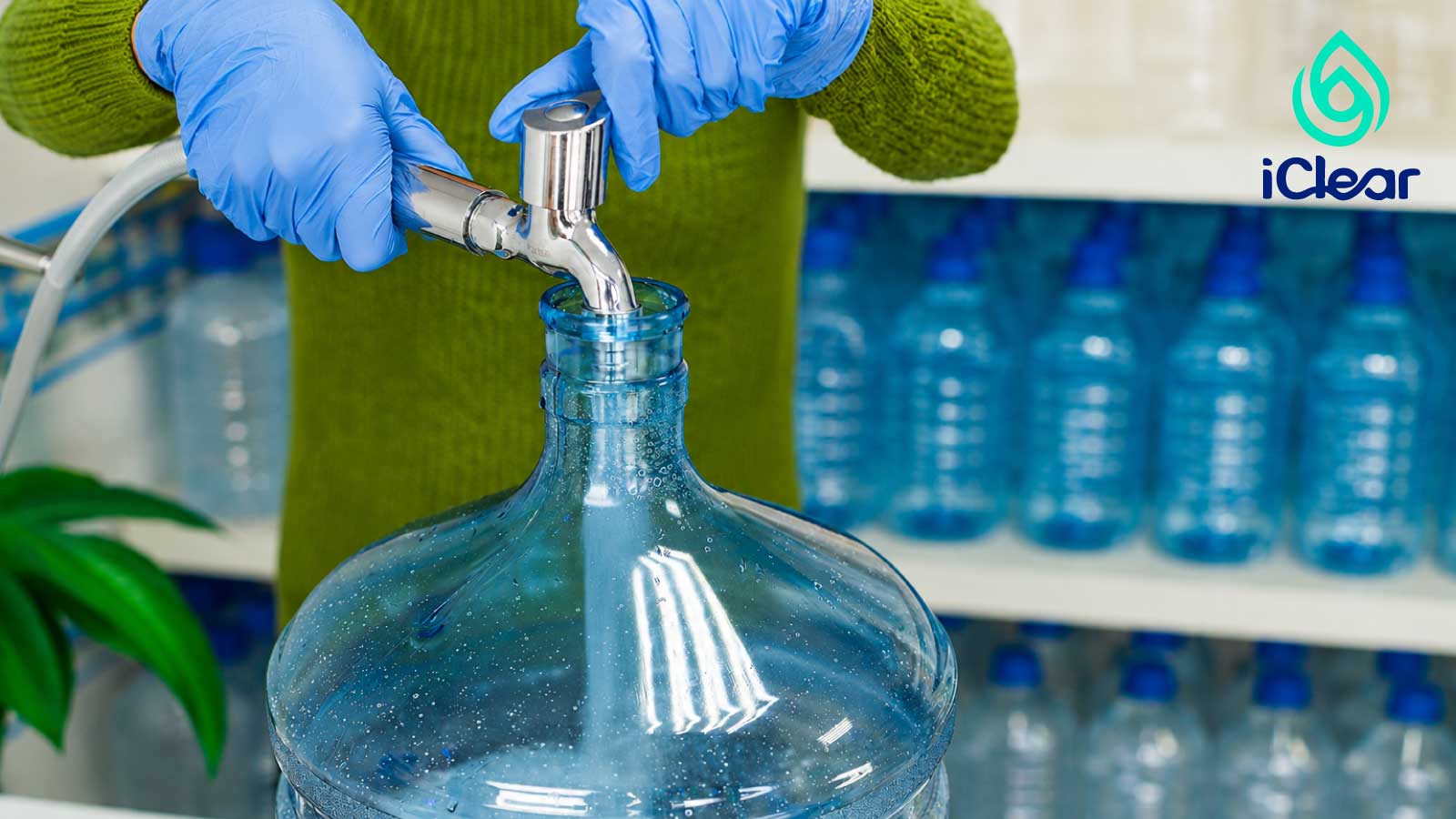
Refilled water is only as safe as the station's equipment and maintenance, which customers cannot see. Filter condition, storage hygiene, and testing vary widely between stations, so refilled water carries real but invisible variation in quality. Why refill stations are popular in Kenya Refill stations fill a real need. They are cheaper than bottled water, more convenient than boiling at scale, and widely available. For many households they are a sensible, budget-conscious choice, and this article is not an argument against the idea of refilling. It is an argument for knowing what you are actually getting, because the price and the convenience are visible while the quality is not. What you cannot see When you fill a container at a refill station, the quality of the water depends entirely on factors hidden from you: The filters: are they the right type, and have they been replaced on schedule? An exhausted filter looks the same as a fresh one from the customer side. The maintenance: is the equipment cleaned and serviced, or running unattended? The storage: how is the treated water held before it reaches your container, and is that storage clean? The testing: is the output water tested regularly, and are the results available? None of these is visible at the tap. Two refill stations charging the same price, with the same clear water coming out, can be delivering very different quality depending on how well each one is maintained behind the scenes. How refill water quality varies Because quality depends on maintenance, and maintenance varies from operator to operator, refilled water is not a single consistent product. A well-run station with fresh filters, clean storage, and regular testing can deliver genuinely good water. A poorly maintained one, with exhausted filters and neglected storage, can deliver water that is little better than what went in, while looking identical at the tap. The customer has no reliable way to tell them apart by sight. What to ask before trusting a refill station When were the filters last changed, and how often are they changed? Is the output water tested, and can you see recent results? How is the treated water stored before dispensing? Bring a clean container each time, and clean it between uses, since your own container is part of the chain too. The certainty a home system gives The appeal of a home purifier over a refill station is not that refilling is always bad. It is that a home system removes the variability. You control the maintenance, you know when the filters were changed, and the water is purified at the point where you drink it. The iClear Standard and iClear Premier are KEBS-certified Reverse Osmosis systems installed and serviced by iClear, so the quality does not depend on someone else's unseen upkeep. See the honest cost comparison in our guide on bottled water versus an RO system. Refilled water can be good or poor, and the customer cannot see which. A home system replaces that uncertainty with control. FAQ Q: Is refilled water safe to drink in Kenya? A: It can be, but only if the station's filters, storage, and maintenance are properly kept up, none of which is visible to customers. Quality varies widely between stations, so refilled water carries real but invisible variation. Q: How can I tell if a refill station is clean? A: You largely cannot tell by sight, since the filters and storage are behind the dispensing point. Ask when filters were last changed, whether the water is tested, and how it is stored, and bring your own clean container. Q: Is refilled water better than bottled water? A: Neither is automatically better; both depend on unseen handling. A well-run refill station can be good and a poorly run one poor, just as with bottled water. A home purifier removes the guesswork by putting the maintenance in your control. Replace uncertainty with control over your water. Free delivery and professional installation in Nairobi and Nakuru. Visit the iClear shop. Keywords: is refilled water safe kenya, refill station water, water refill kenya, is refill water clean, iClear Kenya, water purifier kenya
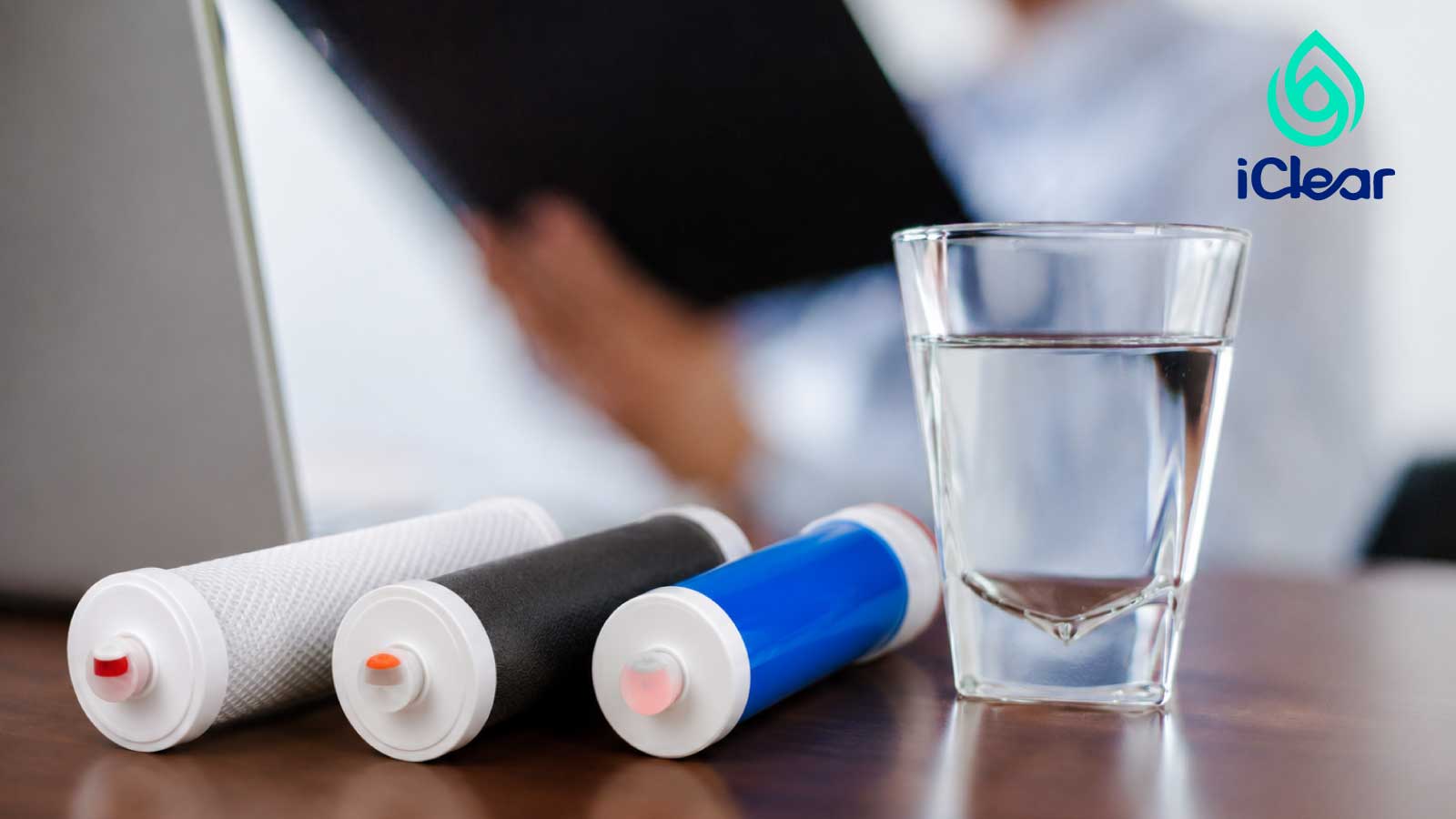
Quick Answer Reverse Osmosis (RO) purifies water by forcing it through a membrane whose pores are small enough to block dissolved salts, fluoride, heavy metals, bacteria, and viruses, while letting water molecules through. It is the only widely available technology that removes the full range of contaminants found in Kenyan water, and it typically reduces TDS by 90% or more. You need it if your home uses borehole, salty, or high-fluoride water. You may not need it if your municipal water is already low-TDS and you only want better taste. How Reverse Osmosis actually works Every RO system does the same core job in stages: Stage 1, pre-filtration: sediment and carbon filters remove particles, rust, and chlorine. This protects the membrane and handles the visible part of the problem. Stage 2, the RO membrane: water is pushed under pressure through a semi-permeable membrane with pores measured in fractions of a nanometre. Dissolved salts, fluoride ions, heavy metals, bacteria, and viruses are physically too large to pass. They are flushed away as reject water. Stage 3, post-filtration and storage: a polishing filter refines taste, and in plumbed systems, a pressure tank stores purified water so it is instantly available at the tap. The stages made visible: the iClear Standard's labelled P/C composite pre-filter, RO membrane, and CTO post-carbon filter. The critical distinction from every other filter type is that RO works at the molecular level. Carbon, ceramic, and UV all operate above it, which is why they cannot remove anything dissolved. Why RO matters more in Kenya than almost anywhere The case for RO in Kenya is not theoretical. It is in the measurements iClear's field team takes every week: Key Finding: Our highest fluoride reading in Rift Valley borehole water exceeded 8.75 mg/L, more than 5 times the WHO safe limit of 1.5 mg/L. Naivasha, Nakuru, Kajiado, Gilgil, and Kitengela all show consistently elevated fluoride. No amount of boiling, carbon filtering, or UV treatment reduces it. Only RO does. Figure 1: iClear's highest field fluoride measurement against the WHO safe limit. The same is true of dissolved salts. Borehole TDS in our field tests runs from 150 ppm in Karen to 600 ppm in Kitengela and Kajiado. Boiling concentrates these contaminants rather than removing them, because the water evaporates and the dissolved load stays behind. Boiling kills bacteria but makes dissolved contamination worse: as water boils off, fluoride and salts become more concentrated in what remains. For borehole households, boiling is not a safety strategy. It is a false comfort. What RO removes, by the numbers Contaminant Typical Kenyan source Boiling Carbon UV Reverse Osmosis Bacteria & viruses Storage tanks, supply Yes Partial Yes Yes Fluoride Rift Valley geology No No No Yes Dissolved salts (TDS) Boreholes, coastal water No No No Yes Heavy metals Ageing pipes, geology No No No Yes Sediment & rust Tanks, old plumbing No Partial No Yes A well-installed RO system typically reduces TDS by 90% or more. A Kitengela borehole reading 600 ppm before treatment will commonly come out below 50 ppm after RO, which is the difference between water that strains the body over time and water that is genuinely pure. When you actually need RO, and when you do not You need RO if: your water comes from a borehole anywhere in Kenya; your water tastes salty or mineral-heavy; you live in or near a known high-fluoride area (Naivasha, Nakuru, Kajiado, Gilgil, Kitengela); or your household includes children, whose developing teeth and bones absorb fluoride fastest. You may not need RO if: your municipal supply tests consistently low-TDS, your storage tank is professionally maintained, and your only complaint is chlorine taste. In that narrow case, a quality carbon filter improves taste for less. Most Kenyan homes are not in that case. What an iClear RO system includes Every iClear system is a full multi-stage RO purifier, KEBS-certified, with free delivery and professional installation in Nairobi, its environs, and Nakuru. The Standard (KSh 25,000) suits everyday households, the Premier (KSh 49,000) delivers 7,200 litres per day for households of 8 to 15, the Desktop (KSh 40,000) provides portable RO with instant hot water for renters, and the Office system (KSh 90,000 per year) serves 20 to 30 staff with servicing included every four months. A standard home installation takes 30 to 45 minutes. FAQ Q: What does reverse osmosis remove from water? A: Dissolved salts, fluoride, heavy metals (including lead and arsenic), nitrates, bacteria, viruses, and sediment. In iClear installations, RO typically reduces TDS by 90% or more, taking a 600 ppm borehole reading below 50 ppm. Q: Does reverse osmosis remove fluoride? A: Yes, and it is the only common household technology that does. Fluoride ions cannot pass the RO membrane. This matters acutely in Kenya, where iClear has measured borehole fluoride above 8.75 mg/L against a WHO limit of 1.5 mg/L. Q: Is RO water safe to drink every day? A: Yes. RO water is purified water. It contains dramatically fewer dissolved minerals than untreated water, and a normal diet supplies the minerals the body needs. For high-fluoride and high-TDS areas of Kenya, daily RO water is not just safe but protective. Q: How much does a reverse osmosis machine cost in Kenya? A: iClear's 2026 RO range runs from KSh 25,000 (Standard) to KSh 49,000 (Premier) for homes, KSh 40,000 for the portable Desktop, and KSh 90,000 per year for the Office system, all including free delivery and professional installation in Nairobi and Nakuru. Get Reverse Osmosis built for Kenyan water. Free delivery and professional installation in Nairobi and Nakuru. Visit the iClear shop. Keywords: reverse osmosis water treatment, reverse osmosis Kenya, ro water purifier, reverse osmosis water filter, RO system Kenya, iClear Kenya, fluoride removal Kenya
Ask the founder of iClear what the single biggest misconception about water in Kenya is, and the answer is immediate. It is the belief that clear water is safe water. Across four years of installations, water tests, and customer conversations, this one assumption is the one that has caused more harm than any other. "If water looks clear, it is safe to drink." That is the sentence our team hears, in some form, on almost every installation visit. It is the reason families across Kenya have been drinking water that is genuinely unsafe for years without knowing. And it is wrong. Why this belief is so dangerous Visible cloudiness, colour, or sediment is a useful warning signal, but it is only a warning for a small fraction of the contaminants in Kenyan water. The most dangerous things in your water cannot be seen at all. Fluoride, the contaminant our team has measured at levels over 5 times the WHO safe limit in parts of the Rift Valley, is completely invisible. So is arsenic. So are most heavy metals, dissolved salts, nitrates, and most bacteria. A glass of water can look perfectly clean and still carry enough fluoride to cause permanent dental and skeletal damage with long-term consumption. Our team has measured fluoride levels above 8.75 mg/L in parts of the Rift Valley. The WHO safe limit is 1.5 mg/L. None of that fluoride is visible in the glass. What our field tests actually show Across the towns where iClear's technical team has tested water this year, here is what shows up in water that customers describe as "clear": Naivasha boreholes: 300 to 600 ppm TDS, with high fluoride Kitengela boreholes: 450 to 600 ppm TDS, often with elevated fluoride Kajiado: TDS readings consistently above 450 ppm Karen and Runda: borehole water with elevated mineral content Syokimau: municipal water often compromised by storage tank contamination In every one of those readings, the water looked acceptable to the customer. None of it was acceptable to a meter. What customers usually say when they realise On installation day, customers see what comes out of their water during the first filter change. The reaction across hundreds of homes has been remarkably consistent: "I didn't know our water was this dirty." The shift in understanding usually happens in that moment, watching sediment, rust, and discoloured residue come out of water they had been drinking, cooking with, and giving to their children. Clear, in that moment, stops being a synonym for clean. The contaminants you cannot see These are the things in Kenyan water that visual inspection will never reveal: Fluoride, especially in Rift Valley boreholes Dissolved salts, particularly in coastal and arid-region boreholes Heavy metals such as lead, iron, and arsenic Bacteria, including coliforms from storage tanks Chlorine residues from municipal treatment Nitrates from agricultural runoff None of these change the colour, clarity, or taste of water in obvious ways. Many of them are odourless. All of them are removable, but only by the right filtration technology. What clear water actually means Clear water means visible particles have settled or been filtered out. It says nothing at all about what is dissolved in the water at the molecular level. That distinction, dissolved versus visible, is the entire reason Reverse Osmosis exists as a technology. RO works at the molecular level, removing what no amount of looking will ever reveal. Every product in the iClear range uses Reverse Osmosis filtration to remove the contaminants your eyes cannot detect. The iClear Standard and iClear Premier are designed for everyday household use. The iClear Desktop provides the same purification in a portable, no-plumbing form. Every system is KEBS-certified. Clear water in Kenya is not safe water. It is unfiltered water that has had its visible particles removed. The dangerous things, the fluoride, the salts, the metals, the bacteria, are still there. Stop trusting your eyes. Start trusting your data. Find out what is actually in your water. Free delivery and professional installation in Nairobi and Nakuru. Visit the iClear shop. Tags: water purifier Kenya, clear water safe to drink, water safety Kenya, iClear Kenya, fluoride Kenya, water quality Kenya, water purification machine
 Health & Wellness
 Water Quality Insights
 Health & Wellness