Why Is My RO Purifier Producing Less Water Than It Used To?
22, Oct 2026
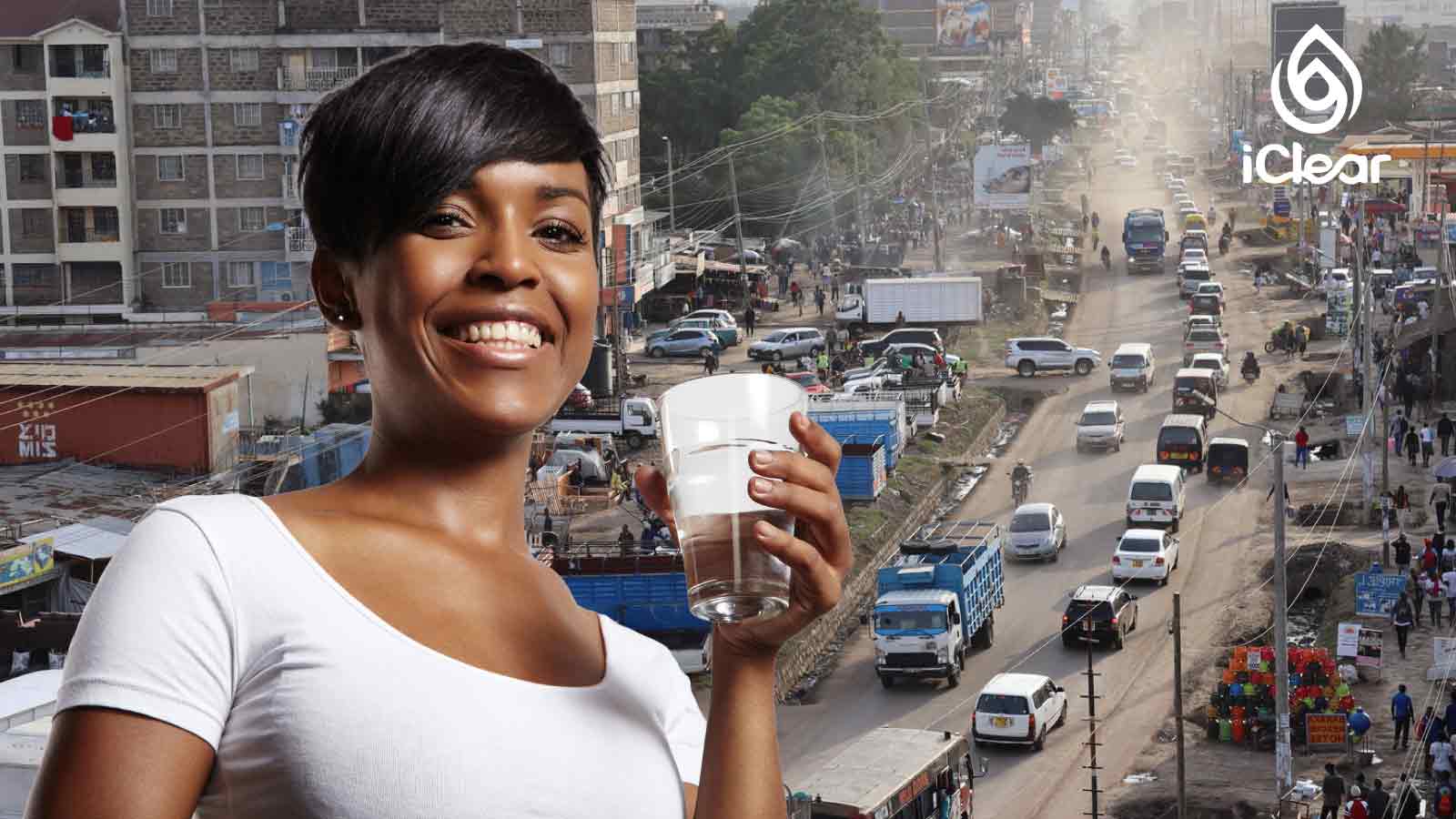
Rongai relies heavily on borehole water, and its quality varies borehole to borehole. A TDS reading tells you how much dissolved material is in your water: below 300 ppm is excellent, above 600 ppm signals significant dissolved contamination that Reverse Osmosis can remove.
TDS stands for Total Dissolved Solids: everything dissolved in your water, including salts, minerals, and metals. It is one of the most useful single indicators of water quality, because it captures what you cannot see. A rough guide:
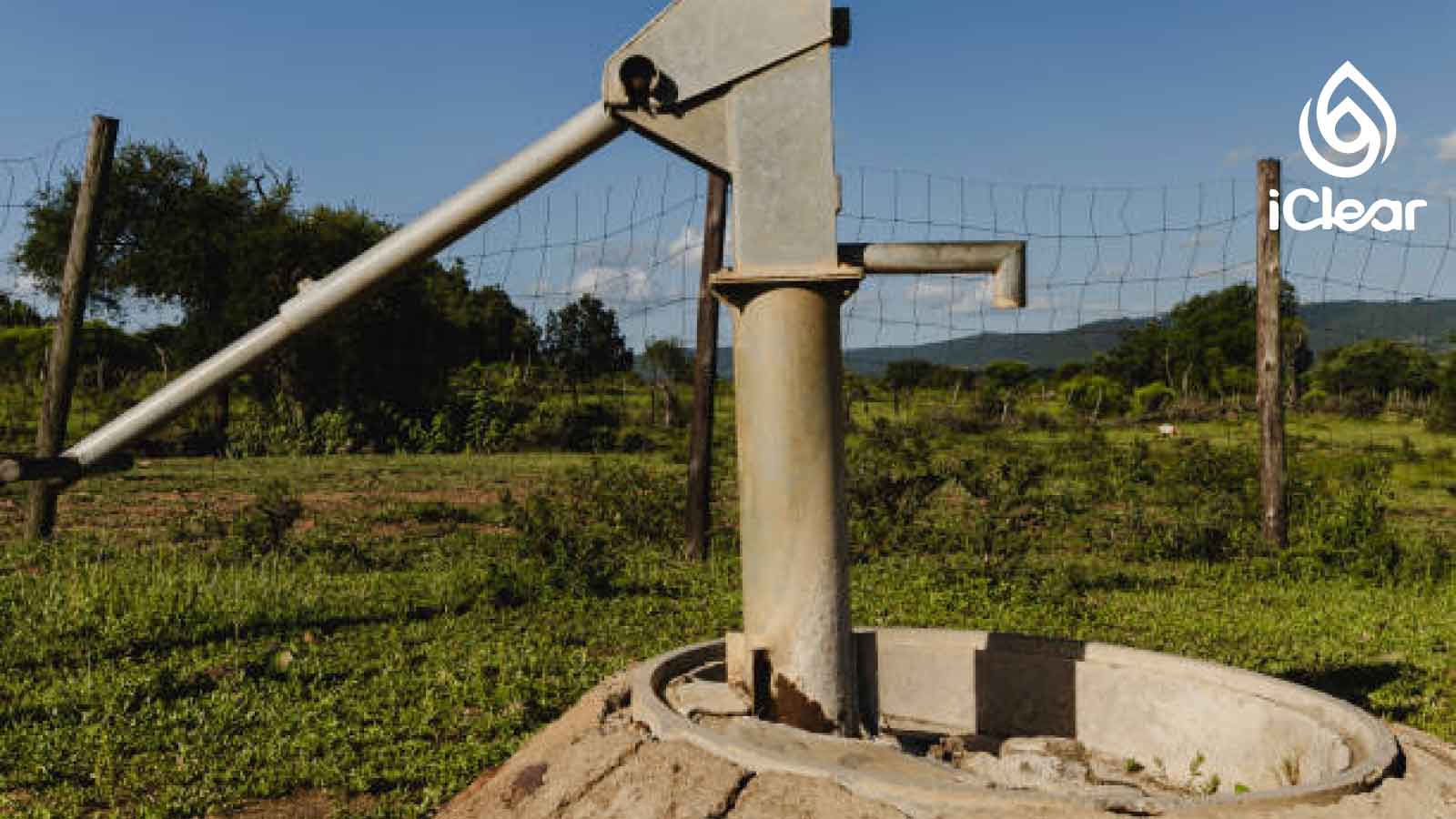
Borehole water is not uniform across an area. Two boreholes a short distance apart in Rongai can give different readings depending on depth, the local geology they draw from, and the age and condition of the borehole itself. This is why a general statement about Rongai water is less useful than testing your specific borehole. What is consistent is that borehole water tends to carry more dissolved material than treated municipal supply, so a reading worth checking is likely.
Editor note: Insert measured TDS readings for Rongai boreholes from iClear's field data or from installations in the area. If specific Rongai figures are not yet recorded, note that they should be gathered, and reference the measured ranges from comparable nearby borehole areas rather than inventing a Rongai-specific number.
If your Rongai borehole reads high, it means your family is drinking and cooking with water carrying a heavy dissolved load: salts, minerals, and possibly fluoride, depending on the local geology. Over time, high-TDS water can taste mineral or salty, leave scale on kettles and appliances, and place a sustained load on the body. None of it is visible in a clear glass, which is exactly why the number matters more than the look.
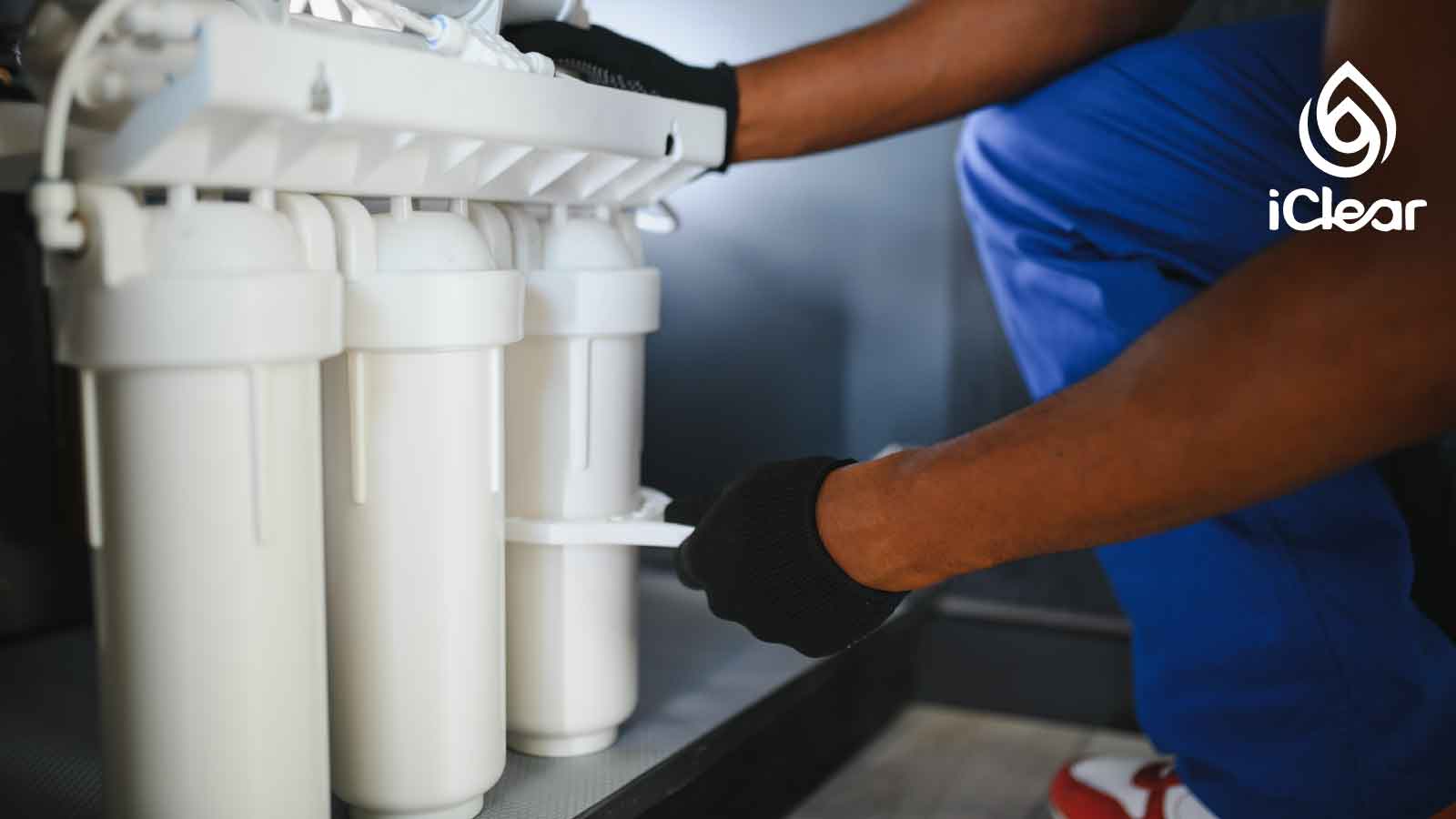
If your reading is high, Reverse Osmosis is the household answer. It reduces TDS dramatically, commonly by 90% or more, taking a borehole reading of 600 ppm down below 50 ppm. The iClear Standard is designed for the borehole conditions common across Nairobi's growth areas, and installs under the sink with free professional installation. For renters in Rongai's many apartments, the portable iClear Desktop delivers the same RO purification without plumbing.
The first step with any borehole is not to buy anything. It is to know your number. Once you know your TDS, the decision makes itself: a low reading is reassuring, and a high one has a clear, proven solution.
Q: What is a good TDS level for drinking water?
A: Below 300 ppm is generally excellent. From 300 to 600 ppm is acceptable with rising concern at the top of the range, and above 600 ppm signals significant dissolved contamination that is better treated. Above 1,000 ppm is not recommended without treatment.
Q: How do I check my Rongai borehole water quality?
A: Have the water tested for TDS and, ideally, specific contaminants like fluoride. A TDS reading is the quickest single indicator. iClear can measure this as part of assessing your water before recommending a solution.
Q: How do I lower high TDS in borehole water?
A: Reverse Osmosis reduces TDS dramatically, commonly by 90% or more. An RO system like the iClear Standard takes a high borehole reading down to a low, clean level. Boiling and basic filters do not reduce dissolved solids.
Know your Rongai water number, then fix it.
Free delivery and professional installation in Nairobi and Nakuru. Visit the iClear shop.
Keywords: rongai borehole water, rongai water quality, tds borehole water kenya, rongai water purifier, borehole water testing, iClear Kenya

Water Purification & Treatment Specialists
David Ochieng, a water purification specialist at iClear Wellife Services Ltd, has extensive experience delivering safe and reliable water treatment solutions for homes and offices across Kenya.