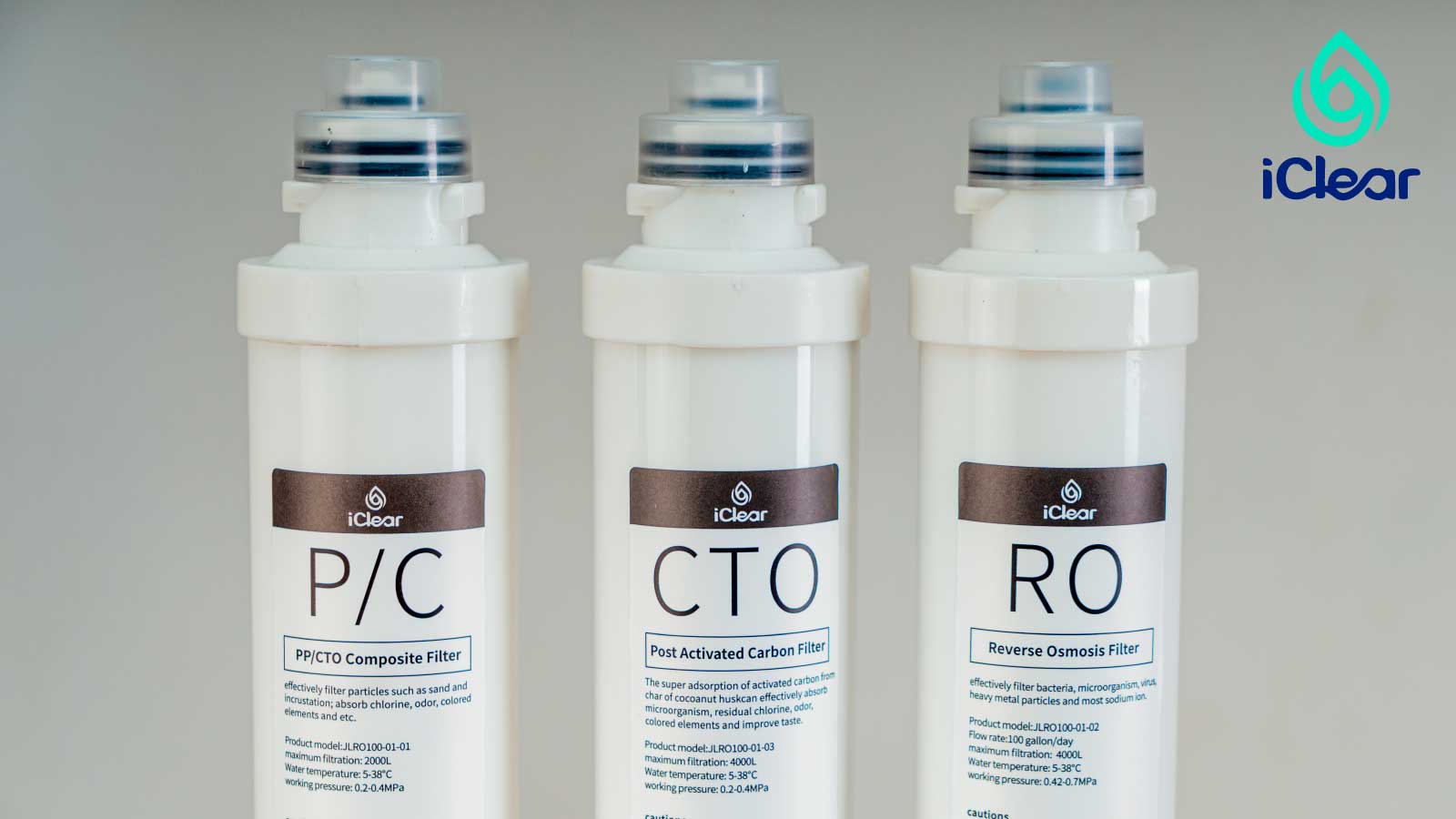

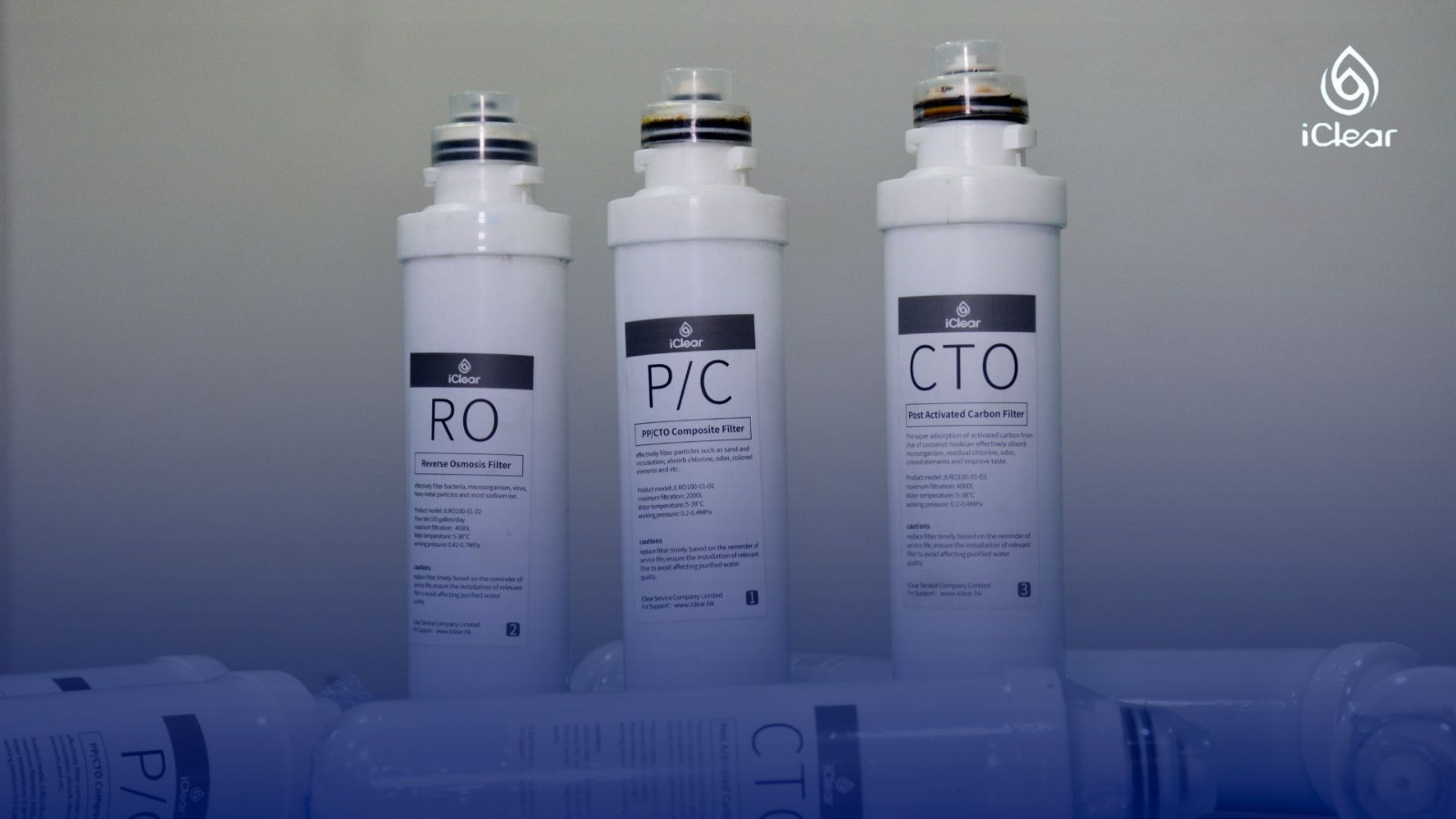

Water purifier filters need periodic replacement, and this ongoing cost is real. But even including filter changes, the total cost of owning an RO purifier over several years remains far below what a household spends on bottled or dispenser water in the same period. Why filters need replacing at all A purifier works by trapping and blocking contaminants. Over time the pre-filters fill with the sediment and particles they have caught, and the RO membrane and carbon stages gradually lose effectiveness. Replacing them on schedule is what keeps the water genuinely purified. A filter left in far too long stops protecting you and can itself become a problem, which is exactly why scheduled replacement is not an optional extra but part of how the system works. What the replacement actually involves An RO system has several stages, and they do not all need replacing at the same time. The sediment and carbon pre-filters are changed most often because they do the heavy lifting of catching particles. The RO membrane lasts considerably longer. Because the stages are on different schedules, the cost is spread out over time rather than landing all at once. The comparison that puts it in perspective Here is the context that matters. A household buying bottled or dispenser water spends roughly KSh 3,000 to 8,000 every month, which is KSh 36,000 to 96,000 a year, every year, forever. Against that, an RO purifier is a one-time purchase plus periodic filter changes. Even when you add the filter costs into the total, the yearly running cost of the purifier remains a small fraction of the bottled-water bill it replaces. This is why iClear's own estimate is that customers save up to 80% compared with buying water, filters included. The iClear Standard is KSh 25,000 to buy, with free installation, and its scheduled filter costs are modest and predictable. See the full five-year picture in our bottled water cost breakdown for Nairobi families. The honest way to judge filter costs is not on their own but against the alternative. Filters are a real cost. Bottled water is a much larger one, and it never stops. The purifier plus its filters is still the cheaper path by a wide margin. How iClear keeps this manageable Filter replacements are scheduled, so you are not guessing when they are due. The cost is spread across stages on different intervals, not a single large annual hit. iClear supports the replacements, so you are not sourcing parts alone. The predictability means you can budget for it, unlike a bottled-water bill that rises with usage. FAQ Q: How much do water purifier filters cost to replace in Kenya? A: Filter costs vary by stage and how often each is changed, with pre-filters replaced more often than the RO membrane. Even including replacements, the yearly running cost stays far below a household's bottled-water spend. Ask iClear for the current per-stage pricing and intervals. Q: How often do RO filters need changing? A: The sediment and carbon pre-filters are changed most frequently since they catch the most, while the RO membrane lasts considerably longer. Because the stages are on different schedules, the cost is spread out rather than landing all at once. Q: Is a water purifier still cheaper than bottled water after filter costs? A: Yes, by a wide margin. A household spends KSh 36,000 to 96,000 a year on bottled water. An RO purifier is a one-time purchase plus modest scheduled filter costs, keeping the total far below the bottled-water bill it replaces. See the real running cost, and the real saving. Free delivery and professional installation in Nairobi and Nakuru. Visit the iClear shop. Keywords: water purifier filter cost kenya, ro filter replacement cost, purifier running cost, filter replacement kenya, iClear Kenya, water purifier maintenance
Reverse Osmosis (RO) water purification systems are highly effective, but only when they are properly maintained. Many users assume that once an RO system is installed, it will continue delivering safe water indefinitely. Unfortunately, this assumption leads to declining water quality, system damage, and unexpected costs. In reality, RO systems require timely filter changes and servicing to function as intended. Ignoring maintenance doesn’t just reduce performance, it can defeat the entire purpose of purification. Why Maintenance Is Critical for RO Systems An RO system works by pushing water through multiple filtration stages, each with a specific role. Over time, these filters trap contaminants such as: Sediment Chlorine and chemicals Salts and dissolved minerals Bacteria and organic matter As filters become clogged or exhausted, they lose effectiveness and place strain on the entire system. In most cases, the recommended replacement interval for the first filter is every 6 to 12 months. However, this is not a fixed rule. What Actually Determines Filter Lifespan? Filter replacement timing depends on two key factors: 1. Water Quality High sediment levels Salinity High Total Dissolved Solids (TDS) Borehole or mixed-source water Poorer water quality causes filters to clog faster. 2. Consumption Rate Larger households Offices or shared spaces Frequent guests or peak usage Higher daily usage means filters reach capacity sooner. This is why some systems may need filter changes earlier than six months, while others may last slightly longer. What Happens If Filters Are Not Changed on Time? Failing to replace filters leads to a chain reaction of problems: 1. Damage to the RO Membrane The RO membrane is the most critical and costly component. When pre-filters fail: Sediment and chemicals reach the membrane Membrane pores clog or degrade System efficiency drops dramatically Replacing a damaged membrane is far more expensive than routine filter changes. 2. Reduced Water Output Clogged filters restrict flow, resulting in: Slower purification Inadequate water during peak hours User frustration and system misuse 3. Higher Long-Term Costs Skipping maintenance may seem like a saving, but it often leads to: Costly repairs Premature system replacement Increased service needs Preventive maintenance is always cheaper than corrective repairs. Health Risks of Poorly Maintained Systems A neglected RO system can become a liability rather than a solution. Risk include bacterial buildup in filters How to Maintain an RO System Properly Best practices include: Replacing the filters approximately every 6 months Adjusting replacement schedules based on water quality and usage Using professional service when recommended Monitoring changes in flow rate, or output Routine maintenance ensures the system performs as designed. Conclusion RO systems are powerful tools for ensuring safe drinking water—but only when properly maintained. The filters are typically replaced every six months depending on water quality and consumption, plays a critical role in protecting the entire system. Neglecting maintenance leads to declining water output, higher costs, and potential health risks. Proper care, on the other hand, extends system life, preserves performance, and ensures every glass of water remains safe and reliable.
You can test basic water quality at home using TDS meters, pH strips, hardness kits, and chlorine tests. However, fluoride, heavy metals, and bacterial contamination require certified laboratory analysis to confirm compliance with WHO and KEBS drinking water standards. Why Home Testing Matters in Kenya Kenya relies heavily on groundwater and ageing municipal infrastructure. According to WHO, visual clarity and taste are not reliable indicators of safety because fluoride, nitrates, and bacteria are invisible and tasteless. Source: https://www.who.int/publications/i/item/9789241549950 Common Home Testing Methods pH Strips and Digital Meters pH Range Meaning KEBS Standard Below 6.5 Corrosive acidic water 6.5 to 8.5 Above 8.5 Alkaline, scaling risk 6.5 to 8.5 Source: KEBS KS EAS 12:2018 https://www.kebs.org Hardness Test Kits Detect calcium and magnesium causing scale and soap inefficiency. Source: https://www.usgs.gov/special-topics/water-science-school/science/hardness-water Residual Chlorine Test Confirms municipal disinfection presence. WHO recommended free chlorine at point of use 0.2 to 0.5 mg/L Source: https://www.who.int/publications/i/item/WHO-FWC-WSH-15.04 What Cannot Be Reliably Tested at Home Contaminant Reason Required Method Fluoride Colour kits inaccurate above 2 mg/L Ion selective electrode lab test E. coli Microscopic detection required Membrane filtration lab culture Lead and arsenic Trace level detection ICP-MS laboratory analysis Sources https://www.who.int/news-room/fact-sheets/detail/drinking-water https://www.cdc.gov/healthywater/drinking/private/wells/testing.html When to Test Your Water in Kenya • New borehole commissioning • Change in taste, colour, or smell • After flooding or pipeline repairs • When installing a purifier system FAQ Can a TDS meter tell me if my water is safe No, it only measures dissolved minerals, not bacteria or toxins. Does boiling replace testing No, boiling kills microbes but does not remove fluoride, salts, or heavy metals. How often should borehole water be tested WHO recommends at least once per year for chemical parameters and every six months for microbial quality. Source: https://www.who.int/publications/i/item/9789241549950
When purchasing a water purifier it is important not only to consider the filtration technology but also the after sales support that keeps your system running. The iClear one year warranty ensures that your purifier is protected against manufacturing defects, installation faults, or early component failure. In this detailed guide we walk you through what is covered, what is not covered, how to claim, and how to ensure your warranty stays valid. What the One Year Warranty Covers The warranty typically covers: • Mechanical defects in the main RO unit • Defective electrical components (depending on model) • Faults resulting from installation • Manufacturing defects in the membrane housing or structural parts The warranty activates on the installation date, not the purchase date. What Is Not Covered Warranty does not cover: • Problems due to user modification • Consumable components such as filters • Damage caused by extremely bad plumbing or water pressure issues • Intentional damage or misuse For more purchasing insights see: Complete Guide to Choosing the Best RO Water Purifier in Kenya How to Claim Warranty To make a warranty claim: Contact the iClear support line Share the installation date and invoice Provide photos or a brief video of the issue Schedule a technician visit Technicians diagnose the problem, check whether it is covered, and perform repairs or parts replacement where eligible. How to Keep Your Warranty Valid To ensure your warranty remains active: • Avoid third party repairs • Do not open or alter the system yourself • Use only approved replacement filters • Keep proof of installation and invoice • Ensure routine servicing follows guidelines Why the Warranty Matters A reliable warranty ensures: • Peace of mind • Long term reliability • Faster technical support • Lower maintenance cost in the first year • Protection from manufacturing faults When combined with free installation, the one year warranty guarantees a secure start to your purifier ownership. FAQ Q: Does the warranty cover filters? A: No, filters are consumables and replaced on schedule. Q: What if installation was done by someone else? A: Warranty is void if installation was not done by an approved technician. Q: How long is repair turnaround time? A: Usually within 24hrs.
Get clear answers to the top 10 most common questions about water purifiers. Learn how they work, which one to choose, maintenance tips, and more. Clean drinking water is one of the most important essentials for a healthy life. With rising concerns about water pollution, heavy metals, and chemicals in tap water, water purifiers have become a common household need. But with so many types available RO, UV, UF, carbon filters, and many more people feel confused about how they work, which one to choose, and how to maintain them. To clear things up, we’ve put together answers to the top 10 most frequently asked questions about water purifiers. Whether you’re a first-time buyer or already using one, these answers will help you make smarter decisions about your drinking water. How Do Water Purifiers Work? Water purifiers work by removing contaminants such as dirt, chlorine, heavy metals, and harmful microorganisms from your water. Different technologies target different impurities. For example, Reverse Osmosis (RO) removes dissolved salts and heavy metals, UV purifiers kill bacteria and viruses, while carbon filters remove chlorine and improve taste and odor. Many modern purifiers combine these methods for complete protection. Which Type of Water Purifier Is Best? The best water purifier depends on your water source: RO Purifiers: Best for hard water with high TDS (Total Dissolved Solids) or areas with industrial pollution. UV Purifiers: Ideal for water that looks clear but may contain bacteria and viruses. UF Purifiers: Remove suspended particles, making water clearer and safer to drink. How Often Should I Replace My Water Filter? Most water purifier filters should be replaced every 6–12 months, depending on the type of purifier and water quality. For example, RO membranes usually last about 12 months, while UV lamps last about 9-12 months. Always follow the manufacturer’s instructions, but also watch for signs like unusual taste, smell, or reduced water flow. Is Reverse Osmosis Water Safe to Drink? Yes, RO water is safe because it removes harmful substances such as heavy metals, pesticides, and dissolved salts. Do I Still Need a Water Purifier If I Have Municipal (Piped) Water? Yes. Even treated municipal water can pick up contaminants from old pipes, chlorine by products, or bacteria along the distribution line. A purifier ensures an extra layer of protection before the water reaches your glass. Do water purifiers change the taste of water? Yes. Most purifiers, especially RO systems, improve taste by removing chlorine, chemicals, and salts. Some add minerals back into the water for a naturally fresh taste. How Do I Know If My Water Purifier Needs Maintenance? Common signs include: Change in taste or odor of water, Reduced water flow or pressure, Purifier making unusual sounds, Filter change indicator light (in advanced models) Regular servicing and timely filter changes keep your purifier working efficiently. Can I Install a Water Purifier Myself? Some purifiers, like gravity-based filters or countertop pitchers, are easy to set up. But advanced systems like Reverse Osmosis or UV purifiers require professional installation to ensure proper water pressure, drainage, and electrical connections. DIY installation of these systems may damage the unit or void the warranty. Is Boiled Water Better Than Purified Water? Boiling water kills most bacteria and viruses but does not remove chemical contaminants like pesticides, heavy metals, or fluoride. Purifiers especially Reverse Osmosis or multi-stage systems go further by eliminating both biological and chemical impurities, making them more reliable for everyday use. Do I Really Need a Water Purifier If I Use Bottled Water? Bottled water may seem convenient, but it isn’t always safer. Studies have shown that bottled water can contain micro plastics and chemicals from plastic bottles. It’s also far more expensive in the long run and harmful to the environment due to plastic waste. A home purifier is a safer, eco-friendlier, and cost-effective choice. By answering these top 10 common questions, you now have the knowledge to make an informed choice for your family’s health. Clean water isn’t just about quenching thirst it’s about long-term wellness.
Learn when to replace your Reverse Osmosis (RO) water filters, how each filter works, and simple maintenance tips to keep your water clean and safe. If you’re committed to having pure, great-tasting drinking water at home, you’ve probably heard of a Reverse Osmosis (RO) system. This advanced system is one of the most effective ways to filter out harmful substances, capable of removing up to 99% of contaminants such as chlorine, lead, fluoride, nitrates, pesticides, and even some bacteria. But here’s something many homeowners overlook: your RO system only works if you replace its filters on time. Like any filtration system, the filters inside your RO unit eventually get clogged with particles and contaminants. So, how often should you replace your RO water filters? Let’s break it down in simple terms. Understanding the Parts of an RO System Unlike a single filter pitcher or faucet attachment, a Reverse Osmosis system is made up of multiple stages, each playing a unique role in cleaning your water. Together, they act like a professional team, making sure your water is not just clear, but truly safe. Sediment Filter – Removes dirt, rust, dust, and large particles that can clog the system. Carbon Pre-Filter – Traps chlorine and chemicals that can damage the RO membrane. RO Membrane – The "heart" of the system, filtering out dissolved salts, heavy metals, and microscopic contaminants. Post-Carbon (Polishing) Filter – Improves taste and odor, ensuring the water is crisp and refreshing. Each of these filters has its own replacement schedule some need to be changed every few months, while others can last for years. How Often Should You Replace Reverse Osmosis Filters? Here’s the typical replacement timeline for an Reverse Osmosis system: Sediment Filter: Every 6–12 months Carbon Pre-Filter: Every 6–12 months RO Membrane: Every 1–2 years (depending on water quality and household usage) Post-Carbon Filter: Every 12 months Storage Tank Cleaning: Once per year Signs Your Reverse Osmosis Filter Needs Replacing Even if you follow the timeline, sometimes your water gives you early warning signs that it’s time for a filter change: Blinking Indicator Lights: Most machines are equipped with alert systems. A blinking or solid light often signals that maintenance is required — particularly a filter change. No Water Production: If the machine stops producing water entirely, it's often due to clogged filters restricting flow. Reduced Water Flow: A noticeable decrease in the amount of water being produced typically means the filters are nearing the end of their lifespan and are becoming blocked. If you notice any of these signs, don’t wait replace your filters right away. Here’s the rule of thumb: change the pre-filters every 6–12 months, the post-filter once a year, and the RO membrane every 1–2 years. With this schedule, your system will keep running smoothly, giving you peace of mind and refreshing water for years to come.
Health & Wellness
Water Quality Insights
Health & Wellness