
Search

Subtotal: KSh 0
Checkout View Cart

Maintenance & Troubleshooting

Your One Year Warranty Guide: What It Covers, How to Claim, and Why It Protects Your Investment

Your One Year Warranty Guide: What It Covers, How to Claim, and Why It Protects Your Investment

When purchasing a water purifier it is important not only to consider the filtration technology but also the after sales support that keeps your system running. The iClear one year warranty ensures that your purifier is protected against manufacturing defects, installation faults, or early component failure. In this detailed guide we walk you through what is covered, what is not covered, how to claim, and how to ensure your warranty stays valid. What the One Year Warranty Covers The warranty typically covers:  • Mechanical defects in the main RO unit  • Defective electrical components (depending on model)  • Faults resulting from installation  • Manufacturing defects in the membrane housing or structural parts The warranty activates on the installation date, not the purchase date. What Is Not Covered Warranty does not cover:  • Problems due to user modification  • Consumable components such as filters  • Damage caused by extremely bad plumbing or water pressure issues  • Intentional damage or misuse For more purchasing insights see: Complete Guide to Choosing the Best RO Water Purifier in Kenya How to Claim Warranty To make a warranty claim: Contact the iClear support line Share the installation date and invoice Provide photos or a brief video of the issue Schedule a technician visit Technicians diagnose the problem, check whether it is covered, and perform repairs or parts replacement where eligible. How to Keep Your Warranty Valid To ensure your warranty remains active:  • Avoid third party repairs  • Do not open or alter the system yourself  • Use only approved replacement filters  • Keep proof of installation and invoice  • Ensure routine servicing follows guidelines Why the Warranty Matters A reliable warranty ensures:  • Peace of mind  • Long term reliability  • Faster technical support  • Lower maintenance cost in the first year  • Protection from manufacturing faults When combined with free installation, the one year warranty guarantees a secure start to your purifier ownership. FAQ Q: Does the warranty cover filters?  A: No, filters are consumables and replaced on schedule. Q: What if installation was done by someone else?  A: Warranty is void if installation was not done by an approved technician. Q: How long is repair turnaround time?  A: Usually within 24hrs.

Top 10 Questions People Ask About Water Purifiers

Top 10 Questions People Ask About Water Purifiers

Get clear answers to the top 10 most common questions about water purifiers. Learn how they work, which one to choose, maintenance tips, and more. Clean drinking water is one of the most important essentials for a healthy life. With rising concerns about water pollution, heavy metals, and chemicals in tap water, water purifiers have become a common household need. But with so many types available RO, UV, UF, carbon filters, and many more people feel confused about how they work, which one to choose, and how to maintain them. To clear things up, we’ve put together answers to the top 10 most frequently asked questions about water purifiers. Whether you’re a first-time buyer or already using one, these answers will help you make smarter decisions about your drinking water. How Do Water Purifiers Work? Water purifiers work by removing contaminants such as dirt, chlorine, heavy metals, and harmful microorganisms from your water. Different technologies target different impurities. For example, Reverse Osmosis (RO) removes dissolved salts and heavy metals, UV purifiers kill bacteria and viruses, while carbon filters remove chlorine and improve taste and odor. Many modern purifiers combine these methods for complete protection. Which Type of Water Purifier Is Best? The best water purifier depends on your water source: RO Purifiers: Best for hard water with high TDS (Total Dissolved Solids) or areas with industrial pollution. UV Purifiers: Ideal for water that looks clear but may contain bacteria and viruses. UF Purifiers: Remove suspended particles, making water clearer and safer to drink. How Often Should I Replace My Water Filter? Most water purifier filters should be replaced every 6–12 months, depending on the type of purifier and water quality. For example, RO membranes usually last about 12 months, while UV lamps last about 9-12 months. Always follow the manufacturer’s instructions, but also watch for signs like unusual taste, smell, or reduced water flow. Is Reverse Osmosis Water Safe to Drink? Yes, RO water is safe because it removes harmful substances such as heavy metals, pesticides, and dissolved salts. Do I Still Need a Water Purifier If I Have Municipal (Piped) Water? Yes. Even treated municipal water can pick up contaminants from old pipes, chlorine by products, or bacteria along the distribution line. A purifier ensures an extra layer of protection before the water reaches your glass. Do water purifiers change the taste of water? Yes. Most purifiers, especially RO systems, improve taste by removing chlorine, chemicals, and salts. Some add minerals back into the water for a naturally fresh taste. How Do I Know If My Water Purifier Needs Maintenance? Common signs include: Change in taste or odor of water, Reduced water flow or pressure, Purifier making unusual sounds, Filter change indicator light (in advanced models) Regular servicing and timely filter changes keep your purifier working efficiently. Can I Install a Water Purifier Myself? Some purifiers, like gravity-based filters or countertop pitchers, are easy to set up. But advanced systems like Reverse Osmosis or UV purifiers require professional installation to ensure proper water pressure, drainage, and electrical connections. DIY installation of these systems may damage the unit or void the warranty. Is Boiled Water Better Than Purified Water? Boiling water kills most bacteria and viruses but does not remove chemical contaminants like pesticides, heavy metals, or fluoride. Purifiers especially Reverse Osmosis or multi-stage systems go further by eliminating both biological and chemical impurities, making them more reliable for everyday use. Do I Really Need a Water Purifier If I Use Bottled Water? Bottled water may seem convenient, but it isn’t always safer. Studies have shown that bottled water can contain micro plastics and chemicals from plastic bottles. It’s also far more expensive in the long run and harmful to the environment due to plastic waste. A home purifier is a safer, eco-friendlier, and cost-effective choice. By answering these top 10 common questions, you now have the knowledge to make an informed choice for your family’s health. Clean water isn’t just about quenching thirst it’s about long-term wellness.

How Often Should You Replace Your Reverse Osmosis (RO) Water Filter?

How Often Should You Replace Your Reverse Osmosis (RO) Water Filter?

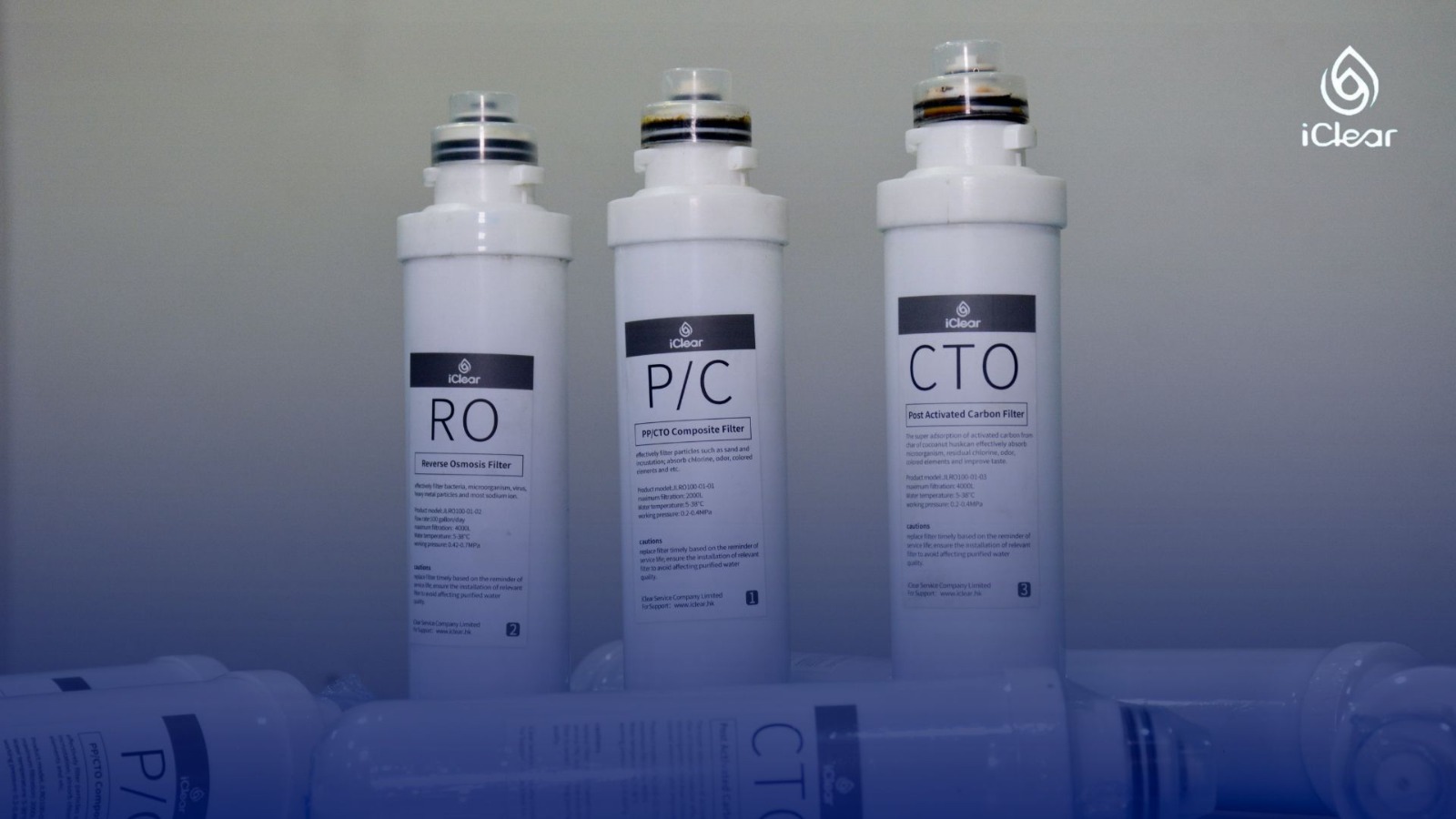
Learn when to replace your Reverse Osmosis (RO) water filters, how each filter works, and simple maintenance tips to keep your water clean and safe. If you’re committed to having pure, great-tasting drinking water at home, you’ve probably heard of a Reverse Osmosis (RO) system. This advanced system is one of the most effective ways to filter out harmful substances, capable of removing up to 99% of contaminants such as chlorine, lead, fluoride, nitrates, pesticides, and even some bacteria. But here’s something many homeowners overlook: your RO system only works if you replace its filters on time. Like any filtration system, the filters inside your RO unit eventually get clogged with particles and contaminants. So, how often should you replace your RO water filters? Let’s break it down in simple terms. Understanding the Parts of an RO System Unlike a single filter pitcher or faucet attachment, a Reverse Osmosis system is made up of multiple stages, each playing a unique role in cleaning your water. Together, they act like a professional team, making sure your water is not just clear, but truly safe. Sediment Filter – Removes dirt, rust, dust, and large particles that can clog the system. Carbon Pre-Filter – Traps chlorine and chemicals that can damage the RO membrane. RO Membrane – The "heart" of the system, filtering out dissolved salts, heavy metals, and microscopic contaminants. Post-Carbon (Polishing) Filter – Improves taste and odor, ensuring the water is crisp and refreshing. Each of these filters has its own replacement schedule some need to be changed every few months, while others can last for years. How Often Should You Replace Reverse Osmosis Filters? Here’s the typical replacement timeline for an Reverse Osmosis system: Sediment Filter: Every 6–12 months Carbon Pre-Filter: Every 6–12 months RO Membrane: Every 1–2 years (depending on water quality and household usage) Post-Carbon Filter: Every 12 months Storage Tank Cleaning: Once per year Signs Your Reverse Osmosis Filter Needs Replacing Even if you follow the timeline, sometimes your water gives you early warning signs that it’s time for a filter change: Blinking Indicator Lights: Most machines are equipped with alert systems. A blinking or solid light often signals that maintenance is required — particularly a filter change. No Water Production: If the machine stops producing water entirely, it's often due to clogged filters restricting flow. Reduced Water Flow: A noticeable decrease in the amount of water being produced typically means the filters are nearing the end of their lifespan and are becoming blocked. If you notice any of these signs, don’t wait replace your filters right away. Here’s the rule of thumb: change the pre-filters every 6–12 months, the post-filter once a year, and the RO membrane every 1–2 years. With this schedule, your system will keep running smoothly, giving you peace of mind and refreshing water for years to come.