How Kenya's Seasons Change Your Water Quality
04, Nov 2026
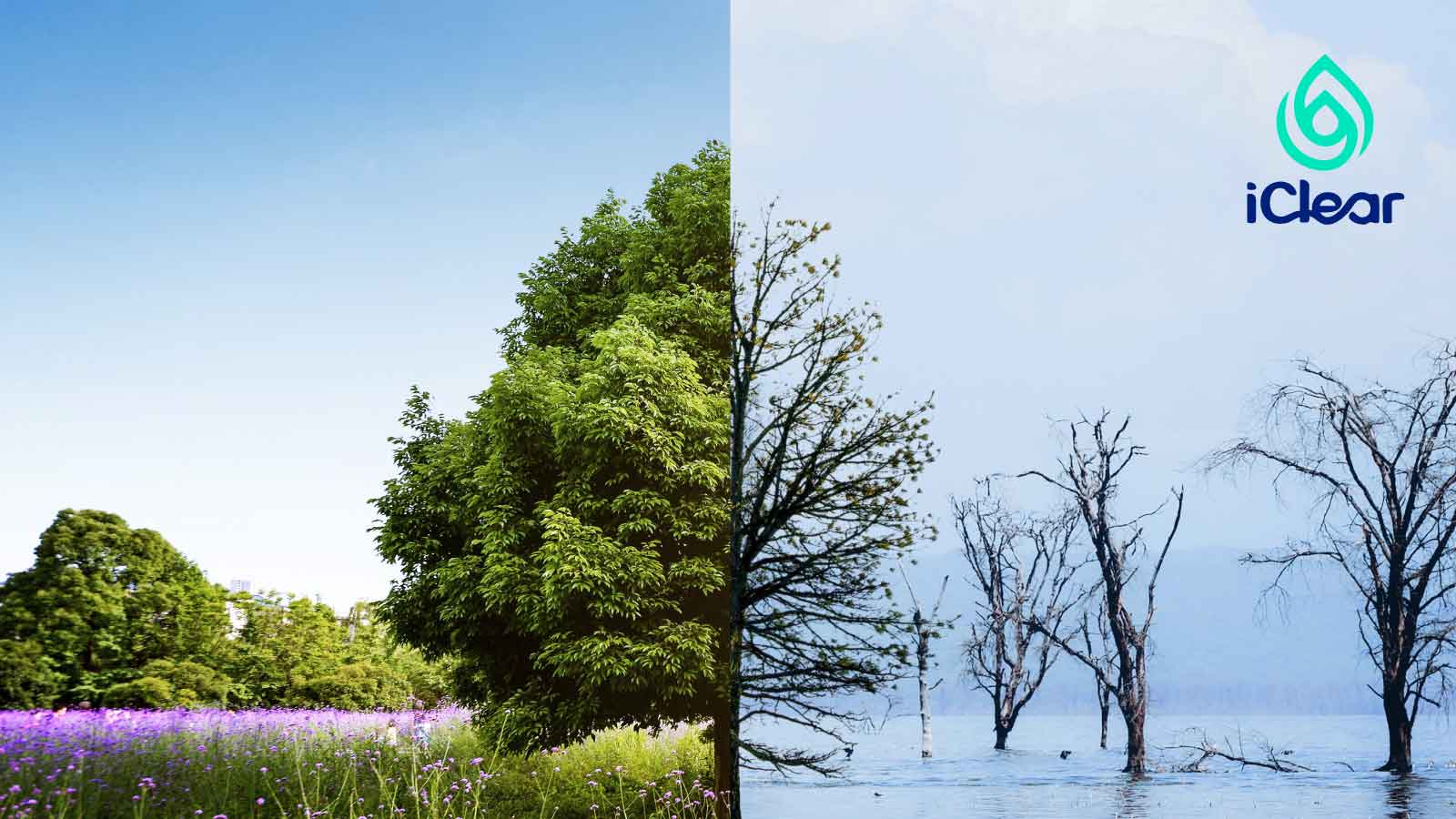
Research from Kenyatta University found that turbidity, coliform counts and nitrate levels in surface water sources across central Kenya peak during the long rains (April - May) and reach their lowest levels during the dry season.
Kenya's climate creates four distinct seasons with direct implications for source water quality:
|
Season |
Months |
Primary Water Quality Implication |
|
Long rains |
March–May |
Peak turbidity, coliform, agricultural runoff |
|
Post-long-rains dry |
June–August |
Improving quality; low river flows concentrate remaining contaminants |
|
Short rains |
October–December |
Secondary turbidity/contamination peak (less intense than long rains) |
|
Main dry season |
January–February |
Lowest pathogen levels; algal growth risk in warm, slow-moving reservoirs |
A water quality assessment study conducted across multiple intake points in Ruiru and Thika, which supply Nairobi's Ngethu water works, found that turbidity increased by an average of 340% during the long rains compared to the dry season. Coliform counts during the long rains exceeded WHO limits in 68% of raw water samples at intake.
Turbidity, the cloudiness caused by suspended particles, is the most obvious seasonal change. High turbidity is not just an aesthetic issue: suspended particles physically shield bacteria and viruses from UV disinfection and chlorination, dramatically reducing treatment efficacy. The WHO guideline for treated water is <1 NTU; during peak rains, raw Nairobi source water regularly exceeds 100 NTU.
During hot, dry periods (particularly January–February), slow-moving reservoirs and storage tanks warm significantly. This creates conditions for algal growth, including potentially harmful cyanobacteria (blue-green algae). Certain cyanobacteria produce toxins (microcystins, cylindrospermopsin) that are not removed by standard chlorination and can survive into treated water at trace levels.
Activated carbon in multi-stage RO systems effectively adsorbs microcystin-LR, one of the most commonly detected cyanotoxins, providing an additional safety layer during dry-season bloom periods.
Q: Does my RO system need any special adjustment between seasons?
A: The system itself does not need adjustment, it handles variable input quality automatically. What changes is maintenance frequency: pre-filters need more attention during high-turbidity seasons.
Q: How do I know if my water has algal toxins?
A: Algal toxins produce no distinctive taste or colour at typical levels. Regular membrane inspection and maintaining your carbon pre-filter schedule is the best practical protection.
Year-round protection, whatever the season delivers
iClear's service plan includes pre-season maintenance checks timed to Kenya's water quality calendar. Find out more.
Keywords: seasonal water quality Kenya, rainy season water contamination, Nairobi water quality seasons, water purifier maintenance Kenya seasons

Water Purification & Treatment Specialists
David Ochieng, a water purification specialist at iClear Wellife Services Ltd, has extensive experience delivering safe and reliable water treatment solutions for homes and offices across Kenya.