Why Is My RO Purifier Producing Less Water Than It Used To?
22, Oct 2026

Reverse Osmosis (RO) water purification systems are highly effective, but only when they are properly maintained. Many users assume that once an RO system is installed, it will continue delivering safe water indefinitely. Unfortunately, this assumption leads to declining water quality, system damage, and unexpected costs.
In reality, RO systems require timely filter changes and servicing to function as intended. Ignoring maintenance doesn’t just reduce performance, it can defeat the entire purpose of purification.
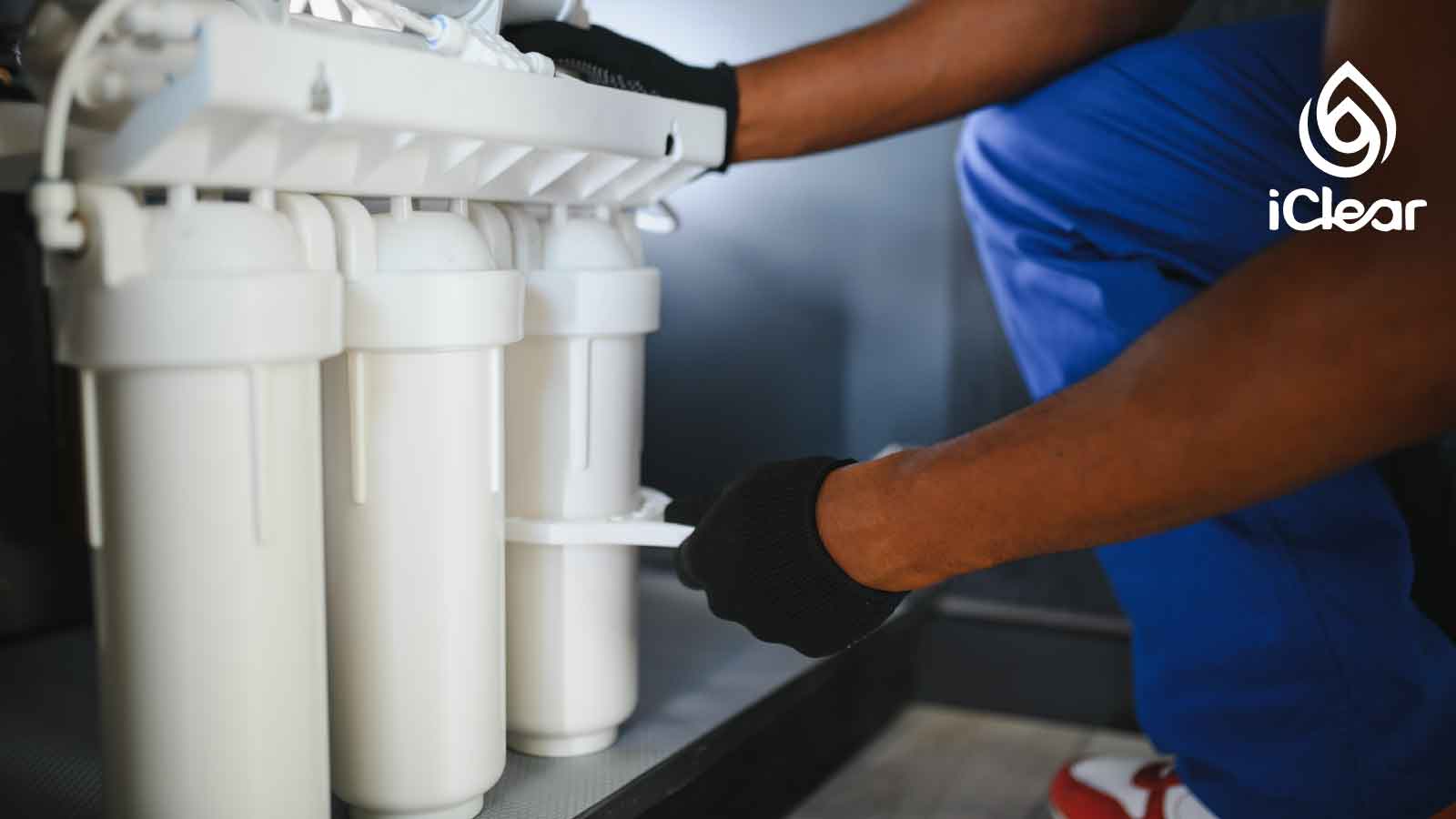
An RO system works by pushing water through multiple filtration stages, each with a specific role. Over time, these filters trap contaminants such as:
As filters become clogged or exhausted, they lose effectiveness and place strain on the entire system. In most cases, the recommended replacement interval for the first filter is every 6 to 12 months.
However, this is not a fixed rule.
Filter replacement timing depends on two key factors:
Poorer water quality causes filters to clog faster.
Higher daily usage means filters reach capacity sooner.
This is why some systems may need filter changes earlier than six months, while others may last slightly longer.
Failing to replace filters leads to a chain reaction of problems:
The RO membrane is the most critical and costly component. When pre-filters fail:
Replacing a damaged membrane is far more expensive than routine filter changes.
Clogged filters restrict flow, resulting in:
Skipping maintenance may seem like a saving, but it often leads to:
Preventive maintenance is always cheaper than corrective repairs.
A neglected RO system can become a liability rather than a solution. Risk include bacterial buildup in filters
Best practices include:
Routine maintenance ensures the system performs as designed.
RO systems are powerful tools for ensuring safe drinking water—but only when properly maintained. The filters are typically replaced every six months depending on water quality and consumption, plays a critical role in protecting the entire system.
Neglecting maintenance leads to declining water output, higher costs, and potential health risks. Proper care, on the other hand, extends system life, preserves performance, and ensures every glass of water remains safe and reliable.

Water Purification & Treatment Specialists
David Ochieng, a water purification specialist at iClear Wellife Services Ltd, has extensive experience delivering safe and reliable water treatment solutions for homes and offices across Kenya.