How Often Should You Test Your Borehole Water in Kenya?
14, Oct 2026
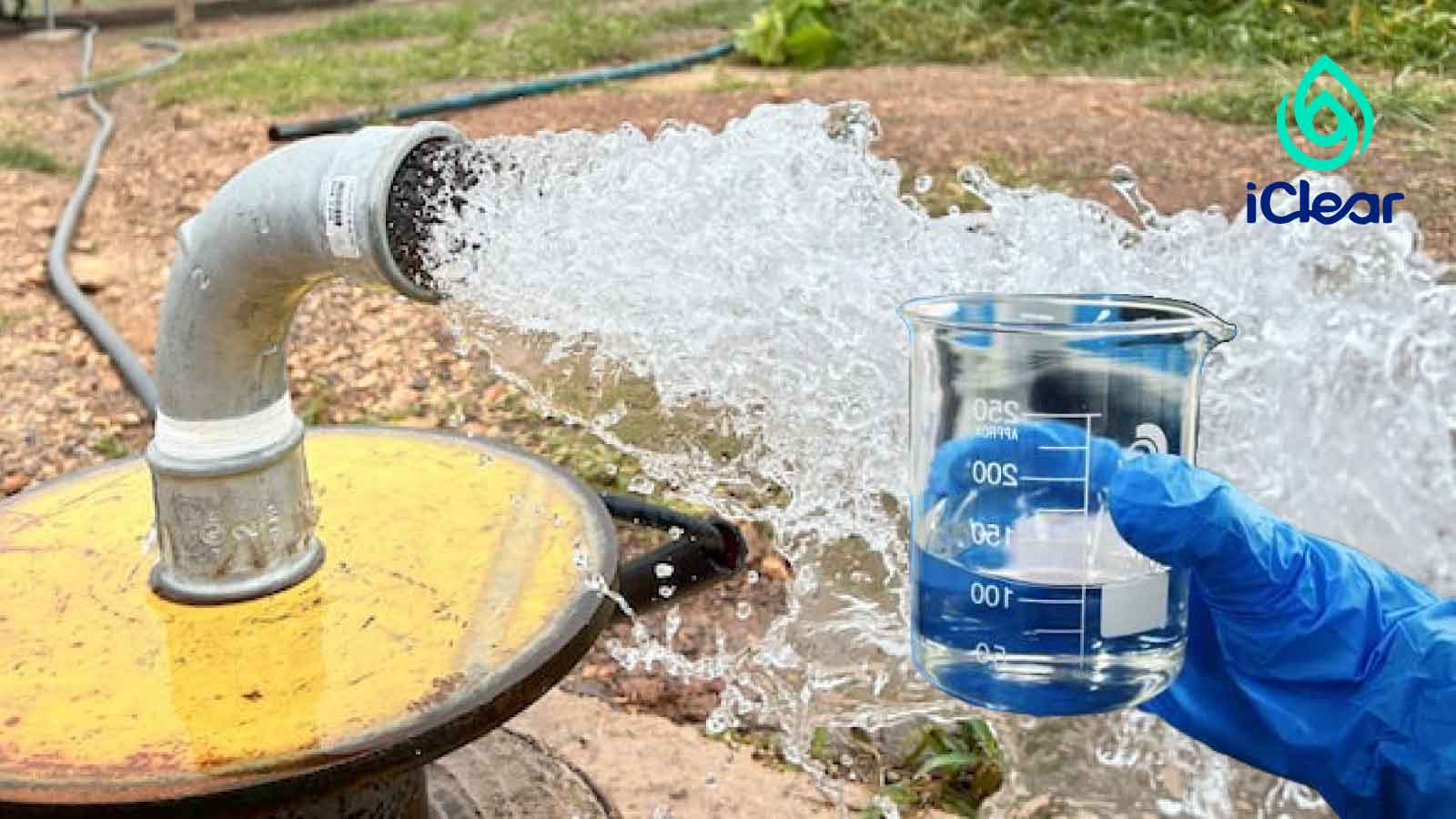
Kenya Water Act 2016 and KEBS KS 459 recommend testing private borehole water for bacteriological quality at least twice per year and for full chemical quality annually.
When a borehole is drilled and certified, owners often file the initial water quality report and assume no further testing is needed. But borehole water quality is not static. It changes with season, with changes in land use around the borehole, with ageing infrastructure and with the water table.
A study of peri-urban boreholes in Kiambu County found that 44% of boreholes that passed their initial certification showed elevated coliform counts within 18 months.
Source: Groundwater Quality Assessment in Kiambu County, Chuka University Repository.
|
Test Type |
Frequency |
What It Detects |
|
Bacteriological (E. coli, coliforms) |
Every 6 months |
Recent faecal contamination |
|
Physical-chemical (pH, TDS, hardness, nitrates) |
Annually |
Mineral imbalances, agricultural contamination |
|
Heavy metals (lead, arsenic, fluoride) |
Every 2–3 years or after change in local land use |
Industrial or geological leaching |
|
Pesticide residues |
After rainy season or nearby agricultural activity |
Agrochemical runoff |
Accredited laboratories for water testing include Kenya Water Institute (KEWI) in Nairobi, the Public Health Laboratory Services Branch labs in county hospitals, and several private analytical labs registered with the Kenya National Accreditation Service (KENAS).
Source: Kenya Water Institute, Water Quality Testing Services.
If bacteriological contamination is found, the first step is to check the borehole casing for cracks or a loose wellhead seal. The borehole can be shock-chlorinated to disinfect the system, after which re-testing confirms effectiveness. For chemical contamination, the appropriate treatment depends on the specific parameter, RO filtration handles a broad range including nitrates, heavy metals and pesticides.
Q: Is borehole water automatically safe because it comes from underground?
A: No. Shallow boreholes are especially vulnerable to surface contamination. Even deep boreholes can have naturally occurring fluoride, arsenic or other minerals at levels above safe limits.
Q: Can I test my borehole water myself?
A: Home test kits provide a rough bacteriological indication but are not accredited for official purposes and may miss important chemical parameters. Laboratory testing from a KENAS-accredited facility is recommended for reliable results.
Pair testing with reliable purification
iClear's RO purifiers provide consistent protection between your scheduled borehole tests. Find out more.
Keywords: borehole water testing Kenya, borehole water quality, how often test borehole, groundwater safety Kenya

Water Purification & Treatment Specialists
David Ochieng, a water purification specialist at iClear Wellife Services Ltd, has extensive experience delivering safe and reliable water treatment solutions for homes and offices across Kenya.