How Kenya's Flooding Season Contaminates Your Drinking Water
14, Oct 2026
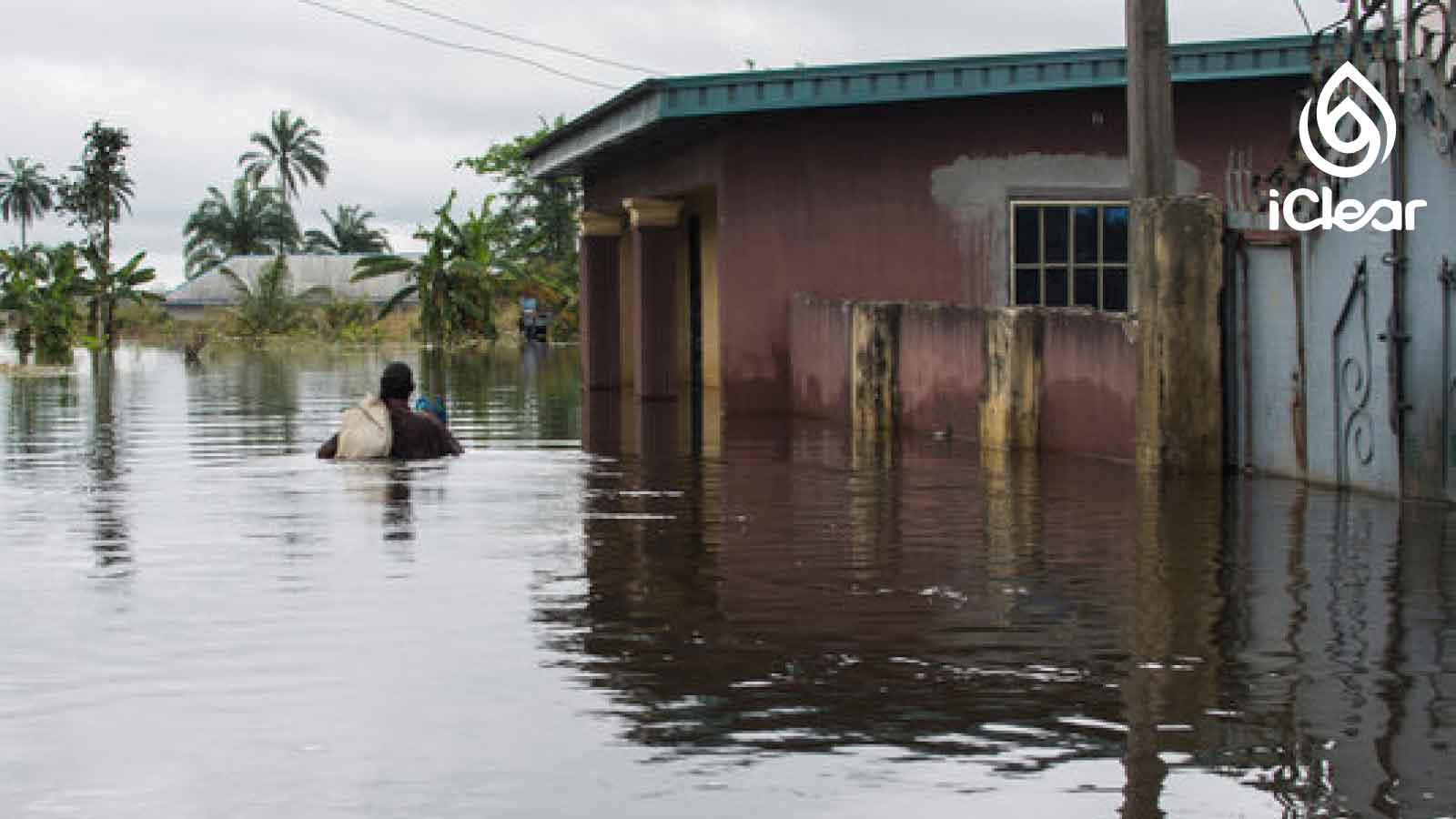
During the long rains, surface runoff carries agricultural chemicals, sewage and sediment into reservoirs and boreholes. Contamination peaks within 48 and 72 hours of heavy rainfall.
Kenya experiences two distinct rainy seasons, the long rains (March–May) and the short rains (October–December). Both bring intense downpours that routinely overwhelm municipal drainage systems and water treatment works. When flood water flows across farmland, settlements and industrial areas before reaching rivers and reservoirs, it carries a heavy load of contaminants.
The 2023 El Niño floods caused at least 31 counties to report elevated turbidity in municipal water supplies, prompting WASREB to issue advisories for residents in Kisumu, Nakuru and parts of Nairobi to boil water before drinking.
Source: WASREB Flood Advisory Update, November 2023.
|
Contaminant |
Source During Floods |
Health Risk |
|
E. coli / coliform bacteria |
Sewage overflow and animal waste |
Diarrhoeal disease, typhoid |
|
Nitrates |
Fertiliser runoff from farms |
Methemoglobinaemia in infants |
|
Turbidity / sediment |
Eroded soil and silt |
Harbours pathogens; reduces treatment efficacy |
|
Pesticide residues |
Agricultural land runoff |
Neurological and hormonal disruption (long-term) |
A common misconception is that boreholes are protected from surface contamination. In reality, poorly sealed borehole casings allow flood water to short-circuit down the annular space between the casing and the borehole wall. Research conducted in Kiambu County showed that coliform counts in shallow boreholes increased by an average of 340% during the first week after heavy rainfall events.
Source: Groundwater contamination during flood events, Kiambu County study.
Nairobi Water and Sewerage Company and county utilities increase chlorine dosing during high-turbidity events. However, high sediment loads can bind with chlorine, reducing its effectiveness, and treatment plants can be overwhelmed during extreme events, leading to partially treated water reaching households.
Q: Should I stop using my borehole during heavy rains?
A: You should increase monitoring frequency. Have a water quality test done within 72 hours of any significant flood event on your property.
Q: Will boiling alone make flood-contaminated water safe?
A: Boiling kills most bacteria and viruses but does not remove nitrates, pesticides or sediment. RO filtration addresses biological and chemical contaminants together.
Stay safe through every rainy season
iClear's multi-stage purifiers handle surges in turbidity, bacteria and chemical load. Find out more.
Keywords: Kenya flooding water safety, contaminated water rainy season, borehole flooding Kenya, water purifier rainy season

Water Purification & Treatment Specialists
David Ochieng, a water purification specialist at iClear Wellife Services Ltd, has extensive experience delivering safe and reliable water treatment solutions for homes and offices across Kenya.