How Kenya's Flooding Season Contaminates Your Drinking Water
14, Oct 2026
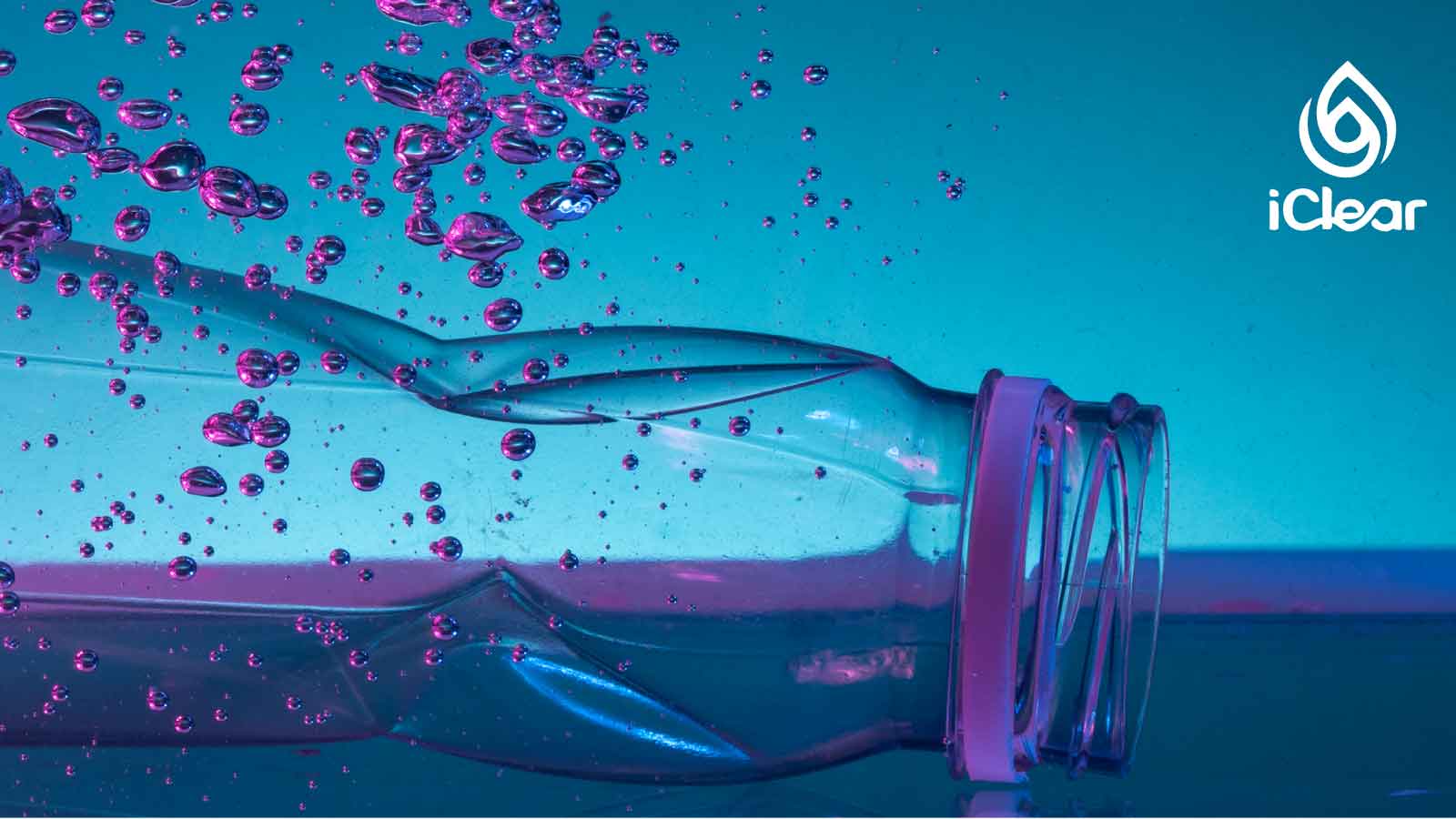
Microplastics have been detected in tap water, borehole water and even bottled water worldwide, including in East Africa. Reverse osmosis filtration removes over 99% of microplastic particles.
Microplastics are plastic fragments smaller than 5 mm, many invisible to the naked eye. They originate from degraded plastic packaging, synthetic textiles, vehicle tyres and industrial discharge. Once in the water cycle they are extremely difficult to remove through conventional treatment alone.
A 2018 study commissioned by Orb Media tested tap water from 14 countries and found plastic fibres in 83% of samples. A peer-reviewed analysis published in the journal Environmental Science & Technology estimated that adults consume between 39,000 and 52,000 microplastic particles every year through food and water alone.
Source: Environmental Science & Technology, Microplastic Ingestion Estimates, American Chemical Society, 2019.
Nairobi and other urban centres draw water from reservoirs and rivers that receive runoff from densely populated areas. Plastic litter decomposes in sunlight and breaks into fragments that enter the water table. Agricultural plastic mulch and greenhouse covers add to the load during the rainy season. Borehole water is not immune, plastics enter aquifer recharge zones through soil percolation.
Kenya generates an estimated 0.94 kg of solid waste per person per day, a significant fraction of which is plastic. Much of that waste is disposed of informally near waterways.
Source: Kenya National Solid Waste Management Strategy, NEMA 2021.
Current research is still establishing long-term health thresholds for microplastics. However, scientists have identified several areas of concern:
The World Health Organisation issued a preliminary risk assessment in 2019 calling for further research and improved water treatment standards.
Reverse osmosis (RO) forces water through a semi-permeable membrane with pores of approximately 0.0001 microns, far smaller than any microplastic particle. Independent tests show RO systems remove more than 99% of microplastics, including nanoplastic fractions that pass through conventional filters.
|
Filtration Method |
Approx. Pore Size |
Microplastic Removal |
|
Sediment filter |
5–50 microns |
Partial (large particles only) |
|
Activated carbon |
~1 micron |
Moderate |
|
Ultrafiltration |
0.01–0.1 micron |
High |
|
Reverse osmosis |
~0.0001 micron |
99%+ |
All iClear purifiers use multi-stage RO membranes specifically sized to intercept microplastic particles at every stage of the filtration process.
Q: Can boiling water remove microplastics?
A: No. Boiling kills pathogens but does not affect plastic particles. You need physical filtration, ideally reverse osmosis, to remove microplastics.
Q: Is bottled water safer than tap water for microplastics?
A: Studies show bottled water can contain equal or higher concentrations of microplastics than tap water, partly from the bottle itself. A certified RO filter is a more reliable solution.
Protect your family from microplastics
iClear's RO purifiers remove 99%+ of microplastic particles at every pour. Find out more.
Keywords: microplastics Kenya, drinking water safety Nairobi, reverse osmosis microplastics, water purifier Kenya

Water Purification & Treatment Specialists
David Ochieng, a water purification specialist at iClear Wellife Services Ltd, has extensive experience delivering safe and reliable water treatment solutions for homes and offices across Kenya.