Water Trucks in Kenya: Is It Actually Safe to Drink?
14, Oct 2026
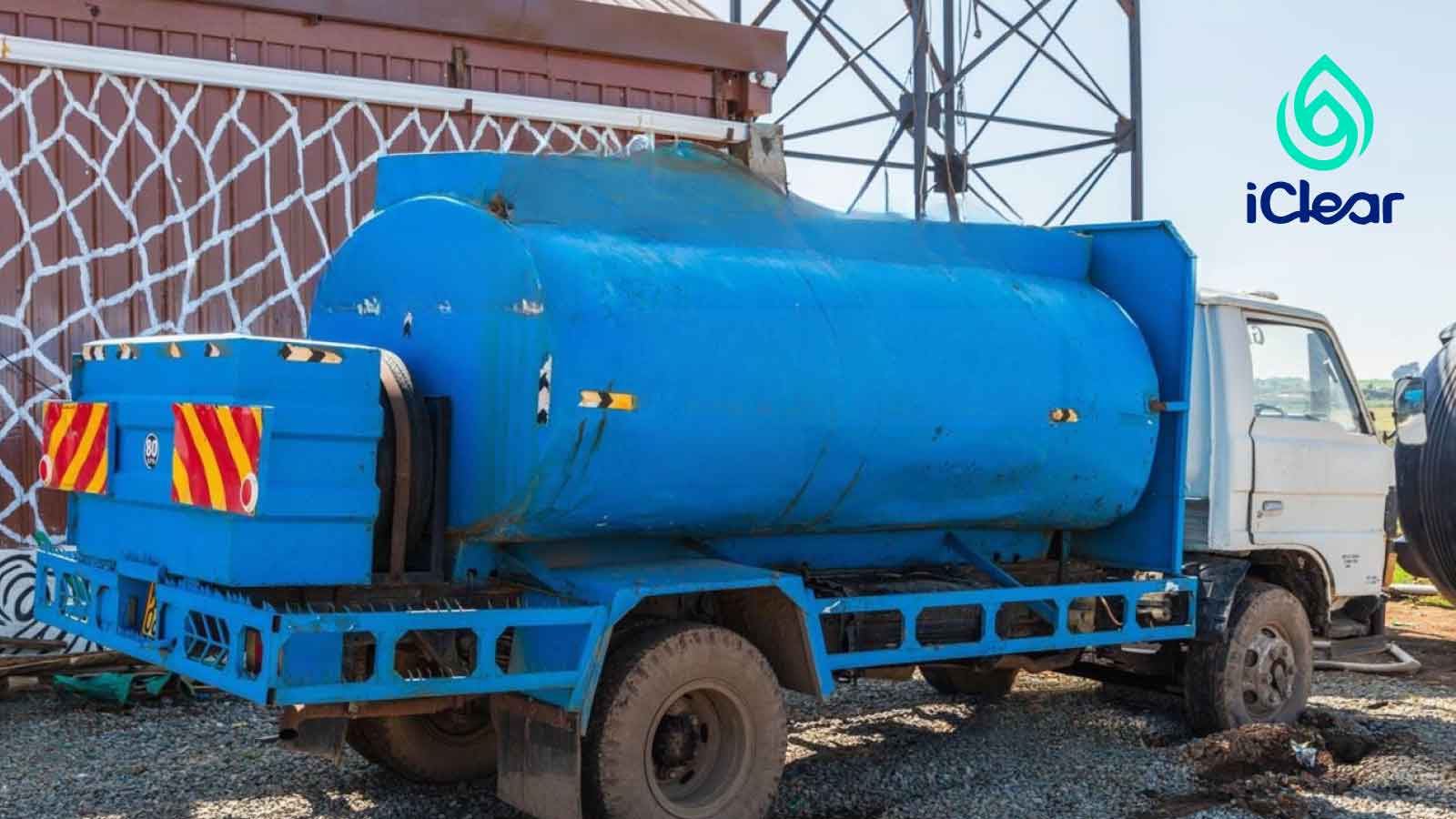
Independent testing of water trucks in Nairobi found coliform bacteria in over 60% of samples. Truck water should always be treated before drinking.
A significant portion of households and businesses in Nairobi, Mombasa and other urban centres supplement, or entirely depend on, water delivered by tanker trucks, locally known as lorries. This is particularly true during water rationing, in peri-urban estates without piped connections and in informal settlements.
AFIDEP estimates that approximately 3.9 million urban Kenyans use water purchased from vendors or trucks as their primary supply.
Research published in the East African Medical Journal tested bowser water samples from 12 routes across Nairobi and found:
|
Test Parameter |
WHO Limit |
% of Samples Exceeding Limit |
|
Total coliform bacteria |
0 per 100 ml |
63% |
|
E. coli |
0 per 100 ml |
41% |
|
Turbidity |
1 NTU |
28% |
|
Total dissolved solids |
1,000 mg/L |
19% |
Source: Microbiological quality of water sold by vendors in Nairobi, East African Medical Journal.
If bowser water is your primary source, these practices reduce contamination risk until a permanent solution is in place:
A point-of-use RO purifier connected to your household tap treats water regardless of its source, whether municipal, borehole or bowser, so you have consistently safe drinking water even when your supply quality varies. The iClear Standard purifier is designed precisely for this scenario: it handles variable input quality and produces verified safe output at the tap.
Q: Can I identify unsafe bowser water by colour or smell?
A: Not reliably. Coliform bacteria and E. coli produce no visible colour or odour. Laboratory testing or on-site purification is the only reliable safeguard.
Q: Is it legal to sell untreated bowser water in Nairobi?
A: It is not. WASREB regulations require all commercial water vendors to supply treated water meeting Kenya Bureau of Standards KS EAS 12. Enforcement remains inconsistent.
Treat any water source, reliably
iClear purifies municipal, borehole and bowser water to KS EAS 12 standard at every pour. Find out more.
Keywords: bowser water safety Kenya, water tanker quality Nairobi, is bowser water safe, water vendor Kenya

Water Purification & Treatment Specialists
David Ochieng, a water purification specialist at iClear Wellife Services Ltd, has extensive experience delivering safe and reliable water treatment solutions for homes and offices across Kenya.