Why Is My RO Purifier Producing Less Water Than It Used To?
22, Oct 2026
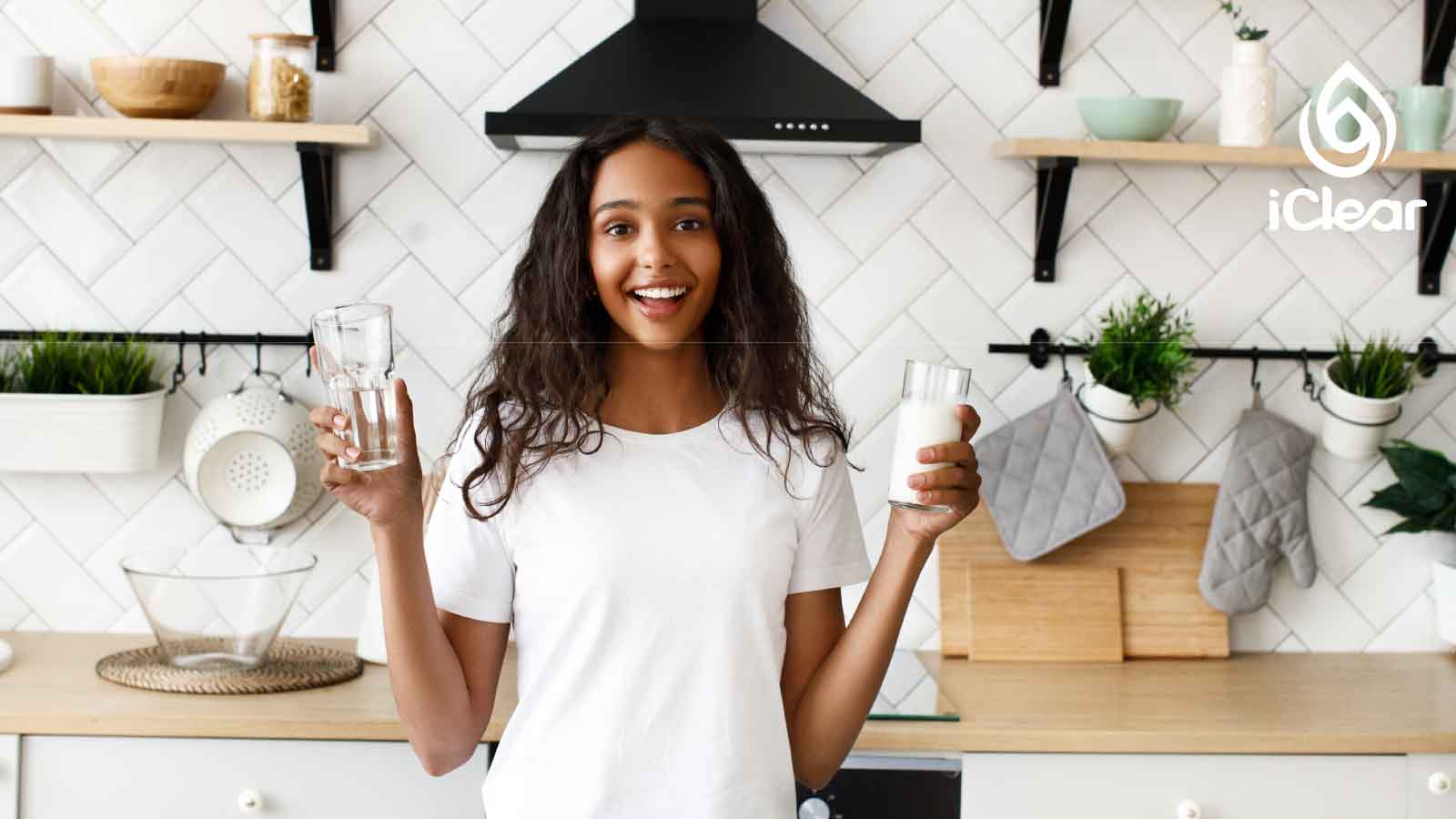
Relocating to a new house or apartment in Nairobi involves a long list of priorities: painting, shifting furniture, setting up internet, and organizing security. However, one critical element is frequently overlooked until after move-in day: checking the quality of the property's drinking water.
Water quality in Nairobi varies dramatically from one estate to the next, and assuming a new home has clean water can lead to serious health issues and unexpected costs.
When you move into a new Nairobi neighborhood, your water profile is determined by local infrastructure and groundwater geology:
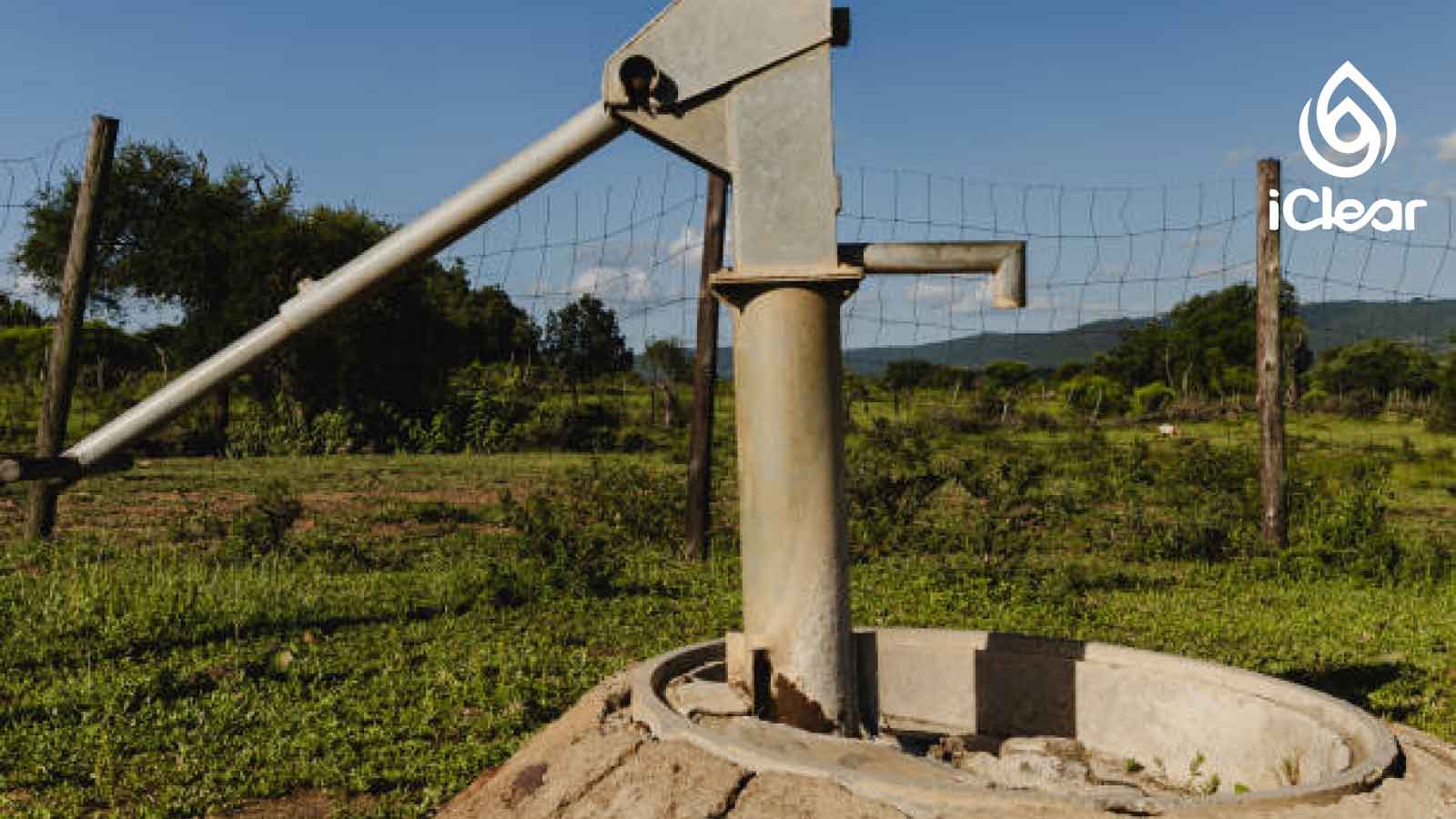
Many renters and buyers assume upscale addresses come with pristine water. However, Karen and Runda rely heavily on private property boreholes. While TDS levels are moderate (150 to 180 ppm), deep groundwater carries elevated calcium, magnesium, and dissolved iron that scale kettles and alter beverage taste.
In Eastlands, municipal water supply is highly intermittent. Landlords rely on large underground and overhead storage tanks that are rarely cleaned. Water sitting in these tanks gathers rust, biofilm, and sediment sludge that flows directly into your apartment's taps.
If you are moving to Kitengela or Syokimau, municipal water is scarce, and boreholes dominate. Water here measures at high TDS levels (450 to 600 ppm) and frequently carries high fluoride levels. Unfiltered water in these areas tastes salty and poses long-term dental risks for children.
Before settling into your new property, run through these four practical checks:
You cannot change your landlord's plumbing or the neighborhood's underlying geology, but you can control what comes out of your drinking tap.
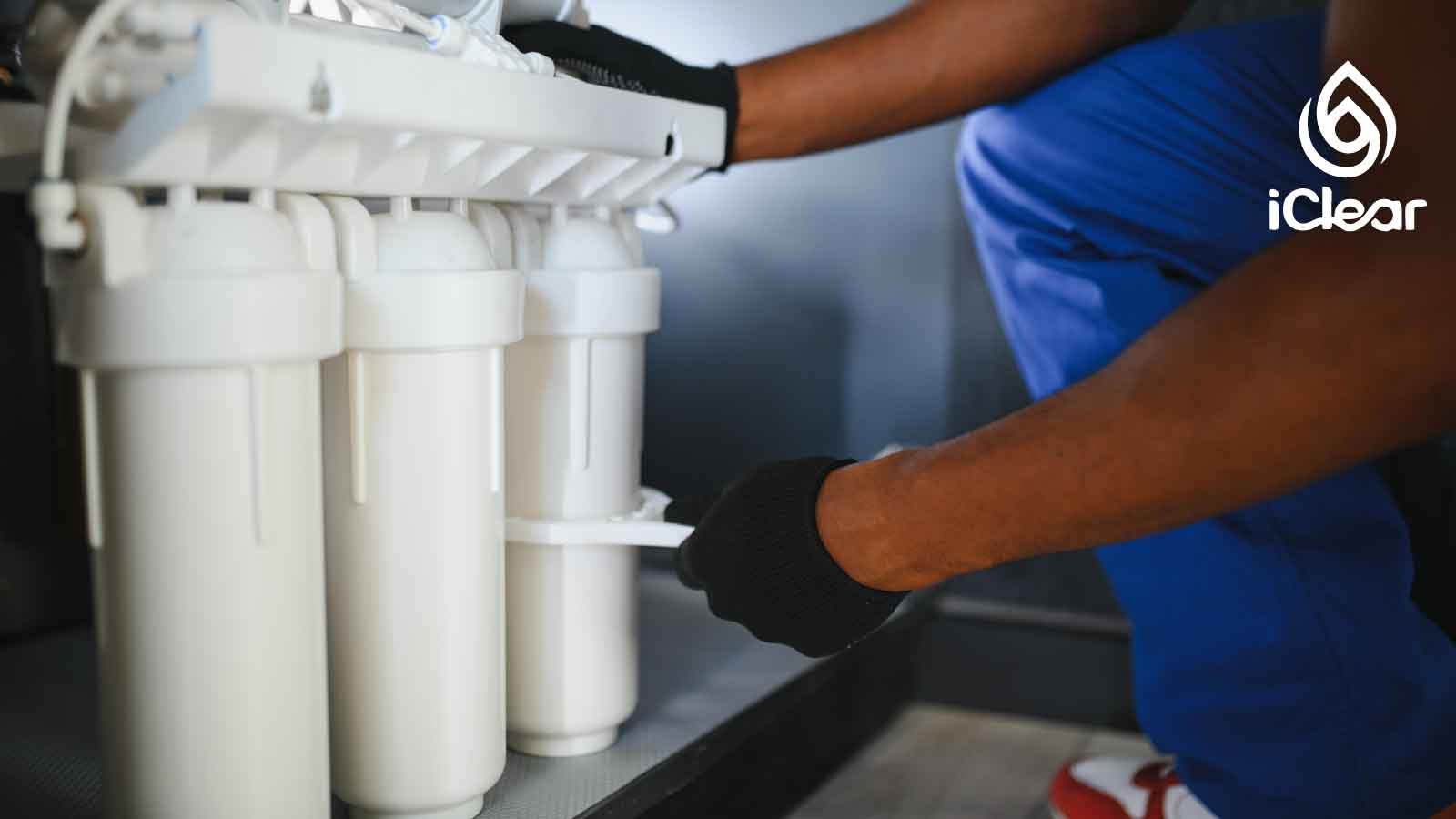
Installing an iClear Standard under-sink Reverse Osmosis system takes just 30 to 45 minutes on installation day. Our professional technicians assess your plumbing, mount the system, flush the filters, and connect a dedicated stainless-steel faucet directly to your sink counter.
If you are renting and prefer not to modify under-sink plumbing, the iClear Desktop offers a portable, plug-and-play solution that sits directly on your kitchen counter, providing high-level RO purification with zero plumbing changes required. You can also book a free water assessment before you unpack.
Start your life in your new home with complete peace of mind.
Schedule your iClear installation today.
Free delivery and professional installation in Nairobi and Nakuru. Visit the iClear shop or contact our installation team.
Keywords: new home Nairobi water, water purifier Nairobi, storage tank contamination, Karen water quality, Eastlands water quality, iClear installation, iClear Kenya

Water Purification & Treatment Specialists
David Ochieng, a water purification specialist at iClear Wellife Services Ltd, has extensive experience delivering safe and reliable water treatment solutions for homes and offices across Kenya.