Why Is My RO Purifier Producing Less Water Than It Used To?
22, Oct 2026
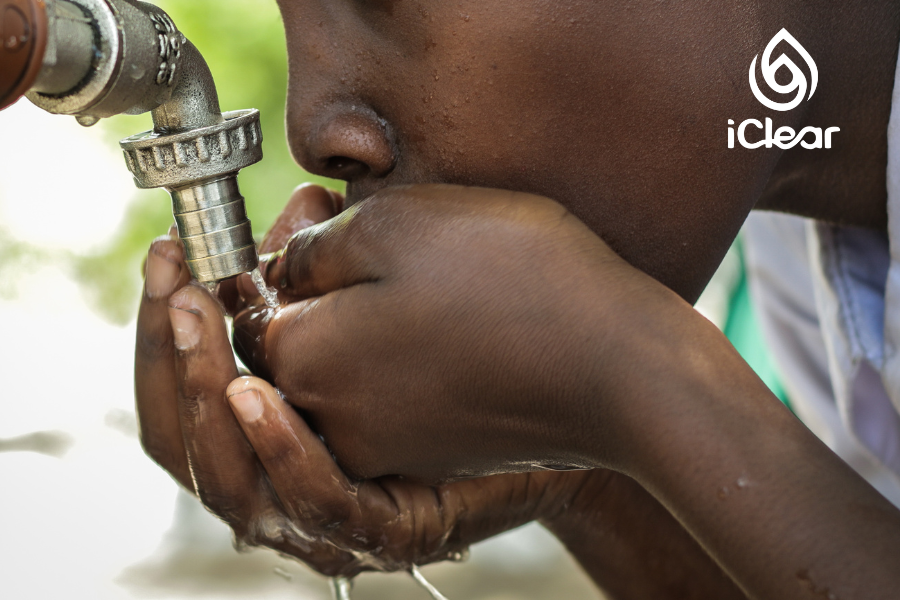
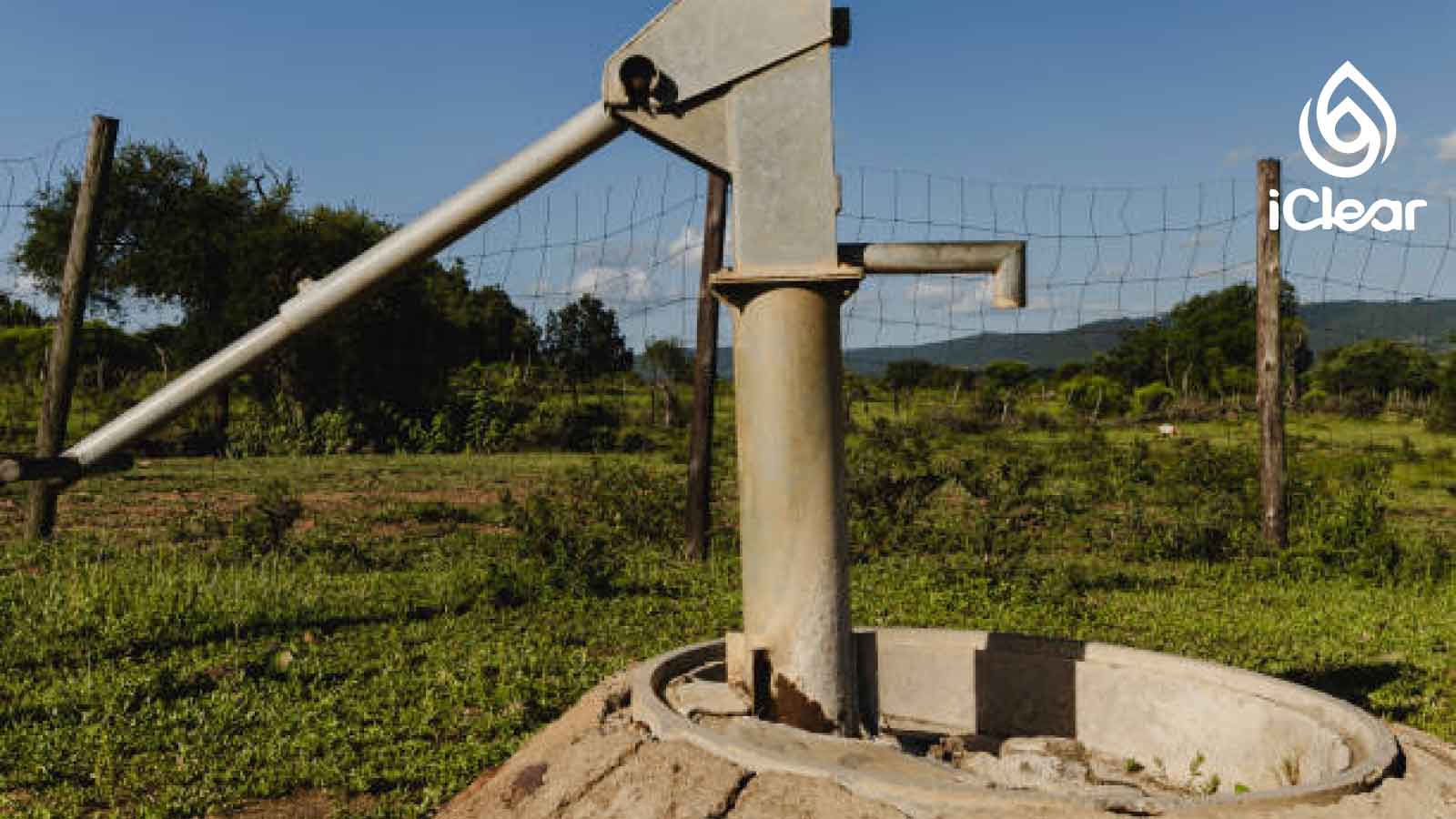
Kitengela borehole water is commonly high in dissolved salts and minerals, with TDS readings iClear has measured in the 450 to 600 ppm range. This gives the water a salty taste that boiling cannot fix. Reverse Osmosis reduces the dissolved salts and makes the water clean to drink.
The most common report from Kitengela households is a salty or mineral taste to the borehole water, one that survives boiling and filtering through a basic jug. Alongside the taste, families notice scale building up on kettles and appliances, and water that simply does not feel as clean as they expected. These are all signs of the same underlying cause: a high dissolved-solids load in the groundwater.
iClear's field team has measured borehole water in Kitengela and neighbouring Kajiado in the 450 to 600 ppm TDS range. To put that in context, drinking water below 300 ppm is generally considered excellent, while readings above 600 ppm signal significant dissolved contamination. Kitengela borehole water sits in the range where the dissolved load is high enough to taste and high enough to be worth removing.
This is the frustrating part for many Kitengela families. Boiling the water, the instinctive response, does nothing about the salty taste, because the salts are dissolved rather than suspended. Boiling removes bacteria, which matters, but it leaves every dissolved salt in place, and by evaporating some of the water it can make the taste slightly stronger. Basic carbon and sediment filters have the same limitation: they improve clarity but do not touch dissolved salts.
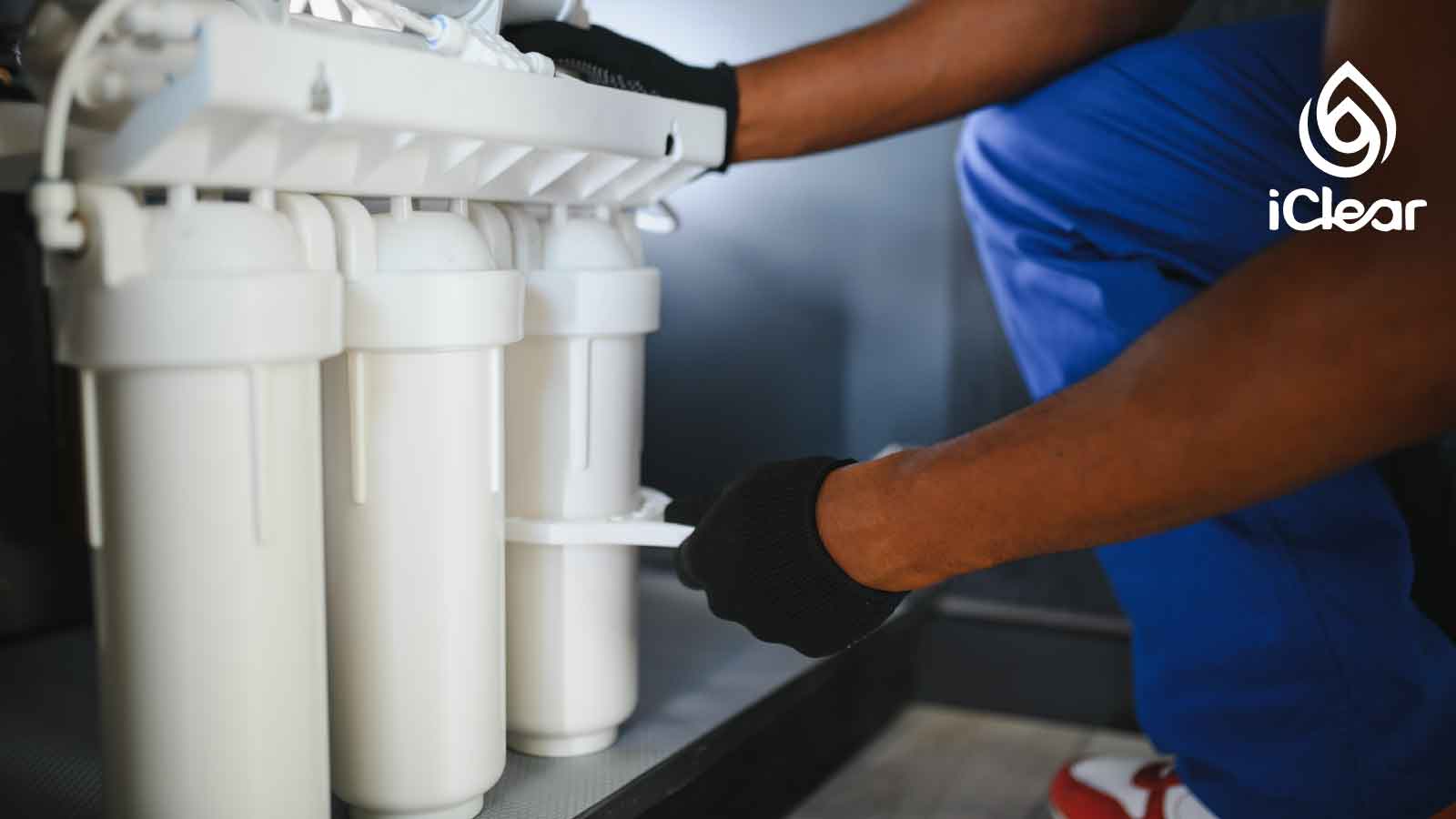
Reverse Osmosis is the method that reduces dissolved salts. It forces the water through a membrane fine enough to block the salts and minerals causing the taste, typically cutting TDS by 90% or more, so a 550 ppm Kitengela reading can come down below 50 ppm. The iClear Standard is built for exactly this kind of high-TDS borehole water and installs under the sink with free professional installation. For families renting in Kitengela's many apartments, the portable iClear Desktop delivers the same RO purification with no plumbing.
Kitengela's water problem is a dissolved-salt problem, and it has one reliable household solution: Reverse Osmosis. The salty taste that boiling cannot fix is exactly what RO is designed to remove.
Q: Why does Kitengela borehole water taste salty?
A: Because the groundwater carries a high load of dissolved salts and minerals, with TDS commonly in the 450 to 600 ppm range in iClear's field measurements. The salts are dissolved, so the water can look clear while tasting salty, and boiling does not remove them.
Q: What is the TDS of Kitengela borehole water?
A: iClear has measured Kitengela and neighbouring Kajiado borehole water in the 450 to 600 ppm TDS range. Drinking water below 300 ppm is considered excellent, so Kitengela's readings sit in the range where the dissolved load is worth removing.
Q: How do I fix salty borehole water in Kitengela?
A: Reverse Osmosis removes the dissolved salts that cause the taste, cutting TDS by 90% or more. Boiling and basic filters do not. An RO system such as the iClear Standard, or the portable Desktop for renters, is the practical household solution.
Fix Kitengela's salty water for good.
Free delivery and professional installation in Nairobi and Nakuru. Visit the iClear shop.
Keywords: kitengela borehole water, kitengela water salty, kitengela water tds, salty borehole water kenya, kitengela water purifier, iClear Kenya

Water Purification & Treatment Specialists
David Ochieng, a water purification specialist at iClear Wellife Services Ltd, has extensive experience delivering safe and reliable water treatment solutions for homes and offices across Kenya.