

Search

Subtotal: KSh 0
Checkout View Cart

Water Purification

Has the cold weather given you chills? We have the solution

Has the cold weather given you chills? We have the solution

Feeling the Chill? Kenya’s cold season often makes people shy away from drinking enough water. Many turn to boiling water for safety and warmth, but let’s be honest it takes time, fuel, and sometimes changes the taste. That’s where water purifiers come in. They provide safe, clean water instantly, whether you want it warm for tea or cool for refreshment. Why Water Purifiers Are the Smarter Choice Water purifiers solve these problems quickly and efficiently. With modern filtration systems, they remove bacteria, parasites, and even chemical pollutants something boiling alone cannot guarantee. Benefits include: Instant access to clean water without waiting for it to cool. Better taste because filters remove odors and sediments. Cost savings by reducing fuel and electricity bills. Consistency, ensuring your family has safe water all year round. And here’s the best part you can still warm the purified water for tea or porridge without worrying about contamination. Stay Healthy, Even in the Cold Cold weather lowers our natural urge to drink water, yet our bodies still need hydration. Having a purifier at home makes it easier to keep water safe, fresh, and appealing to drink. It keeps your family healthy by reducing the risk of waterborne diseases. We know it’s cold, but your family’s need for clean water doesn’t stop. Instead of relying only on boiling, invest in a water purifier a reliable, cost-effective, and convenient solution. Whether you prefer your water warm or cool, a purifier ensures every sip is safe

Do you know the most common waterborne diseases in Kenya?

Do you know the most common waterborne diseases in Kenya?

Access to safe water is still a challenge in Kenya, both in rural villages and urban areas like Nairobi. Old water pipes, sewage leaks, and contaminated wells put families at risk of diseases that could easily be prevented. Clean water is about protecting lives. Common Waterborne Illnesses Unsafe water is responsible for several common illnesses: Cholera causes severe watery diarrhea and dehydration, often spreading quickly during floods. Typhoid fever, caused by Salmonella typhi, leads to fever, stomach pain, and fatigue. Diarrheal diseases remain a leading cause of death among children under five. Dysentery brings bloody diarrhea and cramps. Hepatitis A spreads through contaminated water, affecting the liver. Giardiasis and bilharzia are parasitic infections common in rural areas where rivers and ponds are used for washing. Why Are Kenyans at Risk? Even where water is available, contamination is widespread. In informal settlements, poor sanitation pollutes nearby water sources. In cities like Nairobi, old pipes and illegal connections often allow for the contamination of water before it reaches homes. Children, pregnant women, and the elderly are especially vulnerable. How to Prevent Water-Related Illnesses The good news is that most of these diseases are preventable. Simple practices go a long way: Boil or filter drinking water, Use water purifiers for reliable long-term protection, Store water in clean, covered containers with taps, Wash hands before eating and after using the toilet. Why Water Purifiers Matter Unlike boiling, which only kills germs, purifiers also remove parasites and chemicals. They are safer, faster, and more cost-effective in the long run making them an essential investment for households in Nairobi and beyond . Waterborne diseases remain one of Kenya’s biggest public health challenges, but prevention starts at home. By improving hygiene and using purifiers or filters, families can protect themselves and secure a healthier future. Clean water is a right for all of us.  

Tired of Buying Bottled Water Every Week? Here’s a Better Way for Your Family

Tired of Buying Bottled Water Every Week? Here’s a Better Way for Your Family

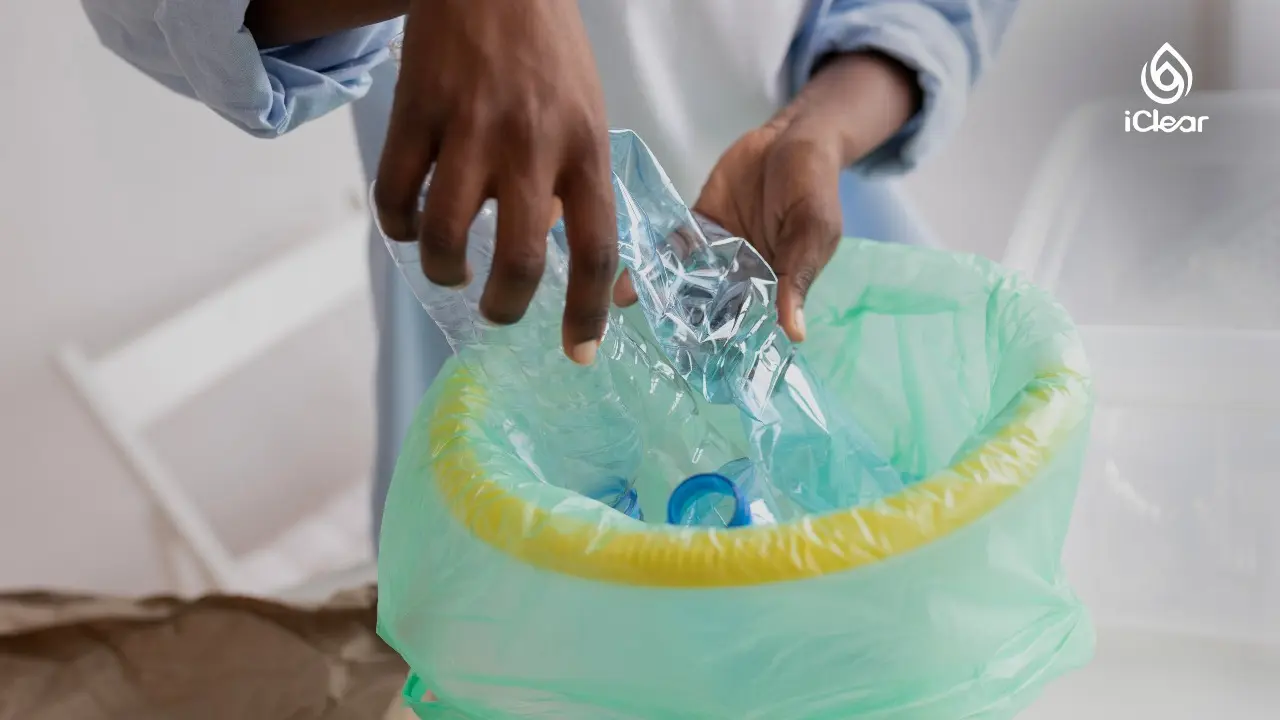
Let us be honest, lugging bottles of water from the supermarket every single week gets old fast. And while we all want safe drinking water at home, bottled water is not always the best long term solution for your family or the planet. So, what’s the smarter, more environmentally sustainable option? Meet the real heroes: Reverse Osmosis and UV water purifiers. Why Say Goodbye to Bottled Water? Bottled water may look clean and convenient, but it comes at a cost: Plastic bottles pile up in our homes and end up in the environment Most are never recycled, even if you try They cost your family more over time And they add to Kenya’s growing plastic pollution problem If we all keep using bottled water, our kids could be stuck living in a world full of plastic waste. Not ideal, right? RO Water Purifiers – Great for Borehole or Salty Water. If your home uses borehole water (like many areas in Syokimau, Kitengela, or Rongai), a Reverse Osmosis water purifier is a game changer. Here’s why families love Reverse Osmosis systems. Removes harmful stuff like lead, fluoride, and salts Makes borehole water taste clean and fresh No need to boil water or keep buying bottled options Saves money long-term A personal water-cleaning machine right on your kitchen counter! The Family-Friendly, Environmentally Sustainable Option. Switching to a purifier is also a way to teach your kids about caring for the environment. Every time you refill a glass instead of tossing a plastic bottle, you’re making a small choice that adds up. Cleaner water + less plastic = a happier, healthier home. Safe Water Doesn’t Have to Be Hard Work Being a parent means making a thousand decisions every day this one’s easy. With Reverse Osmosis or UV water purifiers, your family gets clean, safe drinking water every day, without the plastic waste, the weekly spending, or the heavy lifting. Want to make the switch? Explore trusted, affordable Reverse Osmosis and UV purifiers in Kenya today.  

Is Boiling Water Better Than Using a Purifier?

Is Boiling Water Better Than Using a Purifier?

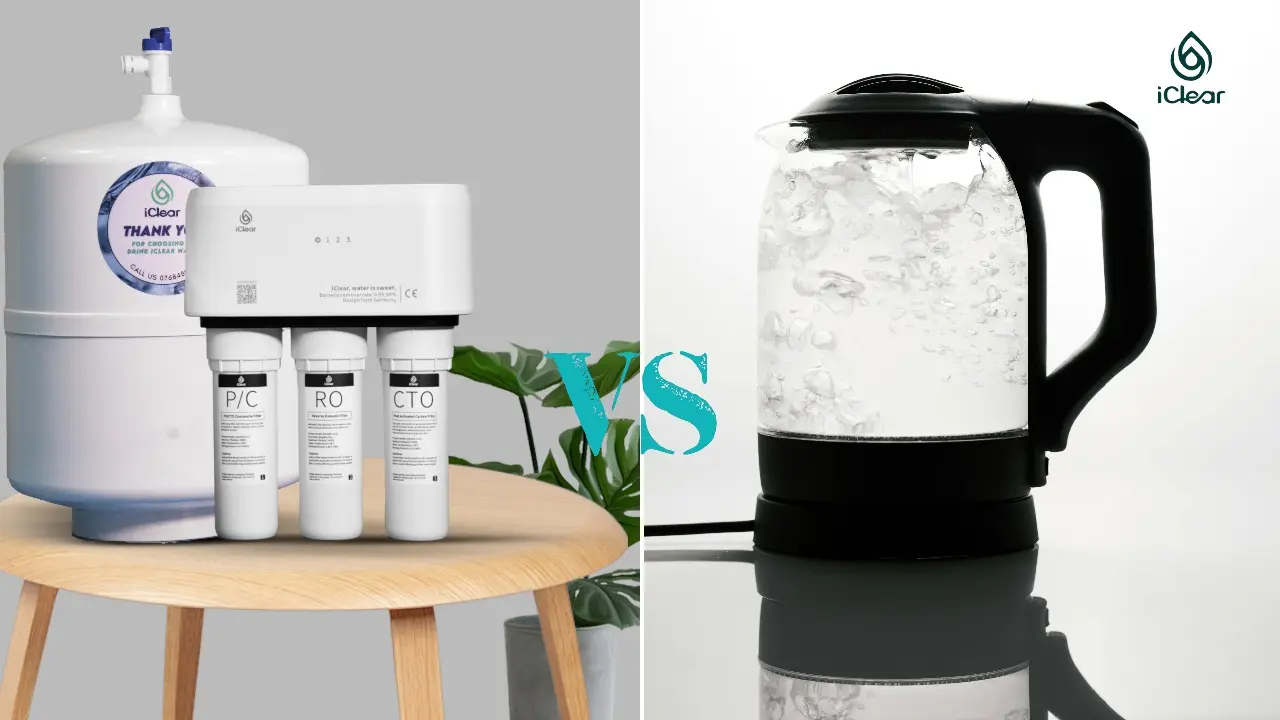
Is boiling water really enough to keep my family safe? Or is it time to get a water purifier? In this article, we're going to explore a debate many Kenyan families have had: Is boiling water better than using a purifier? Let’s break it down using everyday logic, with just the right amount of science. Boiling Water: The Good Old Tradition What Boiling Removes Our parents and grandparents swore by boiling. And they weren’t wrong. Boiling water: Kills most bacteria, viruses, and parasites Can be done with a kettle, jiko, or even over firewood What Boiling Doesn’t Do Boiling doesn’t remove heavy metals or chemicals It does nothing for the taste or odor Water Purifiers: The Modern-Day Upgrade Types of Water Purifiers You can choose from: Reverse Osmosis systems – Removes salts, heavy metals, and bacteria UV filters – Great for killing germs UF filters – Good for visible dirt and microbes Carbon filters – Makes water taste fresh by removing chlorine Boiling vs Water Purifier Effectiveness Boiling kills germs. Purifiers do that and more they clean out chemicals and improve taste. So if you’re after total protection, purifiers win. Cost and Energy Boiling seems cheap until you calculate the cost of gas, charcoal, or electricity. Plus, time. Purifiers need an upfront investment, but they save you time and money in the long run. Environmental Impact Boiling over charcoal? Not great for the environment. Bottled water? Worse. A purifier reduces waste and carbon footprint. When Boiling Still Wins If you're camping or traveling upcountry Emergencies where no purifier is available When a Purifier Makes More Sense Daily use If you rely on borehole or river water If your water has a funny smell or taste Families with kids or elderly folks Boiling works. But if you want to go beyond just killing germs to remove chemicals, metals, and make your water actually taste good a purifier is your best friend. Boil when you must. Purify when you can. And always, always put your health first.  

Reverse Osmosis vs Ultra Violet Water Purifiers: Which is Best in Kenya?

Reverse Osmosis vs Ultra Violet Water Purifiers: Which is Best in Kenya?

For many households in Kenya, the search for clean, safe drinking water is more than just a convenience it’s a necessity. Water may flow from taps or boreholes, but what hides within it often goes unnoticed until the damage is done. The question Kenyan families now ask is, Should I choose a Reverse Osmosis vs Ultra Violet water purifier for my home? This guide will help you answer that question. Understanding Reverse Osmosis vs Ultra Violet Water Purifiers What is an Reverse Osmosis Water Purifier? Reverse Osmosis (RO) water purifiers use a semi-permeable membrane to remove: Dissolved salts Heavy metals such as lead and iron Chemicals like pesticides Bad tastes and odors RO water purifiers are especially useful for homes using borehole water or salty water sources. What is a UV Water Purifier? Ultraviolet (UV) water purifiers use ultraviolet light to: Kill bacteria, viruses, and parasites Prevent waterborne diseases like cholera and typhoid UV systems are best suited for municipal and tap water that looks clear but may be biologically unsafe. When Should You Choose Reverse Osmosis + Ultra Violet Purifier? Sometimes, a single solution is not enough. If you: Are unsure about your water source Use water that changes frequently (tap one season, borehole the next) Want the highest level of protection Then a combined Reverse Osmosis + Ultra Violet water purifier is the safest choice. It gives you comprehensive purification, removing salts, metals, chemicals, and biological contaminants in one system. How to Choose the Best Water Purifier in Kenya Know Your Source: Tap, borehole, or water vendors? Each has different risks. Budget Wisely: Reverse Osmosis purifiers are more expensive but offer wider protection. Consider Maintenance: Most systems require filter changes every 6–12 months. Check Electricity: Both Reverse Osmosis and Ultra Violet systems need power to run.  

Do You Need a Water Purifier System for Your Home in Kenya?

Do You Need a Water Purifier System for Your Home in Kenya?

Discover why Reverse Osmosis water purifiers are essential for clean, safe drinking water in your home. Every day, countless homes across Kenya pour a glass of water that looks perfectly clean. But as many people are now learning, especially in urban estates and rural towns, what you can’t see is often what can harm you. In many parts of Kenya, clean-looking water isn’t always safe water. This is why more families are asking: Do I need a water purifier system for my home? The answer is becoming increasingly clear: Yes.   Why You May Need a Water Purifier in Kenya 1. Unreliable Tap Water Quality In most Kenyan towns, tap water is not consistently safe. It may pass the eye test clean and clear but it can still carry bacteria, chemicals, and dissolved solids. The water can also get contaminated again as it travels through old, rusty pipes or is stored in poorly maintained tanks. 2. Common Water Contaminants in Kenya ✔️ Bacteria and Viruses: Cholera, Typhoid, E. coli ✔️ Heavy Metals: Lead, Iron, Mercury ✔️ Chemical Pollutants: Pesticides, Industrial Waste ✔️ Salts and Hard Water: Especially common in borehole water 3. Health Risks from Untreated Water Without proper purification, your home’s water could expose you to: Frequent stomach upsets Long-term health risks from heavy metal exposure Dangerous waterborne diseases like typhoid and cholera 4. Borehole Water Problems If you rely on borehole water, you may already notice the signs: A salty taste White residue on utensils Hard water that leaves stains This is usually caused by dissolved salts and heavy metals. In such cases, a Reverse Osmosis (RO) water purifier is the most effective solution. It doesn’t just clean the water it transforms it.   The Solution: Reverse Osmosis Water Purifiers in Kenya Whether you use borehole water, municipal supply, or buy from water vendors, having a water purifier system is becoming a necessity in Kenya. Reverse Osmosis Water Purifiers remove salts, metals, chemicals, and improve taste. Reverse Osmosis Water Purifiers kill harmful bacteria and viruses quickly. With the right system, you can enjoy safe, great-tasting, and affordable drinking water every day.