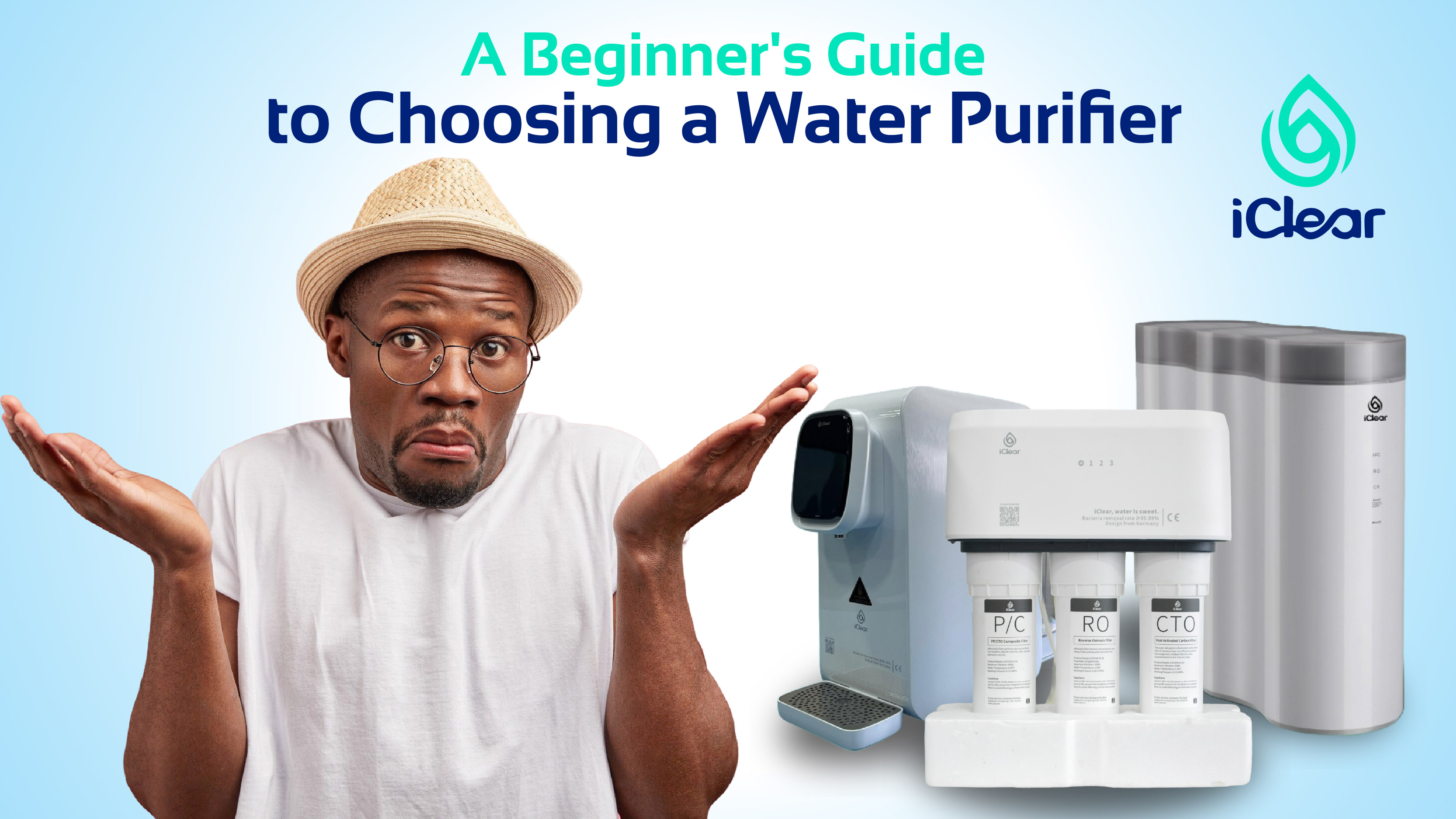
The water purifier market in Kenya has grown rapidly, and with so many options available, choosing the right one can feel overwhelming. This guide breaks it down simply, so you can make a confident, informed decision for your home or business. Step 1: Know your water source The first question to ask is where your water comes from. Different sources carry different risks, and the right water purification machine depends on what you are dealing with: Municipal/tap water, typically treated but may contain chlorine byproducts, heavy metals from old pipes, and bacteria from distribution Borehole water, with risk of fluoride, nitrates, iron, and microbial contamination Rainwater, relatively clean at source but can pick up contaminants from roofs, gutters, and storage tanks Surface water from rivers and dams, the highest contamination risk, requiring the most comprehensive treatment Step 2: Understand the technology Not all water filters are created equal. Here is a quick overview of the main technologies available: Activated carbon filters, good for taste and odour but limited against bacteria and heavy metals Ceramic filters, effective against bacteria and sediment but slow and not suitable for chemical contaminants UV purifiers, kills bacteria and viruses but does not remove dissolved chemicals or heavy metals Reverse Osmosis (RO), the most comprehensive solution, removing up to 99% of all contaminants including bacteria, viruses, heavy metals, and chemicals For Kenya's water conditions, Reverse Osmosis is the recommended standard. It is the technology at the heart of every iClear water purifier, and it is why iClear systems are trusted across Kenya and Africa. Step 3: Look for certification In Kenya, the Kenya Bureau of Standards (KEBS) is the benchmark for water purification equipment. Always look for a water purifier that carries KEBS certification. It means the product has been independently tested and verified to meet national safety standards. Every iClear water purifier is KEBS-certified, giving you the confidence that what you are installing in your home has been validated by an independent authority. Step 4: Consider capacity and usage How much water does your household use daily? A single person needs roughly 2 to 3 litres of drinking water per day. A family of five needs at least 10 to 15 litres. Make sure the water purification machine for home use you choose has the capacity to meet your daily needs without running dry. Step 5: Factor in the total cost, including installation When evaluating the water purifier price in Kenya, most buyers look at the machine price and stop there. But installation is a cost that catches many people off guard. Hiring a general plumber who is unfamiliar with water purification systems is a risk. Incorrect installation can disrupt your home's entire water supply, and the cost of fixing it can exceed what you paid for the machine. This is one of the most overlooked advantages of choosing iClear Wellife. Every iClear purchase includes free delivery and professional installation in Nairobi, its environs, and Nakuru, carried out by technicians who are trained specifically in water purification systems. No other water purifier brand in Kenya offers this as standard. With iClear, what you see is what you pay. Free delivery, free professional installation, and a KEBS-certified system set up correctly from day one. No hidden costs, no risk to your plumbing. Why iClear is Kenya's smartest choice With years of experience serving homes and businesses across Kenya and Africa, iClear Kenya combines cutting-edge Reverse Osmosis water filtration technology with unmatched local expertise and a service offering that no competitor matches. Whether you are a first-time buyer or upgrading an existing system, iClear has the knowledge and the product range to match your needs. Ready to choose the right water purifier for your home? Contact iClear Kenya today for a free consultation. We will identify the perfect solution for your water source and budget, and deliver and install it for free in Nairobi and Nakuru. Tags: water purifier Kenya, water purification machine, water filter, Reverse Osmosis, iClear water purifier, water purification machine for home use, water purifier price Kenya, iClear Wellife, iClear Kenya, water filtration system Kenya
Most people only think about their water quality after something goes wrong, a stomach illness, a strange smell, or a warning from a neighbour. But the signs that your home needs a water filtration system are usually there long before a crisis hits. Here are 10 you should never ignore. 1. Your water has an unusual smell A rotten egg smell often signals hydrogen sulphide, a gas produced by certain bacteria in groundwater. A chlorine smell suggests heavy chemical treatment. Either way, something in your water needs addressing. 2. Your water tastes metallic or bitter A metallic taste is one of the most common signs of heavy metal contamination, including iron, copper, zinc, or lead. These are not just unpleasant. They are a genuine health risk with long-term exposure. 3. Your water looks cloudy or discoloured Turbid or discoloured water is a visible sign of suspended particles, sediment, or microbial activity. If your water is not crystal clear, it is not clean enough. 4. You or your family experience frequent stomach upsets Recurring diarrhoea, nausea, or stomach cramps, particularly in children, can be a sign of waterborne bacteria or parasites. Many Kenyans attribute these symptoms to food without investigating their water source. 5. You rely on a borehole or surface water source Boreholes and surface water sources are among the most vulnerable to contamination from agricultural runoff, industrial waste, and naturally occurring minerals. Without a certified water purification machine, the risk is ongoing. 6. Your pipes or appliances show scale build-up White or yellowish scale deposits on kettles, taps, and water heaters are a sign of hard water, water with high mineral content. Over time, hard water damages appliances, clogs pipes, and is linked to skin and digestive issues. 7. Your skin feels dry or itchy after bathing Chlorine and hard water minerals strip moisture from the skin. If you notice persistent dryness or irritation, your water quality, not your soap, could be the culprit. 8. Your laundry looks faded or feels stiff Hard water and certain chemical contaminants react with detergents to reduce their effectiveness. If your clothes are coming out of the wash looking worse than they went in, your water quality deserves attention. 9. You spend a lot of money on bottled water If your household relies heavily on bottled water because you do not trust the tap, you are already paying a premium for clean water, just inefficiently. A domestic water purifier is a smarter, more sustainable, and more cost-effective long-term solution. 10. You have never tested or treated your water This one is simple: if you do not know what is in your water, you cannot know whether it is safe. Many contaminants, including arsenic, nitrates, and certain bacteria, are completely odourless and tasteless. The only way to know for certain is to test and treat. If any of these signs sound familiar, it is time to take action. A water filtration system for your home is not a luxury. In Kenya's water landscape, it is a necessity. One more thing most buyers overlook: Installation Once you decide to get a water purification machine, the next question is who installs it. This is where many Kenyan households make a costly mistake. A general plumber who is unfamiliar with water purification systems can inadvertently damage your existing water infrastructure, creating a problem far bigger than the one you set out to solve. iClear Kenya offers free delivery and professional installation in Nairobi, its environs, and Nakuru, handled by trained technicians who specialise in water purification systems. No other water purifier brand in Kenya provides this. It is one less thing to worry about, at no extra cost. The iClear solution iClear Kenya offers KEBS-certified water purification machines powered by Reverse Osmosis technology, designed specifically for Kenyan homes and businesses. Whether you are on municipal water, borehole, or a community supply, iClear has a solution that fits your needs and your budget. Recognised any of these signs in your home? Contact iClear Kenya today for a free consultation. We will recommend the right solution and deliver country wide for free and install it for free in Nairobi and Nakuru. Tags: water filtration system, water filtration system for home, water purification machine, domestic water purifiers Kenya, iClear Kenya, water filter Kenya, water purifier Kenya
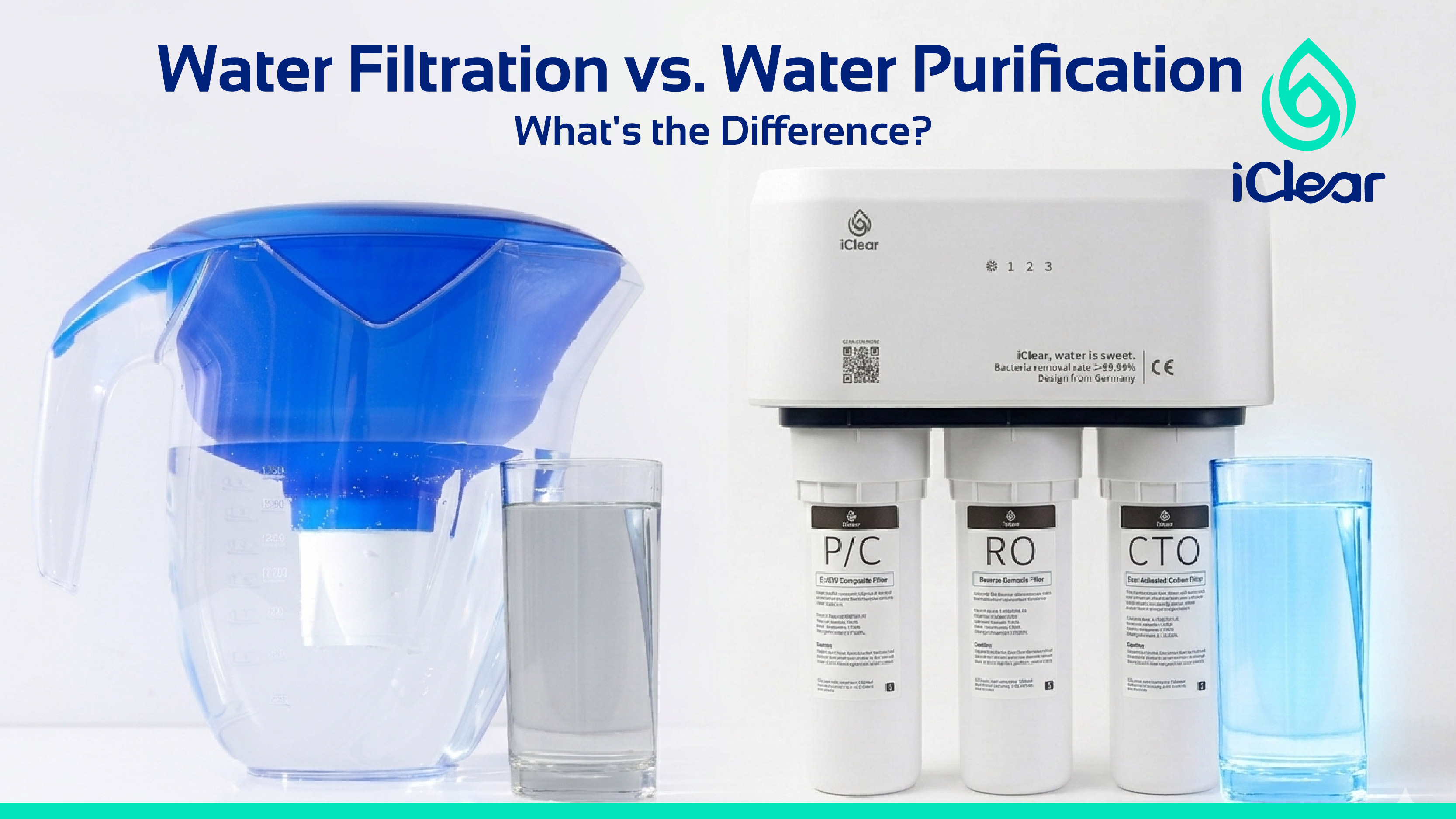
If you have been shopping for a water treatment solution, you have probably come across both the terms "water filter" and "water purifier," sometimes used interchangeably. But they are not the same thing. Understanding the difference could be the most important decision you make for your family's health. What is water filtration? A water filtration system works by passing water through one or more physical barriers, typically activated carbon, ceramic, or sand, to remove particles, sediment, chlorine, and some bacteria. Filtration is excellent for improving the taste and odour of water, and for removing visible impurities. However, standard filtration has limits. Most basic water filters cannot remove dissolved heavy metals, viruses, or microscopic chemical contaminants. This is an important distinction, especially in a country like Kenya where water sources are exposed to a wide range of pollutants. What is water purification? Water purification goes several steps further. A true water purification machine uses advanced processes such as Reverse Osmosis (RO), ultraviolet (UV) disinfection, or a combination of both, to remove not just particles, but also dissolved contaminants, heavy metals, bacteria, viruses, and chemical residues. The result is water that is not just cleaner. It is genuinely pure. This is the standard that iClear water purifiers are built to deliver. Think of it this way: a filter is like a sieve. It catches what it can see. A purifier is like a complete cleaning system. It eliminates what the sieve misses entirely. Reverse Osmosis: the gold standard in purification Reverse Osmosis water filtration works by forcing water through a semi-permeable membrane with pores so tiny that only water molecules can pass through. Everything else, including heavy metals, bacteria, viruses, fluoride, and nitrates, is left behind and flushed away. This technology is widely regarded as the most effective method for producing safe drinking water, and it is at the core of every iClear water purifier. iClear's systems are KEBS-certified, meaning they have been independently verified to meet Kenya's highest water safety standards. Which one do you need in Kenya? For most Kenyan households, whether on municipal supply, borehole water, or a community source, water purification is the safer, smarter choice. Kenya's water supply faces challenges that go beyond what a basic water filter can address, including fluoride contamination in the Rift Valley, industrial runoff in urban areas, and microbial risks in rural communities. A domestic water purifier in Kenya equipped with Reverse Osmosis technology is built precisely for these conditions. It does not just make your water look clean. It makes it genuinely safe to drink. Installation matters more than most people think Buying the right water filter in Kenya is only half the equation. How it is installed determines whether it actually works. Many buyers make the mistake of hiring a general plumber to install their system, only to find that incorrect installation compromises the entire water setup in their home. iClear Kenya provides free delivery and professional installation in Nairobi, its environs, and Nakuru. Every iClear system is set up by trained technicians who know the product and your water infrastructure. No guesswork, no risk to your existing plumbing, and no additional cost. This is something no other water purifier brand in Kenya currently offers. iClear: built for Kenya's water reality iClear Wellife designs its water purification systems with Kenya's specific water challenges in mind. From the source to your glass, every iClear machine is engineered to deliver consistent, laboratory-grade water quality at a price point that makes sense for Kenyan families and businesses. Not sure whether you need a filter or a purifier? Talk to the iClear Kenya team. We will assess your water source, recommend the right solution, and deliver country wide for free and install it for free in Nairobi and Nakuru. Tags: water filtration system, water filter, water purifier, water purification machine, Reverse Osmosis water filter Kenya, iClear water purifier, domestic water purifiers Kenya, iClear Wellife
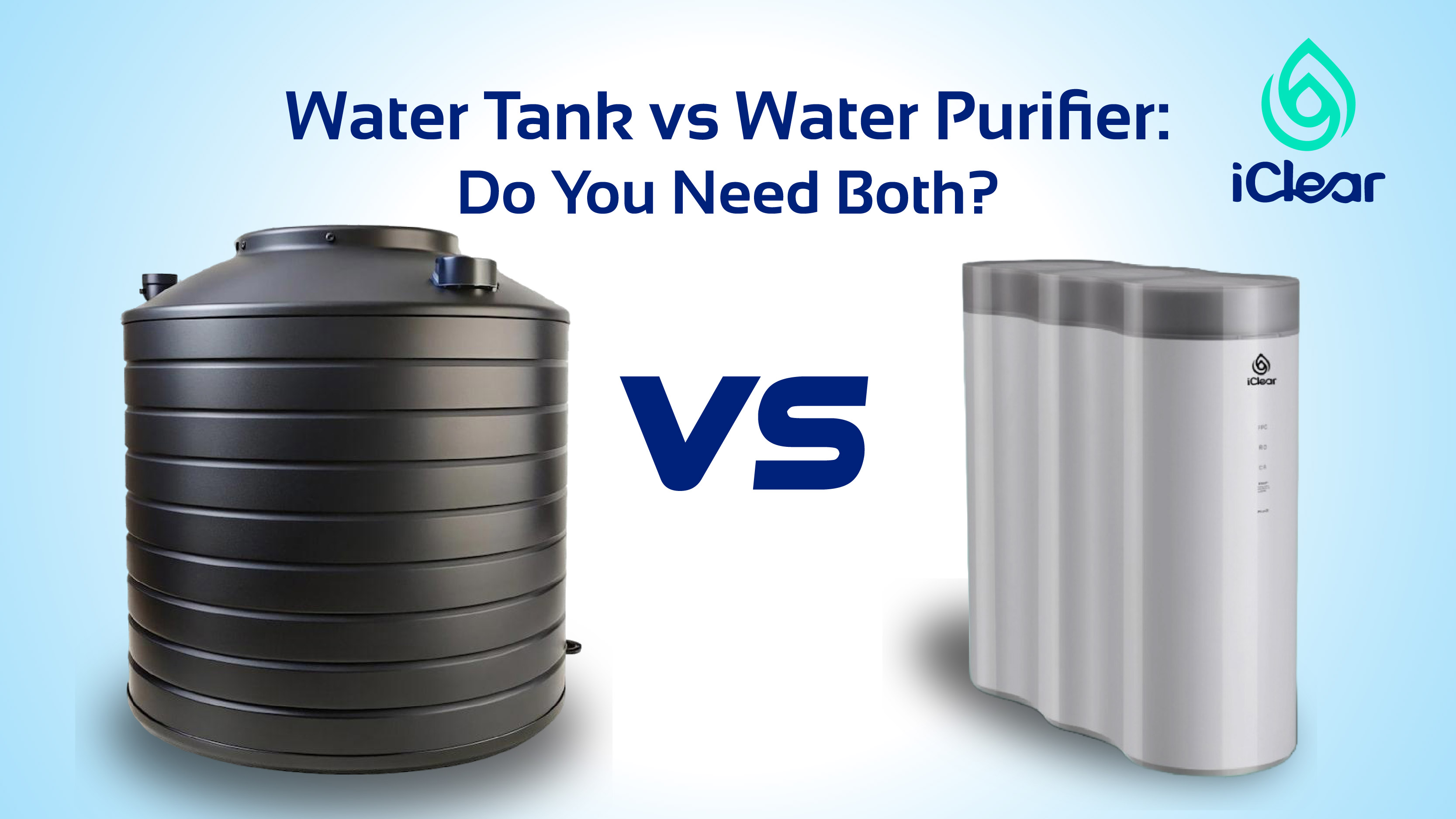
Many homes in Kenya have water tanks, but fewer invest in water purification. The two are often confused, yet they serve completely different purposes. A water tank stores water, while a water purifier treats water. What a Water Tank Does Water tanks are essential for: Storing water during supply interruptions Maintaining pressure in homes and apartments Providing backup during shortages However, tanks do not improve water quality. In fact, they can sometimes make it worse if not maintained. What a Water Purifier Does A water purifier removes: Bacteria and viruses Sediments and turbidity Dissolved contaminants like fluoride or heavy metals This ensures water is safe for drinking, not just available. Key Differences Feature Water Tank Water Purifier Purpose Storage Treatment Improves quality No Yes Removes bacteria No Yes Removes chemicals No Yes The Hidden Risk Water stored in tanks can become contaminated over time due to: Dust and debris Poor cleaning Heat exposure This means even clean water can become unsafe before use. Do You Need Both? In most Kenyan homes, the answer is yes. The tank ensures availability The purifier ensures safety Final Thoughts A water tank solves a supply problem. A purifier solves a health problem. Treating them as interchangeable can lead to serious water safety risks.

Borehole water is widely used across Kenyan homes, schools, and commercial properties. While boreholes are convenient and reliable, the water can contain various contaminants, including: Bacteria and viruses Nitrates and fluoride Sediments and turbidity Heavy metals Choosing the right purification system is critical for ensuring safe drinking water. Two of the most popular technologies for boreholes are Reverse Osmosis (RO) and Ceramic filters. How RO Filters Work Reverse Osmosis uses a semi-permeable membrane to remove a wide range of contaminants. Water is forced through the membrane under pressure, leaving impurities behind. RO systems typically remove: Bacteria and viruses Nitrates and fluoride Heavy metals (lead, arsenic, iron) Dissolved salts and minerals Advantages of RO: Comprehensive contaminant removal Produces very pure water Suitable for boreholes with high dissolved solids Limitations of RO: Requires electricity or pressure pump Wastes some water during purification Can remove beneficial minerals unless re-mineralization is included How Ceramic Filters Work Ceramic filters purify water using a porous ceramic material that blocks bacteria, sediments, and some larger microorganisms. Ceramic filters typically remove: Bacteria Sediments and turbidity Some parasites Advantages of Ceramic Filters: Simple to use, no electricity needed Long-lasting and easy to clean Low maintenance costs Limitations of Ceramic Filters: Cannot remove dissolved chemicals such as nitrates, fluoride, or heavy metals Water may need additional treatment if contamination is chemical in nature Comparison Table: RO vs Ceramic Filters for Boreholes Feature RO Filters Ceramic Filters Bacteria & Viruses Yes Yes Nitrates Yes No Fluoride Yes No Heavy Metals Yes No Sediment/Turbidity Yes Yes Electricity Required Yes No Maintenance Moderate Low Water Wastage Some None Which Is Better for Kenyan Boreholes? The answer depends on the quality of your borehole water: High dissolved solids, nitrates, or heavy metals: RO is the better choice. It ensures chemical contaminants are removed, producing safe water for families and infants. Learn more about the risks of contaminants in Kenyan water in Is Lead in Kenyan Water a Hidden Risk?. Low chemical contamination, mostly biological or sediment issues: Ceramic filters are sufficient. They are cost-effective, low-maintenance, and ideal for communities with reliable water testing and moderate contamination levels. For tips on managing seasonal water quality, see Kenya Tap & Borehole Water Quality. Seasonal Considerations During rainy seasons, borehole water can experience increased turbidity and runoff contamination, introducing sediments and microorganisms. Even a ceramic filter may require extra care during this period. Checking seasonal water risks helps ensure continuous safe water. Practical Tips for Borehole Owners Test your borehole water regularly to determine contaminants. Choose RO if chemical contaminants (nitrates, fluoride, heavy metals) are present. Choose ceramic filters for primarily sediment or bacterial contamination in low-risk areas. Combine filtration with UV or chlorine treatment for added safety in rainy seasons. Maintain and clean filters according to manufacturer instructions. Conclusion Both RO and ceramic filters play important roles in ensuring safe drinking water from Kenyan boreholes. RO is ideal for chemical and microbial contaminants, while ceramic filters are suitable for biological and sediment removal. Understanding the water quality of your borehole, seasonal changes, and family needs will guide the best choice. Testing your water and selecting the appropriate system ensures safe, clean drinking water year-round.

When choosing a water purifier, many people encounter three common technologies: UV, RO, and UF. Each system works differently and removes different types of contaminants from water. For households, landlords, and offices trying to choose the right purification system, understanding what each technology removes is important. The effectiveness of a purifier depends largely on the type of contaminants present in the water. This is especially relevant in Kenya where many homes rely on borehole water, which can contain dissolved salts, fluoride, nitrates, and other minerals that basic filters cannot remove. Before choosing a purification method, water testing is recommended so that treatment is based on actual water quality rather than assumptions. What Is UV Water Purification? Ultraviolet purification uses ultraviolet light to disinfect water. UV light damages the DNA of microorganisms, preventing them from reproducing. UV systems are commonly used to remove biological contaminants. What UV systems remove: • Bacteria • Viruses • Some parasites However, UV purification does not remove dissolved substances from water. This means contaminants such as fluoride, heavy metals, and salts remain in the water even after UV treatment. UV systems also require relatively clear water to function effectively because high turbidity can block the light. What Is UF Water Filtration? Ultrafiltration, commonly referred to as UF, uses a physical membrane that filters water through microscopic pores. These pores block certain microorganisms and particles. UF filtration typically removes: • Bacteria • Some parasites • Suspended particles However, UF membranes cannot remove dissolved chemicals or minerals. Contaminants such as fluoride, nitrates, and heavy metals pass through the membrane. UF systems are often used in areas where the main concern is microbial contamination rather than chemical contamination. What Is Reverse Osmosis? Reverse osmosis, often abbreviated as RO, is a filtration technology that uses a semi permeable membrane to remove dissolved substances from water. Pressure forces water through the membrane, leaving many contaminants behind. RO systems can remove: • Bacteria • Viruses • Dissolved salts • Fluoride • Nitrates • Heavy metals • Many chemical contaminants Because of this broad removal capability, RO systems are often used where water contains a mix of biological and chemical contaminants. This is particularly relevant for borehole water, which can contain high levels of dissolved minerals depending on local geology. Comparison of UV, RO, and UF Technologies The following table summarizes what each purification technology can remove. Contaminant UV UF RO Bacteria Yes Yes Yes Viruses Yes No Yes Parasites Yes Yes Yes Sediment No Yes Yes Fluoride No No Yes Heavy metals No No Yes Nitrates No No Yes Dissolved salts No No Yes This comparison shows that while UV and UF address biological contamination, reverse osmosis addresses both biological and chemical contaminants. Which System Is Best for Borehole Water? Many homes in Kenya rely on borehole water. While boreholes provide a reliable supply, the water often contains dissolved minerals such as fluoride or nitrates. Basic filtration technologies may not be sufficient in these situations. Reverse osmosis is commonly used for borehole water because it can remove dissolved contaminants that UV and UF systems cannot address. For example, high nitrate levels in groundwater can be dangerous for infants. This is discussed in detail in our article Nitrates in Borehole Water: A Silent Danger for Babies. Understanding the specific contaminants present in your water supply helps determine which purification system is most appropriate. Why Water Testing Matters Before Choosing a System Different areas in Kenya may experience different water quality challenges. Municipal tap water may primarily require microbial disinfection, while borehole water may contain higher levels of dissolved minerals. Testing can reveal contaminants such as: • Fluoride • Nitrates • Heavy metals • Bacterial contamination • Total dissolved solids Choosing a purification system based on test results ensures that the selected technology addresses the actual risks present in the water. Final Thoughts UV, UF, and reverse osmosis technologies each play an important role in water purification. However, they remove different types of contaminants. UV and UF systems are primarily designed to address biological contamination. Reverse osmosis is capable of removing both biological and chemical contaminants. For households using borehole water or facing multiple water quality challenges, understanding these differences is essential when selecting the right purification system. Testing water quality and choosing appropriate treatment technologies can help ensure safe and reliable drinking water for families and workplaces. Frequently Asked Questions What is the difference between UV, RO, and UF water purifiers? UV purifiers disinfect water by killing microorganisms. UF filters remove certain particles and bacteria through a membrane. RO systems remove both microorganisms and dissolved contaminants such as salts, fluoride, and heavy metals. Which purifier is best for borehole water? Reverse osmosis systems are commonly used for borehole water because they can remove dissolved minerals and contaminants that other technologies cannot.

One of the most common mistakes people make when buying a water purifier is choosing a system that doesn’t match their household size. A purifier that’s too small struggles to keep up with demand, while an oversized system can be unnecessarily expensive to maintain. In regions across Kenya such as Nairobi, Nakuru, Mombasa, and Kisumu, differences in water quality, consumption habits, and household sizes mean that choosing the right water purifier requires more than guesswork. Homes using municipal tap water, borehole water, or mixed sources all have different purification needs. At iClear, our water purifiers are designed in different capacities to match these realities, from compact systems for small households to higher-capacity RO purifiers for larger families and shared spaces. This article breaks down a simple, practical formula to help you choose a water purifier that fits your household’s real needs. Why Household Size Matters More Than You Think Water purifiers are designed to handle a specific volume of water over time. When household size is underestimated, several problems follow. What Happens When Capacity Is Too Small Issue Impact Filters wear out faster Higher replacement costs Increased maintenance More servicing required User frustration Loss of trust in the system Matching purifier capacity to household size ensures consistent water quality and predictable maintenance. Step 1: Estimate Daily Water Consumption Per Person Purified water is commonly used for: Drinking Cooking In Kenyan households, average daily consumption per person falls within this range. Daily Water Use Estimate Usage Level Liters per Person per Day Low usage 3 liters Average usage 4 liters (recommended for planning) High usage 5 liters For most households, 4 liters per person per day is a safe planning figure. Step 2: Multiply by Household Size Once you know the per-person estimate, multiply it by the number of people in your home. Daily Household Water Requirement Household Size Estimated Daily Need 3 people 12 liters 5 people 20 liters 8 people 32 liters Now factor in peak usage, such as mornings, weekends, or when guests are present. Step 3: Factor in Children, Elderly, and Guests Some households require more purified water due to lifestyle and family structure. When to Add Extra Capacity Situation Why It Increases Usage Children in the home Frequent drinking throughout the day Elderly family members Water for medication and hydration Regular guests Higher peak demand Recommended adjustment: Add 20 to 30 percent extra capacity to your daily estimate if any of the above apply. Step 4: Understand Purifier Capacity and Filter Lifespan Water purifiers are typically rated using two key metrics. Key Purifier Capacity Ratings Rating Type What It Means Consumption rate How much water can be consumed each day Water quality The different contaminant content in water Why Higher Capacity Matters for Larger Homes Benefit Result Longer filter life Fewer replacements Stable water quality Consistent performance Lower servicing frequency Reduced long-term costs Practical Household Size Guide Recommended System Approach by Household Size Household Size Key Characteristics Recommended Focus Small (1 to 3 people) Low daily consumption Compact, efficient systems Medium (4 to 6 people) Moderate to high usage Higher output, longer filter life Large (7 or more people) High daily demand Robust systems with planned maintenance Why Water Source Still Matters Household size alone is not enough. Water quality plays a major role. Household Size vs Water Source Scenario What Matters More Small home using borehole or salty water Strong purification Large home using municipal tap water Higher capacity Mixed water sources Both capacity and purification strength Tip: Always match capacity with water quality. Long-Term Benefits of Choosing Correctly When household size and purifier capacity are aligned, you benefit from: Benefits of the Right Match Benefit Long-Term Impact Consistent water quality Better health Longer filter life Lower costs Reduced maintenance Less downtime Better return on investment Smarter investment Most importantly, your purifier works quietly, reliably, and efficiently. Conclusion Choosing a water purifier based on household size doesn’t need to be complicated. By estimating daily consumption, accounting for real-life usage, and avoiding common assumptions, you can select a system that fits your household perfectly. The right purifier isn’t just about clean water. It’s about convenience, efficiency, and long-term peace of mind.

Buying a water purifier in Kenya can feel overwhelming. With many options on the market, different technologies, price points, and claims, it’s easy to make a decision based on cost alone. Unfortunately, choosing the wrong system can lead to poor water quality, frequent breakdowns, or higher long-term costs. Before you invest, it’s important to ask the right questions. These questions help you match the purifier to your actual water source, household or office needs, and maintenance expectations. 1. What Is My Main Water Source? The first and most important question is where your water comes from. In Kenya, common sources include: Municipal tap water Borehole water Rainwater harvesting systems A mix of multiple sources Each source has different risks. Borehole water often has high salinity and dissolved minerals, while municipal water may pick up contaminants from aging pipes. Your water source determines whether you need basic filtration or advanced purification like Reverse Osmosis. 2. What Problems Am I Trying to Solve? Not all water looks or behaves the same. Ask yourself: Does the water taste salty or metallic? Does it leave white scale on kettles and taps? Does it cause stomach discomfort? Is it safe for children and elderly family members? Identifying the problem helps you avoid overpaying or under-purifying. 3. How Many People Will Use Water Daily? Water consumption increases quickly with more users. A system suitable for a small household may struggle with: Large families Homes with frequent visitors Offices and shared spaces Underestimating usage leads to faster filter exhaustion and inconsistent water quality. 4. How Much Purified Water Do We Actually Need? Think beyond drinking water. Many households also use purified water for: Cooking Making tea and coffee Baby food preparation Choosing a system based only on drinking needs may result in shortages during peak hours. 5. What Maintenance Does the System Require? Every water purifier needs maintenance. Ask: How often do filters need replacement? Are replacements readily available in Kenya? Is professional service recommended? Ignoring maintenance requirements is one of the most common reasons purifiers fail early. 6. Is the Upfront Price the Real Cost? A cheaper purifier can end up costing more overtime due to: Frequent filter changes Repairs Poor performance requiring replacement Consider total cost of ownership, not just the purchase price. 7. Is Installation Included and Free? Proper installation matters. Poor installation can: Reduce system efficiency Cause leaks Lead to contamination Always confirm whether installation is included and handled by trained professionals. 8. Will This System Handle Changes in Water Quality? Water quality in Kenya is not static. Seasonal changes, droughts, and infrastructure issues can alter water composition. A good system should handle fluctuations without compromising safety. 9. Does the Provider Offer Ongoing Support? After-sales support is just as important as the product itself. Reliable providers offer: Customer support Scheduled service Easy access to replacement parts This ensures peace of mind long after purchase. 10. Is This System Right for Long-Term Use? Finally, ask whether the purifier can grow with your needs. Changes such as: Moving homes Family size increase Switching water sources should not require replacing the entire system. Conclusion Buying a water purifier in Kenya is not just about clean water today, it’s about safety, reliability, and cost over many years. By asking the right questions before you choose, you avoid common mistakes and invest in a solution that truly fits your water source, usage, and lifestyle. A well-chosen purifier protects your health, saves money, and gives you confidence in every glass of water.
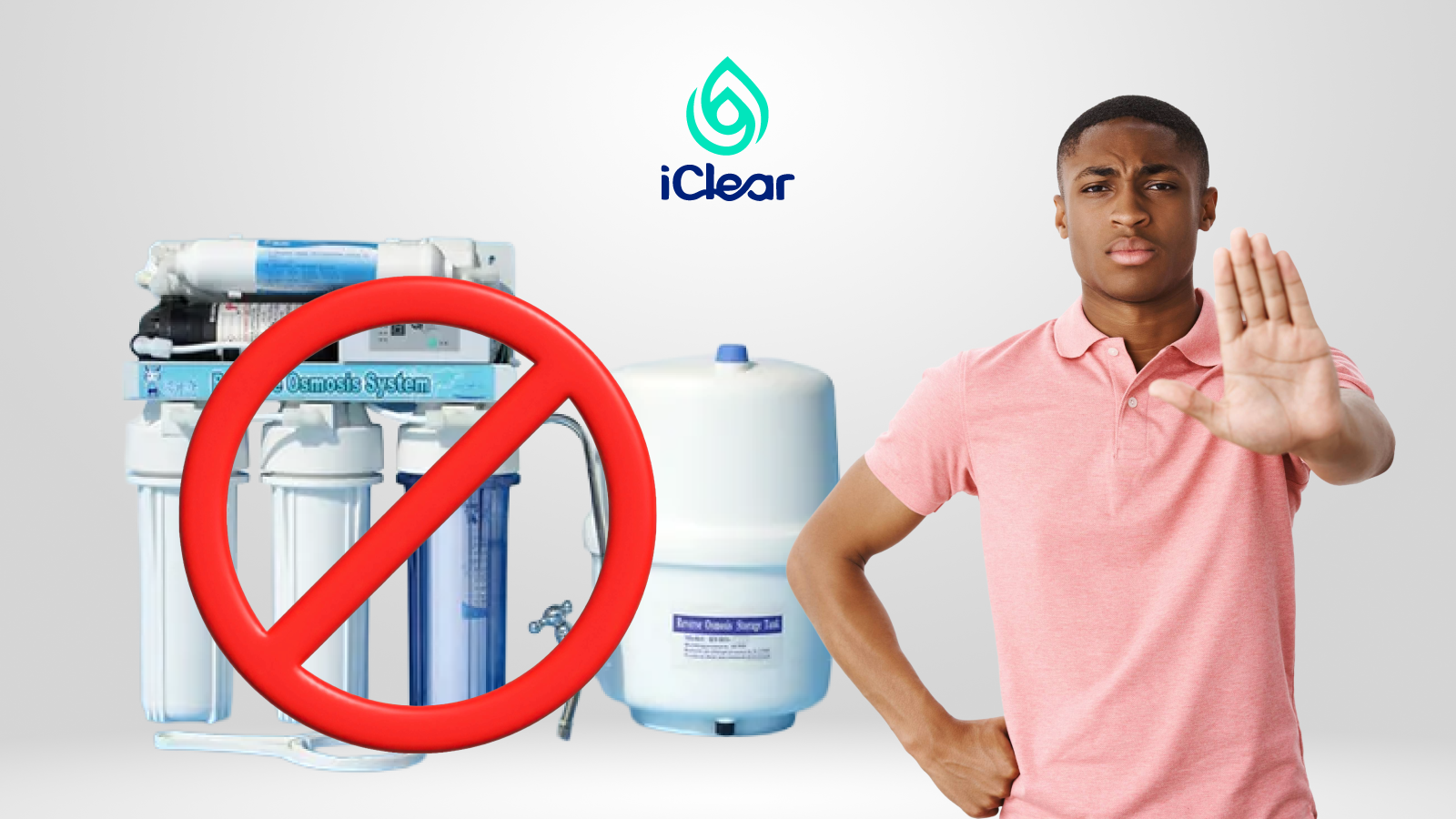
The market for water purifiers in Kenya has exploded in the last three years. While this gives you more choices it also opens the door for counterfeit products and misleading sellers. We often receive calls from frustrated residents in estates like Kilimani or Highridge who bought a "bargain" system only to find it leaking or failing to clean the water after just two months. You are likely asking yourself how to distinguish between a genuine investment and a cheap knockoff. Here is the direct answer on how to spot a water purifier scam in Kenya: To identify a fake or low quality system you must look for five specific red flags. These include sellers with no physical service centre or office, systems lacking a verifiable warranty card, generic branding with no manufacturer details, pumps that are undersized for the stated capacity, and vendors who refuse to test your water before selling the unit. If a seller cannot prove the machine reduces Total Dissolved Solids (TDS) specifically for your water source then walk away. Let us break down the five most common traps we see Nairobi buyers fall into and how you can protect your money. 1. The "Car Boot" Vendor with No Service Centre This is the most common issue we see on social media marketplaces and platforms like Jiji. You find a seller offering a Reverse Osmosis (RO) system at a price that seems too good to be true. They offer to meet you in town or deliver it to your doorstep immediately. The problem arises when the machine stops working. Water purifiers are not toasters. They require filter changes, membrane checks, and occasional servicing. When you buy from a "briefcase vendor" who imports a few units and sells them from a car you have zero after sales support. How to verify: Always ask to visit their physical showroom or service centre before you pay. A legitimate company will have a workshop where they stock spare parts. If they insist on meeting at a petrol station or only offer delivery without a physical location it is a major risk. You need a partner who will be there in six months when you need a sediment filter replacement. 2. The Counterfeit "Universal" Filter Scam In downtown Nairobi, particularly around River Road, you will see rows of filters labeled "Universal Fit." While some are legitimate generic brands many are low quality counterfeits wrapped in stickers that mimic premium American or German brands. These fake filters often use low grade carbon that does not effectively remove chlorine or organic compounds. Worse still are the fake RO membranes. A genuine RO membrane has layers of microscopic pores sized at 0.0001 microns. Counterfeit membranes often have much larger pores which allow bacteria, viruses, and heavy metals to pass right through. You end up drinking dirty water thinking it is safe. Comparison: Genuine vs. Counterfeit Filters Feature Genuine iClear/Certified Filter Counterfeit Market Filter Weight Heavy due to dense carbon block Light due to loose carbon dust Membrane Tightly wound multiple layers Loose layers with gaps Labeling Sharp text with batch numbers Blurred text or spelling errors Performance Reduces TDS by 90% to 95% Reduces TDS by less than 40% 3. The Undersized Pump Trap Nairobi water pressure is notoriously unreliable. In some areas like Lang'ata the council water pressure is low. In others you might be relying on a borehole pump. A Reverse Osmosis system needs high pressure to force water through the membrane. To cut costs many cheap importers use undersized booster pumps. They might label the machine as a "100 GPD" (Gallons Per Day) system but install a weak pump meant for a 50 GPD system. The result: The pump works too hard and burns out within three to six months. Additionally the system produces a massive amount of waste water because there is not enough pressure to push clean water through the filter. You will notice your water bill spiking because for every one litre of clean water you might be throwing away six or seven litres due to the weak pump. 4. The "Alkaline" Upsell Without Science Health trends are popular in Kenya right now and scammers take advantage of this by marketing "Miracle Alkaline Filters." They claim these filters cure everything from diabetes to high blood pressure. While alkaline water has a higher pH it is not a magic cure. The scam happens when vendors add a cheap "mineral cartridge" that dissolves uncontrolled amounts of calcium or magnesium into the water to artificially spike the pH reading. Why this is dangerous: If the mineralization is uncontrolled it can raise the Total Dissolved Solids (TDS) to levels that strain your kidneys. According to KEBS and WHO guidelines drinking water should be balanced. At iClear we use calibrated mineralisers that add precise, healthy amounts of minerals back into the water rather than simply dumping chalk into your glass to get a high pH reading. 5. Hidden Installation and "Accessories" Costs You see an advertisement for a purifier for KES 15,000. It looks like a steal. You order it. Then the technician arrives and the hidden costs begin. "Oh, you need a different tap connection. That is KES 2,500." "Your pressure is low so you need a pre-filter. That is KES 5,000." "Installation labor is separate. That is KES 3,000." By the time the unit is running you have spent more than you would have on a premium all inclusive unit. The iClear Standard: We believe in transparency. When you get a quote from a reputable supplier it should be the "Landed Cost." This includes the unit, the standard installation kit, the faucet, and the labor. Never pay a deposit until you have a written quote detailing exactly what is included. How to Protect Yourself: The 3-Step Checklist If you are about to buy a purifier in Nairobi perform these three checks to ensure you are safe. Request a TDS Test: Ask the seller to test your water before installation and immediately after. For an RO system you should see a reduction of at least 90% in the TDS reading. If the reading barely changes the machine is fake or not an RO system. Check for Spare Parts Availability: Ask the seller to show you a replacement membrane and filter set for that specific model. If they say "we will order it when you need it" that is a warning sign. Look for Local Social Proof: Do not just look at the star rating. Read the text of the reviews. Look for reviews that mention "service," "maintenance," or "tech support" over the last year. This proves the company supports their clients long term. Frequently Asked Questions 1. How can I tell if a water purifier is original in Kenya? To verify authenticity you should check the build quality and weight of the filters. Original carbon filters are heavy and dense. You should also demand a water quality test before and after installation. A genuine Reverse Osmosis system will lower the TDS (Total Dissolved Solids) count significantly. 2. Are cheap water purifiers on Jiji effective? Most cheap purifiers found on open marketplaces lack proper certification and often use weak pumps or fake membranes. While they may remove visible dirt they often fail to remove invisible threats like fluoride, heavy metals, and viruses. It is safer to buy from an established company with a physical service centre. 3. What is the price of a genuine RO system in Kenya? A high quality domestic Reverse Osmosis system in Kenya generally costs between KES 25,000 and KES 45,000 depending on the capacity and stages of filtration. Be very cautious of systems claiming to be RO that are sold for under KES 18,000 as they likely cut corners on the pump or membrane quality. 4. Does iClear Kenya offer a warranty on water purifiers? Yes. All iClear systems come with a comprehensive warranty. Next Step: Are you unsure if your current water is safe or if a quote you received is legitimate? Contact iClear Kenya today to book a free water consultation or visit our showroom to see the difference between a generic filter and a certified purification system.

Nakuru is one of the fastest-growing cities in Kenya, and we are proud to extend iClear Kenya services to households, schools, clinics, and businesses in the region. Many Nakuru homes rely on borehole water and need reliable domestic water purifiers to ensure safe drinking water. This makes iClear’s entry into Nakuru a meaningful step for families seeking convenient and affordable solutions. Our Nakuru office and service point Our Nakuru service center is located at Baraka Plaza on Kenyatta Avenue Room T5 on the third floor. The iClear Wellife customer support team manages: • Consultations • Product demonstrations • Installation scheduling • Filter sales • Maintenance support This allows customers to understand water purifier machine options before purchase and receive timely after sales service. What services we provide in Nakuru Customers in Nakuru can now enjoy: • Free delivery across Kenya • Free installation in Nakuru • Fast availability of filters and parts • Trained technicians for maintenance • Help select the best water purifier for their water source Our range of purification machines includes affordable RO systems, countertop units, and larger capacity filters, depending on household needs. Why a physical presence matters in Nakuru Local availability speeds up installation and service. Our technicians are familiar with Nakuru’s common water conditions, such as mineral-heavy borehole water, sediment presence, and inconsistent municipal supply. This helps us recommend the correct iClear water purifier machine and the right reverse osmosis water filter setup for each home. How to book an installation or service visit You can reach the Nakuru team through our website: www.iclear.co.ke, our official contact lines: +254715499951, or by visiting the office at Baraka Plaza Kenyatta Avenue, 3rd floor, Room T5. Installations typically happen within 24hours. Our commitment to Nakuru We are committed to providing: • Transparent water purifier prices in Kenya • Reliable support through iClear Wellife Service Limited • Maintenance and filter access • Long-term value • Modern water purification machines designed for real Kenyan households Our goal is to make clean drinking water accessible, affordable, and convenient for every home in Nakuru.
 Sustainability & Environment
 Water Purification