Why Is My RO Purifier Producing Less Water Than It Used To?
22, Oct 2026

Buying a water purifier in Kenya can feel overwhelming. With many options on the market, different technologies, price points, and claims, it’s easy to make a decision based on cost alone. Unfortunately, choosing the wrong system can lead to poor water quality, frequent breakdowns, or higher long-term costs.
Before you invest, it’s important to ask the right questions. These questions help you match the purifier to your actual water source, household or office needs, and maintenance expectations.
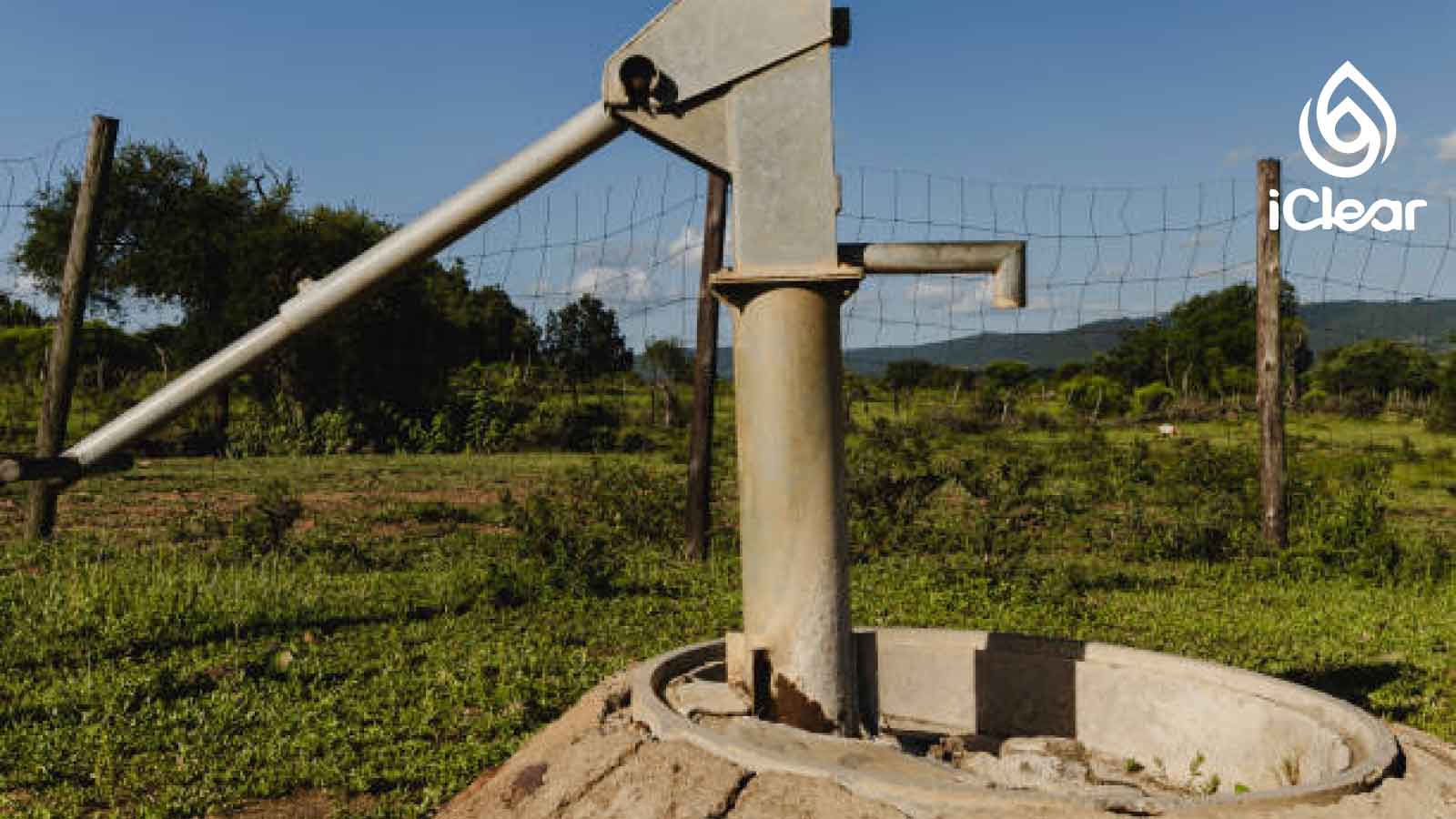
The first and most important question is where your water comes from. In Kenya, common sources include:
Each source has different risks. Borehole water often has high salinity and dissolved minerals, while municipal water may pick up contaminants from aging pipes. Your water source determines whether you need basic filtration or advanced purification like Reverse Osmosis.
Not all water looks or behaves the same. Ask yourself:
Identifying the problem helps you avoid overpaying or under-purifying.
Water consumption increases quickly with more users. A system suitable for a small household may struggle with:
Underestimating usage leads to faster filter exhaustion and inconsistent water quality.
Think beyond drinking water. Many households also use purified water for:
Choosing a system based only on drinking needs may result in shortages during peak hours.
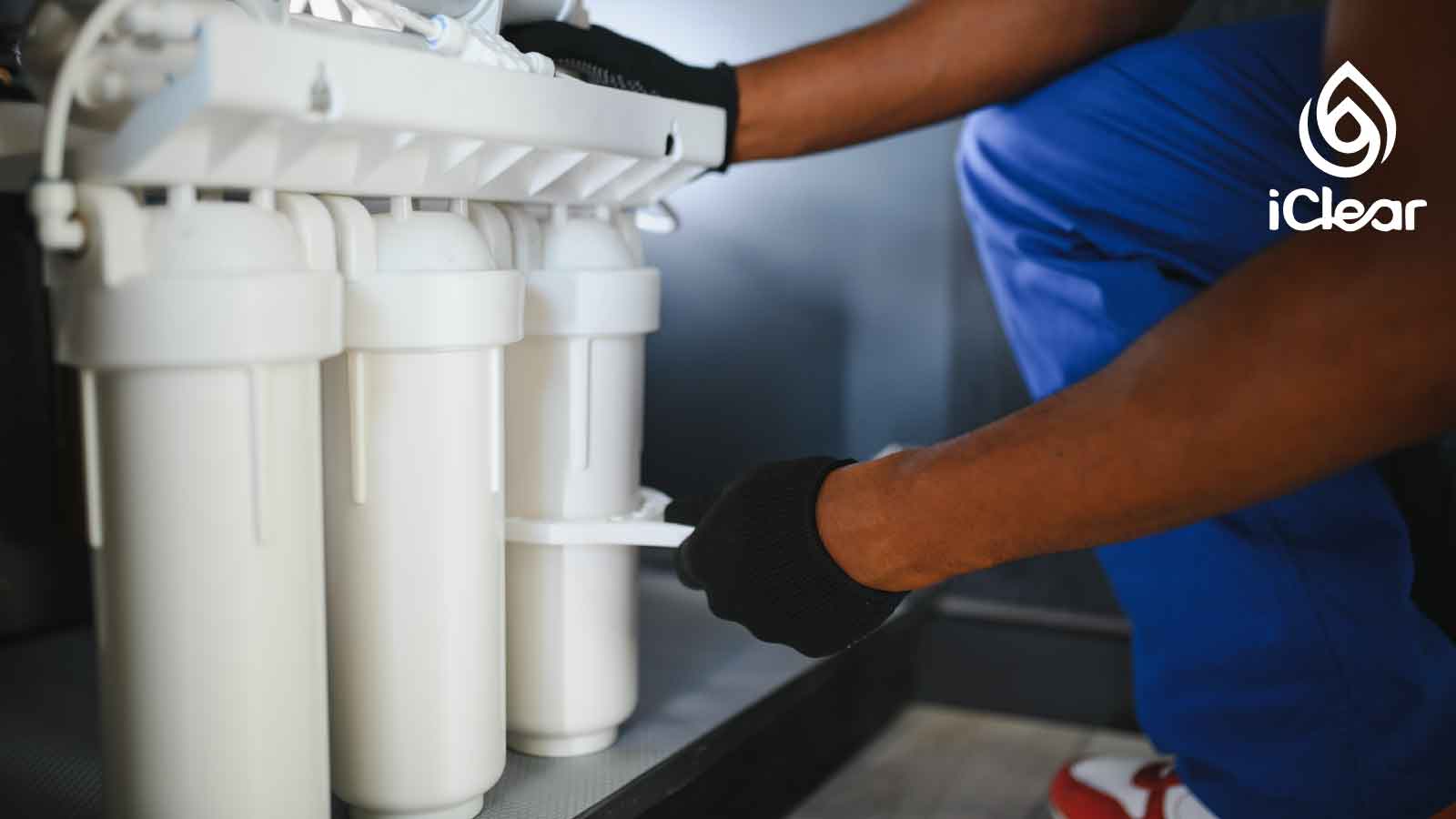
Every water purifier needs maintenance. Ask:
Ignoring maintenance requirements is one of the most common reasons purifiers fail early.
A cheaper purifier can end up costing more overtime due to:
Consider total cost of ownership, not just the purchase price.
Proper installation matters. Poor installation can:
Always confirm whether installation is included and handled by trained professionals.
Water quality in Kenya is not static. Seasonal changes, droughts, and infrastructure issues can alter water composition. A good system should handle fluctuations without compromising safety.
After-sales support is just as important as the product itself. Reliable providers offer:
This ensures peace of mind long after purchase.
Finally, ask whether the purifier can grow with your needs. Changes such as:
Buying a water purifier in Kenya is not just about clean water today, it’s about safety, reliability, and cost over many years. By asking the right questions before you choose, you avoid common mistakes and invest in a solution that truly fits your water source, usage, and lifestyle.
A well-chosen purifier protects your health, saves money, and gives you confidence in every glass of water.

Water Purification & Treatment Specialists
David Ochieng, a water purification specialist at iClear Wellife Services Ltd, has extensive experience delivering safe and reliable water treatment solutions for homes and offices across Kenya.