Why Is My RO Purifier Producing Less Water Than It Used To?
22, Oct 2026
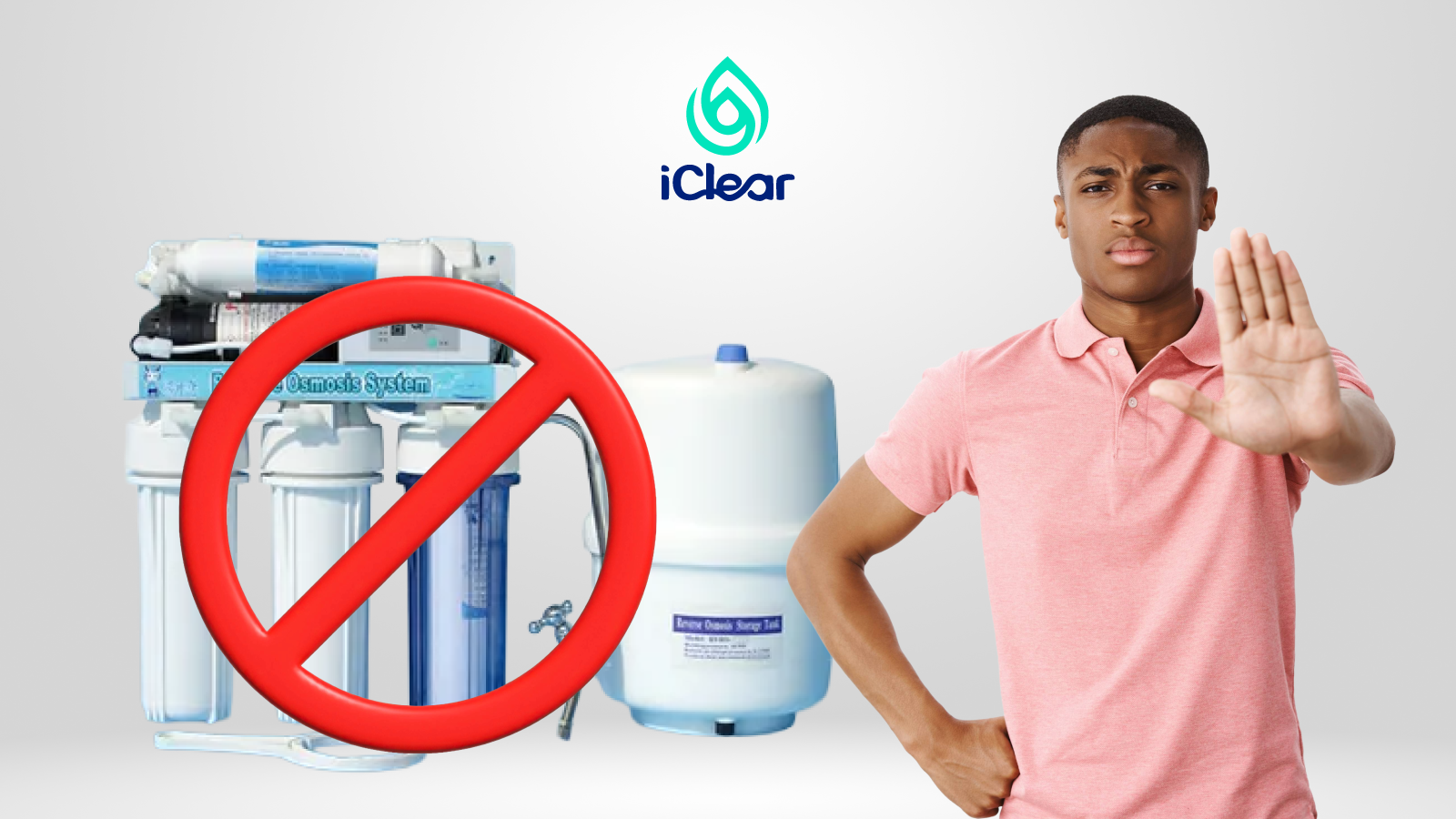
The market for water purifiers in Kenya has exploded in the last three years. While this gives you more choices it also opens the door for counterfeit products and misleading sellers. We often receive calls from frustrated residents in estates like Kilimani or Highridge who bought a "bargain" system only to find it leaking or failing to clean the water after just two months.
You are likely asking yourself how to distinguish between a genuine investment and a cheap knockoff.
Here is the direct answer on how to spot a water purifier scam in Kenya:
To identify a fake or low quality system you must look for five specific red flags. These include sellers with no physical service centre or office, systems lacking a verifiable warranty card, generic branding with no manufacturer details, pumps that are undersized for the stated capacity, and vendors who refuse to test your water before selling the unit. If a seller cannot prove the machine reduces Total Dissolved Solids (TDS) specifically for your water source then walk away.
Let us break down the five most common traps we see Nairobi buyers fall into and how you can protect your money.
1. The "Car Boot" Vendor with No Service Centre
This is the most common issue we see on social media marketplaces and platforms like Jiji. You find a seller offering a Reverse Osmosis (RO) system at a price that seems too good to be true. They offer to meet you in town or deliver it to your doorstep immediately.
The problem arises when the machine stops working. Water purifiers are not toasters. They require filter changes, membrane checks, and occasional servicing. When you buy from a "briefcase vendor" who imports a few units and sells them from a car you have zero after sales support.
How to verify:
Always ask to visit their physical showroom or service centre before you pay. A legitimate company will have a workshop where they stock spare parts. If they insist on meeting at a petrol station or only offer delivery without a physical location it is a major risk. You need a partner who will be there in six months when you need a sediment filter replacement.
2. The Counterfeit "Universal" Filter Scam
In downtown Nairobi, particularly around River Road, you will see rows of filters labeled "Universal Fit." While some are legitimate generic brands many are low quality counterfeits wrapped in stickers that mimic premium American or German brands.
These fake filters often use low grade carbon that does not effectively remove chlorine or organic compounds. Worse still are the fake RO membranes. A genuine RO membrane has layers of microscopic pores sized at 0.0001 microns. Counterfeit membranes often have much larger pores which allow bacteria, viruses, and heavy metals to pass right through. You end up drinking dirty water thinking it is safe.
Comparison: Genuine vs. Counterfeit Filters
|
Feature |
Genuine iClear/Certified Filter |
Counterfeit Market Filter |
|
Weight |
Heavy due to dense carbon block |
Light due to loose carbon dust |
|
Membrane |
Tightly wound multiple layers |
Loose layers with gaps |
|
Labeling |
Sharp text with batch numbers |
Blurred text or spelling errors |
|
Performance |
Reduces TDS by 90% to 95% |
Reduces TDS by less than 40% |
3. The Undersized Pump Trap
Nairobi water pressure is notoriously unreliable. In some areas like Lang'ata the council water pressure is low. In others you might be relying on a borehole pump. A Reverse Osmosis system needs high pressure to force water through the membrane.
To cut costs many cheap importers use undersized booster pumps. They might label the machine as a "100 GPD" (Gallons Per Day) system but install a weak pump meant for a 50 GPD system.
The result:
The pump works too hard and burns out within three to six months. Additionally the system produces a massive amount of waste water because there is not enough pressure to push clean water through the filter. You will notice your water bill spiking because for every one litre of clean water you might be throwing away six or seven litres due to the weak pump.
4. The "Alkaline" Upsell Without Science
Health trends are popular in Kenya right now and scammers take advantage of this by marketing "Miracle Alkaline Filters." They claim these filters cure everything from diabetes to high blood pressure.
While alkaline water has a higher pH it is not a magic cure. The scam happens when vendors add a cheap "mineral cartridge" that dissolves uncontrolled amounts of calcium or magnesium into the water to artificially spike the pH reading.
Why this is dangerous:
If the mineralization is uncontrolled it can raise the Total Dissolved Solids (TDS) to levels that strain your kidneys. According to KEBS and WHO guidelines drinking water should be balanced. At iClear we use calibrated mineralisers that add precise, healthy amounts of minerals back into the water rather than simply dumping chalk into your glass to get a high pH reading.
5. Hidden Installation and "Accessories" Costs
You see an advertisement for a purifier for KES 15,000. It looks like a steal. You order it. Then the technician arrives and the hidden costs begin.
By the time the unit is running you have spent more than you would have on a premium all inclusive unit.
The iClear Standard:
We believe in transparency. When you get a quote from a reputable supplier it should be the "Landed Cost." This includes the unit, the standard installation kit, the faucet, and the labor. Never pay a deposit until you have a written quote detailing exactly what is included.
How to Protect Yourself: The 3-Step Checklist
If you are about to buy a purifier in Nairobi perform these three checks to ensure you are safe.
Frequently Asked Questions
1. How can I tell if a water purifier is original in Kenya?
To verify authenticity you should check the build quality and weight of the filters. Original carbon filters are heavy and dense. You should also demand a water quality test before and after installation. A genuine Reverse Osmosis system will lower the TDS (Total Dissolved Solids) count significantly.
2. Are cheap water purifiers on Jiji effective?
Most cheap purifiers found on open marketplaces lack proper certification and often use weak pumps or fake membranes. While they may remove visible dirt they often fail to remove invisible threats like fluoride, heavy metals, and viruses. It is safer to buy from an established company with a physical service centre.
3. What is the price of a genuine RO system in Kenya?
A high quality domestic Reverse Osmosis system in Kenya generally costs between KES 25,000 and KES 45,000 depending on the capacity and stages of filtration. Be very cautious of systems claiming to be RO that are sold for under KES 18,000 as they likely cut corners on the pump or membrane quality.
4. Does iClear Kenya offer a warranty on water purifiers?
Yes. All iClear systems come with a comprehensive warranty.
Next Step:
Are you unsure if your current water is safe or if a quote you received is legitimate? Contact iClear Kenya today to book a free water consultation or visit our showroom to see the difference between a generic filter and a certified purification system.

Water Purification & Treatment Specialists
David Ochieng, a water purification specialist at iClear Wellife Services Ltd, has extensive experience delivering safe and reliable water treatment solutions for homes and offices across Kenya.