Why Is My RO Purifier Producing Less Water Than It Used To?
22, Oct 2026

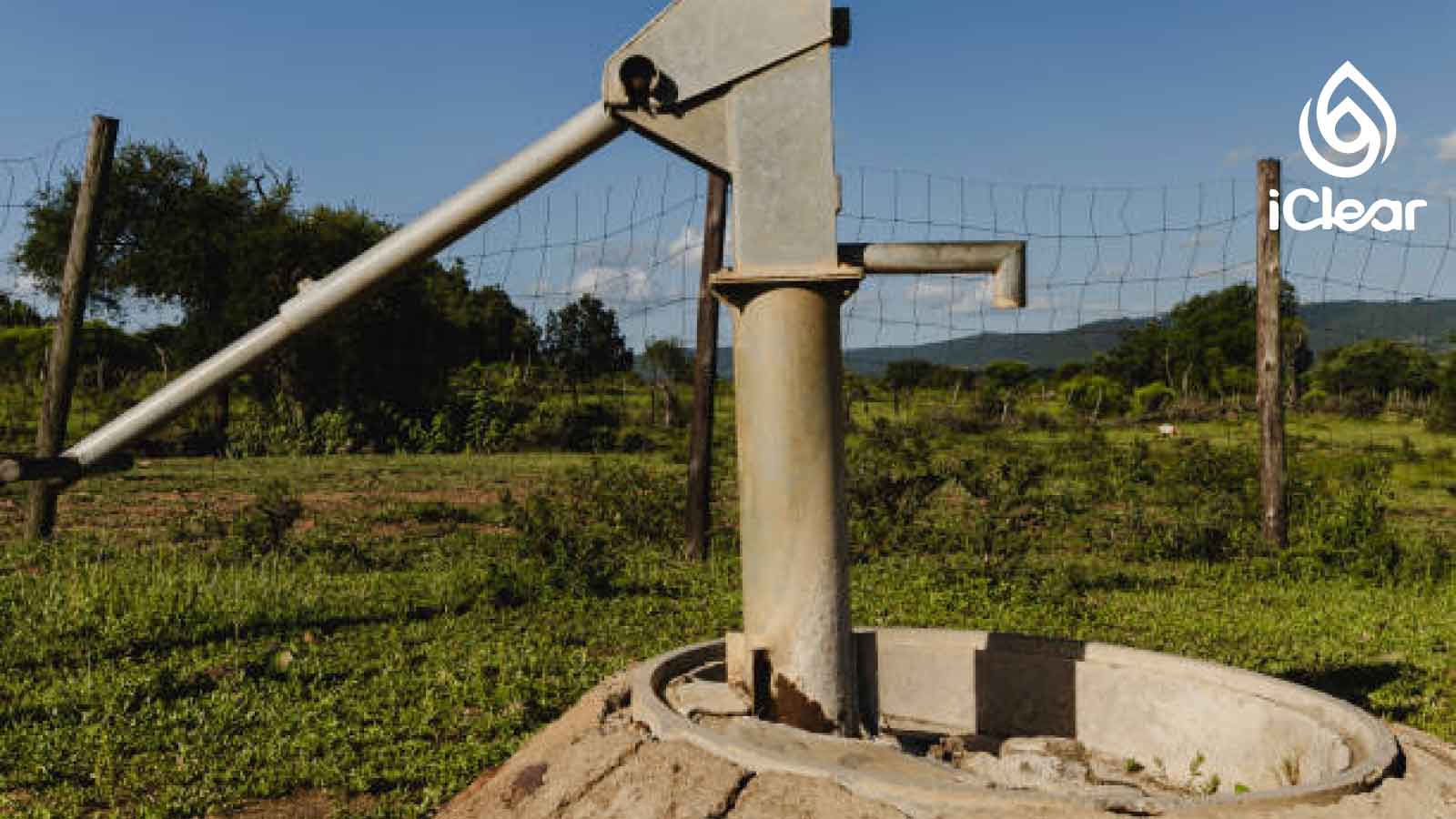
Borehole water is widely used across Kenyan homes, schools, and commercial properties. While boreholes are convenient and reliable, the water can contain various contaminants, including:
Choosing the right purification system is critical for ensuring safe drinking water. Two of the most popular technologies for boreholes are Reverse Osmosis (RO) and Ceramic filters.
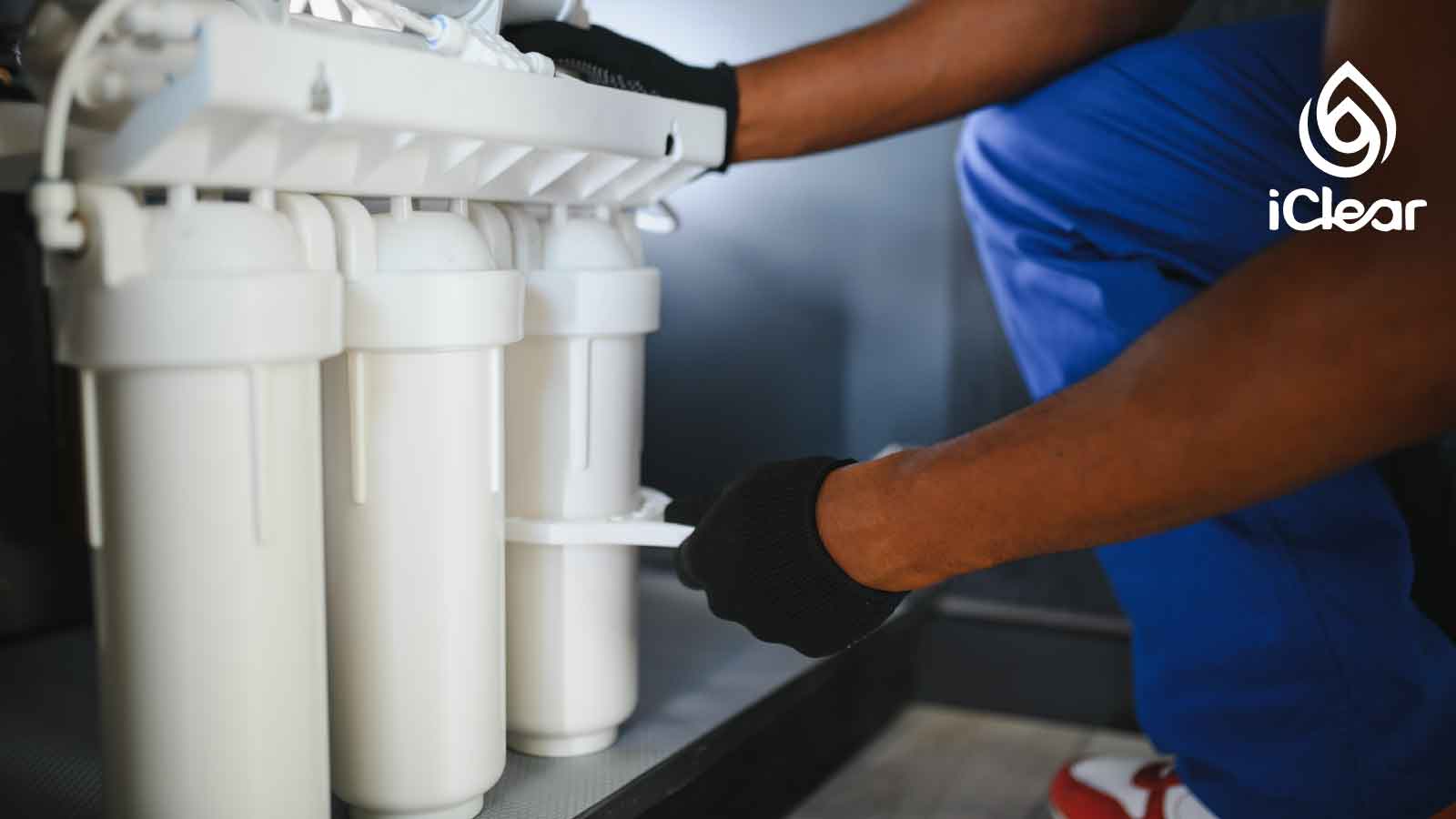
Reverse Osmosis uses a semi-permeable membrane to remove a wide range of contaminants. Water is forced through the membrane under pressure, leaving impurities behind.
RO systems typically remove:
Ceramic filters purify water using a porous ceramic material that blocks bacteria, sediments, and some larger microorganisms.
Ceramic filters typically remove:
Advantages of Ceramic Filters:
Limitations of Ceramic Filters:
|
Feature |
RO Filters |
Ceramic Filters |
|
Bacteria & Viruses |
Yes |
Yes |
|
Nitrates |
Yes |
No |
|
Fluoride |
Yes |
No |
|
Heavy Metals |
Yes |
No |
|
Sediment/Turbidity |
Yes |
Yes |
|
Electricity Required |
Yes |
No |
|
Maintenance |
Moderate |
Low |
|
Water Wastage |
Some |
None |
The answer depends on the quality of your borehole water:
During rainy seasons, borehole water can experience increased turbidity and runoff contamination, introducing sediments and microorganisms. Even a ceramic filter may require extra care during this period. Checking seasonal water risks helps ensure continuous safe water.
Both RO and ceramic filters play important roles in ensuring safe drinking water from Kenyan boreholes. RO is ideal for chemical and microbial contaminants, while ceramic filters are suitable for biological and sediment removal.
Understanding the water quality of your borehole, seasonal changes, and family needs will guide the best choice. Testing your water and selecting the appropriate system ensures safe, clean drinking water year-round.

Water Purification & Treatment Specialists
David Ochieng, a water purification specialist at iClear Wellife Services Ltd, has extensive experience delivering safe and reliable water treatment solutions for homes and offices across Kenya.