
Why Doctors in Kenya Are Starting to Ask About Your Water
17, Sep 2026
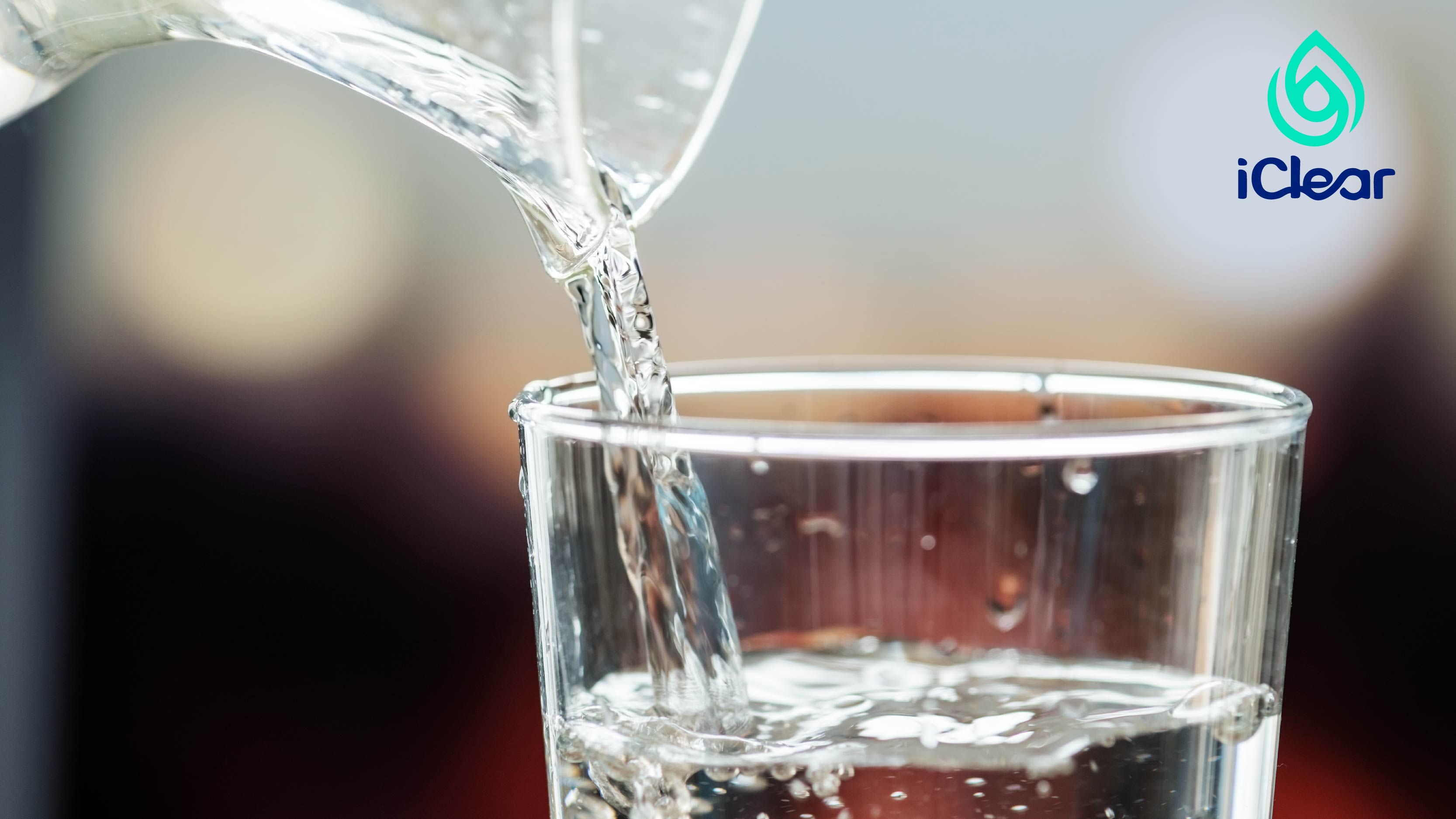
Ask the founder of iClear what the single biggest misconception about water in Kenya is, and the answer is immediate. It is the belief that clear water is safe water. Across four years of installations, water tests, and customer conversations, this one assumption is the one that has caused more harm than any other.
"If water looks clear, it is safe to drink."
That is the sentence our team hears, in some form, on almost every installation visit. It is the reason families across Kenya have been drinking water that is genuinely unsafe for years without knowing. And it is wrong.
Visible cloudiness, colour, or sediment is a useful warning signal, but it is only a warning for a small fraction of the contaminants in Kenyan water. The most dangerous things in your water cannot be seen at all.
Fluoride, the contaminant our team has measured at levels over 5 times the WHO safe limit in parts of the Rift Valley, is completely invisible. So is arsenic. So are most heavy metals, dissolved salts, nitrates, and most bacteria. A glass of water can look perfectly clean and still carry enough fluoride to cause permanent dental and skeletal damage with long-term consumption.
Our team has measured fluoride levels above 8.75 mg/L in parts of the Rift Valley. The WHO safe limit is 1.5 mg/L. None of that fluoride is visible in the glass.
Across the towns where iClear's technical team has tested water this year, here is what shows up in water that customers describe as "clear":
In every one of those readings, the water looked acceptable to the customer. None of it was acceptable to a meter.
On installation day, customers see what comes out of their water during the first filter change. The reaction across hundreds of homes has been remarkably consistent:
"I didn't know our water was this dirty."
The shift in understanding usually happens in that moment, watching sediment, rust, and discoloured residue come out of water they had been drinking, cooking with, and giving to their children. Clear, in that moment, stops being a synonym for clean.
These are the things in Kenyan water that visual inspection will never reveal:
None of these change the colour, clarity, or taste of water in obvious ways. Many of them are odourless. All of them are removable, but only by the right filtration technology.
Clear water means visible particles have settled or been filtered out. It says nothing at all about what is dissolved in the water at the molecular level. That distinction, dissolved versus visible, is the entire reason Reverse Osmosis exists as a technology. RO works at the molecular level, removing what no amount of looking will ever reveal.
Every product in the iClear range uses Reverse Osmosis filtration to remove the contaminants your eyes cannot detect. The iClear Standard and iClear Premier are designed for everyday household use. The iClear Desktop provides the same purification in a portable, no-plumbing form. Every system is KEBS-certified.
Clear water in Kenya is not safe water. It is unfiltered water that has had its visible particles removed. The dangerous things, the fluoride, the salts, the metals, the bacteria, are still there. Stop trusting your eyes. Start trusting your data.
Find out what is actually in your water.
Free delivery and professional installation in Nairobi and Nakuru. Visit the iClear shop.
Tags: water purifier Kenya, clear water safe to drink, water safety Kenya, iClear Kenya, fluoride Kenya, water quality Kenya, water purification machine

Water Purification & Treatment Specialists
David Ochieng, a water purification specialist at iClear Wellife Services Ltd, has extensive experience delivering safe and reliable water treatment solutions for homes and offices across Kenya.