Why Is My RO Purifier Producing Less Water Than It Used To?
22, Oct 2026

When choosing a water purifier, many people encounter three common technologies: UV, RO, and UF. Each system works differently and removes different types of contaminants from water.
For households, landlords, and offices trying to choose the right purification system, understanding what each technology removes is important. The effectiveness of a purifier depends largely on the type of contaminants present in the water.
This is especially relevant in Kenya where many homes rely on borehole water, which can contain dissolved salts, fluoride, nitrates, and other minerals that basic filters cannot remove.
Before choosing a purification method, water testing is recommended so that treatment is based on actual water quality rather than assumptions.
Ultraviolet purification uses ultraviolet light to disinfect water. UV light damages the DNA of microorganisms, preventing them from reproducing.
UV systems are commonly used to remove biological contaminants.
What UV systems remove:
• Bacteria
• Viruses
• Some parasites
However, UV purification does not remove dissolved substances from water.
This means contaminants such as fluoride, heavy metals, and salts remain in the water even after UV treatment.
UV systems also require relatively clear water to function effectively because high turbidity can block the light.
Ultrafiltration, commonly referred to as UF, uses a physical membrane that filters water through microscopic pores. These pores block certain microorganisms and particles.
UF filtration typically removes:
• Bacteria
• Some parasites
• Suspended particles
However, UF membranes cannot remove dissolved chemicals or minerals. Contaminants such as fluoride, nitrates, and heavy metals pass through the membrane.
UF systems are often used in areas where the main concern is microbial contamination rather than chemical contamination.
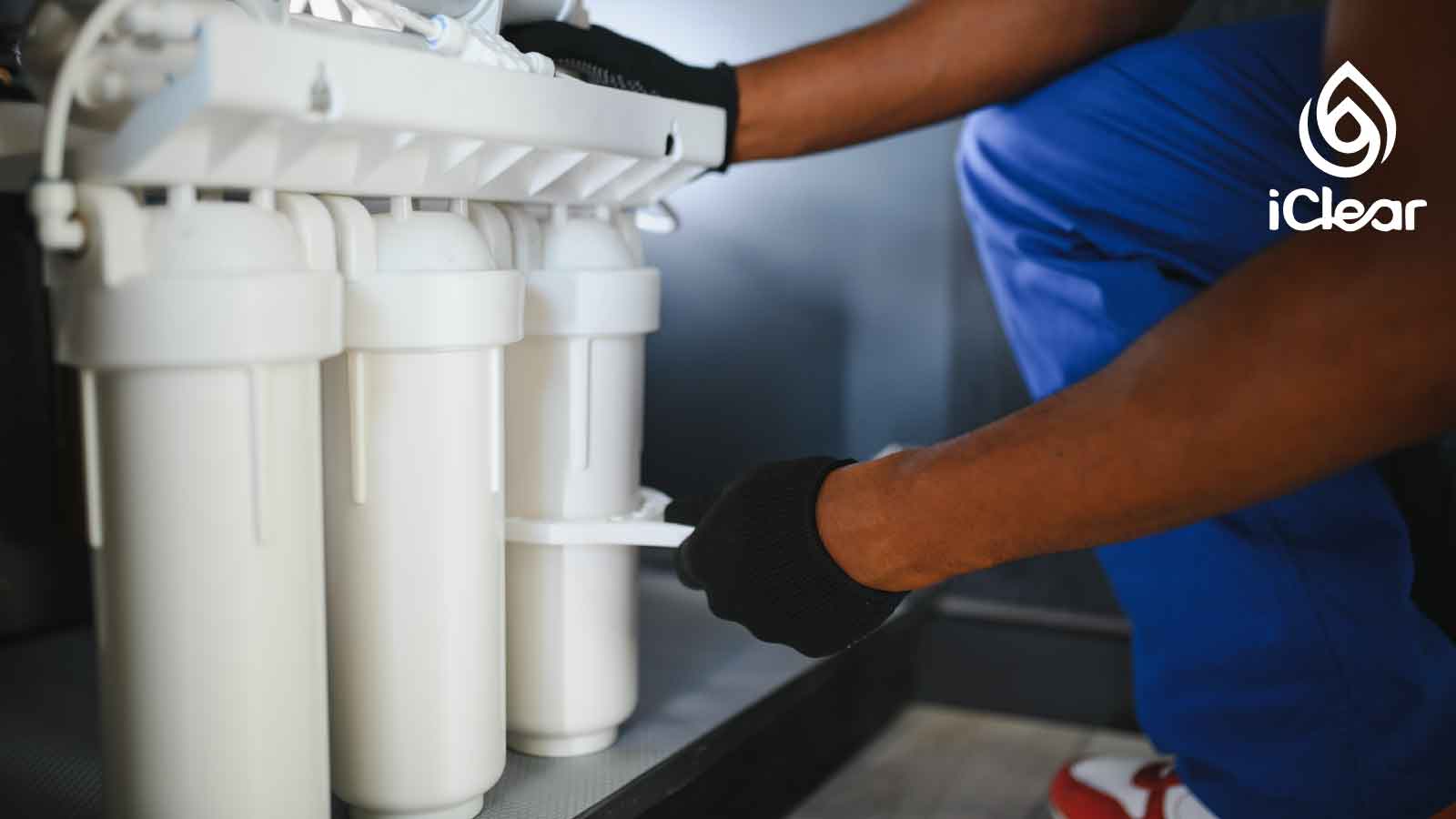
Reverse osmosis, often abbreviated as RO, is a filtration technology that uses a semi permeable membrane to remove dissolved substances from water.
Pressure forces water through the membrane, leaving many contaminants behind.
RO systems can remove:
• Bacteria
• Viruses
• Dissolved salts
• Fluoride
• Nitrates
• Heavy metals
• Many chemical contaminants
Because of this broad removal capability, RO systems are often used where water contains a mix of biological and chemical contaminants.
This is particularly relevant for borehole water, which can contain high levels of dissolved minerals depending on local geology.
The following table summarizes what each purification technology can remove.
|
Contaminant |
UV |
UF |
RO |
|
Bacteria |
Yes |
Yes |
Yes |
|
Viruses |
Yes |
No |
Yes |
|
Parasites |
Yes |
Yes |
Yes |
|
Sediment |
No |
Yes |
Yes |
|
Fluoride |
No |
No |
Yes |
|
Heavy metals |
No |
No |
Yes |
|
Nitrates |
No |
No |
Yes |
|
Dissolved salts |
No |
No |
Yes |
This comparison shows that while UV and UF address biological contamination, reverse osmosis addresses both biological and chemical contaminants.
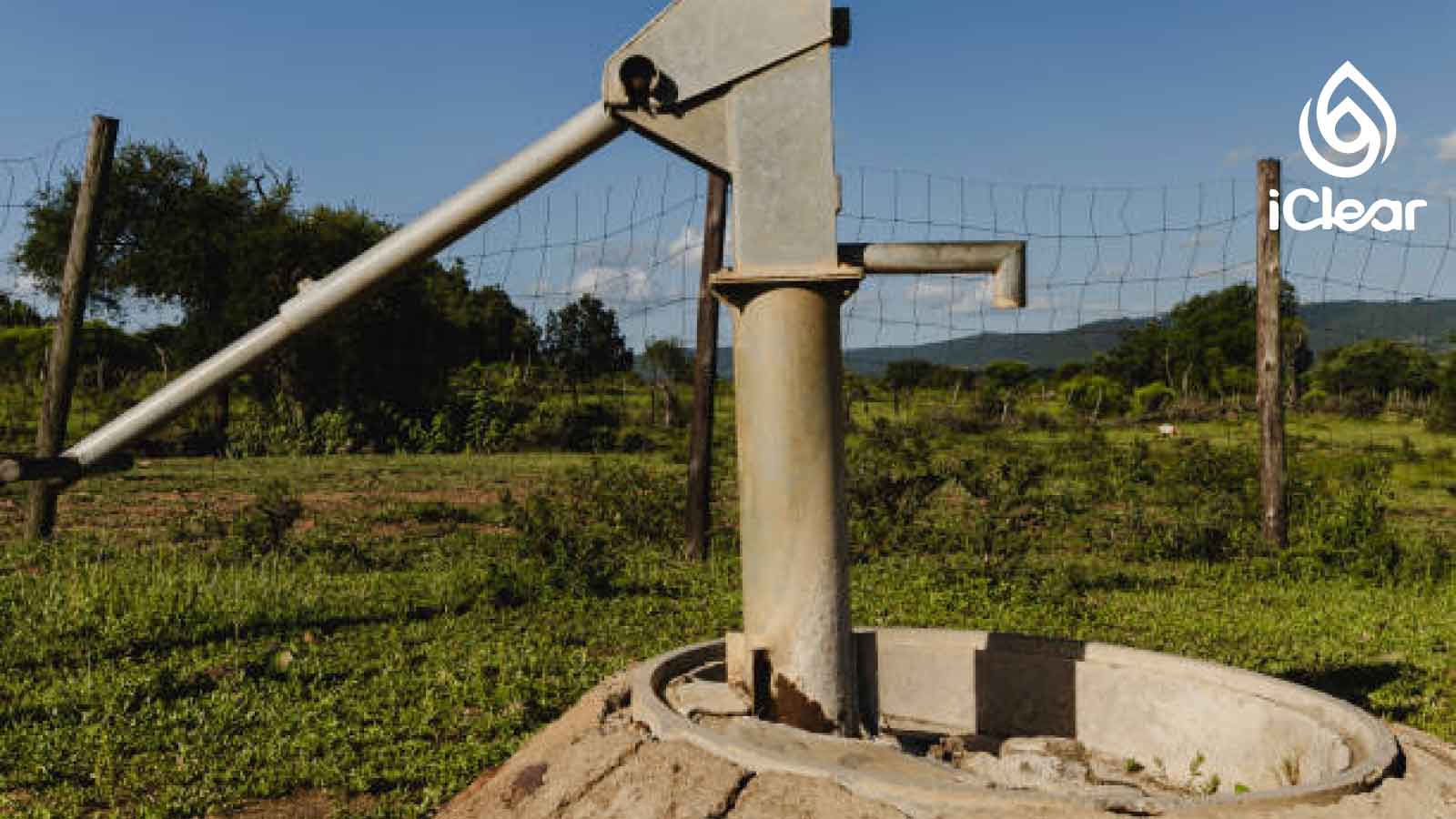
Many homes in Kenya rely on borehole water. While boreholes provide a reliable supply, the water often contains dissolved minerals such as fluoride or nitrates.
Basic filtration technologies may not be sufficient in these situations.
Reverse osmosis is commonly used for borehole water because it can remove dissolved contaminants that UV and UF systems cannot address.
For example, high nitrate levels in groundwater can be dangerous for infants. This is discussed in detail in our article Nitrates in Borehole Water: A Silent Danger for Babies.
Understanding the specific contaminants present in your water supply helps determine which purification system is most appropriate.
Different areas in Kenya may experience different water quality challenges.
Municipal tap water may primarily require microbial disinfection, while borehole water may contain higher levels of dissolved minerals.
Testing can reveal contaminants such as:
• Fluoride
• Nitrates
• Heavy metals
• Bacterial contamination
• Total dissolved solids
Choosing a purification system based on test results ensures that the selected technology addresses the actual risks present in the water.
Final Thoughts
UV, UF, and reverse osmosis technologies each play an important role in water purification. However, they remove different types of contaminants.
UV and UF systems are primarily designed to address biological contamination. Reverse osmosis is capable of removing both biological and chemical contaminants.
For households using borehole water or facing multiple water quality challenges, understanding these differences is essential when selecting the right purification system.
Testing water quality and choosing appropriate treatment technologies can help ensure safe and reliable drinking water for families and workplaces.
Frequently Asked Questions
UV purifiers disinfect water by killing microorganisms. UF filters remove certain particles and bacteria through a membrane. RO systems remove both microorganisms and dissolved contaminants such as salts, fluoride, and heavy metals.
Reverse osmosis systems are commonly used for borehole water because they can remove dissolved minerals and contaminants that other technologies cannot.

Water Purification & Treatment Specialists
David Ochieng, a water purification specialist at iClear Wellife Services Ltd, has extensive experience delivering safe and reliable water treatment solutions for homes and offices across Kenya.