Why Is My RO Purifier Producing Less Water Than It Used To?
22, Oct 2026

Nitrates are naturally occurring compounds found in soil and water. They are commonly linked to agricultural fertilizers, septic systems, animal waste, and natural organic matter breakdown.
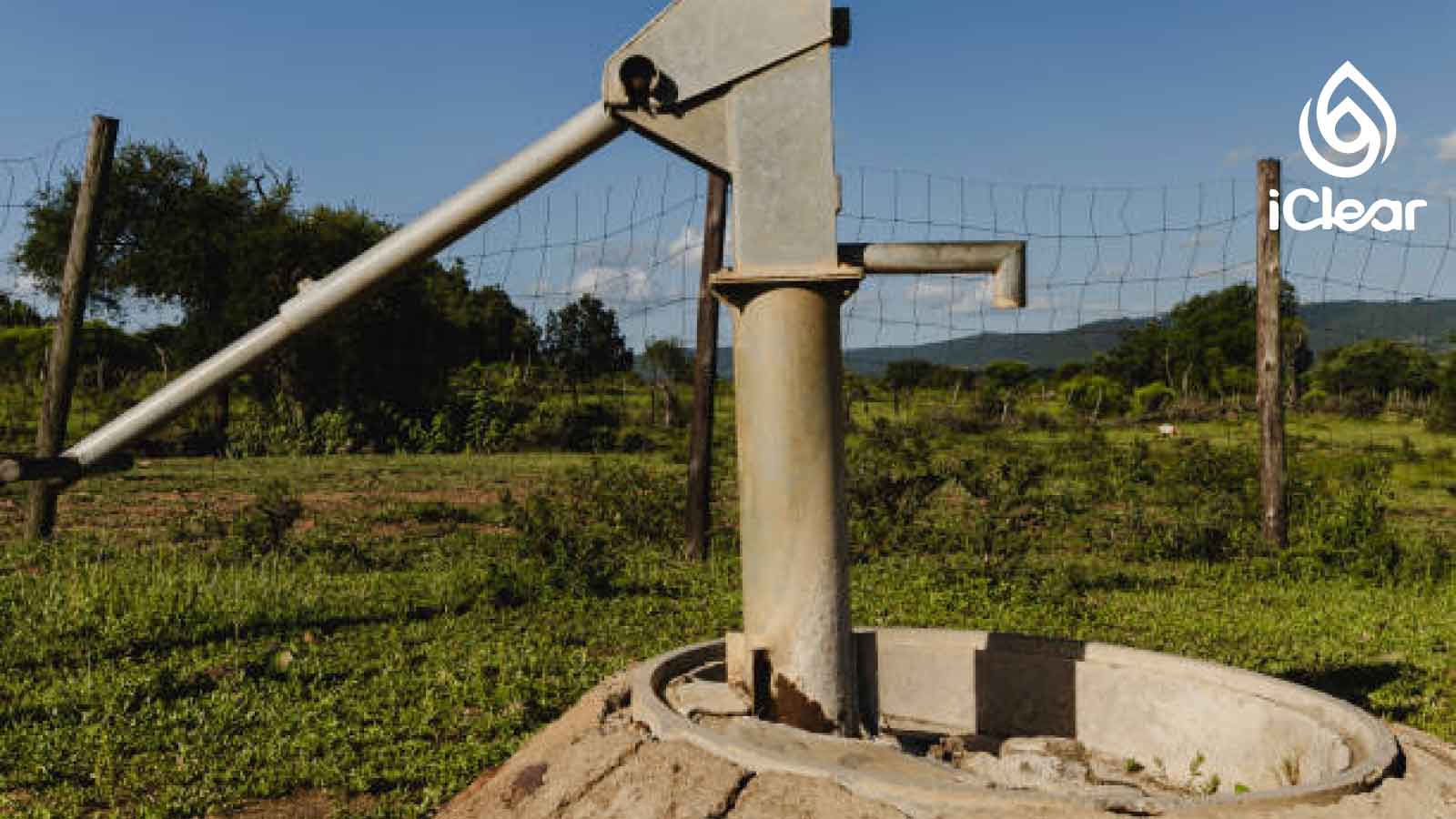
In Kenya, borehole water is widely used in residential estates, rental properties, and rural homes. While boreholes provide independence from municipal supply, they can also carry dissolved contaminants such as nitrates.
For adults, low to moderate nitrate exposure may not cause immediate symptoms. For babies, however, high nitrate levels can be dangerous.
According to the World Health Organization, the safe limit for nitrates in drinking water is 50 mg/L (WHO Guidelines for Drinking-water Quality: https://www.who.int/publications/i/item/9789241549950).
When levels exceed this threshold, infants are at risk of a condition known as methemoglobinemia, commonly called blue baby syndrome.
Blue baby syndrome occurs when nitrates interfere with the blood’s ability to carry oxygen. This condition is most common in infants under six months old.
The Centers for Disease Control and Prevention explains that high nitrate exposure can convert hemoglobin into methemoglobin, reducing oxygen delivery in the body (CDC: https://www.cdc.gov/nceh/).
Symptoms may include:
• Bluish skin tone, especially around lips and fingers
• Difficulty breathing
• Fatigue
• Irritability
• Vomiting
In severe cases, it can become life threatening.
Because infants drink more water relative to their body weight than adults, they are especially vulnerable.
Nitrates can seep into groundwater through:
• Fertilizer runoff from farms
• Leaking septic tanks
• Animal waste
• Poorly managed drainage systems
• Heavy rainfall increasing soil leaching
Areas near agricultural activity or densely populated developments with septic systems are at higher risk.
Rainy seasons may temporarily increase nitrate levels due to surface runoff.
Understanding lab results is critical. Below is a simple interpretation guide.
|
Nitrate Level (mg/L) |
Risk Level |
Action Required |
|
0 to 10 |
Safe |
Monitor |
|
10 to 50 |
Moderate |
Test regularly |
|
50+ |
Dangerous |
Immediate treatment |
If levels exceed 50 mg/L, water should not be used for infant formula preparation.
No.
Boiling does not remove nitrates. In fact, boiling can increase nitrate concentration because water evaporates while dissolved compounds remain.
This is a common misconception among families using borehole water.
There are two primary methods:
For families with infants, annual borehole testing is highly recommended. Properties using septic systems should test more frequently.
Landlords operating rental units supplied by boreholes should also maintain documented test reports for compliance and tenant assurance.
Not all filters remove nitrates effectively.
Below is a comparison of common treatment options.
|
Treatment Method |
Removes Nitrates |
Effectiveness |
Suitable for Boreholes |
|
Boiling |
No |
Ineffective |
No |
|
Basic carbon filter |
No |
Ineffective |
No |
|
Reverse osmosis system |
Yes |
High |
Yes |
|
Ion exchange system |
Yes |
High |
Yes |
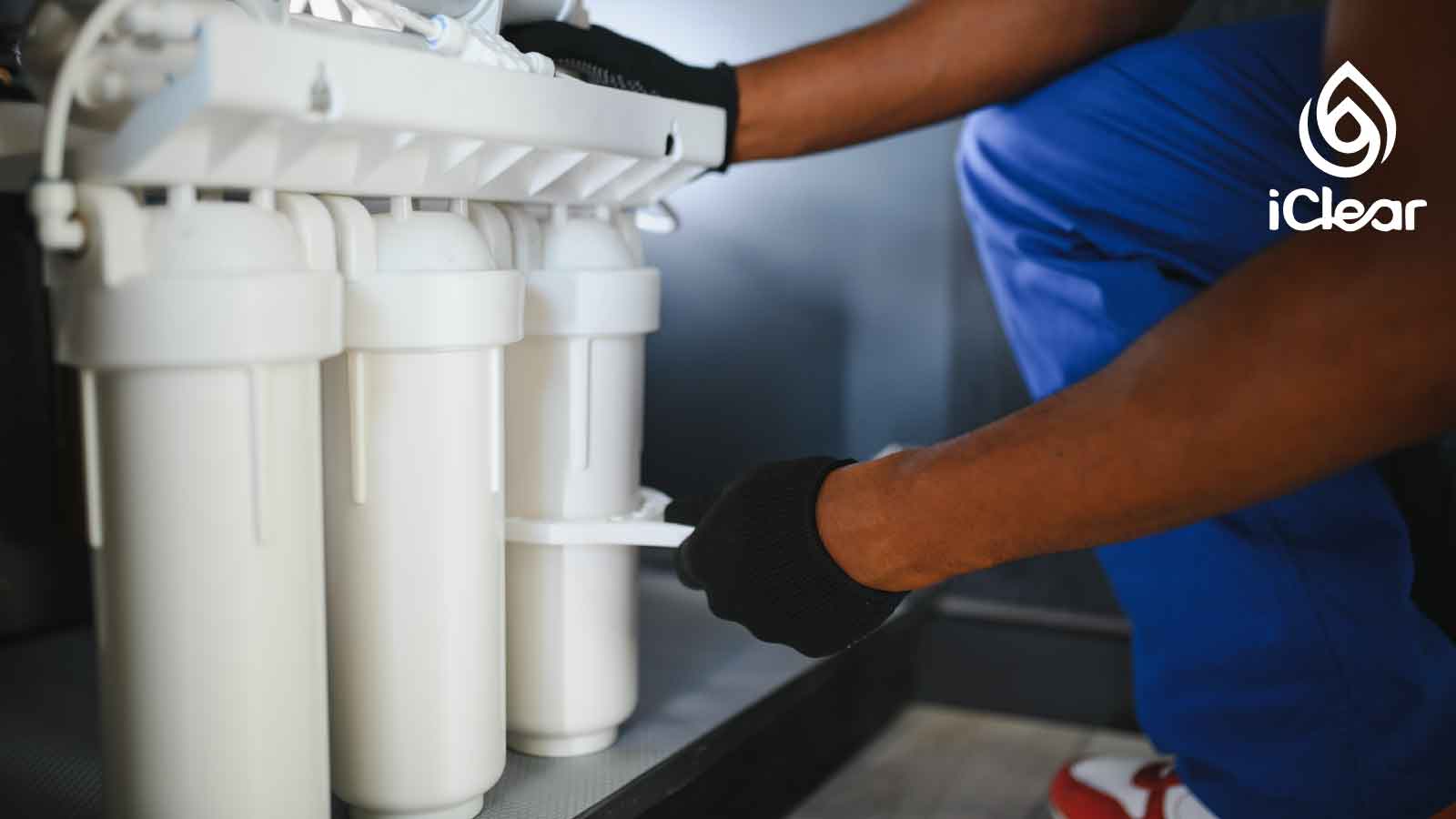
Reverse osmosis systems are widely recognized for reducing dissolved nitrates effectively. Multi stage systems are particularly effective for borehole water where multiple contaminants may be present.
When selecting treatment systems, professional water testing should guide the decision rather than assumptions.
Many parents focus on visible cleanliness. However, dissolved contaminants such as nitrates cannot be detected by sight or taste.
Families in peri-urban areas, new housing developments, and rural regions relying on boreholes should take nitrate risks seriously, especially if there are infants in the home.
Testing is affordable compared to the medical and emotional cost of preventable health complications.
Nitrates in borehole water are a silent risk that many families overlook.
The WHO safe limit of 50 mg/L provides a clear benchmark. If levels exceed that threshold, immediate action is required, particularly where babies are concerned.
Routine testing, proper treatment selection, and awareness can significantly reduce risk.
Clean water for infants is not optional. It is foundational to safe early development.

Water Purification & Treatment Specialists
David Ochieng, a water purification specialist at iClear Wellife Services Ltd, has extensive experience delivering safe and reliable water treatment solutions for homes and offices across Kenya.