Water Rationing in Kenya: How Intermittent Supply Affects Water Quality
28, Oct 2026
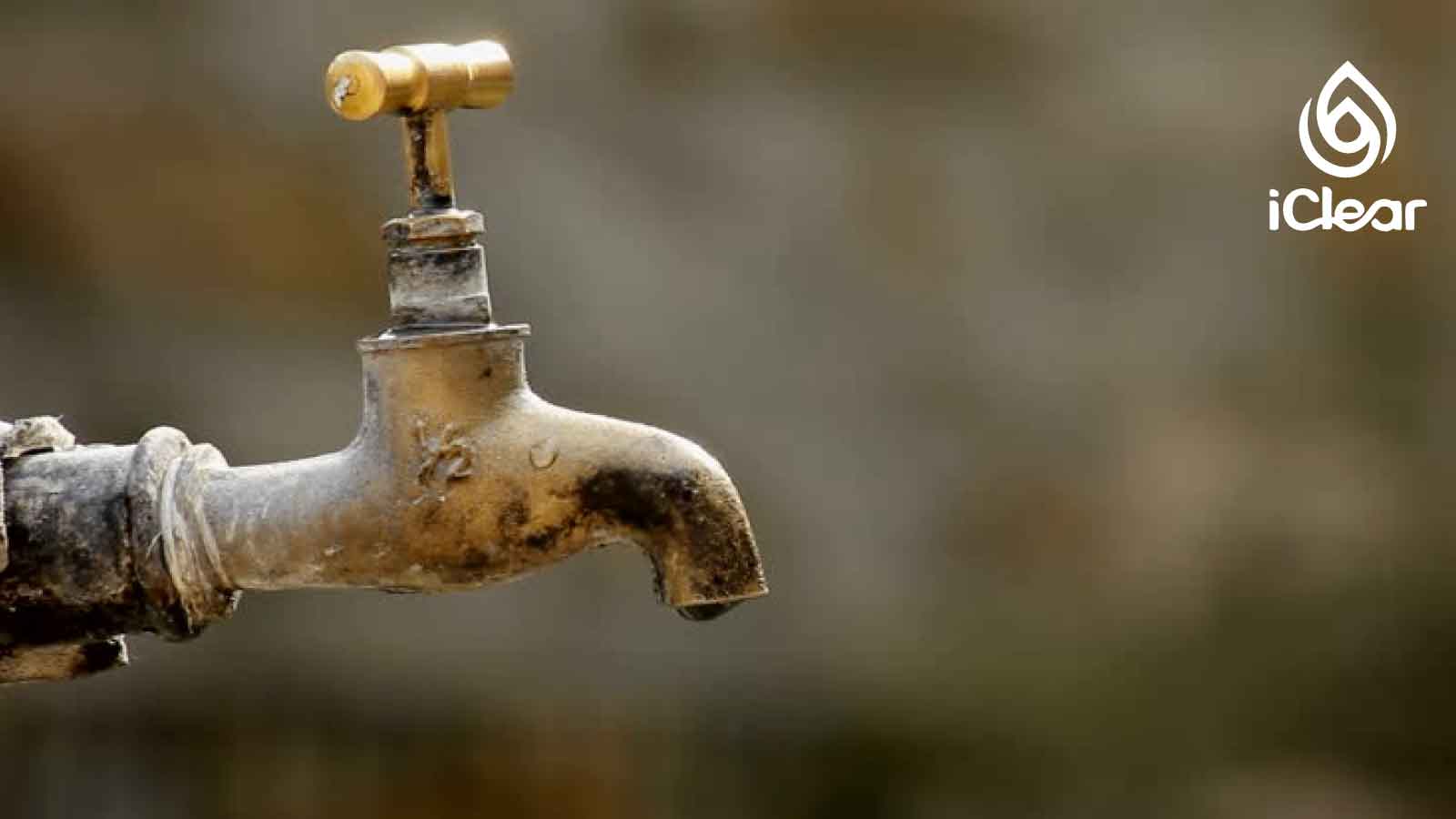
When municipal water supply resumes after a rationing period, the pressure surge can dislodge biofilm, carry sediment and allow back-siphonage from stagnant sections of the pipe network. The first water to arrive should be flushed before use.
Intermittent water supply is a daily reality for millions of urban Kenyans. Nairobi Water and Sewerage Company operates a zonal rationing schedule in most areas of the city, with many estates receiving piped water for as little as 3–4 days per week. During drought periods, which have intensified under climate change, rationing schedules tighten further.
Rationing means pipes in the distribution network are alternately pressurised and depressurised, a cycle that creates specific and well-documented risks to water quality.
1. Back-siphonage and intrusion: When pressure drops to zero in a main, any breach in the pipe casing, a crack, a corroded joint, a leaking valve, can allow soil water or contaminated groundwater to be drawn in by negative pressure. When the main is re-pressurised, that intruded water is pushed to consumers.
2. Sediment mobilisation: Sediment settles in pipes during low-flow periods. The surge that accompanies re-pressurisation picks up and carries that settled sediment to taps, causing temporary elevated turbidity and the bacteria associated with it.
3. Stagnation in household storage tanks: During rationing periods, water stored in rooftop or underground tanks can stagnate. Bacterial counts in stored water increase significantly after 48–72 hours if the tank is not covered and regularly cleaned.
Source: Intermittent water supply and contamination risk, Nation Africa; K24 Digital water coverage reports 2023.
|
Risk |
Protective Measure |
Notes |
|
Back-siphonage intrusion |
Flush tap 30–60 sec when supply resumes; use RO for drinking water |
Most effective combined approach |
|
Sediment surge |
Pre-filter installed at tank inlet; replace pre-filter after major turbidity events |
Protects tank and downstream system |
|
Tank stagnation |
Clean tank quarterly; keep covered with sealed lid; use within 48–72 hours |
Critical for households relying on storage |
|
Pressure surge damage |
Install pressure regulator on household inlet |
Protects appliances and joints |
Because water quality in an intermittent supply system is inherently variable, it depends not just on treatment plant output but on the entire state of the distribution network, point-of-use treatment provides the most consistent protection. An RO system at your kitchen tap treats every litre regardless of what happened in the pipe network that day.
Q: Why does my water sometimes smell like chlorine after rationing resumes?
A: Utilities may increase chlorine dosing temporarily after re-pressurising a section of network to address bacterial contamination introduced during the low-pressure period. Carbon pre-filters in your RO system remove this taste and odour.
Q: Should I empty my storage tank before rationing resumes?
A: If your tank has been standing for more than 72 hours, drawing down to a low level before the fresh supply arrives reduces the volume of stagnant water mixed with fresh supply and speeds the turnover.
Consistent quality, despite rationing schedules
iClear's RO purifiers ensure your drinking water is safe regardless of what the distribution network delivers. Find out more.
Keywords: water rationing Nairobi quality, intermittent water supply contamination, water rationing Kenya safety, tank water quality

Water Purification & Treatment Specialists
David Ochieng, a water purification specialist at iClear Wellife Services Ltd, has extensive experience delivering safe and reliable water treatment solutions for homes and offices across Kenya.