Biofilm in Your Household Pipes: The Contamination Risk Nobody Talks About
26, Oct 2026
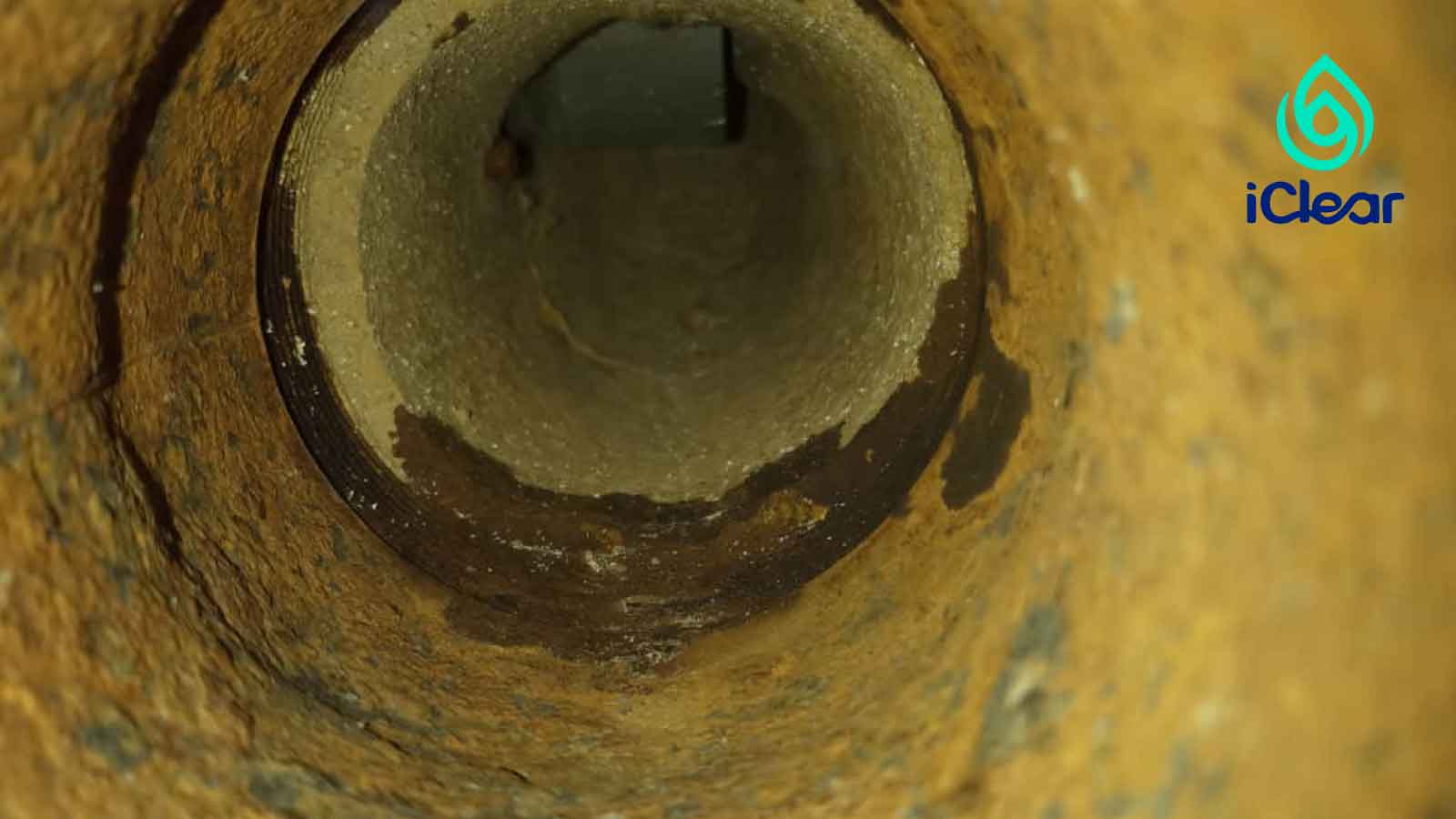
Biofilm, a community of bacteria embedded in a protective matrix on pipe walls, is present in virtually every plumbing system. During low-flow periods it can shed into drinking water. RO filtration at the tap eliminates this risk.
Biofilm is a structured community of microorganisms that attach to a surface and produce a protective extracellular matrix. In household plumbing, bacteria from the municipal supply or from the surrounding environment colonise pipe walls within days of installation. The matrix protects them from chlorine disinfection and from being flushed out by normal water flow.
Research published in Frontiers in Microbiology identified over 2,000 distinct bacterial species in household plumbing biofilms across multiple countries, including potential pathogens such as Legionella, Pseudomonas aeruginosa, and Mycobacterium species.
Under normal steady flow conditions, biofilm remains attached to pipe walls. Detachment events, which can introduce biofilm fragments and free bacteria into your drinking water, are triggered by:
Biofilm is 1,000 times more resistant to chlorine than free-floating (planktonic) bacteria. The extracellular matrix acts as a physical and chemical barrier, reducing chlorine diffusion to the inner layers of the biofilm by 70–90%. This means that standard municipal chlorination levels (0.2–0.5 mg/L residual) are insufficient to eliminate established biofilm.
Because biofilm can be present in the entire length of distribution pipe between the treatment plant and your tap, treating water at the source (the utility) does not guarantee clean water at the tap. A point-of-use filter, particularly an RO system, provides a final physical barrier that removes bacteria, biofilm fragments and their metabolic byproducts at the point of consumption.
Q: Is Legionella a real risk in Nairobi households?
A: Legionella grows preferentially in warm water (25–45°C) and is most associated with hot water systems, cooling towers and showerheads. The risk is low in normal household cold-water systems but higher in hot water storage tanks not maintained above 60°C.
Q: Can I remove biofilm from my pipes?
A: Physical removal requires professional pipe flushing and hyperchlorination, a periodic maintenance task for large buildings. For household drinking water, point-of-use filtration is the practical protection.
Clean water at the tap, always
iClear's point-of-use RO system provides protection from biofilm bacteria regardless of what happens in your building's pipes. Find out more.
Keywords: biofilm household pipes, bacteria drinking water Kenya, pipe contamination Nairobi, Legionella water safety

Water Purification & Treatment Specialists
David Ochieng, a water purification specialist at iClear Wellife Services Ltd, has extensive experience delivering safe and reliable water treatment solutions for homes and offices across Kenya.