Biofilm in Your Household Pipes: The Contamination Risk Nobody Talks About
26, Oct 2026
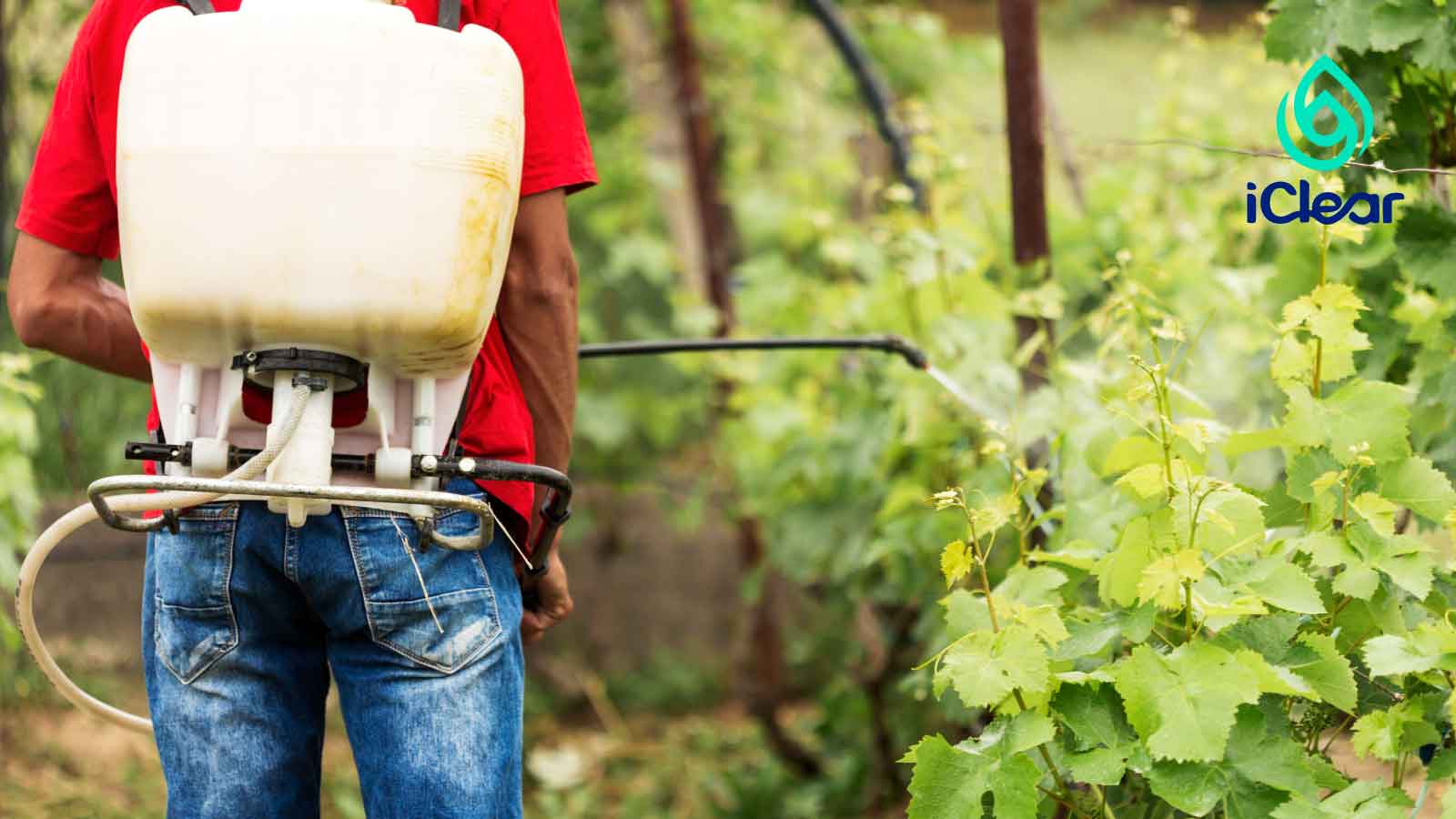
Reverse osmosis removes 90–99% of common pesticide residues including organochlorines and organophosphates. Boiling and standard carbon filters have limited effectiveness against dissolved pesticides.
Kenya is one of East Africa's most intensive users of agrochemicals. The Rift Valley, Mount Kenya region and the shores of Lake Naivasha are major horticultural zones where pesticides are applied extensively. Runoff from these areas enters rivers, reservoirs and groundwater that supply millions of households.
A study published in Environmental Monitoring and Assessment found detectable organochlorine pesticide residues in 74% of groundwater samples taken from horticultural farming areas in Nakuru County, with some samples exceeding WHO provisional guideline values for lindane (γ-HCH).
Source: Organochlorine pesticides in groundwater, Nakuru County, PubMed.
|
Pesticide Class |
Examples |
Behaviour in Water |
Removal by RO |
|
Organochlorines |
DDT, lindane, endrin |
Persist in sediment and fatty tissue; low water solubility |
95–99% |
|
Organophosphates |
Chlorpyrifos, malathion |
Moderately water-soluble; hydrolyse slowly |
90–96% |
|
Carbamates |
Carbofuran, aldicarb |
Highly water-soluble; mobile in groundwater |
85–92% |
|
Pyrethroids |
Cypermethrin, permethrin |
Low solubility; bind to sediment |
94–98% |
|
Glyphosate |
Roundup herbicide |
Highly water-soluble; widely detected |
>90% |
Not all water treatment methods are equally effective against dissolved pesticides:
For maximum pesticide removal, a multi-stage system combining activated carbon with RO offers the best results. The carbon stage captures organic compounds and protects the RO membrane from chlorine degradation, while the RO membrane provides the final physical barrier. This is the configuration used in iClear's Standard and Office purifiers.
Q: Do I need to worry about pesticides if I use municipal water?
A: Municipal treatment (flocculation, sedimentation, chlorination) removes some pesticides but is not designed to achieve the low residual levels possible with RO. RO remains the recommended technology for households near agricultural zones.
Q: Is glyphosate being detected in Kenyan water?
A: Glyphosate use is widespread in Kenya. While national monitoring data is limited, regional studies across sub-Saharan Africa have detected glyphosate in surface water near agricultural areas. RO is effective at removing it.
Clean water, regardless of what's upstream
iClear's carbon + RO combination tackles pesticides, sediment and biological contaminants in one system. Find out more.
Keywords: pesticides in drinking water Kenya, RO removes pesticides, water purifier pesticides, organochlorine water Kenya

Water Purification & Treatment Specialists
David Ochieng, a water purification specialist at iClear Wellife Services Ltd, has extensive experience delivering safe and reliable water treatment solutions for homes and offices across Kenya.