Mazingira Day 2026: What It Means for the Water Kenyans Drink
10, Oct 2026
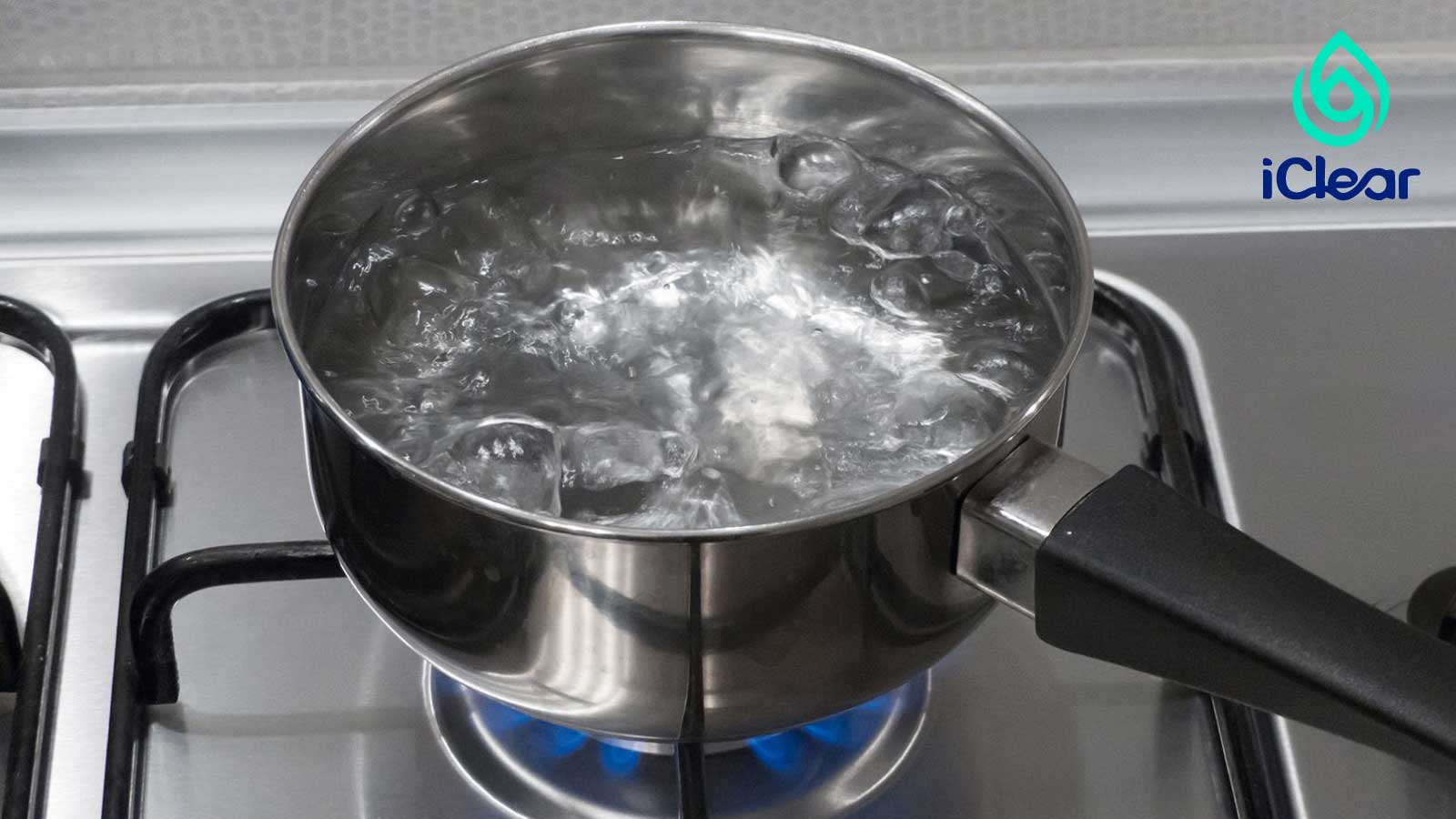
Boiling water is not enough on its own. It kills bacteria and viruses but does not remove fluoride, dissolved salts, or heavy metals, and by evaporating water it can concentrate them. Boiling addresses only one of several risks.
Bringing water to a rolling boil kills bacteria and most viruses. For water whose main problem is microbial contamination, boiling is a real and effective first line of defence, which is exactly why it became the standard advice for generations. Nothing in this article takes that away. If the only issue were germs, boiling would largely handle it.
The trouble is that germs are not the only issue in Kenyan water. Boiling does nothing about the dissolved contaminants that matter most in many parts of the country:

iClear's highest field fluoride reading against the WHO guideline value. Sources cited in image and appendix.
Here is the part most people never hear: boiling can make the dissolved problems worse. As water boils, it evaporates, but the fluoride, salts, and metals do not leave with the steam. They stay behind in less water, which means their concentration rises. For water that is already high in these contaminants, prolonged boiling is a step backwards, not forwards.
This is not a theoretical concern in Kenya. A large share of households rely on borehole water, and iClear's own measurements across towns show that borehole water routinely carries exactly the dissolved contaminants, fluoride and high TDS, that boiling cannot address and can worsen. A family diligently boiling their borehole water may be removing the bacteria while leaving, and even concentrating, the fluoride that causes long-term harm.
Reverse Osmosis removes what boiling cannot. By forcing water through a fine membrane, RO takes out fluoride, dissolved salts, heavy metals, and sediment, and removes bacteria and viruses as well, so it covers both the microbial risks boiling handles and the dissolved risks it does not. The iClear Standard is built for exactly the borehole conditions our field data describes, and the iClear Premier serves larger households. For the fuller picture of what different methods remove, see our guide on the myths that cost Kenyans money.
Boiling solved the water problem of an earlier era, when germs were the whole concern. Today's Kenyan water carries dissolved contaminants that boiling cannot remove and can concentrate. It is a good first step and a poor finish line.
Q: Is boiling water enough to make it safe in Kenya?
A: Not on its own. Boiling kills bacteria and viruses but does not remove fluoride, dissolved salts, or heavy metals, which are common in Kenyan borehole water. Boiling addresses only one of several risks.
Q: Does boiling remove fluoride from water?
A: No. Boiling does not remove fluoride. Because water evaporates while the fluoride remains, prolonged boiling can actually raise the fluoride concentration in the water that is left. Only methods like Reverse Osmosis remove fluoride.
Q: Is boiled borehole water safe to drink?
A: Boiling makes borehole water safer from bacteria but leaves its fluoride, dissolved salts, and heavy metals untouched, and can concentrate them. For borehole water, Reverse Osmosis is needed to address these dissolved contaminants.
Remove what boiling leaves behind.
Free delivery and professional installation in Nairobi and Nakuru. Visit the iClear shop.
Keywords: is boiling water enough, boiling water safe kenya, does boiling remove fluoride, boiling vs purifier, iClear Kenya, borehole water kenya

Water Purification & Treatment Specialists
David Ochieng, a water purification specialist at iClear Wellife Services Ltd, has extensive experience delivering safe and reliable water treatment solutions for homes and offices across Kenya.