

Search

Subtotal: KSh 0
Checkout View Cart

Myths & Facts

Fluoride in Kenyan Groundwater: The Silent Issue in the Rift Valley

Fluoride in Kenyan Groundwater: The Silent Issue in the Rift Valley

Drive through Nakuru, Naivasha, or Eldoret, and you will see something many Kenyan children grow up assuming is normal. Stained teeth. Mottled enamel. Adults whose smiles carry permanent brown marks from childhood. The cause is often the same: fluoride. Fluoride occurs naturally in groundwater across the Rift Valley. It is part of the geology, leaching into water as it passes through volcanic rock formations. The World Health Organization sets a safe limit of 1.5 milligrams per litre. In parts of Kenya, groundwater fluoride levels exceed that figure several times over. What fluoride does to the body over time Low levels of fluoride are actually beneficial. They strengthen tooth enamel and prevent decay, which is why fluoride is added to toothpaste. The problem is dose. At elevated levels, fluoride causes dental fluorosis. The visible staining of teeth is the most obvious sign, but it reflects deeper damage to enamel structure. In more severe cases, prolonged exposure leads to skeletal fluorosis, where bones become dense but brittle, joints stiffen painfully, and movement becomes restricted. Children are especially vulnerable because their teeth and bones are still developing. There is also a growing body of research linking high fluoride exposure to thyroid dysfunction and hormonal interference. Kenyan families in affected areas are dealing with health issues whose root cause has been sitting in their drinking water for generations. Which areas are most affected Fluoride contamination is most concentrated in the Rift Valley belt, including Nakuru, Naivasha, Baringo, Eldoret, and surrounding regions. Boreholes drilled in these areas often pull water with fluoride levels well above safe limits. Municipal supply in some of these towns is also affected because it sources from the same groundwater. Even outside the Rift Valley, fluoride is worth checking for. Some boreholes in parts of Kiambu, Machakos, and surrounding counties also carry elevated levels. Why boiling will not help This is the part many families miss. Fluoride is a dissolved mineral. Boiling does not remove it. If anything, boiling slightly concentrates fluoride in the remaining water as some of it evaporates. The same applies to standard filter jugs and ceramic candle filters. They are not designed to address dissolved contaminants like fluoride. The only household-level technology that reliably removes fluoride is Reverse Osmosis. As featured in a recent Daily Nation article on Kenya's growing demand for safe water, RO systems are now being installed in households across the Rift Valley and beyond, precisely because they address fluoride at the source: the glass on the kitchen counter. What every Rift Valley household should do If you live anywhere in the Rift Valley fluoride belt, get your water tested. Most municipal water authorities can provide a basic test, or a private lab can do a full breakdown for a reasonable fee. Knowing your fluoride level is the first step. If the test shows elevated levels, do not wait. The damage from fluoride is cumulative, which means every year of exposure adds up. Investing in an RO system early saves a generation of dental and skeletal health.   CALL TO ACTION If you live in Nakuru, Naivasha, Eldoret, or anywhere in the Rift Valley, iClear can help. KEBS-certified RO systems remove fluoride completely. WhatsApp the iClear team to book a water test.

Boiling, Filtering, Bottled Water: Why None of These Are a Complete Solution

Boiling, Filtering, Bottled Water: Why None of These Are a Complete Solution

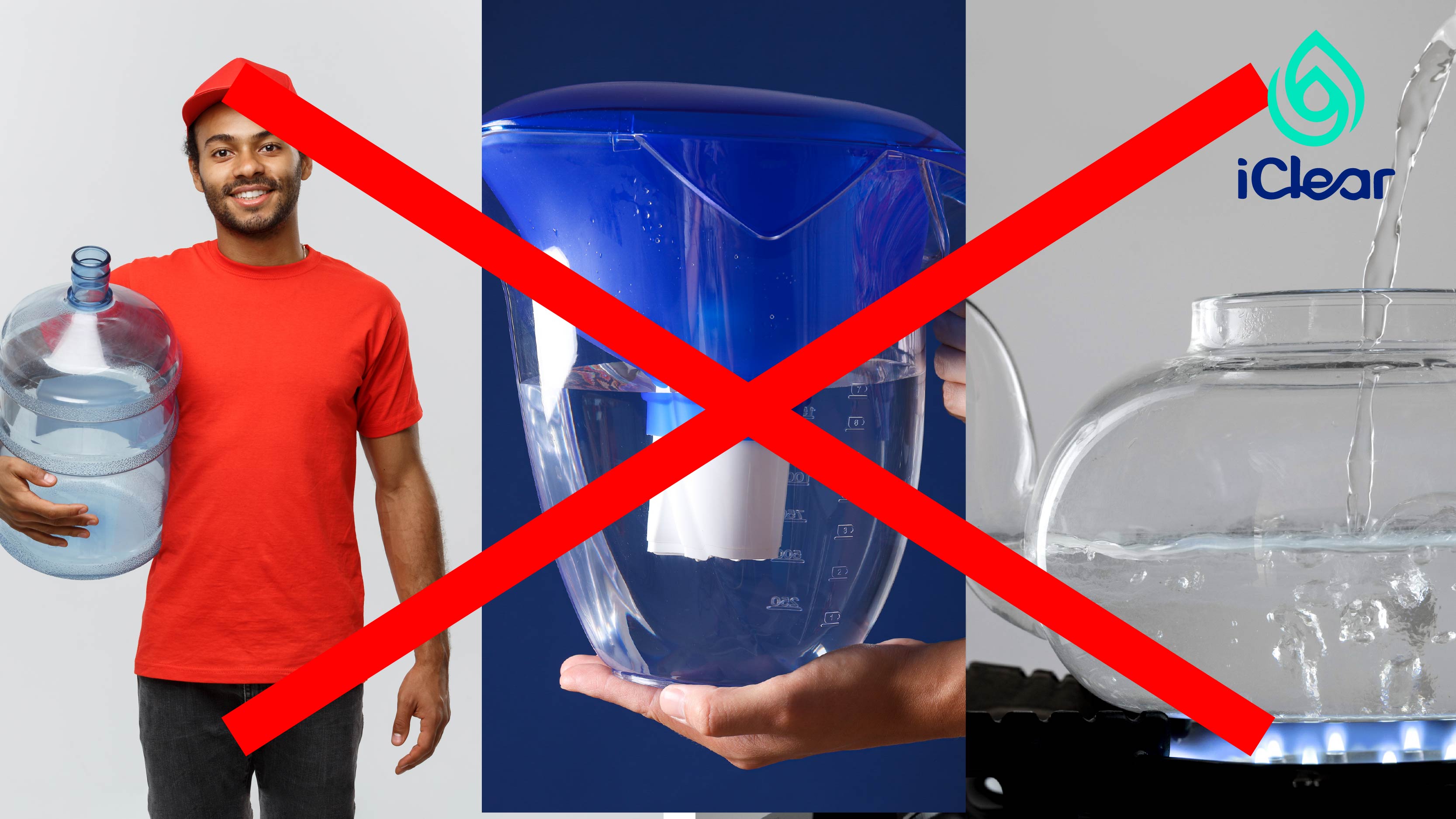
Most Kenyan households have a water safety routine. Some boil every morning. Others have a filter jug on the counter or a ceramic candle filter on the sink. Many buy bottled water by the case or send someone to refill twenty-litre dispensers from the local water shop. These habits feel responsible. They take time, effort, and money. The uncomfortable truth is that each one only solves part of the problem. What boiling actually does Boiling is excellent at one thing: killing biological contaminants. Bacteria, viruses, and parasites cannot survive a rolling boil. That is genuinely important, especially in areas where sewage contamination is a risk. Boiling does not remove fluoride. It does not remove lead, mercury, or other heavy metals. It does not remove salts, nitrates from agricultural runoff, or industrial chemicals. In fact, by evaporating some of the water, boiling can slightly concentrate these contaminants in what is left behind. Boiling is necessary in some contexts. It is just not sufficient on its own. What filter jugs and candle filters do The popular jug filters and ceramic candle filters found in many Kenyan kitchens work by passing water through a carbon-based filter that removes chlorine taste, some sediment, and certain organic compounds. They are better than nothing, but they are not designed to remove dissolved contaminants like fluoride, heavy metals, or salts. There is also the maintenance problem. Filter cartridges have a lifespan, and once expired, they can actually become a breeding ground for bacteria. A jug filter that has not been changed in months may be doing more harm than good. What bottled and refilled water really means Bottled water is the catch-all solution for many Kenyan families. It feels safe because it is sealed and branded. The reality is more variable. The quality of bottled water in Kenya depends on the source, the processing, and the regulation of the specific producer. KEBS-certified brands are reliable. Unregulated refill stations are not always. There is also the cost. A family of four spending two hundred to four hundred shillings a week on bottled water is spending ten to twenty thousand shillings a year, year after year, on a temporary solution. That money does not buy clean water. It rents it. The shift toward something more permanent More Kenyan households are catching on. As the Daily Nation recently reported, families across the country are moving away from these temporary fixes and toward installed, certified water purification systems that address the contaminants boiling and filter jugs cannot reach. Reverse Osmosis (RO) technology, in particular, has become the standard for households serious about long-term water safety. The shift is not about luxury. It is about recognising that the routines families have relied on for years were never designed to handle the contaminants Kenyan water actually carries.   CALL TO ACTION Stop renting clean water. iClear's KEBS-certified RO systems remove what boiling, filtering, and bottled water cannot. WhatsApp the iClear team to book a consultation.

Branded Bottled Water: Is It Really Safer?

Branded Bottled Water: Is It Really Safer?

Many Kenyan households turn to branded bottled water for convenience and perceived safety. It is often seen as cleaner and more reliable than tap or borehole water. Is Bottled Water Always Safe? Not necessarily. Quality can vary depending on: Source of the water Storage conditions Handling during distribution Common Concerns Exposure to heat during transport Plastic leaching into water Lack of transparency on treatment processes Cost Comparison Bottled water can become expensive over time. Option Estimated Monthly Cost Bottled water High Filtered water at home Lower over time Convenience vs Sustainability While convenient, bottled water: Creates plastic waste Is not always cost-effective May not be consistently regulated Final Thoughts Bottled water offers convenience, but it is not always the most reliable or sustainable long-term solution for drinking water.

Water Tank vs Water Purifier: Do You Need Both?

Water Tank vs Water Purifier: Do You Need Both?

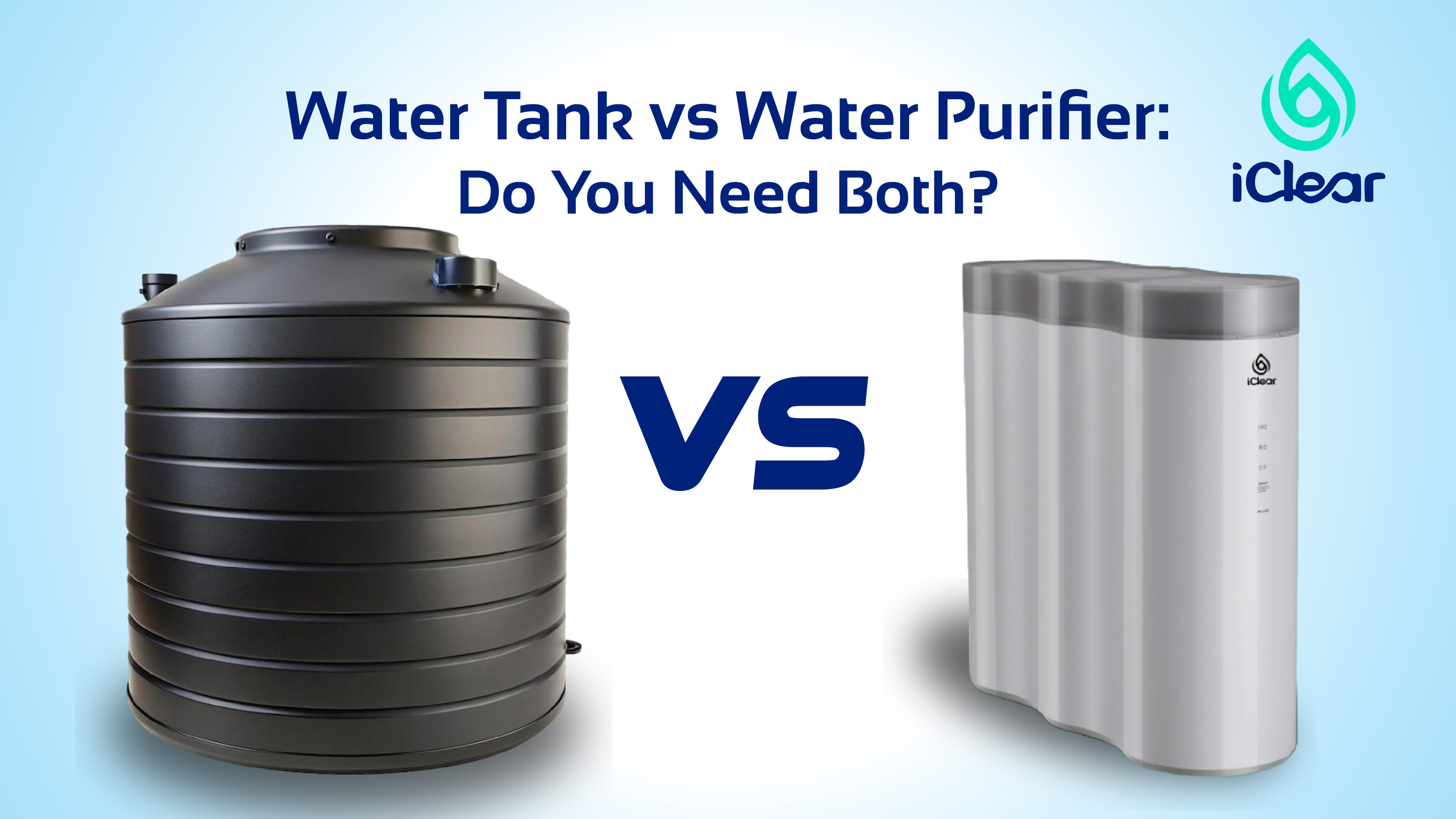
Many homes in Kenya have water tanks, but fewer invest in water purification. The two are often confused, yet they serve completely different purposes. A water tank stores water, while a water purifier treats water. What a Water Tank Does Water tanks are essential for: Storing water during supply interruptions Maintaining pressure in homes and apartments Providing backup during shortages However, tanks do not improve water quality. In fact, they can sometimes make it worse if not maintained. What a Water Purifier Does A water purifier removes: Bacteria and viruses Sediments and turbidity Dissolved contaminants like fluoride or heavy metals This ensures water is safe for drinking, not just available. Key Differences Feature Water Tank Water Purifier Purpose Storage Treatment Improves quality No Yes Removes bacteria No Yes Removes chemicals No Yes The Hidden Risk Water stored in tanks can become contaminated over time due to: Dust and debris Poor cleaning Heat exposure This means even clean water can become unsafe before use. Do You Need Both? In most Kenyan homes, the answer is yes. The tank ensures availability The purifier ensures safety Final Thoughts A water tank solves a supply problem. A purifier solves a health problem. Treating them as interchangeable can lead to serious water safety risks.

Are Landlords Responsible for Safe Drinking Water in Kenya?

Are Landlords Responsible for Safe Drinking Water in Kenya?

Yes, to a reasonable extent. Under Kenya’s Public Health Act Cap 242, property owners must ensure that premises do not pose health risks to occupants (Kenya Public Health Act: http://kenyalaw.org/kl/fileadmin/pdfdownloads/Acts/PublicHealthActCap242.pdf). This includes sanitation, waste management, and safe water within the property’s infrastructure. If contamination originates from building plumbing, storage tanks, or privately operated boreholes, responsibility may fall on the landlord. Municipal Water Versus Borehole Water Responsibility Municipal Supply If contamination occurs at the city supply level, the water service provider may bear responsibility. However, if contamination occurs within: • Internal pipes • Building storage tanks • Rooftop tanks • On site plumbing systems The landlord may be accountable. Borehole Systems If a landlord operates a private borehole, responsibility increases significantly. The property owner must ensure: • Regular water testing • Proper treatment • Safe storage • Equipment maintenance Failure to manage these responsibilities may expose the landlord to legal and reputational risks. Common Water Risks in Rental Properties Risk Common Cause Responsible Party Bacterial contamination Dirty tanks Landlord Heavy metals Old plumbing Landlord High fluoride Natural geology Landlord Seasonal turbidity Rain runoff Shared Regular maintenance significantly reduces these risks. Can Tenants Take Legal Action? Tenants may: • Report concerns to county public health officers • Request official inspections • Seek remedies through legal channels if negligence is proven Prevention is far more cost effective than defending a complaint. How Water Quality Impacts Property Value Safe water directly influences: • Tenant satisfaction • Occupancy rates • Rental pricing • Long term asset value Tenants increasingly ask about: • Borehole test reports • Water treatment systems • Tank cleaning schedules Properties that demonstrate proactive water safety measures are often viewed as more reliable. Compliance Checklist for Property Owners Action Recommended Frequency Purpose Water laboratory test Annually Legal and safety protection Tank cleaning Every six months Prevent bacterial contamination Plumbing inspection Every two years Reduce corrosion risks Filter servicing As recommended Maintain performance Documentation of these actions strengthens legal protection. Why Proactive Water Management Makes Business Sense Beyond legal duty, water safety offers financial benefits: • Fewer tenant complaints • Higher retention rates • Reduced vacancy periods • Stronger property reputation Modern tenants prioritize health and transparency. Clear water safety measures can differentiate a property in a competitive market. Final Thoughts Are landlords responsible for safe drinking water in Kenya? Yes, both legally and ethically. While municipal supply issues may be outside a landlord’s control, internal property infrastructure is not. Regular testing, maintenance, and appropriate treatment systems protect tenants and preserve property value. Safe water is now a standard expectation in professional property management.

Is Lead in Kenyan Water a Hidden Risk? What Families Should Know

Is Lead in Kenyan Water a Hidden Risk? What Families Should Know

Is lead in Kenyan water something families should worry about? Many households assume clear water means safe water. Unfortunately, lead contamination is invisible, tasteless, and odorless. Lead is a toxic heavy metal. Even small amounts in drinking water can affect brain development in children and increase blood pressure in adults. Long term exposure may lead to serious health problems. According to the World Health Organization, the safe limit for lead in drinking water is 0.01 mg/L or 10 micrograms per litre (WHO Guidelines for Drinking-water Quality: https://www.who.int/publications/i/item/9789241549950). That is an extremely small amount. Because lead cannot be seen or tasted, laboratory testing is the only reliable way to confirm its presence. How Does Lead Enter Drinking Water in Kenya? Lead rarely originates from the natural water source. In most cases, it enters water through plumbing systems. Common sources include: • Old metal pipes • Corroded plumbing • Brass fittings • Lead-based solder used in older buildings • Poorly coated storage tanks When water remains in pipes overnight, it can absorb small amounts of lead through a process known as corrosion leaching. Homes built decades ago may still have outdated plumbing components. Borehole systems can also be affected if low quality fittings are used during installation. Why Lead Is Especially Dangerous for Children Children absorb lead more easily than adults. Even low exposure levels can: • Reduce IQ • Affect attention span • Cause behavioral challenges • Interfere with growth The Centers for Disease Control and Prevention states that no safe blood lead level in children has been identified (CDC: https://www.cdc.gov/nceh/lead/). Pregnant women are also at higher risk because lead can affect unborn babies. Symptoms of Lead Exposure Lead poisoning often develops gradually and may not show clear symptoms immediately. In children, symptoms may include: • Irritability • Fatigue • Learning difficulties • Loss of appetite In adults, symptoms may include: • High blood pressure • Joint pain • Headaches • Memory issues Because symptoms can be vague, testing remains the most dependable way to assess risk. Does Boiling Remove Lead? No. Boiling water does not remove lead. In fact, boiling can concentrate lead because water evaporates while metals remain behind. This is a common misunderstanding that can increase risk rather than reduce it. What Removes Lead from Water? The table below compares common treatment methods. Treatment Method Removes Lead Effectiveness Recommended Use Boiling No Ineffective Not recommended Basic carbon filter Partial Moderate Low levels only Reverse osmosis system Yes High Residential use Distillation Yes High Small volumes Reverse osmosis systems are widely recognized for their ability to reduce heavy metals, including lead. Is Lead Common in Kenyan Water? Lead contamination is not widespread across all regions. However, it may occur in: • Older apartment buildings • Estates with aging plumbing • Improperly installed borehole systems • Buildings that have never undergone pipe replacement The Kenya Bureau of Standards aligns national drinking water standards with WHO recommendations (KEBS: https://www.kebs.org/). Compliance at the municipal supply level may exist, but private plumbing systems within buildings are the responsibility of property owners. How Families Can Protect Themselves Practical steps include: • Run tap water for one to two minutes each morning before use • Use cold water for cooking and drinking • Test water annually • Inspect and upgrade old plumbing • Install certified filtration systems if heavy metals are detected Families using borehole water should conduct comprehensive testing before regular consumption. Final Thoughts Is lead in Kenyan water a hidden risk? In certain situations, yes. The risk depends largely on plumbing conditions and property age rather than geography alone. The good news is that lead contamination can be tested and effectively reduced through proper treatment systems and maintenance. Water safety begins with awareness. Testing provides clarity. Prevention protects families.

The Most Common RO Purifier Myths Kenyan Consumers Still Believe

The Most Common RO Purifier Myths Kenyan Consumers Still Believe

Despite growing awareness about water quality in Kenya, many misconceptions about Reverse Osmosis (RO) water purifiers persist. These myths often prevent people from investing in the right solution, or worse, lead them to use unsuitable systems for their water source. Understanding the truth behind these myths helps households and offices make informed decisions and avoid unnecessary risks. Let’s break down some of the most common RO purifier myths Kenyan consumers still believe. Myth 1: “If Water Looks Clear, It’s Safe to Drink” This is one of the most dangerous misconceptions. Clear water can still contain: Dissolved salts Heavy metals Bacteria Chemical contaminants Many harmful substances are invisible to the naked eye. RO purification is effective precisely because it removes contaminants you cannot see, taste, or smell. Myth 2: “RO Purifiers Remove All Useful Minerals” RO systems remove dissolved substances, including some minerals. However: Most essential minerals come from food, not water Contaminants such as excess salts and heavy metals are far more harmful Clean, balanced water supports better hydration For most people, the benefits of removing harmful substances far outweigh concerns about mineral loss. Myth 3: “RO Is Only Needed for Salty or Borehole Water” While RO is highly effective for salty and borehole water, it is also useful for: Municipal tap water with inconsistent quality Areas with aging pipelines Mixed water sources RO provides an extra layer of safety when water quality changes unexpectedly. Myth 4: “All RO Purifiers Are Basically the Same” Not all RO systems are built for the same conditions. Differences include: Membrane quality Filter lifespan Capacity Suitability for high TDS or salinity Choosing the wrong system can lead to poor performance and higher maintenance costs. Myth 5: “Filters Can Be Used Until the Water Tastes Bad” Waiting for taste changes is risky. By the time taste changes: Filters may already be exhausted Contaminants may be passing through The RO membrane may be under strain Filter replacement should be based on time, water quality, and usage, not taste alone. Myth 6: “RO Systems Are Too Expensive to Maintain” When compared to: Bottled water costs Medical expenses from water-related illness Appliance damage from poor water quality RO systems are often more affordable in the long run. Proper maintenance reduces unexpected expenses and extends system life. Myth 7: “Once Installed, an RO System Works Forever” RO systems are not set-and-forget devices. They require: Regular filter changes Periodic servicing Monitoring of performance Neglecting maintenance leads to declining water quality and system failure.   Why These Myths Persist Many myths come from: Incomplete information One-size-fits-all advice Short-term thinking focused only on price Reliable guidance and proper education help consumers make better decisions.   The Importance of Correct Information Understanding how RO systems work allows users to: Choose the right purifier Maintain it properly Get consistent water quality Protect long-term health Myth-free decisions lead to better outcomes.   Conclusion RO water purifiers are powerful tools, but only when understood and used correctly. Myths about clear water, maintenance, cost, and suitability often stand in the way of safer drinking water in Kenya. By separating fact from fiction, consumers can confidently choose solutions that match their water quality, usage, and long-term needs, ensuring safe water every day.

Does Nairobi Tap Water Meet KEBS Quality Standards?

Does Nairobi Tap Water Meet KEBS Quality Standards?

Not always. While municipal water leaves the treatment plant compliant, contamination often occurs in transit. Our testing shows that many Nairobi households receive water with Fluoride and TDS levels exceeding KEBS KS EAS 12:2018 limits. An iClear RO system corrects these levels to meet international safety standards. Understanding the Numbers You see the "KEBS Quality Mark" on bottled water, but what does it actually mean? And how does your tap water compare? We pulled data from the Kenya Bureau of Standards (KEBS) KS EAS 12:2018 guidelines to show you what safe water looks like. The Comparison: KEBS Limits vs. Common Nairobi Water Sources Parameter KEBS Standard (Limit) Typical Borehole (Nairobi) iClear RO Purified Water pH Level 6.5 – 8.5 8.5 – 9.5 (Too Alkaline) 7.0 – 7.5 (Neutral/Perfect) TDS (Solids) Max 1000 mg/L 600 – 1500 mg/L 20 – 100 mg/L Fluoride Max 1.5 mg/L 2.0 – 5.0 mg/L < 0.5 mg/L E. Coli Nil (0/100ml) Often Detected Nil (100% Removed) Sources: Data Sources: KEBS KS EAS 12:2018 Potable Water Specification; WHO Guidelines for Drinking-water Quality.   Why Compliance Matters Health: Excess fluoride causes bone issues. High nitrates (common in agricultural runoff) affect oxygen levels in blood. Trust: You shouldn't have to guess if your water is safe. With iClear, you can test your water with a TDS meter instantly and verify it meets international standards.   FAQs 1. What are KEBS standards for drinking water? KEBS KS EAS 12:2018 defines safe limits for fluoride, TDS, pH, and contaminants. 2. Does Nairobi water meet these standards? In many areas, borehole and mixed supply water exceeds KEBS limits for fluoride and TDS. 3. Is high fluoride dangerous? Yes. Long term exposure can cause dental and skeletal fluorosis. 4. How does iClear ensure KEBS compliance? By using RO purification that reduces fluoride, salts, and contaminants to safe levels. 5. Should I test my water before buying a purifier? Yes. Water testing helps match the correct purification system to your specific water source.

Is the Tap Water in Kilimani & Westlands Safe to Drink?

Is the Tap Water in Kilimani & Westlands Safe to Drink?

Not always. Residents in Kilimani and Westlands often face water with TDS levels exceeding 500ppm and fluctuating pH levels due to mixed supply sources (city council vs. borehole). An RO purifier is essential to remove hardness and potential bacterial contamination from aging pipes. The "Hard" Truth About Upscale Neighborhoods Living in Westlands or Kilimani comes with perks, but water quality often isn't one of them. While these areas are connected to the city supply, shortages frequently force buildings to rely on borehole water. What Is Actually in the Water High TDS (Total Dissolved Solids): Borehole water in these areas often registers TDS levels between 500ppm and 1200ppm. The World Health Organization considers water below 300 ppm TDS more palatable, (https://www.who.int/docs/default-source/wash-documents/wash-chemicals/total-dissolved-solids-background-document.pdf).   Bacterial Contamination: Aging infrastructure and illegal connections can introduce E. coli and coliforms into the supply.   Salinity & pH: Residents report "hard" water that doesn't lather soap and leaves white scale on kettles. This indicates high calcium and magnesium levels, which can affect your skin and hair health. Why Basic Filters Aren't Enough Standard "pitcher" filters or boiling won't remove dissolved salts (TDS) or chemicals. You need Reverse Osmosis (RO) technology. iClear systems use a semi-permeable membrane (0.0001 microns) that strips these invisible contaminants, ensuring the water in your penthouse is as premium as the location.   Why iClear Technology Works Here • RO membrane removes dissolved salts. • Carbon filtration improves taste and odour. • Multi stage purification ensures safety. FAQs 1. Can you drink tap water directly in Westlands or Kilimani? It is not recommended. TDS levels and contamination risks are often too high without purification. 2. Why is water hard in Westlands and Kilimani? Because borehole water is frequently mixed into municipal supply, increasing mineral content and salinity. 3. What TDS level is safe for drinking water? Below 300 ppm is considered palatable. Many homes in these areas exceed 500 ppm. 4. Will a normal filter fix hard water? No. Only Reverse Osmosis systems remove dissolved salts and hardness effectively. 5. Is iClear suitable for apartments? Yes. iClear systems are designed for apartment and estate installations.  

Is It Cheaper to Lease an Office Water Purifier or Buy Bottled Water Dispenser?

Is It Cheaper to Lease an Office Water Purifier or Buy Bottled Water Dispenser?

Yes. Leasing the iClear Office Water Purifier at Ksh 80,000 per year is cheaper and more reliable than bottled water for offices with 20 to 30 staff. Why Offices Ask This Question Office managers often ask: “How much can we really save on water?” “Is bottled water safer than purified tap water?” Realistic Office Consumption Assumptions • 20 to 30 staff • Two 20 litre bottles per day • Average cost Ksh 200 per bottle • 260 working days Annual Cost Comparison    Item        Bottled Water                iClear Office Purifier Lease Water cost per year Ksh 104,000 Included Lease cost N A Ksh 80,000 Installation Included Ksh 10,000 one time Filter replacement N A Included Servicing N A Included Plastic waste High Minimal   Why Offices Choose iClear • Four free services per year • Free filter replacement • No delivery delays • Unlimited purified water   FAQs 1. Is leasing an office water purifier worth it? Yes. For offices with 20 to 30 staff, leasing an iClear Office Water Purifier is cheaper annually than bottled water and removes delivery dependency. 2. How much does the iClear Office Water Purifier cost? Leasing costs Ksh 80,000 per year. Ownership costs Ksh 120,000. Installation is a one time Ksh 10,000 fee. 3. Are filter replacements included in the lease? Yes. Filter replacements and servicing are included in the lease at no additional cost. 4. How many people can the iClear Office Purifier serve? It comfortably supports offices with 20 to 30 staff and continuous daily use. 5. Does office water purification reduce plastic waste? Yes. It eliminates the need for hundreds of plastic bottles annually. 6. Where can I find iClear, and can I visit your office for a product demonstration? iClear has offices where customers can visit and view live demonstrations of our water purification systems before making a purchase. Our main locations are Ecobank Towers, 7th Floor, Muindi Mbingu Street, Nairobi and Baraka Plaza, Kenyatta Avenue, 3rd Floor, Room T5, Nakuru. Office visits are available by appointment to ensure personalised assistance. Please contact us in advance to schedule a demo.