Why Is My RO Purifier Producing Less Water Than It Used To?
22, Oct 2026

Despite growing awareness about water quality in Kenya, many misconceptions about Reverse Osmosis (RO) water purifiers persist. These myths often prevent people from investing in the right solution, or worse, lead them to use unsuitable systems for their water source.
Understanding the truth behind these myths helps households and offices make informed decisions and avoid unnecessary risks. Let’s break down some of the most common RO purifier myths Kenyan consumers still believe.
This is one of the most dangerous misconceptions.
Clear water can still contain:
Many harmful substances are invisible to the naked eye. RO purification is effective precisely because it removes contaminants you cannot see, taste, or smell.
RO systems remove dissolved substances, including some minerals. However:
For most people, the benefits of removing harmful substances far outweigh concerns about mineral loss.
While RO is highly effective for salty and borehole water, it is also useful for:
RO provides an extra layer of safety when water quality changes unexpectedly.
Not all RO systems are built for the same conditions. Differences include:
Choosing the wrong system can lead to poor performance and higher maintenance costs.
Waiting for taste changes is risky. By the time taste changes:
Filter replacement should be based on time, water quality, and usage, not taste alone.
When compared to:
RO systems are often more affordable in the long run. Proper maintenance reduces unexpected expenses and extends system life.
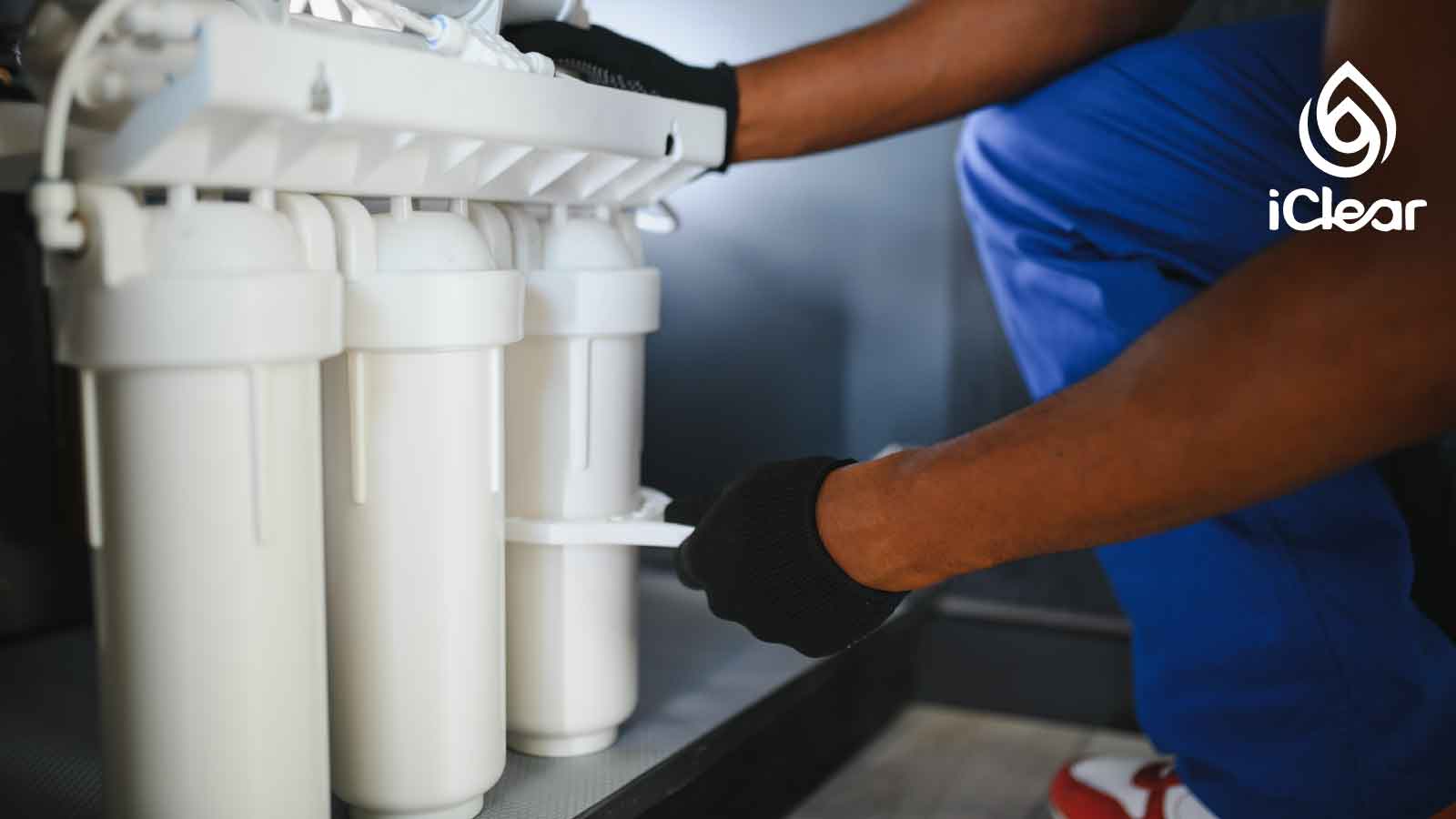
RO systems are not set-and-forget devices. They require:
Neglecting maintenance leads to declining water quality and system failure.
Many myths come from:
Reliable guidance and proper education help consumers make better decisions.
Understanding how RO systems work allows users to:
Myth-free decisions lead to better outcomes.
RO water purifiers are powerful tools, but only when understood and used correctly. Myths about clear water, maintenance, cost, and suitability often stand in the way of safer drinking water in Kenya.
By separating fact from fiction, consumers can confidently choose solutions that match their water quality, usage, and long-term needs, ensuring safe water every day.

Water Purification & Treatment Specialists
David Ochieng, a water purification specialist at iClear Wellife Services Ltd, has extensive experience delivering safe and reliable water treatment solutions for homes and offices across Kenya.