Why Is My RO Purifier Producing Less Water Than It Used To?
22, Oct 2026
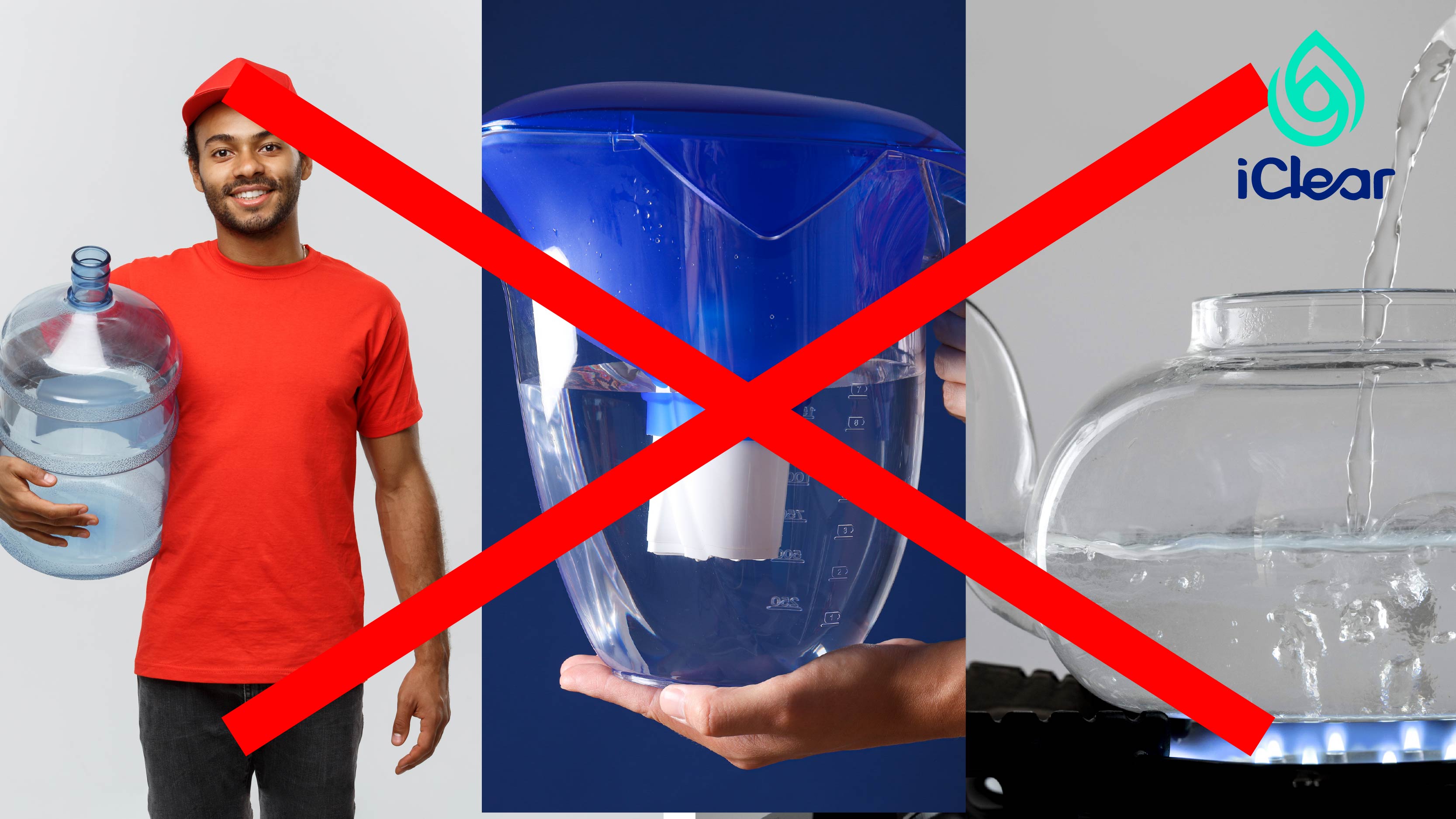
Most Kenyan households have a water safety routine. Some boil every morning. Others have a filter jug on the counter or a ceramic candle filter on the sink. Many buy bottled water by the case or send someone to refill twenty-litre dispensers from the local water shop. These habits feel responsible. They take time, effort, and money. The uncomfortable truth is that each one only solves part of the problem.
What boiling actually does
Boiling is excellent at one thing: killing biological contaminants. Bacteria, viruses, and parasites cannot survive a rolling boil. That is genuinely important, especially in areas where sewage contamination is a risk.
Boiling does not remove fluoride. It does not remove lead, mercury, or other heavy metals. It does not remove salts, nitrates from agricultural runoff, or industrial chemicals. In fact, by evaporating some of the water, boiling can slightly concentrate these contaminants in what is left behind.
Boiling is necessary in some contexts. It is just not sufficient on its own.
What filter jugs and candle filters do
The popular jug filters and ceramic candle filters found in many Kenyan kitchens work by passing water through a carbon-based filter that removes chlorine taste, some sediment, and certain organic compounds. They are better than nothing, but they are not designed to remove dissolved contaminants like fluoride, heavy metals, or salts.
There is also the maintenance problem. Filter cartridges have a lifespan, and once expired, they can actually become a breeding ground for bacteria. A jug filter that has not been changed in months may be doing more harm than good.
What bottled and refilled water really means
Bottled water is the catch-all solution for many Kenyan families. It feels safe because it is sealed and branded. The reality is more variable. The quality of bottled water in Kenya depends on the source, the processing, and the regulation of the specific producer. KEBS-certified brands are reliable. Unregulated refill stations are not always.
There is also the cost. A family of four spending two hundred to four hundred shillings a week on bottled water is spending ten to twenty thousand shillings a year, year after year, on a temporary solution. That money does not buy clean water. It rents it.
The shift toward something more permanent
More Kenyan households are catching on. As the Daily Nation recently reported, families across the country are moving away from these temporary fixes and toward installed, certified water purification systems that address the contaminants boiling and filter jugs cannot reach. Reverse Osmosis (RO) technology, in particular, has become the standard for households serious about long-term water safety.
The shift is not about luxury. It is about recognising that the routines families have relied on for years were never designed to handle the contaminants Kenyan water actually carries.
|
CALL TO ACTION Stop renting clean water. iClear's KEBS-certified RO systems remove what boiling, filtering, and bottled water cannot. WhatsApp the iClear team to book a consultation. |

Water Purification & Treatment Specialists
David Ochieng, a water purification specialist at iClear Wellife Services Ltd, has extensive experience delivering safe and reliable water treatment solutions for homes and offices across Kenya.