
Mazingira Day 2026: What It Means for the Water Kenyans Drink
10, Oct 2026
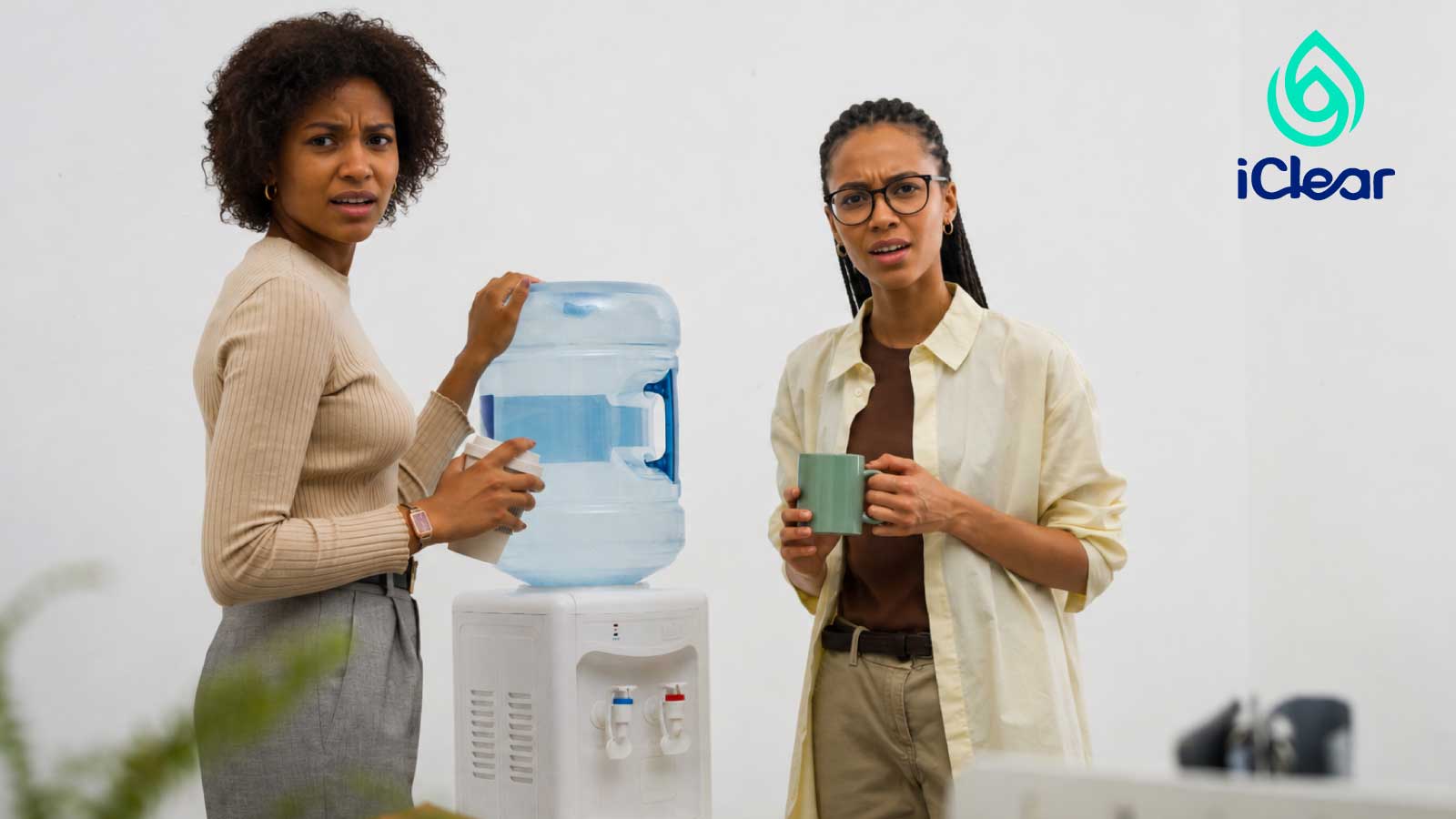
A water dispenser should be sanitised every 4 to 6 weeks, and more often in warm conditions. The reservoir, taps, and drip tray accumulate bacteria and biofilm over time, so dispensing alone does not keep the water clean.
The practical answer for most Kenyan homes and offices is to sanitise the dispenser thoroughly every 4 to 6 weeks. In warm conditions, or where the dispenser is in heavy daily use, lean toward the shorter end. This is separate from the simple daily wipe of the taps and drip tray, which helps but does not reach the parts that matter most.
Three areas accumulate the problems, and none of them is visible during normal use:
Studies of water dispensers have found bacterial contamination, including coliform bacteria, in units that looked perfectly clean from the outside. Visual cleanliness of a dispenser does not reflect what is growing inside it.
Photo to commission: A close-up of a dispenser reservoir or tap interior showing real buildup, ideally from an actual serviced unit, would make this section far more powerful than any stock image. Commission from the field team on the next dispenser service call.
Bacteria multiply faster in warmth. A dispenser standing in a warm Kenyan room provides an ideal environment for growth in the reservoir and taps, which means the safe interval between cleanings is shorter here than the generic advice printed for cooler climates. If your dispenser is in a sunny room or an un-air-conditioned office, treat 4 weeks as the maximum, not the target.
A proper clean reaches the parts a wipe cannot:
Here is the limit worth being honest about: sanitising the dispenser keeps the machine clean, but it does nothing about the quality of the water going into it. If the water you pour in carries dissolved salts, fluoride, or contamination from its source, a spotless dispenser still dispenses those. The way to solve both problems at once is to purify the water at the point of use. The iClear Desktop purifies through Reverse Osmosis and dispenses in one unit, with no separate reservoir sitting and waiting to be contaminated.
A clean dispenser and clean water are two different things. Sanitising handles the first. Only purification handles the second.
Q: How often should I clean my water dispenser?
A: Sanitise it thoroughly every 4 to 6 weeks, and more often in warm conditions or heavy use. Wipe the taps and drip tray more frequently. The internal reservoir is the part that matters most and is most often missed.
Q: What happens if you never clean a water dispenser?
A: The reservoir, taps, and drip tray accumulate bacteria and biofilm over time, which then enter the water you drink. Research has found bacterial contamination in dispensers that looked clean externally.
Q: Does cleaning a dispenser make the water safe?
A: It keeps the machine from adding contamination, but it does not purify the water going in. If that water carries dissolved salts, fluoride, or source contamination, a clean dispenser still dispenses them.
Purify and dispense in one clean unit.
Free delivery and professional installation in Nairobi and Nakuru. Visit the iClear shop.
Keywords: how often clean water dispenser, water dispenser bacteria, clean water dispenser, dispenser hygiene kenya, sanitise water dispenser, iClear Kenya

Water Purification & Treatment Specialists
David Ochieng, a water purification specialist at iClear Wellife Services Ltd, has extensive experience delivering safe and reliable water treatment solutions for homes and offices across Kenya.