
Mazingira Day 2026: What It Means for the Water Kenyans Drink
10, Oct 2026
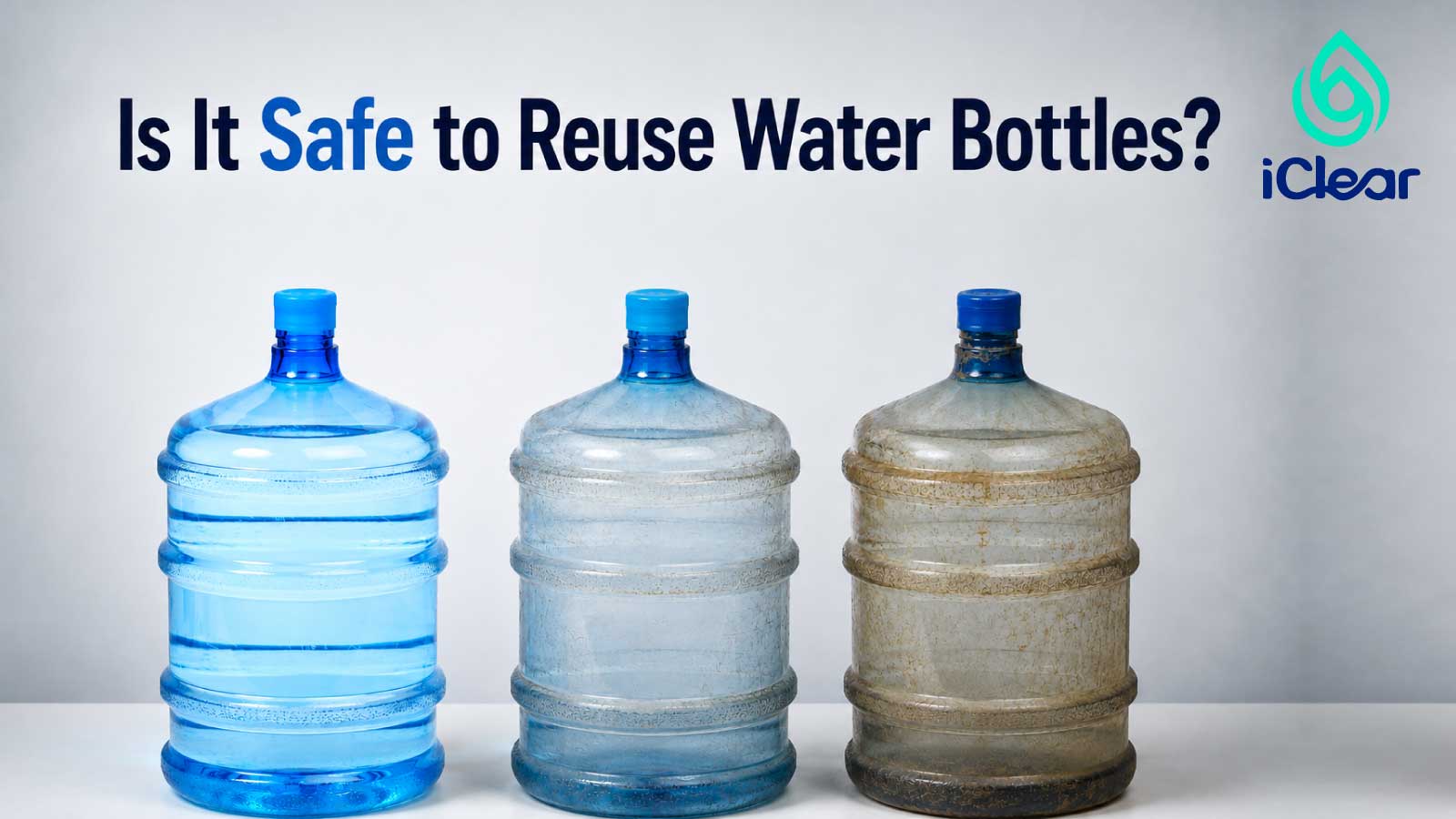
Reusing water bottles is safe only with proper cleaning. Bacteria multiply quickly in bottles reused without washing, and single-use plastic bottles degrade with repeated reuse and heat, which is why regular sanitising or a purified source matters.
A water bottle is a warm, moist, enclosed space that your mouth touches many times a day. That is close to ideal for bacteria. Research examining used drinking bottles has found substantial bacterial growth in bottles that were reused without regular, thorough washing, with the mouthpiece and cap among the most affected areas. The bacteria come from your mouth, your hands, and the environment, and they multiply between refills.
This does not mean reusing a bottle is dangerous by nature. It means an unwashed reused bottle is very different from a clean one, and the difference is invisible.
The second issue is the bottle itself. Single-use plastic bottles were designed to be used once. With repeated reuse, washing, refilling, and exposure to heat, the plastic degrades physically: it develops fine scratches and wear that are harder to clean and give bacteria more places to lodge. Reusable bottles made for the purpose hold up far better, but even they age and eventually need replacing.
The rule of thumb worth remembering: single-use bottles are for single use, and reusable bottles are only as safe as their last proper wash. Neither is a set-and-forget solution.
A purpose-built reusable bottle, made from durable materials and cleaned regularly, is a genuinely good choice. A thin single-use bottle refilled for a week is not the same thing, even though both hold water and both look fine. The materials, the durability, and the cleanability are what separate them, not the fact that both can technically be refilled.
There is a question underneath all of this that matters more than the bottle: is the water you are refilling with actually clean? A perfectly washed bottle filled with water that carries dissolved contaminants still gives you contaminated water. Purifying at the point of use solves the input side of the problem. The portable iClear Desktop gives you genuinely purified water to fill from, and the iClear Standard does the same for the whole household.
A clean bottle filled with unclean water is still unclean water. The bottle is only half the question; the water you put in it is the other half.
Q: Is it safe to reuse plastic water bottles?
A: Only with proper cleaning, and single-use bottles are not designed for long-term reuse. Bacteria build up quickly in unwashed bottles, and single-use plastic degrades with repeated use and heat. Purpose-made reusable bottles, cleaned daily, are the safer choice.
Q: How often should I wash a reusable water bottle?
A: Daily, with warm soapy water, reaching the base and cap, plus a deeper sanitising every few days. Let it dry fully between uses, and replace it if it becomes scratched, cloudy, or holds a smell.
Q: Do old water bottles become unsafe?
A: Ageing plastic develops scratches and wear that harbour bacteria and are harder to clean, so old and degraded bottles are harder to keep safe. Replace bottles that are scratched, cracked, cloudy, or smelly.
Fill from genuinely purified water.
Free delivery and professional installation in Nairobi and Nakuru. Visit the iClear shop.
Keywords: is it safe to reuse water bottles, reusable water bottle bacteria, bottle reuse, water bottle ageing, refill water bottle safe, iClear Kenya

Water Purification & Treatment Specialists
David Ochieng, a water purification specialist at iClear Wellife Services Ltd, has extensive experience delivering safe and reliable water treatment solutions for homes and offices across Kenya.