Mazingira Day 2026: What It Means for the Water Kenyans Drink
10, Oct 2026
The term Reverse Osmosis sounds technical. The technology behind it is genuinely sophisticated. But the basic idea is simple enough that any family considering an RO system can understand exactly what they are buying and why it works.
Reverse Osmosis, or RO, is a water purification process that forces water through an extremely fine membrane. The membrane has pores so small that water molecules can pass through, but almost everything else cannot. That includes fluoride, heavy metals, salts, bacteria, viruses, and the dissolved contaminants that boiling and standard filters fail to remove.
The basic process, in plain terms
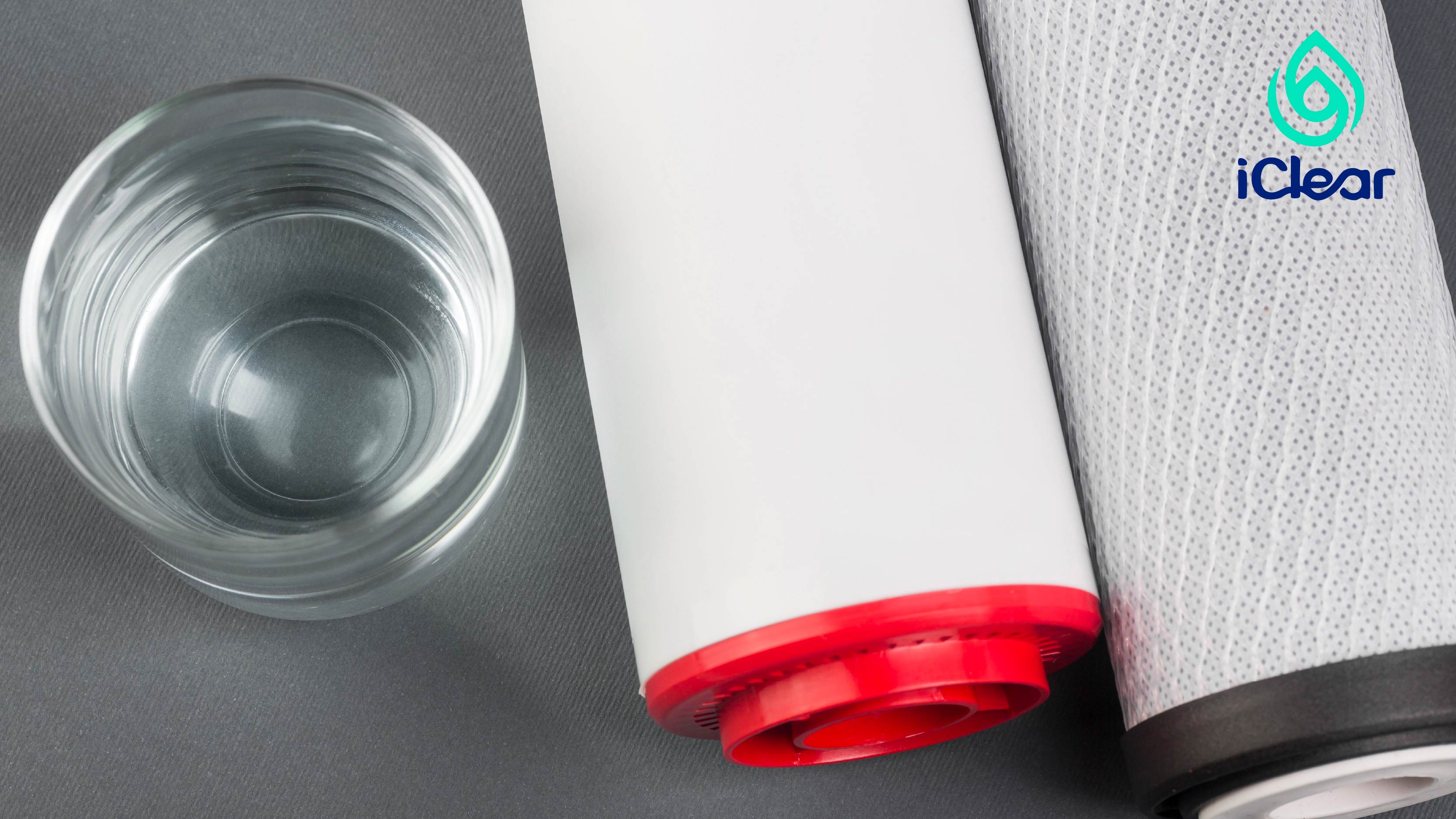
A typical RO system in a Kenyan home runs water through several stages. First, a sediment filter catches visible debris like sand and rust. Second, an activated carbon filter removes chlorine and improves taste. Third, the water hits the RO membrane itself, which is where the real purification happens. Fourth, a post-filter polishes the water before it reaches your glass.
Each stage handles something different. Together, they produce water that is genuinely clean: no fluoride, no heavy metals, no salts, no harmful microorganisms. The water that comes out is pure enough that it tastes noticeably different. Many first-time RO users describe it as the way water is supposed to taste.
Why it matters for Kenyan water specifically
Kenyan water carries a specific set of challenges. The fluoride in Rift Valley groundwater. The heavy metals from ageing Nairobi pipes. The salinity from Nairobi's eastern boreholes. The unpredictability of municipal supply quality.
Most purification technologies handle one or two of these. RO handles all of them in a single process. That is why it has become the default for Kenyan households that want a permanent solution rather than a partial one.
What RO does not do
Worth being honest about the limits. RO produces some wastewater during the purification process. Older systems wasted a lot. Modern RO systems used by serious manufacturers have improved efficiency significantly, but there is still some waste. This is the trade-off for producing genuinely clean water.
RO systems also need maintenance. Filters need replacing on a regular schedule. The membrane lasts longer but eventually needs servicing. A good supplier handles all of this with you as part of the package, so the homeowner does not have to think about it.
How Kenyan households are using it
RO is now the most widely installed certified household purification technology in Kenya. As featured in a recent Daily Nation article, more than 12,000 Kenyan homes, offices, schools, and clinics have already installed RO-based systems through iClear alone. The shift reflects a broader change in how Kenyan families think about water: not as something you boil and hope for the best, but as something you treat properly with the right technology.
Choosing the right system for your home
Three things matter when choosing an RO system. First, certification. KEBS certification confirms the system has been tested and meets Kenyan safety standards. Avoid uncertified units, no matter how cheap. Second, capacity. A small household needs a different size from a larger family or an office. Third, service. The system itself is only as good as the after-sales support behind it. Filters need changing. Membranes need attention. Pick a supplier who will be there for the long run.
|
CALL TO ACTION Curious whether RO is right for your home? iClear's team will walk you through your options based on your water source and household size. WhatsApp to book a free consultation. |

Water Purification & Treatment Specialists
David Ochieng, a water purification specialist at iClear Wellife Services Ltd, has extensive experience delivering safe and reliable water treatment solutions for homes and offices across Kenya.