Why Is My RO Purifier Producing Less Water Than It Used To?
22, Oct 2026
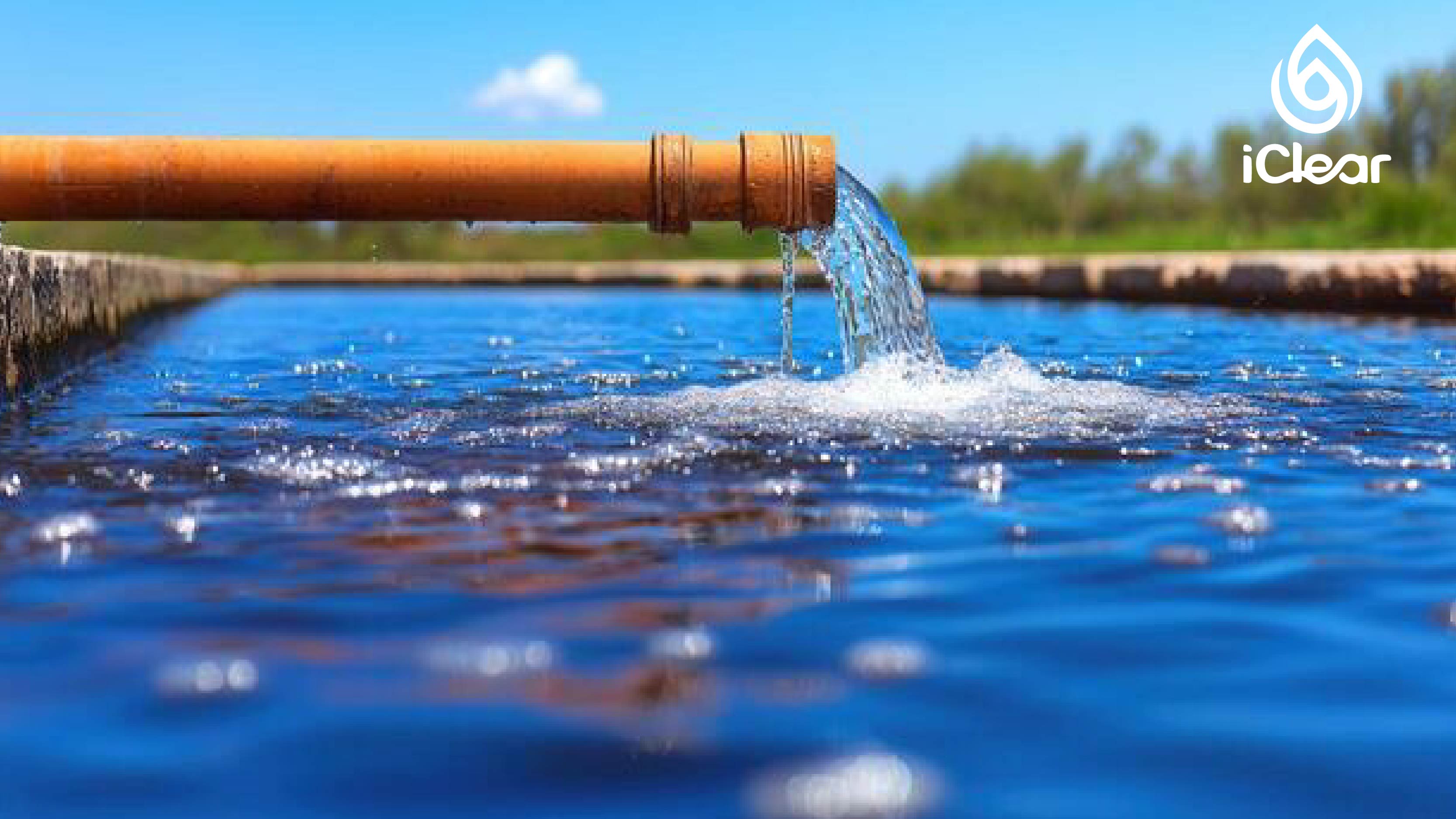
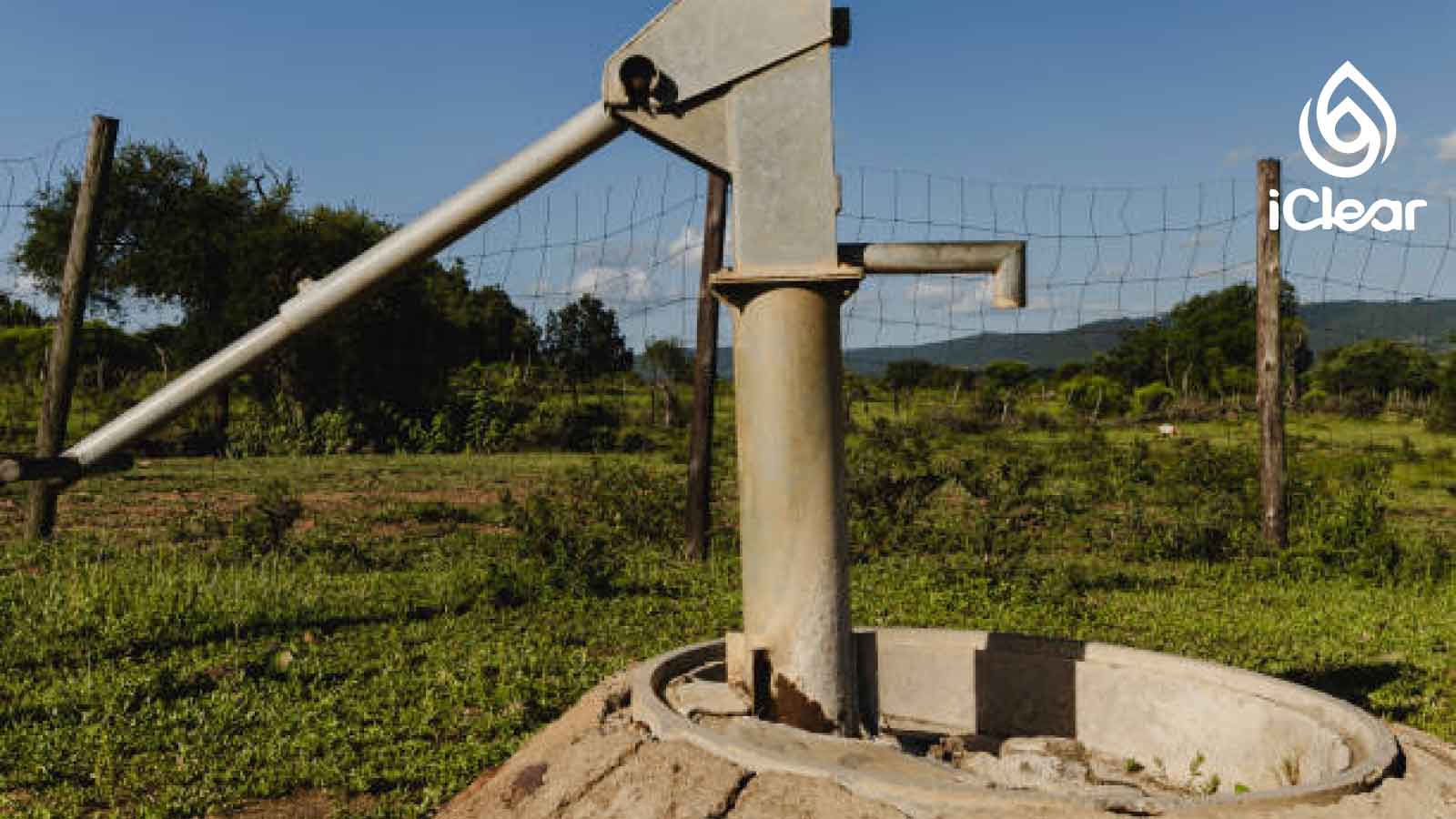
Across Nairobi, more households are relying on boreholes than ever before. In areas like Kahawa, Ruai, Embakasi, parts of Kiambu, Kitengela, and Athi River, boreholes are not a backup. They are the main source of household water. Municipal supply is unreliable, expensive, or simply unavailable, so the borehole has become the default.
The problem is that not all borehole water is the same. Many Nairobi boreholes pull water with high dissolved mineral content, especially salts. This is what gives the water its slightly salty taste, its tendency to leave white stains on dishes and surfaces, and its short-term destruction of kettles, washing machines, and water heaters.
What causes salty borehole water
Salinity in borehole water comes from the geology underneath Nairobi. As rainwater filters down through soil and rock over years, it dissolves naturally occurring minerals. In Nairobi's eastern suburbs and the surrounding satellite towns, the rock formations are particularly mineral-rich, which is why boreholes in these areas often produce water with elevated total dissolved solids (TDS).
High TDS is the technical measure of how much dissolved material is in the water. Drinking water is generally considered safe up to about 500 to 600 milligrams per litre of TDS. Many Nairobi boreholes test at well over 1,000, and some exceed 2,000. That is the threshold where water moves from inconveniently mineral-heavy to genuinely unhealthy.
The real cost of salty water
The financial damage adds up fast. A kettle ruined every six months costs three to five thousand shillings each time. A washing machine that fails two years early costs tens of thousands. Water heaters in particular suffer badly, with mineral scale building up on heating elements and forcing replacements long before the appliance should have failed.
Then there is the health side. Sodium-heavy water is bad news for anyone managing blood pressure. High mineral content over years strains the kidneys. And the taste alone often pushes families to buy bottled water for drinking, which means paying twice: once for the borehole water, again for the bottled water you actually consume.
What can actually fix it
Standard filtration will not address salinity. Boiling makes it worse, not better. Water softeners that use ion exchange can reduce some hardness but do not remove the underlying salt content meaningfully.
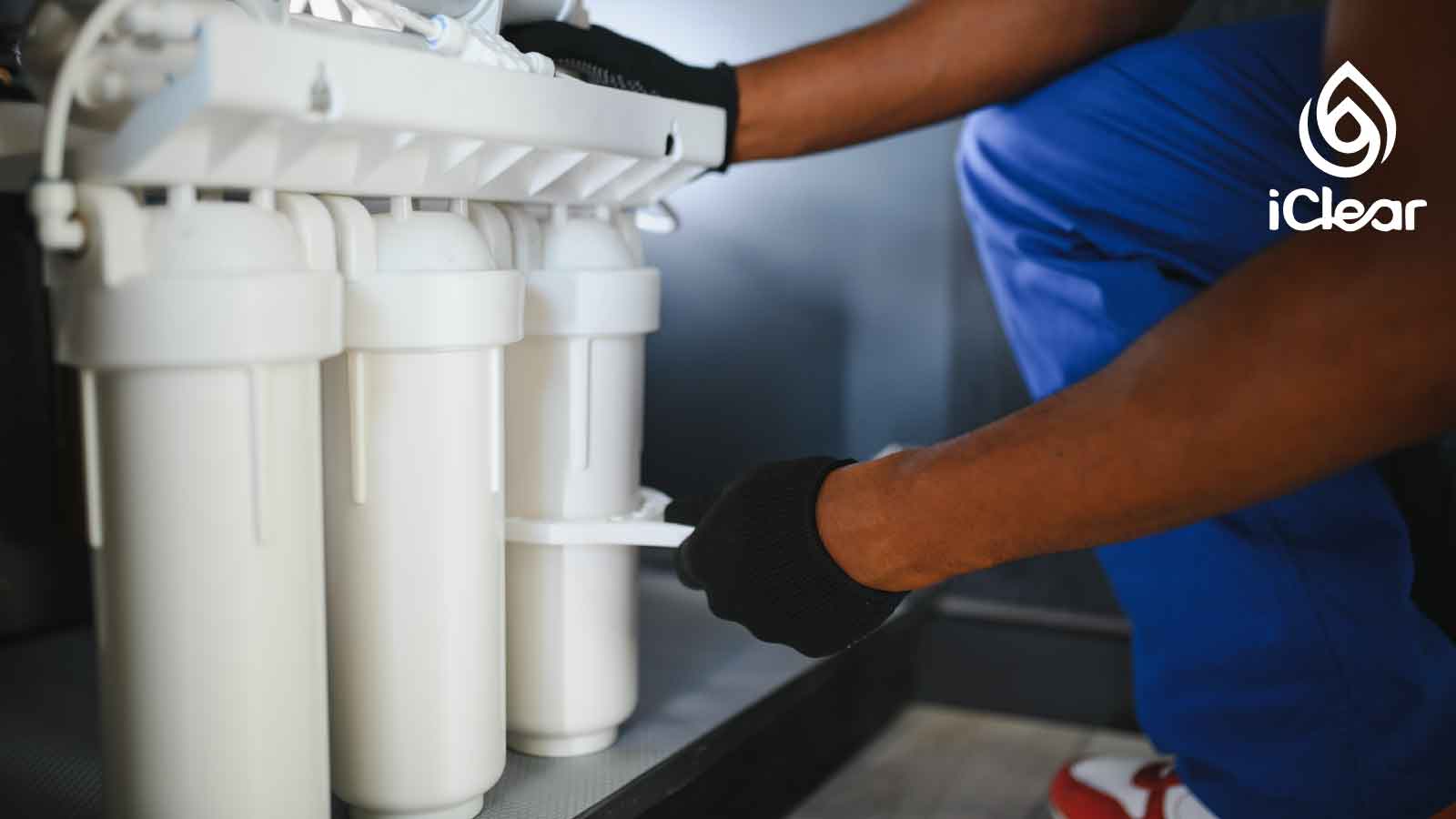
Reverse Osmosis is the only household technology that removes dissolved salts effectively. As the Daily Nation recently highlighted, more Nairobi households dealing with borehole water are turning to RO systems that strip out salts, fluoride, heavy metals, and other dissolved contaminants in one process. The investment pays for itself within a couple of years just from saved appliance replacements, never mind the health benefits.
Before you call the technician
Two simple checks tell you whether your borehole is salt-heavy. First, taste. Pure water has no taste. If yours has any saltiness, even faintly, you have a problem. Second, look at your appliances. Persistent white scale, glass surfaces that never quite come clean, and kettles that fail within months all point to high TDS.
Get a TDS test. It costs almost nothing, takes seconds, and gives you a concrete number to work with. From there, you can make an informed decision about the right purification approach for your home.
|
CALL TO ACTION Live in Kahawa, Ruai, Embakasi, Kitengela, or anywhere with a borehole? iClear runs free water tests across Nairobi. WhatsApp the iClear team and book a visit this week. |

Water Purification & Treatment Specialists
David Ochieng, a water purification specialist at iClear Wellife Services Ltd, has extensive experience delivering safe and reliable water treatment solutions for homes and offices across Kenya.