Why Is My RO Purifier Producing Less Water Than It Used To?
22, Oct 2026
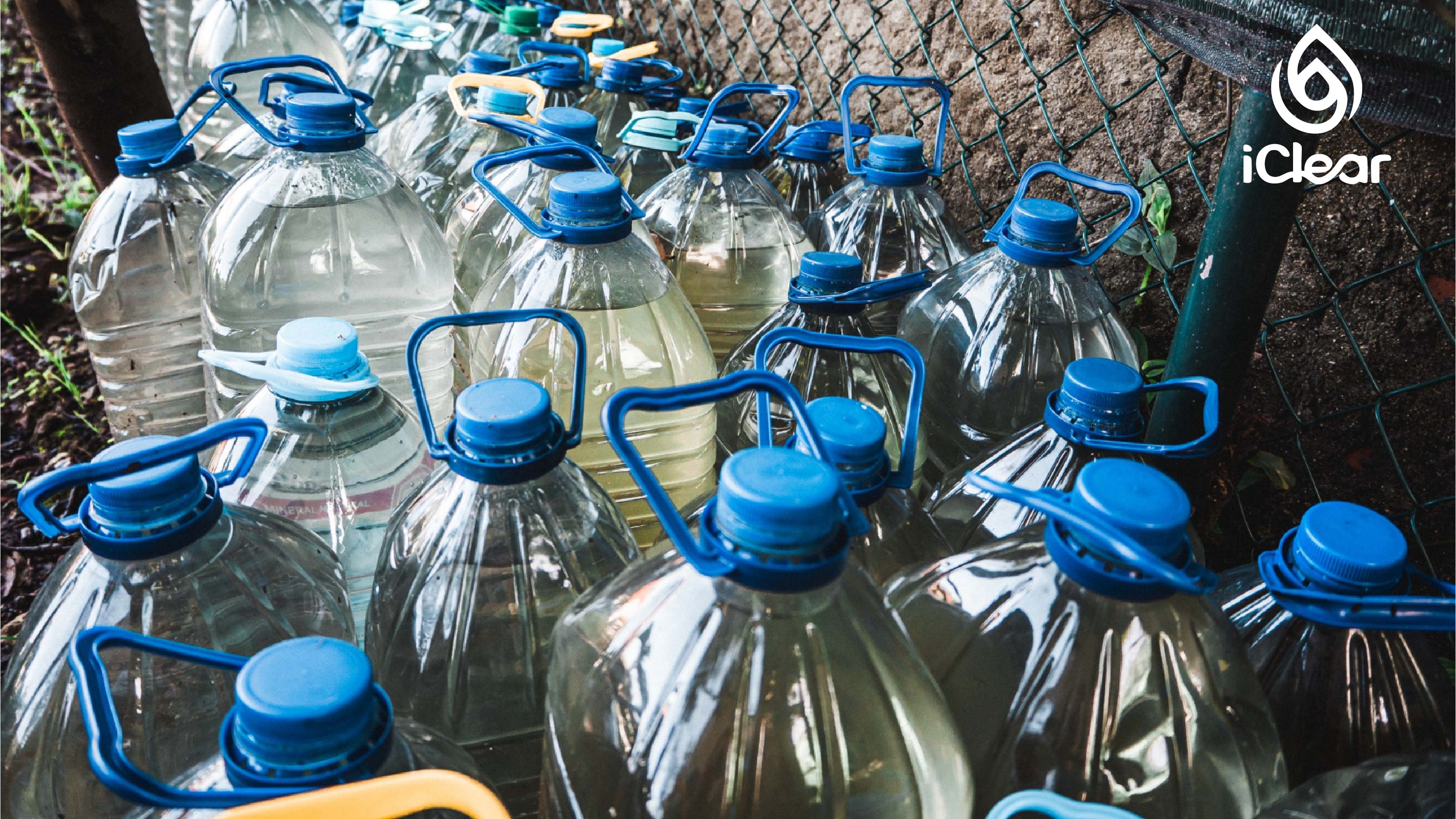
Bottled water has become a routine household expense for many Nairobi families. It feels manageable. A few hundred shillings here, a case there. The water is sealed, the brand is familiar, and it gets the family through the week. Until you actually add it up.
The real annual cost
Take a typical Nairobi family of four. Conservative estimate: two 20-litre dispensers per week, refilled at around 250 to 350 shillings each depending on the brand. Add in occasional smaller bottles for trips, lunch boxes, and visitors. Most families end up spending between 600 and 1,200 shillings per week on water.
Annualise that. The low end is roughly 31,000 shillings a year. The high end is closer to 62,000. The average Nairobi family on bottled water is spending somewhere between 35,000 and 50,000 shillings every year just to drink water that should have been clean from the tap in the first place.
Over five years, that is between 175,000 and 250,000 shillings. For a temporary solution.
The other costs nobody adds up
Beyond the cash, bottled water carries hidden costs. The time spent ordering, picking up, and storing it. The plastic waste, which Kenya banned at scale years ago and is still trying to clean up. The reliance on suppliers whose quality can vary. The inconvenience of running out at the wrong moment and scrambling for backup.
There is also the false security. Many families assume bottled water means safe water. The reality is that the quality of bottled water depends entirely on the source and the producer. KEBS-certified brands are reliable. Unregulated refill stations less so. Yet the same family is often mixing both without realising it.
What an alternative actually costs
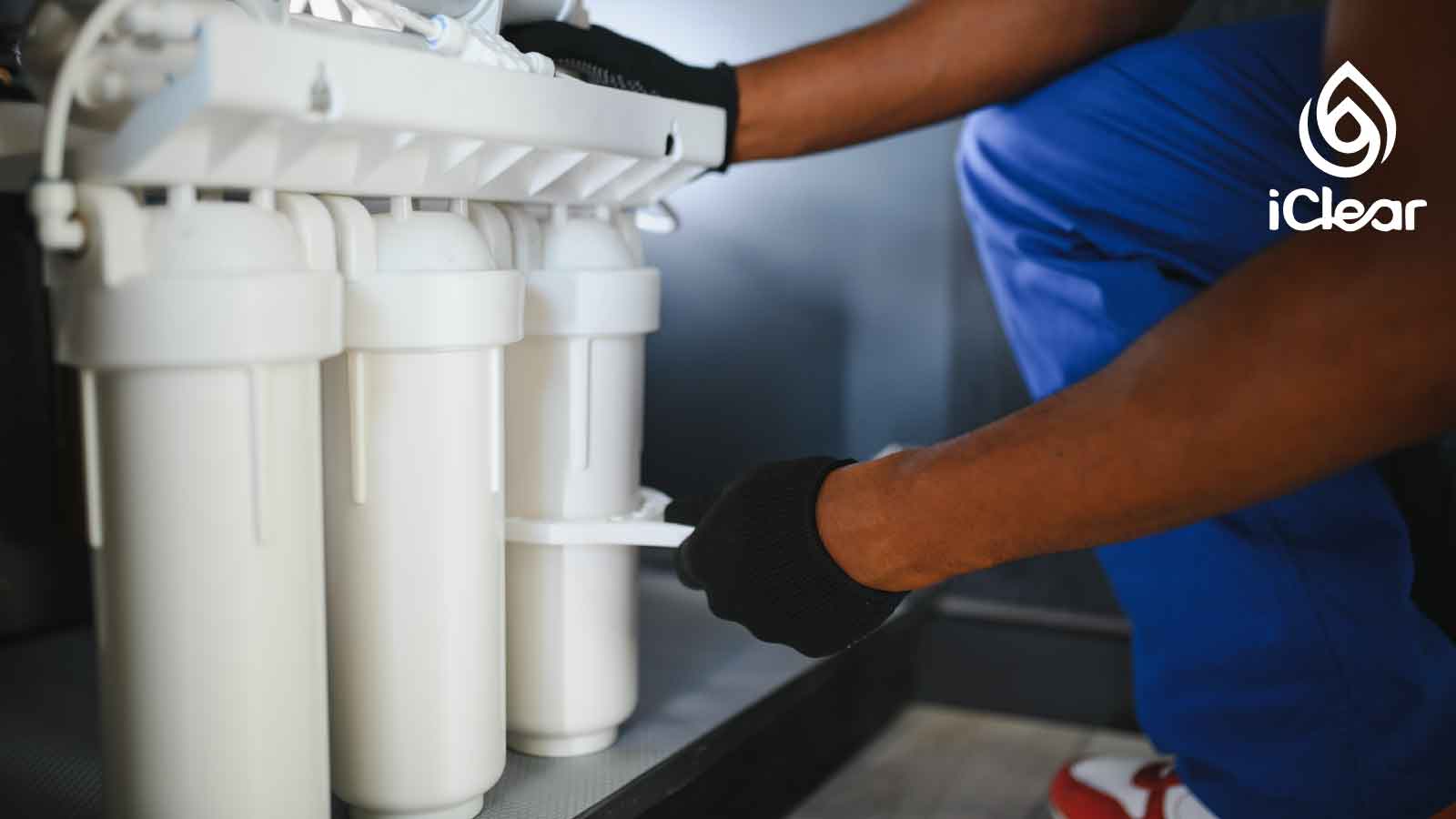
A KEBS-certified Reverse Osmosis system installed in your home is a one-time purchase. Prices range from around 25,000 shillings for the smaller home unit up to 49,000 for a larger system suitable for bigger households. Add periodic filter changes, which run a few thousand shillings a year.
Compare that to 35,000 to 50,000 a year on bottled water, every year, indefinitely. The RO system pays for itself within twelve to eighteen months. Everything after that is pure savings, plus the benefit of cleaner water than most bottled brands actually deliver.
Why the shift is happening now
Kenyan families have done the math, and the conclusion is becoming hard to ignore. As the Daily Nation recently reported, more households are walking away from bottled water and refill dispensers in favour of permanent household purification systems. The decision is partly about cost. It is also about not wanting to depend on someone else's quality control for something as basic as drinking water.
How to decide for your family
Run the numbers. Track your bottled water spending for one month. Multiply by twelve. Compare against the upfront cost of a certified RO system plus filter changes. If your bottled water spend is over 25,000 shillings a year, the math will almost certainly favour the switch.
If you are not sure where to start, request a home consultation from a certified provider. They will assess your water source, recommend the right system size for your household, and give you a transparent breakdown of total cost over five years.
|
CALL TO ACTION Calculate what your family actually spends on bottled water each year. Then WhatsApp the iClear team and find out what a permanent solution would cost. |

Water Purification & Treatment Specialists
David Ochieng, a water purification specialist at iClear Wellife Services Ltd, has extensive experience delivering safe and reliable water treatment solutions for homes and offices across Kenya.