Why Is My RO Purifier Producing Less Water Than It Used To?
22, Oct 2026

Recent floods in Kenya have caused damage to roads, homes, and farms, but one of the less visible impacts is on drinking water safety. Heavy rainfall creates large amounts of surface runoff. As water flows across the ground, it collects contaminants from soil, farms, waste systems, and roads before entering rivers, groundwater, and borehole water sources.
This means water that normally appears clean can become contaminated after flooding. The World Health Organization notes that flooding events often increase the risk of microbial and chemical contamination in drinking water systems (WHO Drinking Water Guidelines: https://www.who.int/publications/i/item/9789241549950).
For households and businesses, understanding this risk is important for maintaining safe drinking water.
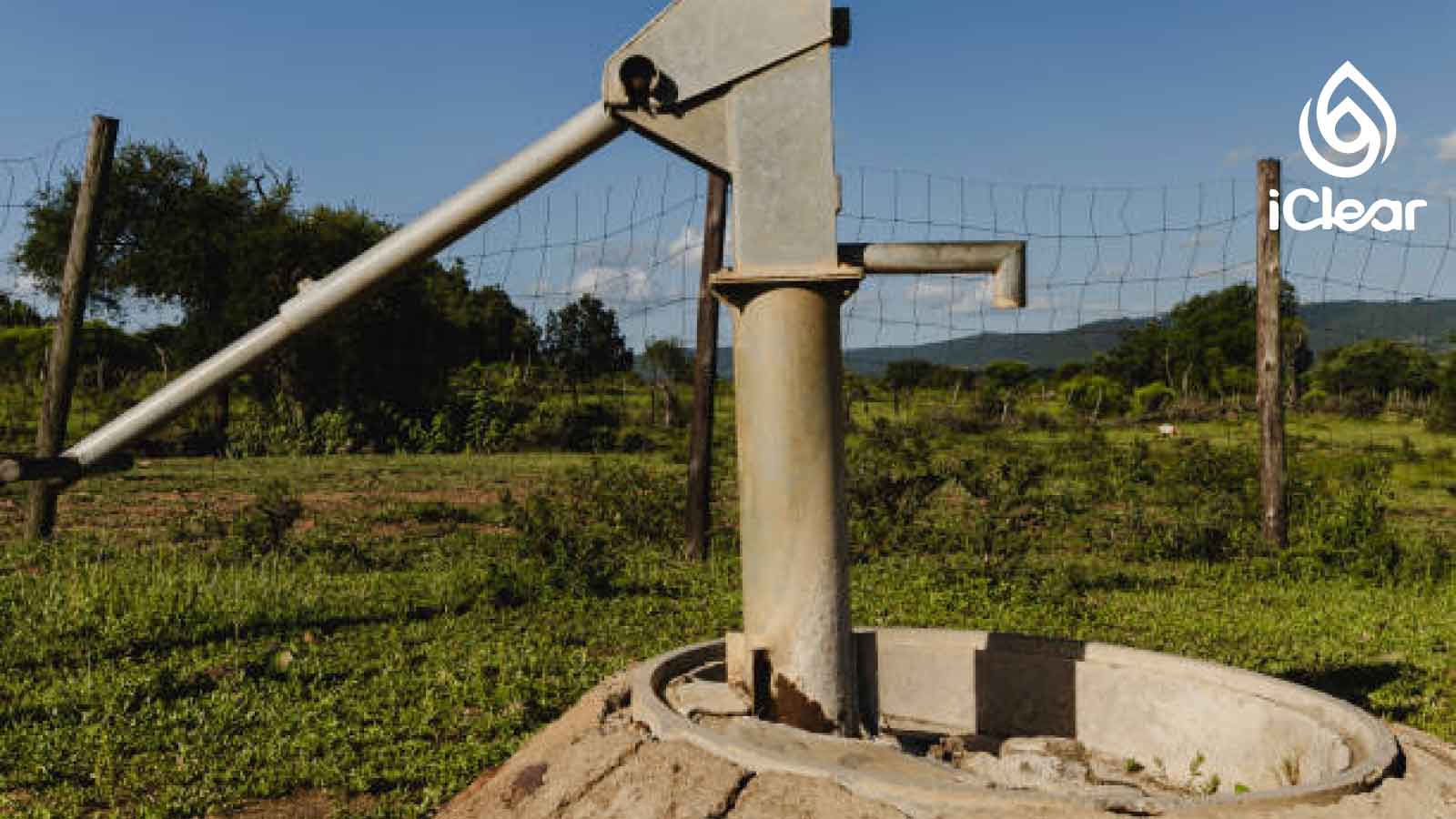
Borehole water is widely used in Kenya, particularly in residential estates and apartments. While boreholes are generally reliable, flooding can introduce contamination if the system is not well protected.
Floodwater may enter poorly sealed borehole heads or seep through surrounding soil, carrying bacteria, nitrates, and other contaminants into groundwater. Areas with nearby septic systems or agricultural activity may face a higher risk because floodwater can spread waste into the soil.
Because of this, testing borehole water after major rainfall or flooding is recommended.
Contaminants such as nitrates can sometimes appear in groundwater after runoff events. High nitrate levels can be dangerous for infants, which is explained in our guide on Nitrates in Borehole Water: A Silent Danger for Babies.
Flood related contamination is not always visible, but some signs may indicate that water quality has changed.
Look for:
• Cloudy or muddy water
• Sediment settling in containers
• Unusual smell or taste
• Increased stomach illness in a household or workplace
However, some contaminants such as heavy metals cannot be detected without testing. Older plumbing systems may also introduce metals into water supplies, which is discussed in Is Lead in Kenyan Water a Hidden Risk? What Families Should Know.
Flood runoff can introduce several contaminants into drinking water.
|
Contaminant |
Typical Source |
Potential Risk |
|
Bacteria |
Sewage or animal waste |
Stomach illness |
|
Nitrates |
Agricultural runoff |
Infant health risks |
|
Heavy metals |
Soil erosion or industrial areas |
Long term health effects |
|
Sediment |
Soil runoff |
Reduced filtration effectiveness |
Different purification methods remove different types of contamination.
|
Treatment Method |
Removes Bacteria |
Removes Dissolved Chemicals |
|
Boiling |
Yes |
No |
|
UV treatment |
Yes |
No |
|
Basic filters |
Partial |
No |
|
Reverse osmosis |
Yes |
Yes |
Boiling can kill bacteria but does not remove dissolved contaminants such as nitrates or heavy metals.
Households can reduce risks by taking a few simple precautions:
• Allow tap water to run briefly after supply interruptions
• Inspect storage tanks to ensure they are sealed and clean
• Avoid drinking visibly muddy water
• Test borehole water if flooding occurred nearby
For rental properties, landlords should also ensure that water systems are properly maintained. This is discussed further in Are Landlords Responsible for Safe Drinking Water in Kenya.
Final Thoughts
Floods in Kenya can affect drinking water by allowing runoff to carry contaminants into rivers, groundwater, and borehole systems.
While many contamination risks are temporary, awareness and testing are important after heavy rainfall. Monitoring water quality and taking preventive steps can help households and businesses maintain safe drinking water during flood events.
Frequently Asked Questions
Yes. Floodwater can carry bacteria, nitrates, and other pollutants into the soil surrounding a borehole. If the groundwater becomes contaminated, these pollutants may enter the borehole water supply.
Borehole water is usually safe when systems are properly maintained, but testing after major floods or heavy rainfall is recommended to confirm water quality.
Boiling water can kill bacteria but does not remove dissolved chemicals such as nitrates or heavy metals.
Yes. Testing helps ensure that tenants are not exposed to contaminated water and supports responsible property management.

Water Purification & Treatment Specialists
David Ochieng, a water purification specialist at iClear Wellife Services Ltd, has extensive experience delivering safe and reliable water treatment solutions for homes and offices across Kenya.