Why Is My RO Purifier Producing Less Water Than It Used To?
22, Oct 2026
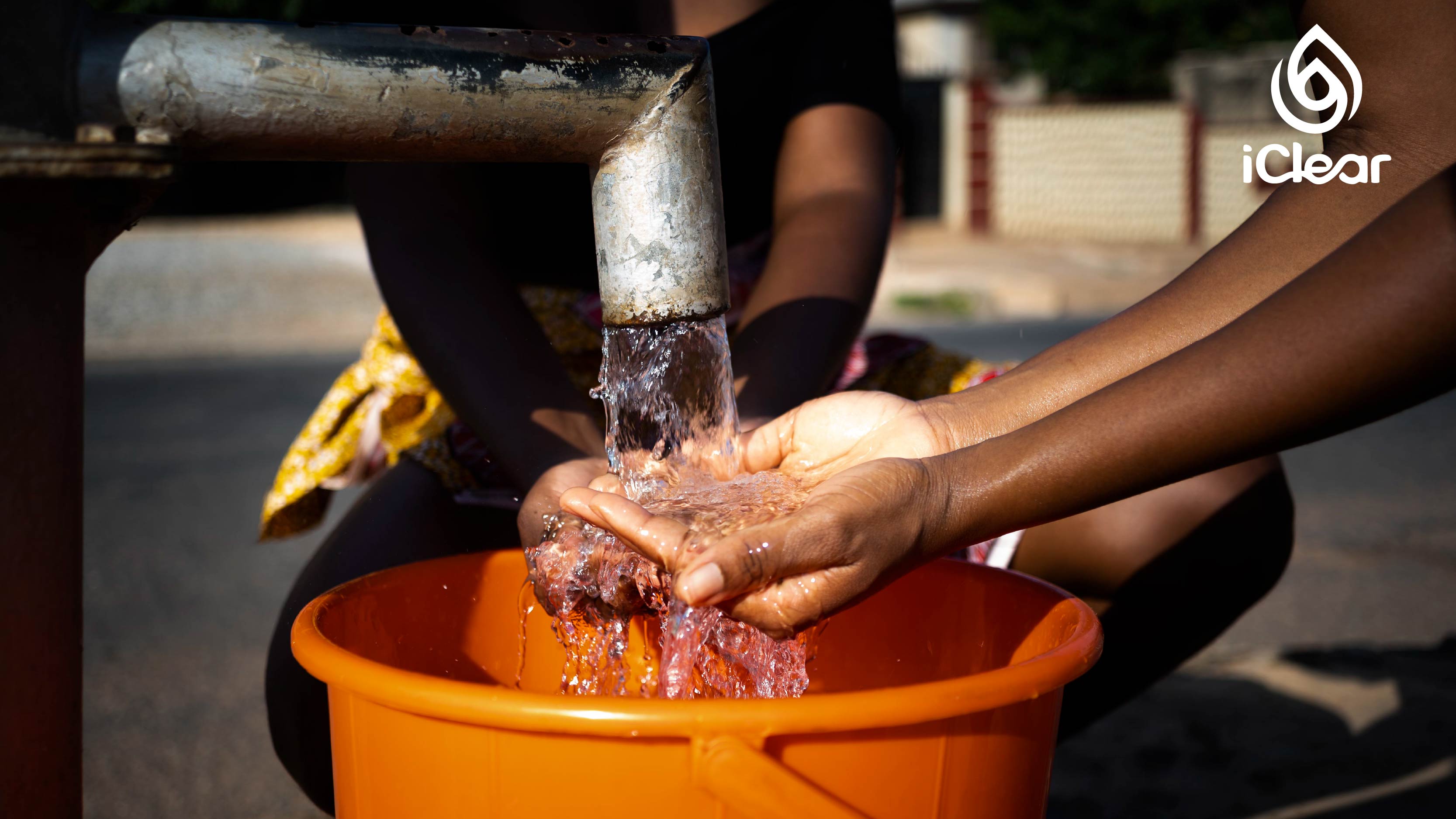
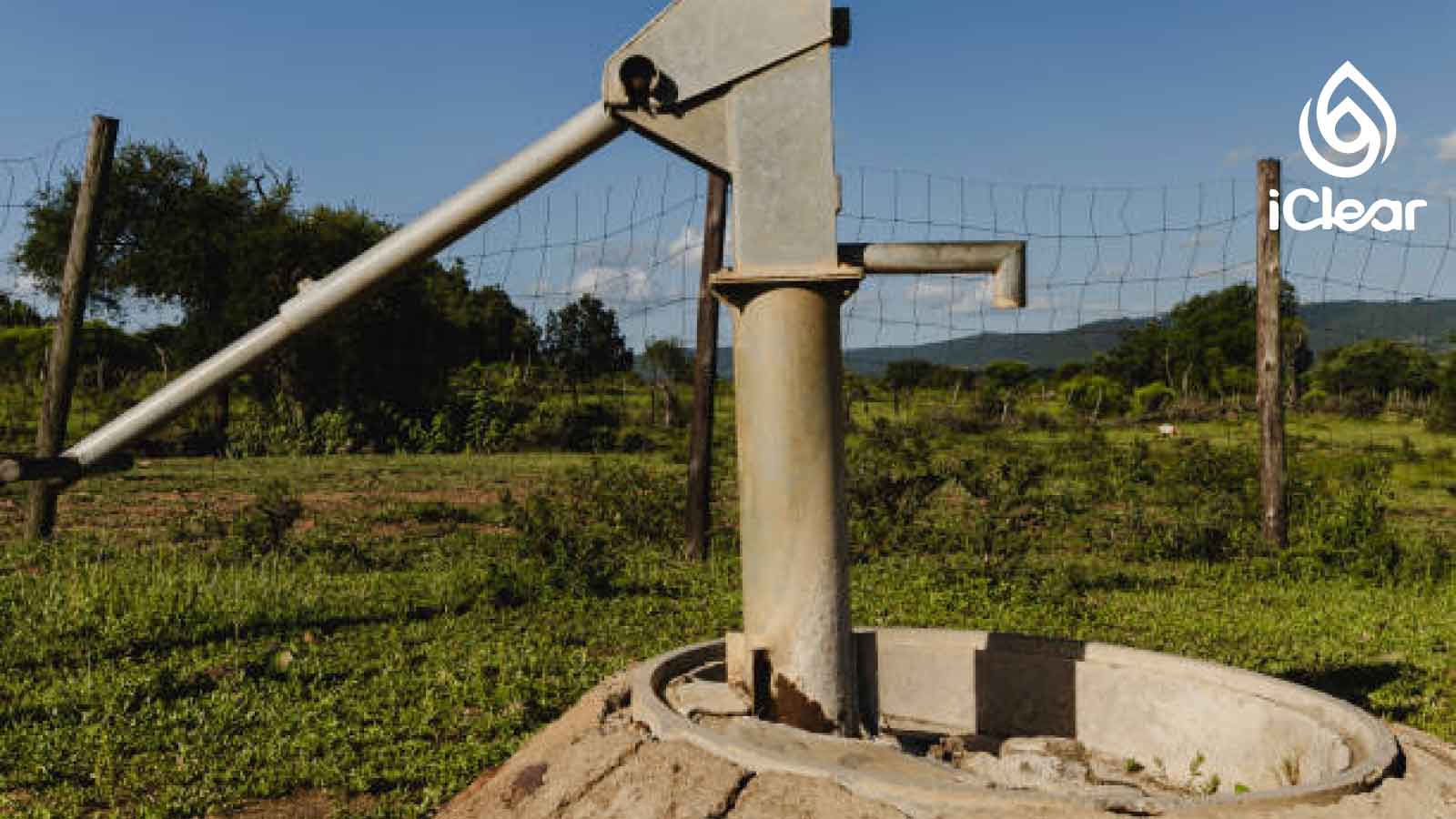
Across Kenya, borehole water is treated as a reliable, even premium, alternative to municipal supply. And in some respects, that reputation is deserved. Boreholes are often cleaner than surface water and free from municipal treatment chemicals. But clean is not the same as safe. Here is what borehole water can hide, and how iClear eliminates the risk.
When a borehole is drilled, families often assume that because the water comes from deep underground, it must be pure. This assumption is understandable but dangerous. Underground aquifers absorb whatever is in the surrounding geology. In Kenya, that often includes naturally occurring fluoride, arsenic, and dissolved minerals that no amount of settling, boiling, or basic filtering can remove.
The health consequences of long-term exposure to these contaminants are serious and largely irreversible. Dental and skeletal fluorosis, kidney damage from heavy metals, and neurological effects from elevated manganese do not appear overnight. They accumulate silently over years, which is exactly what makes them so dangerous.
The communities in Kenya with the highest rates of dental fluorosis are predominantly those relying on untreated borehole water. Children who grow up drinking fluoride-contaminated water suffer permanent tooth and bone damage that no treatment can fully reverse.
1. Fluoride that destroys teeth and bones
Kenya's Rift Valley and central highlands sit on volcanic rock that is naturally rich in fluoride. The WHO safe limit for fluoride in drinking water is 1.5mg per litre. Many Kenyan borehole sources exceed this significantly. Chronic exposure causes fluorosis, presenting as brown and pitted teeth in children and progressive bone pain and deformity in adults.

Effects of fluoride on teeth.
Image Courtesy: https://www.news24.com/citypress
2. Nitrates that threaten infants
Agricultural activity, pit latrines, and poorly managed waste sites leach nitrates into groundwater over time. Infants fed with water containing high nitrate levels are at risk of methemoglobinemia, commonly called blue baby syndrome, a potentially fatal condition that prevents blood from carrying adequate oxygen.
3. Arsenic with no safe threshold
Arsenic occurs naturally in some Kenyan geological formations and finds its way into borehole water without any visual sign. The WHO classifies arsenic as a Group 1 carcinogen. There is no safe level of long-term arsenic consumption. It is linked to cancers of the skin, bladder, and lung, as well as cardiovascular and neurological damage.

Skin lesions are one obvious sign of arsenic poisoning.
Image Courtesy: https://news.climate.columbia.edu/2015/07/13/battling-the-largest-mass-poisoning-in-history/
4. Bacteria from unseen sources
Even deep boreholes can become contaminated with coliform bacteria if the casing is cracked, if the borehole head is improperly sealed, or if there are nearby sources of waste. Families who have been drinking from the same borehole for years with no obvious problems can still be consuming low-level bacterial contamination that accumulates in the body over time.
5. Heavy metals that damage organs
Lead, manganese, and iron are common in Kenyan groundwater. Lead has no safe exposure level and causes irreversible neurological damage, particularly in children under five. Manganese at elevated levels is associated with cognitive impairment. These metals are entirely undetectable by taste or smell.
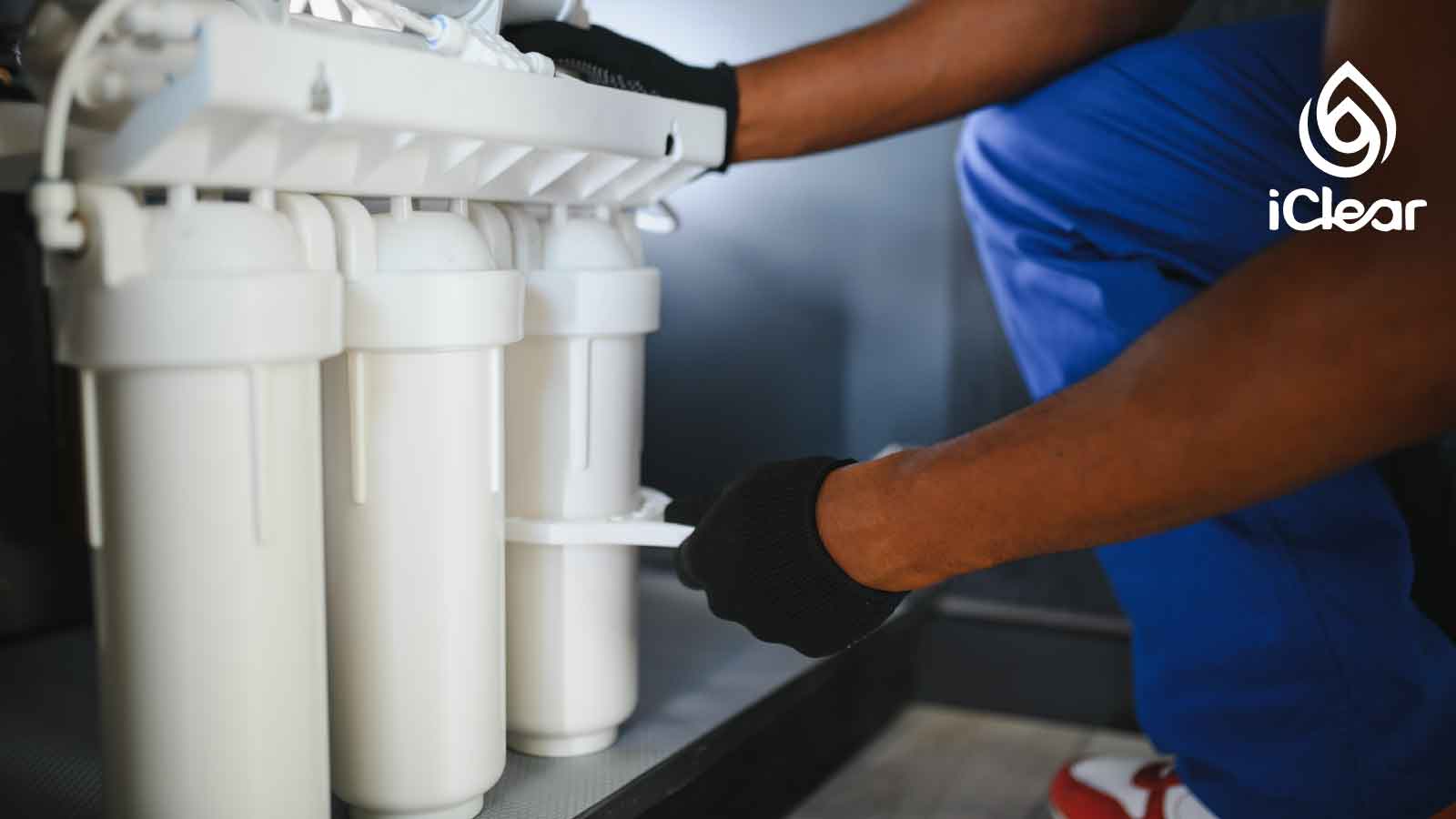
The iClear water purification machine for home use employs multi-stage Reverse Osmosis technology to remove all five categories of borehole water contamination in a single system. The RO membrane operates at the molecular level, blocking fluoride, nitrates, arsenic, heavy metals, and bacteria before they reach your glass.
Unlike boiling, which leaves dissolved chemical contaminants behind, and unlike basic carbon or ceramic filters, which cannot penetrate molecular-level contamination, iClear's domestic water purifier delivers genuinely safe water regardless of what the borehole source contains.
Every iClear Kenya system is KEBS-certified, ensuring it has been independently verified to meet national water safety standards. And every purchase comes with free delivery and professional installation in Nairobi, its environs, and Nakuru, carried out by trained technicians who understand Kenya's specific water challenges.
Protecting your family from borehole water contamination is not about worrying more. It is about doing one thing correctly: installing a water purification system that removes what you cannot see, taste, or smell. iClear makes that simple.
Do not wait for the health effects to appear.
Contact iClear Kenya today and find the right home water purifier for your borehole source. Free delivery and professional installation in Nairobi and Nakuru.
Tags: domestic water purifiers Kenya, water purification machine for home use, iClear Kenya, water filter Kenya, borehole water Kenya, iClear water purifier, Reverse Osmosis, water purification machine

Water Purification & Treatment Specialists
David Ochieng, a water purification specialist at iClear Wellife Services Ltd, has extensive experience delivering safe and reliable water treatment solutions for homes and offices across Kenya.