Water Purifier Dispensers in Kenya: One Machine That Does Both
25, Jul 2026

Water is life but only if it is clean. Across Kenya, many households rely on rooftop storage tanks and rainwater collection systems to ensure consistent water supply. Yet, behind that convenience lies a quiet risk most homeowners never consider, what happens inside those tanks and roof systems between the rains and the taps.
While you may be confident about the quality of your municipal or borehole source, contamination often happens after the water enters your storage system.
Where the Real Contamination Begins
In Kenya, most households depend on rooftop tanks, plastic reservoirs, or underground storage units. These are convenient, but over time, they become silent breeding grounds for bacteria, rust, and algae, especially when cleaning is irregular.
Even when your municipal or borehole water is relatively clean, it can pick up harmful contaminants as it travels through aging pipes, roof gutters, and storage tanks.
Roof systems also collect more than rainwater. Dust, bird droppings, decomposed leaves, and airborne pollutants settle on rooftops daily. When it rains, all that washes directly into your tank, contaminating every litre stored inside.
Common Contaminants You Don’t See
These invisible pollutants mean even “clear” water may not be safe to drink, unless it’s properly filtered and purified.
See how Reverse Osmosis filters compare to other methods in our post: Why RO filters are the best for Kenyan homes
Why Routine Tank Cleaning Isn’t Enough
Regular tank cleaning helps, but it doesn’t solve contamination introduced every time it rains or water flows in from untreated sources. Manual cleaning also misses microbial biofilms that cling to tank walls and regrow within days.
That’s where water purification steps in, not as a luxury, but as a second layer of protection. At iClear, we recommend pairing well-maintained storage systems with Reverse Osmosis (RO) purification to eliminate the last traces of impurities before consumption.
Discover how Reverse Osmosis purifiers restore nature’s original purity in our article: The Water You Drink Is Billions of Years Old, Here’s Why It Needs Purifying
Smart Prevention Tips for Kenyan Homes
From Roof to Glass, Closing the Safety Gap
A well-maintained tank keeps your water supply steady, but only a reliable purifier guarantees its safety. That’s why iClear designs purifiers that handle diverse Kenyan sources, from boreholes and taps to rooftop rainwater ensuring every drop meets the highest purity standard.
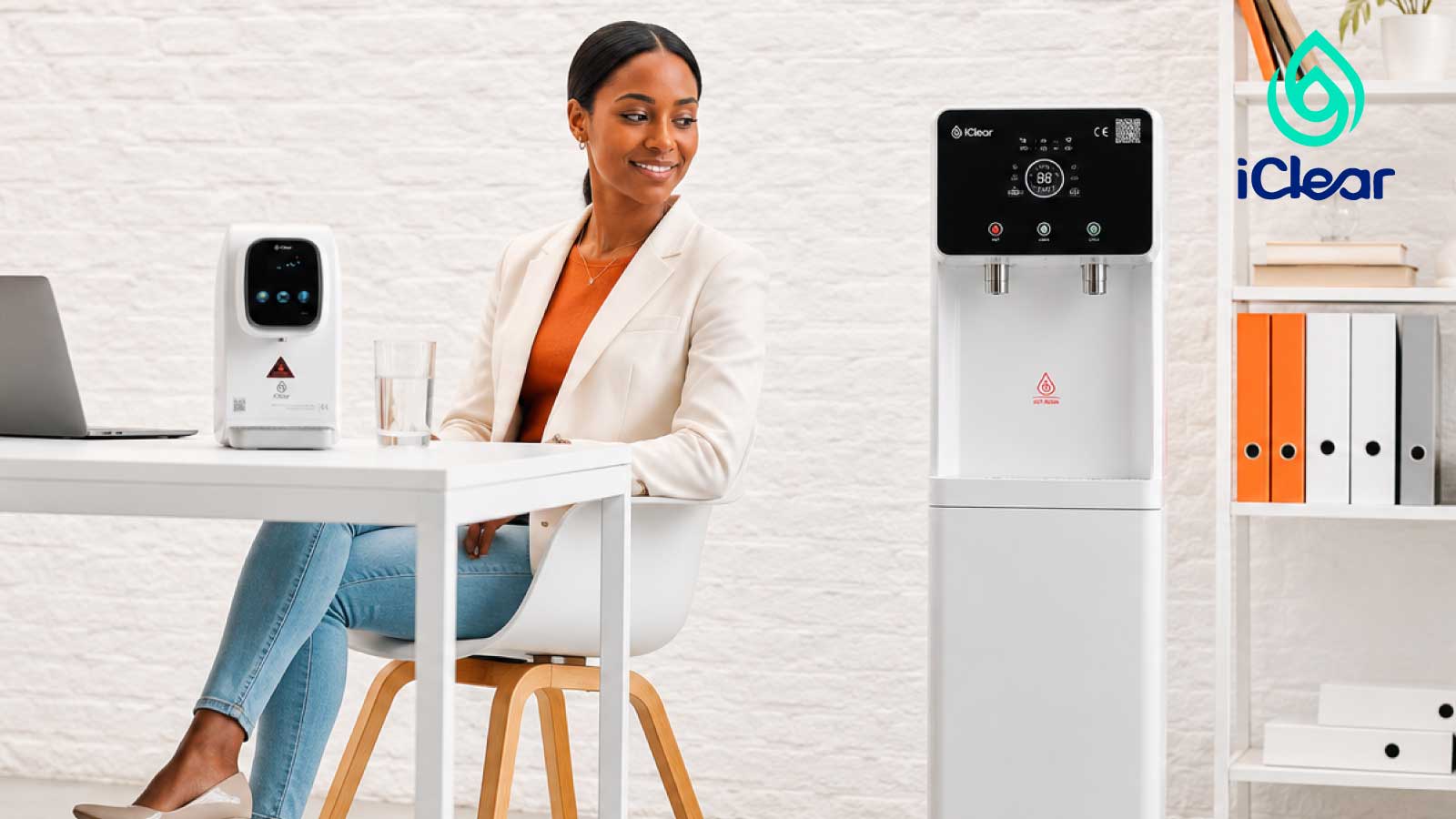
Whether your home uses the iClear Standard or iClear Premier, you get multi-stage protection that removes bacteria, heavy metals, and chemical residues before they reach your glass.
Explore our full range of purifiers and protect your family from hidden water threats, because clean water doesn’t start at the tap, it starts with iClear.

Water Purification & Treatment Specialists
David Ochieng, a water purification specialist at iClear Wellife Services Ltd, has extensive experience delivering safe and reliable water treatment solutions for homes and offices across Kenya.