What Is Actually in Your Tap Water? A Look at Kenya's Water Quality Challenges in 2026
17, Jun 2026
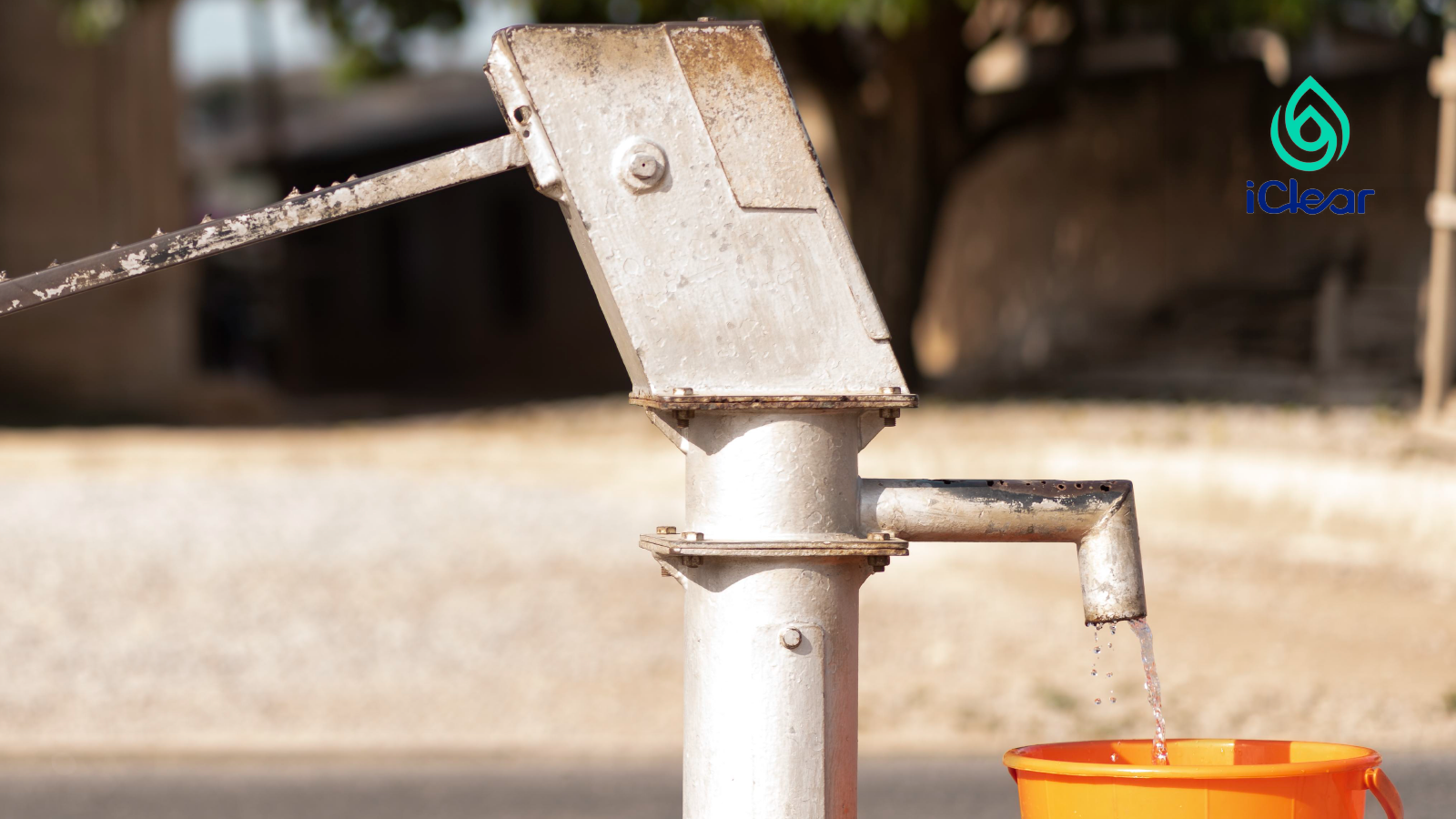
For many Kenyan homes, borehole water is the primary source of drinking and cooking water. Yet in many regions, this water contains extremely high fluoride levels, high salinity, or both. These issues are especially common in Rift Valley counties, parts of Nairobi, Machakos, and coastal regions. High fluoride can lead to fluorosis, while salty water affects taste, corrodes plumbing, and damages appliances.
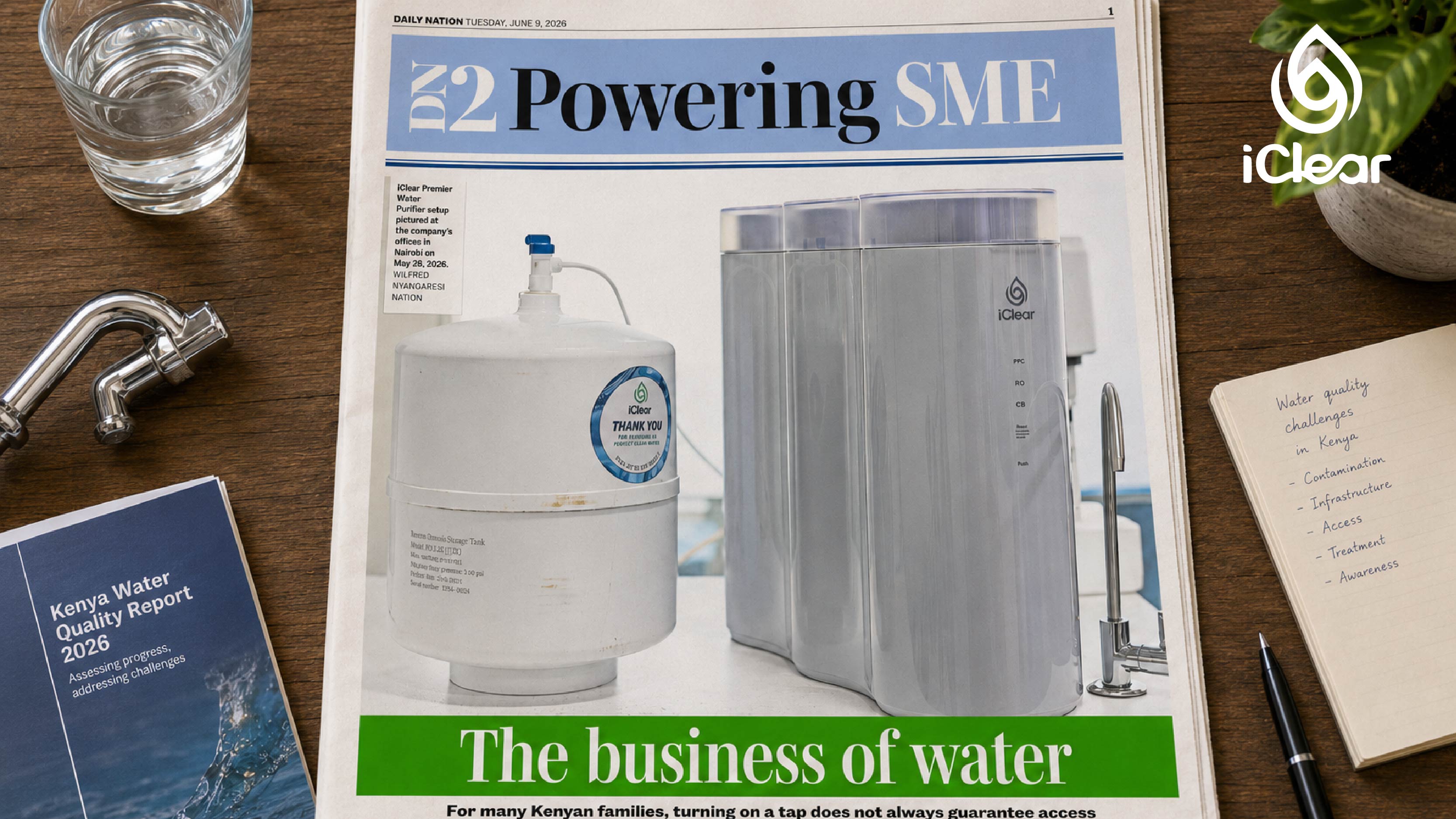
Reverse osmosis technology offers the most reliable household solution for removing fluoride, salts, and dissolved solids. In this guide we explore how RO tackles these problems, what defluoridation and desalination actually mean, and how iClear systems are designed for Kenyan conditions.
Borehole water often contains dissolved minerals that are invisible but harmful. Two of the most common issues are:
Fluoride occurs naturally in underground rocks. Depending on the region, fluoride levels can rise far above the safe limit of 1.5 mg/L. Some areas record 10 to even 20 mg/L. Long term consumption may lead to dental or skeletal fluorosis.
For more background on fluoride in Kenya, see the iClear article: What Is the Water Quality Like in Kenya?
In coastal and semi arid regions, borehole water contains excessive salts. High TDS makes water taste bitter, metallic, or salty. It also affects cooking and washing.
Reverse osmosis works by pushing water through a semi permeable membrane that blocks over 99% of contaminants.
The RO membrane removes fluoride ions, producing safe water even when raw water fluoride is extremely high. Many RO systems include a pre filter to ensure membrane longevity when fluoride is excessive.
Salts, minerals, metals, and dissolved solids are too large to pass through the membrane. RO therefore reduces TDS and produces softer, better tasting water.
Methods like chlorine, boiling, or carbon filters cannot remove fluoride or salts. RO remains the only proven household solution.
An iClear borehole ready unit typically includes:
• Sediment filtration
• Carbon pre filtration
• Reverse osmosis membrane
• Optional fluoride removal cartridges
• Optional mineral balancing
• Storage tank and pressure components
This configuration ensures that even challenging borehole water becomes safe for long term use.
Free installation is available in Nairobi, surrounding suburbs, and Nakuru. Technicians perform:
• Water source assessment
• Plumbing inspection
• System placement
• Full connection and flushing
• Demonstration and user training
To keep fluoride and salts under control, customers should:
• Replace pre filters every 3 to 6 months
• Replace RO membranes every 2 to 3 years depending on water quality
• Monitor TDS
• Schedule service when taste changes
In areas with extremely high fluoride or salinity, additional cartridges may be required yearly.
RO is particularly essential for:
• Homes using borehole water
• Households with children at risk of fluorosis
• Areas with salty or bitter tasting water
• Homes seeking high quality drinking and cooking water
Q: Can boiling remove fluoride or salt?
A: No. Boiling increases concentration because water evaporates.
Q: Will the water taste different after RO treatment?
A: Yes, it becomes much softer, smoother, and neutral.
Q: How long does installation take?
A: Between one and two hours depending on plumbing.
Defluoridation and desalination through reverse osmosis offer the most reliable long term solution for households relying on borehole water. With proper installation and maintenance you can expect safe, pure, great tasting water for your family.

Water Purification & Treatment Specialists
David Ochieng, a water purification specialist at iClear Wellife Services Ltd, has extensive experience delivering safe and reliable water treatment solutions for homes and offices across Kenya.