Why Is My RO Purifier Producing Less Water Than It Used To?
22, Oct 2026
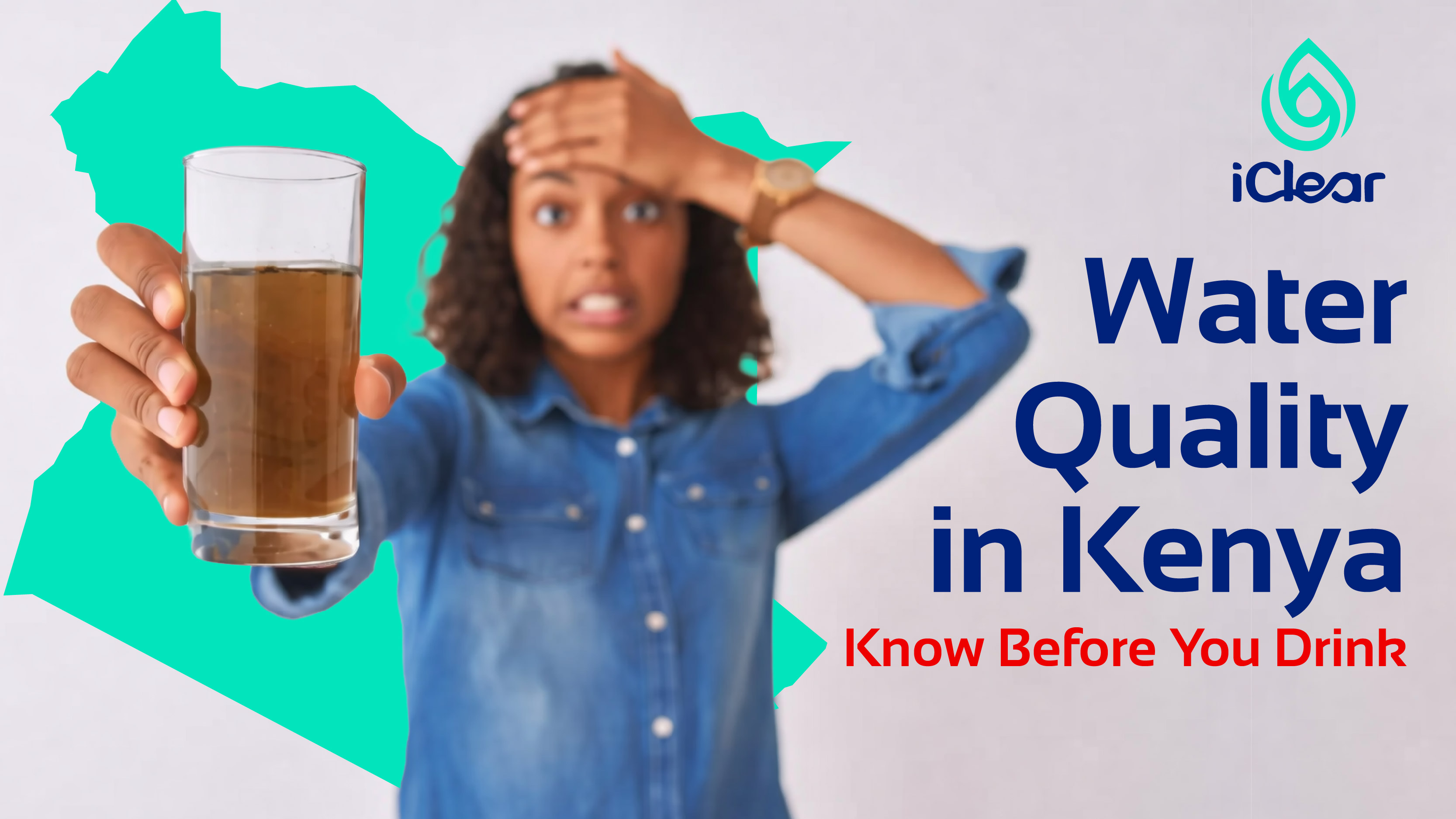
Millions of Kenyans drink water every day without knowing what is in it. Whether you rely on tap water, borehole water, or a shared community source, the quality of your drinking water matters more than you think.
Kenya faces serious water quality challenges. According to public health data, a significant portion of waterborne disease cases in the country, including typhoid, cholera, and dysentery, are directly linked to contaminated drinking water. Urban areas are not exempt. Even treated municipal water can pick up bacteria, heavy metals, and chemical residues as it travels through ageing pipes before reaching your tap.
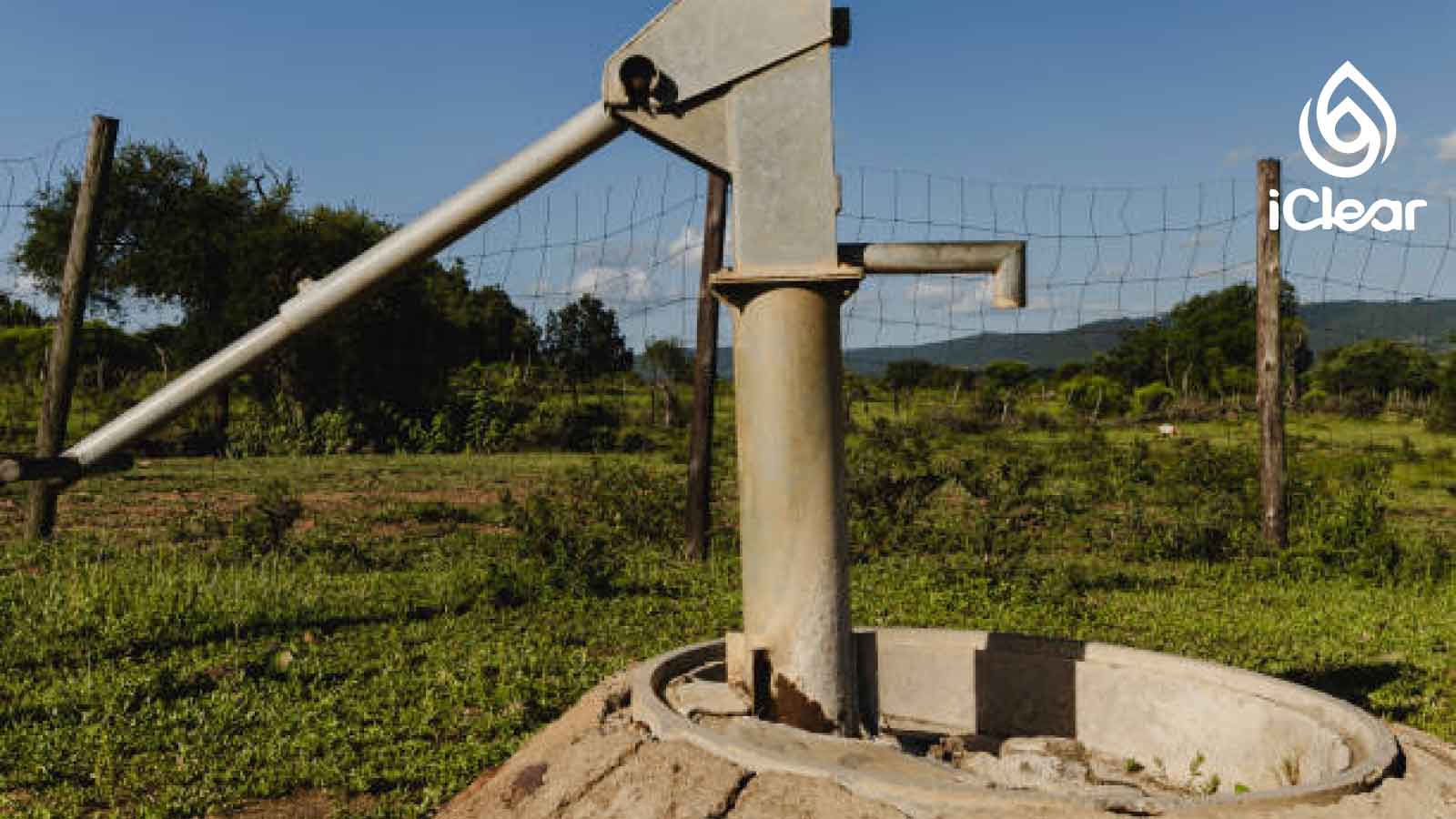
In rural areas, the risks are even higher. Many communities depend on boreholes, rivers, and rainwater harvesting systems that receive little to no treatment. The result is a silent health crisis that affects children, adults, and the elderly alike.
Clean-looking water is not always safe water. Many of the most dangerous contaminants are completely invisible to the naked eye. Here is what could be lurking in your water supply:
The only way to truly know what is in your water is to test it or invest in a certified water purification system that removes contaminants at the point of use.
For years, many Kenyan households relied on boiling water as the primary method of making it safe. While boiling does kill bacteria and viruses, it does not remove heavy metals, chemical contaminants, or sediment. It also consumes time, energy, and fuel, costs that add up significantly over time.
A modern water purification machine goes far beyond boiling. Systems like those offered by iClear Kenya use advanced Reverse Osmosis technology to filter out up to 99% of contaminants, delivering water that is not just safe, but genuinely pure.
iClear Wellife Service Limited is a Kenya-based water purification company that has made it its mission to bring clean, safe drinking water to homes and businesses across Africa. Their water purifiers are KEBS-certified, meaning they meet the Kenya Bureau of Standards' rigorous quality benchmarks.
What sets iClear apart is not just technology. It is the complete service experience. Every iClear purchase comes with free delivery and professional installation in Nairobi, its environs, and Nakuru. No other water purifier brand in Kenya currently offers this. It matters more than most buyers realise.
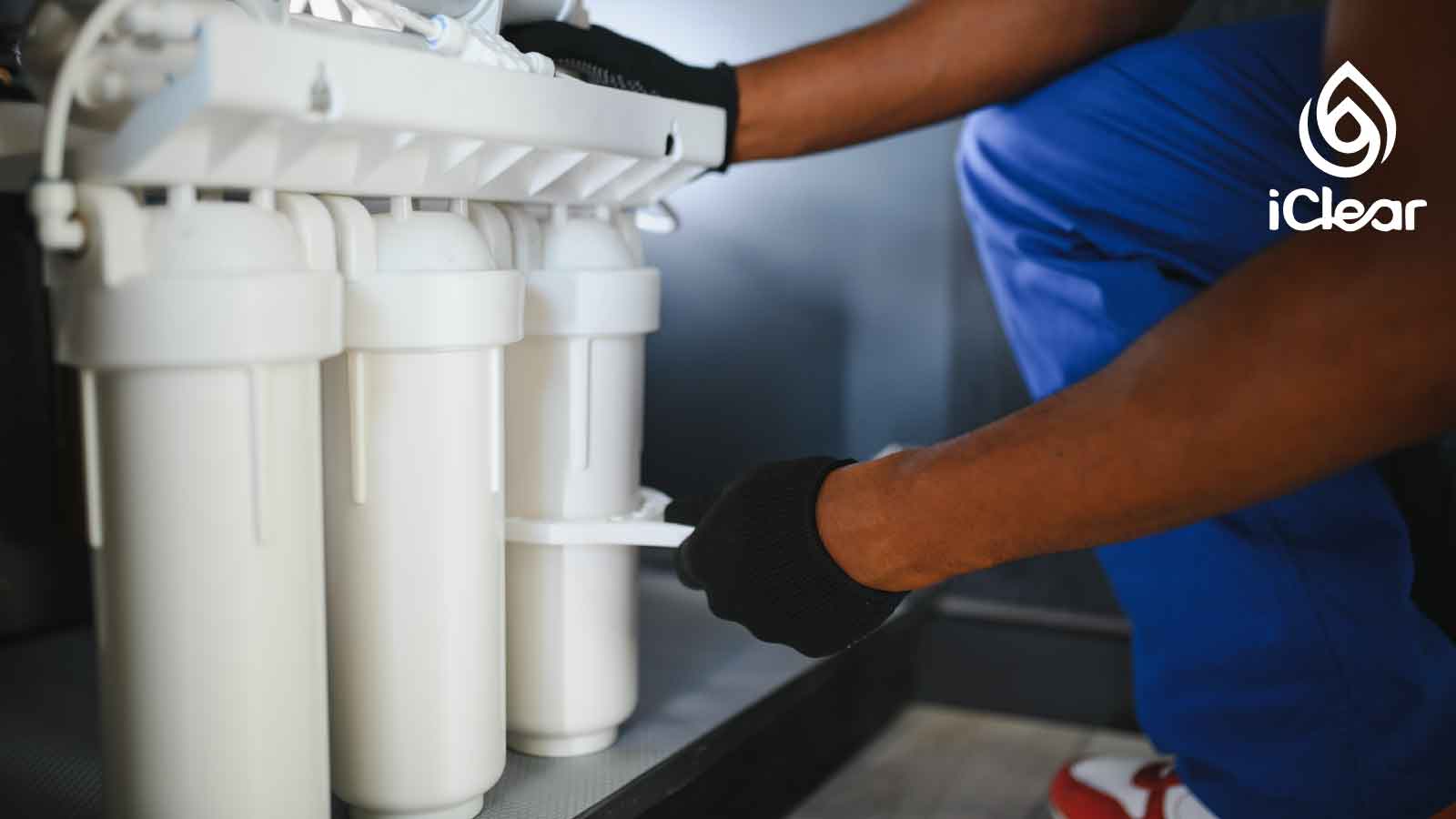
Many homeowners who hire a local plumber to install a water purification system risk damaging their entire water supply setup. iClear's trained technicians ensure your system is installed correctly, safely, and built to last, at no extra cost to you.
You do not have to wait for a water-related illness to take action. Here are three steps you can take today:
Ready to make the switch to truly clean water?
iClear Kenya offers KEBS-certified water purification systems with free delivery country wide and install it for free in Nairobi and Nakuru. Contact us today to find the right solution for you.
Tags: water quality Kenya, water purifier Kenya, iClear Kenya, iClear Wellife Service Limited, water filtration system, water purification machine, Reverse Osmosis, water filter Kenya

Water Purification & Treatment Specialists
David Ochieng, a water purification specialist at iClear Wellife Services Ltd, has extensive experience delivering safe and reliable water treatment solutions for homes and offices across Kenya.