Why Is My RO Purifier Producing Less Water Than It Used To?
22, Oct 2026
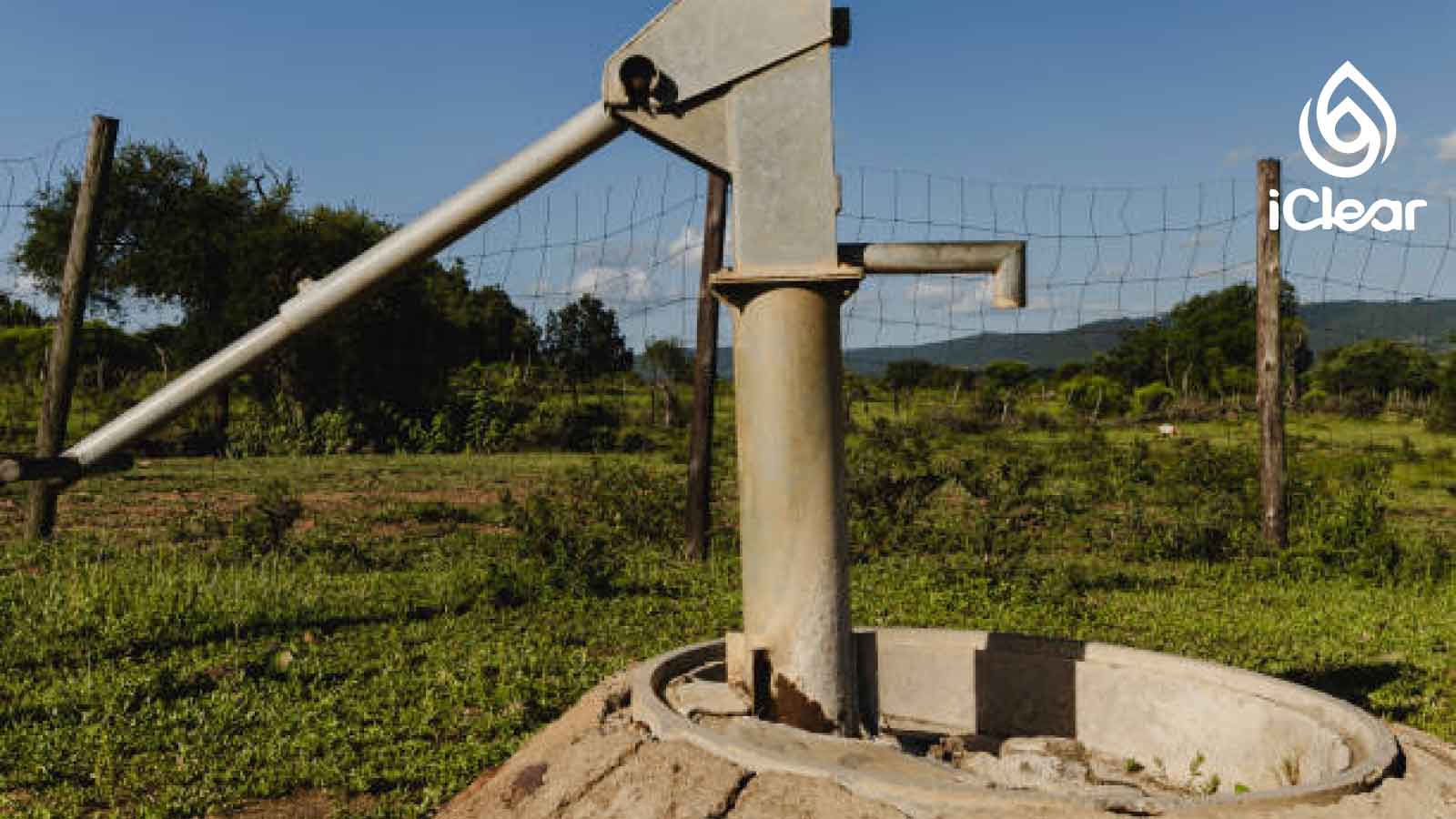
Borehole water it’s one of the most common drinking water sources in Kenya, relied upon by millions of households in both rural and urban areas. It feels clean. It looks clear. And many Kenyans have been drinking it for years without obvious ill effects. But the real question is not whether it tastes fine. It is whether it is actually safe.
The most dangerous contaminants in borehole water are invisible. They have no colour, no smell, and no taste. This is what makes borehole water particularly deceptive: it can look and taste perfectly fine while carrying contaminants that cause serious harm over time.
Unlike surface water, which shows visible signs of contamination, borehole water draws from underground aquifers. These aquifers absorb minerals, chemicals, and in some cases biological contaminants from the surrounding geology and soil, a process that takes place out of sight, deep underground, long before the water ever reaches your tap.
Borehole water in Kenya has been found to contain elevated levels of fluoride, nitrates, iron, arsenic, coliform bacteria, and in coastal regions, high salinity. Many of these contaminants are odourless and tasteless. You will not know they are there until the health effects appear.
Fluoride
The Rift Valley and large parts of central Kenya sit on geological formations naturally high in fluoride. Long-term consumption of fluoride above safe levels causes dental fluorosis, visible as brown staining and pitting on teeth, and in more severe cases, skeletal fluorosis, a painful and debilitating bone condition. Children are particularly vulnerable.
Nitrates
Nitrate contamination in borehole water typically comes from agricultural runoff, pit latrines, and septic systems. High nitrate levels are especially dangerous for infants, causing a condition known as blue baby syndrome, where the blood's ability to carry oxygen is severely reduced. In adults, long-term exposure is linked to increased cancer risk.
Iron and manganese
Elevated iron levels are extremely common in Kenyan borehole water. While not immediately dangerous in small quantities, high iron content stains plumbing and laundry, damages appliances, and can cause liver damage with sustained long-term consumption. Manganese at elevated levels is linked to neurological effects, particularly in young children.
Bacteria and pathogens
Borehole water is not automatically sterile. Coliform bacteria, including E. coli, can infiltrate aquifers through poorly constructed boreholes, cracked casings, or proximity to latrines and waste sites. These bacteria cause gastroenteritis, diarrhoea, and in severe cases, life-threatening illness.
Salinity and total dissolved solids
In parts of Kenya, particularly coastal and semi-arid regions, borehole water can carry extremely high levels of dissolved salts and minerals. Long-term consumption of high-TDS water puts strain on the kidneys and cardiovascular system.
Many Kenyan households boil their borehole water believing this makes it safe. Boiling is effective at killing bacteria and viruses. But it does nothing to remove fluoride, nitrates, heavy metals, or dissolved salts. In fact, boiling concentrates these dissolved contaminants by reducing water volume. Boiling contaminated borehole water does not make it safer from a chemical standpoint. It can actually make it worse.
Boiling kills biological threats but leaves chemical ones behind. For borehole water in Kenya, only Reverse Osmosis filtration removes both categories of contamination reliably and completely.
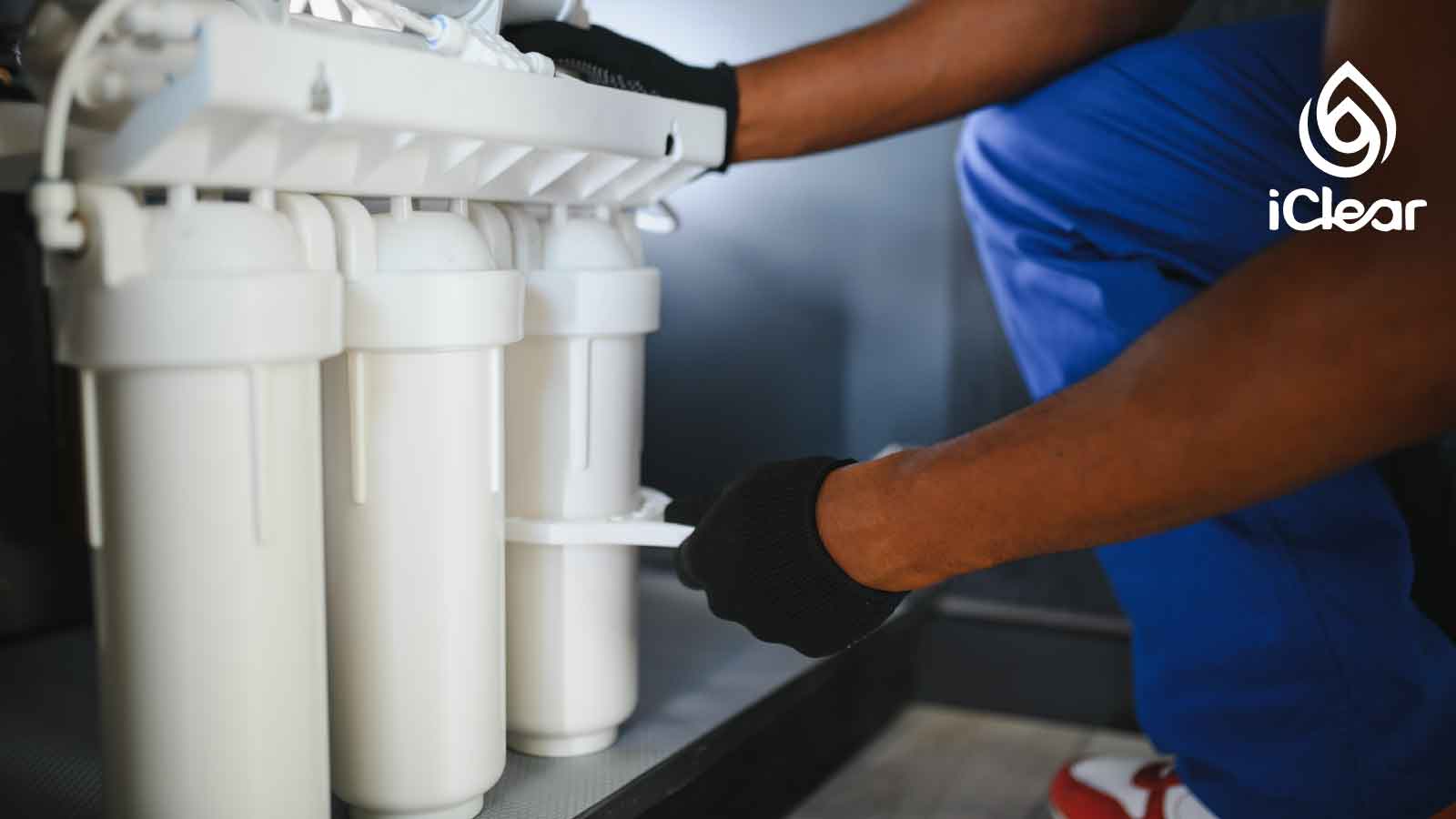
Reverse Osmosis is the only technology capable of removing the full spectrum of borehole water contaminants in a single system. The iClear water purifier uses multi-stage RO filtration to strip out fluoride, nitrates, heavy metals, bacteria, viruses, dissolved salts, and sediment, delivering water that is genuinely safe regardless of what the borehole source contains.
iClear Kenya provides free delivery and professional installation in Nairobi, its environs, and Nakuru. Their systems are KEBS-certified and designed specifically for Kenya's diverse and often challenging water conditions.
If your home relies on borehole water, the question is not whether to treat it. The question is whether you are treating it thoroughly enough. A basic filter is not enough. An iClear Reverse Osmosis system is.
Is your borehole water actually safe?
Contact iClear Kenya today. Our team will help you choose the right RO purifier for your water source, with free delivery and installation in Nairobi and Nakuru.
Tags: borehole water Kenya, water purifier Kenya, water purification machine, water filter Kenya, iClear water purifier, iClear Kenya, Reverse Osmosis water filter Kenya, domestic water purifiers Kenya

Water Purification & Treatment Specialists
David Ochieng, a water purification specialist at iClear Wellife Services Ltd, has extensive experience delivering safe and reliable water treatment solutions for homes and offices across Kenya.