Why Is My RO Purifier Producing Less Water Than It Used To?
22, Oct 2026

If you live in Nairobi or Nakuru, chances are you’ve experienced water interruptions, changing water taste, or concerns about water safety. As these cities continue to grow rapidly, the pressure on water supply systems has increased, making water purification more important than ever for homes and workplaces alike.
While municipal water is treated before distribution, what reaches your tap can be very different from what left the treatment plant. This is why more households and offices in urban Kenya are turning to reliable water purification solutions.
Nairobi and Nakuru are among Kenya’s fastest-growing urban centers. This growth affects water quality in several ways:
As cities expand, water systems struggle to keep up, increasing the likelihood of compromised drinking water.
Many people assume municipal water is always safe to drink. While it is treated, several factors can affect its quality before it reaches your home:
This means water may look clear but still contains dissolved salts, bacteria, or heavy metals.
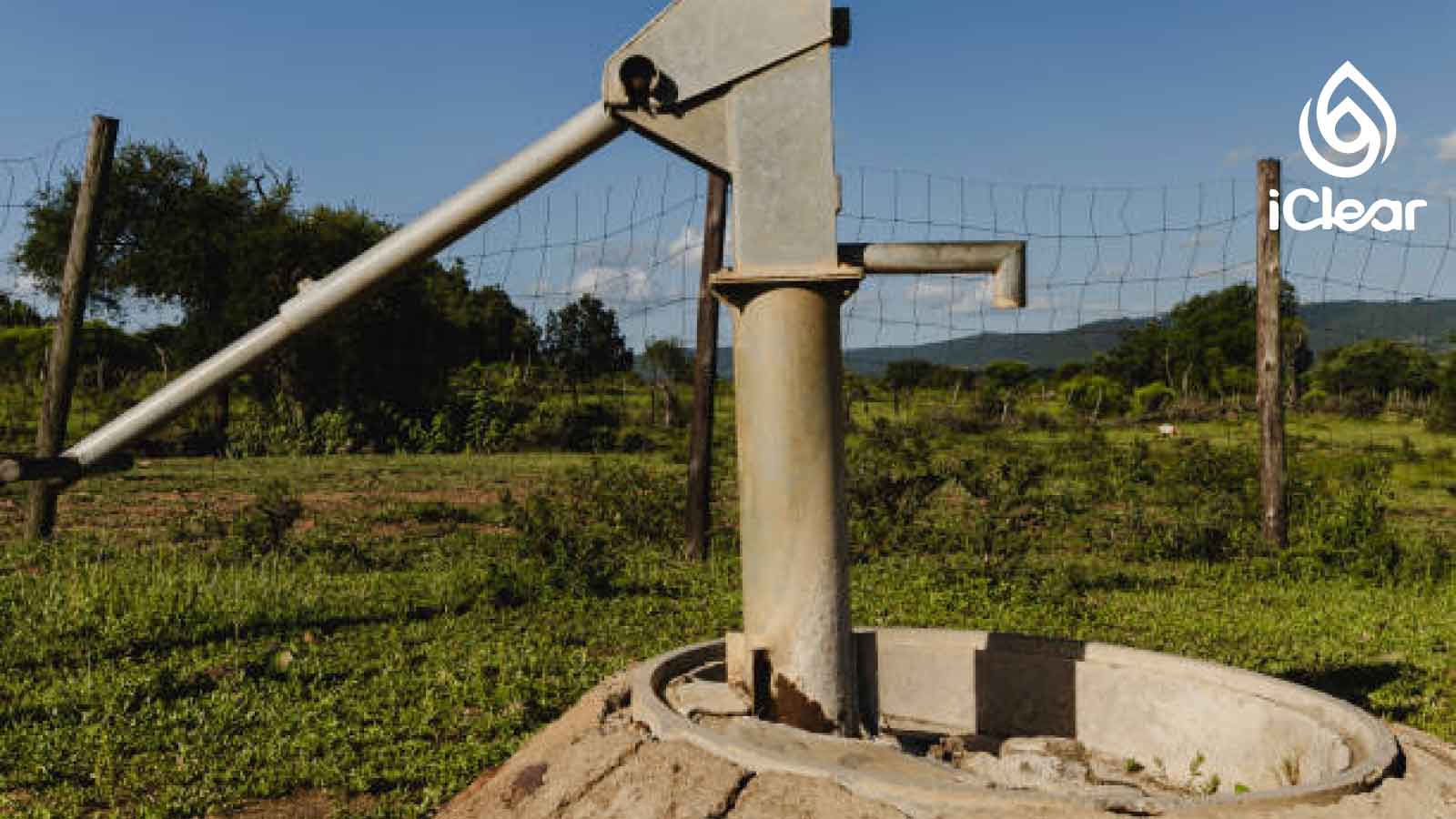
In both Nairobi and Nakuru, boreholes are widely used in apartments, gated communities, and commercial buildings. Borehole water often contains:
Without proper purification, long-term consumption of such water can affect health and damage household appliances.
Water quality is not constant throughout the year. During rainy seasons:
During dry seasons:
A purification system provides consistency despite these fluctuations.
For urban households and offices, water purification is no longer a luxury. It is essential for:
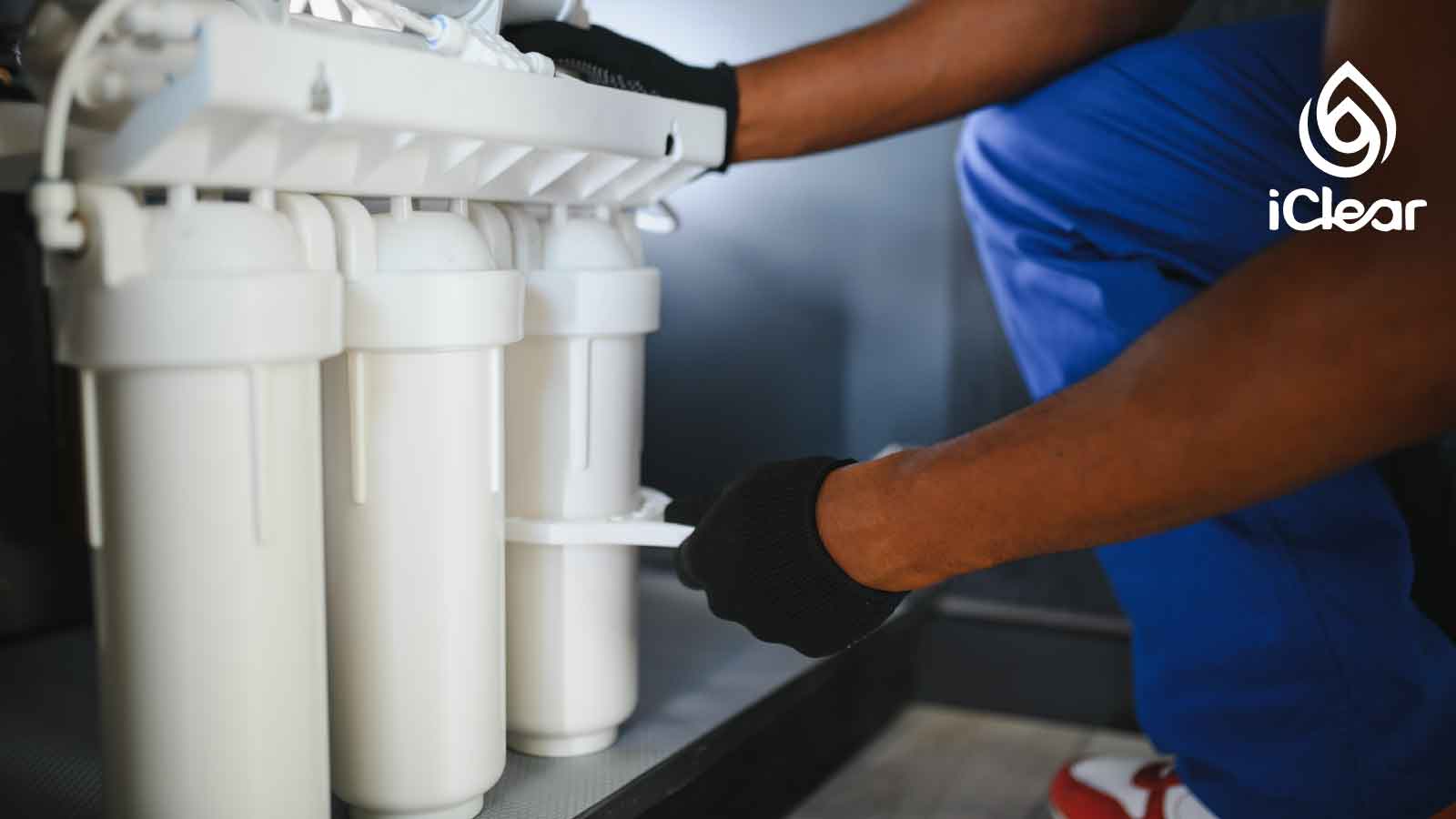
Reverse Osmosis (RO) systems are particularly effective because they remove both biological contaminants and dissolved substances common in urban water supplies.
Consistent access to clean water helps:
For families with young children or elderly members, these benefits are especially important.
As Nairobi and Nakuru continue to expand, water challenges will likely increase, not decrease. Taking control of your drinking water at the point of use ensures safety regardless of source changes or infrastructure limitations.
Living in a major Kenyan city brings convenience, opportunity, and growth, but also new challenges, including water quality. With changing sources, aging infrastructure, and seasonal variations, water purification matters more than ever. Investing in a reliable purification system is one of the most practical steps urban households and offices can take to protect health and ensure peace of mind.

Water Purification & Treatment Specialists
David Ochieng, a water purification specialist at iClear Wellife Services Ltd, has extensive experience delivering safe and reliable water treatment solutions for homes and offices across Kenya.