
El Niño Rains: How Kenyans Can Reduce The Risk Of Waterborne Diseases At Home
20, Oct 2026
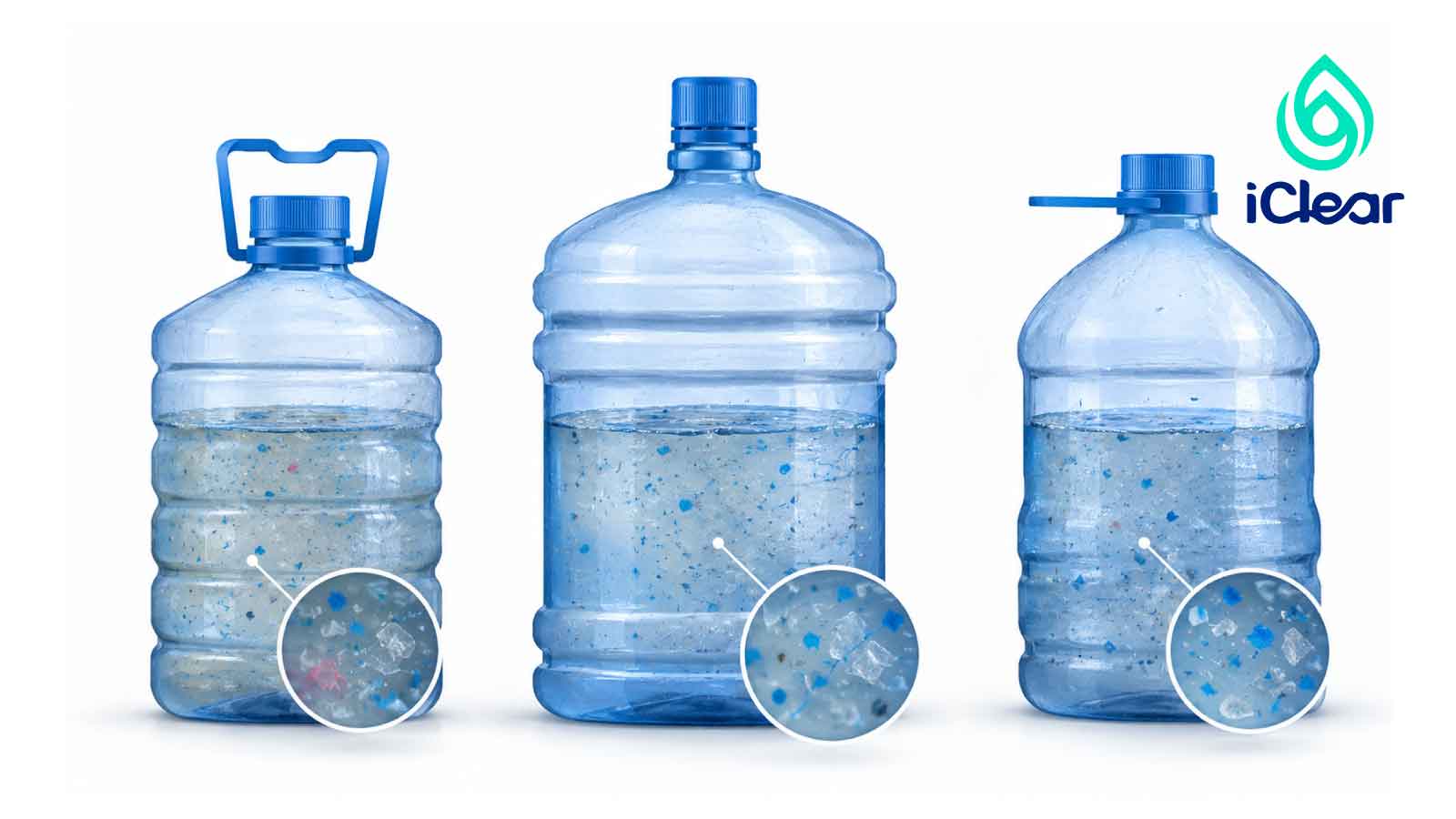
Plastics numbered 1 (PET), 2 (HDPE) and 5 (PP) are considered food-safe for cold water storage. Plastics 3, 6 and 7 should be avoided, particularly at high temperatures.
The recycling symbols on the base of plastic containers, numbers 1 through 7, identify the type of resin used in manufacture. These codes matter for water safety because different resins have different chemical stability profiles and leach different compounds under different conditions.
|
Resin Code |
Plastic Type |
Water Storage Safety |
|
1, PET |
Polyethylene terephthalate |
Safe for single use; do not refill indefinitely |
|
2, HDPE |
High-density polyethylene |
Safe; used in most water jerry cans |
|
3, PVC |
Polyvinyl chloride |
Avoid; can leach chlorine compounds and lead |
|
4, LDPE |
Low-density polyethylene |
Generally safe at room temperature |
|
5, PP |
Polypropylene |
Safe; heat-resistant and stable |
|
6, PS |
Polystyrene |
Avoid; leaches styrene, a suspected carcinogen |
|
7, Other |
Mixed or polycarbonate |
Avoid PC (contains BPA); others vary |
Even food-safe plastics become more problematic at high temperatures. A PET bottle left in a vehicle in Nairobi's sun, where interior temperatures can exceed 60°C, can leach acetaldehyde, phthalates and antimony into the water it contains. Studies show that leaching rates increase exponentially with temperature: antimony concentrations in PET water bottles stored at 60°C for two weeks were 630 times higher than in bottles stored at 25°C.
Source: Antimony and BPA leaching from PET bottles at elevated temperature, Green Matters.
Single-use PET water bottles (resin code 1) are not designed to be refilled repeatedly. The surface develops microscratches that harbour bacteria, and repeated washing, especially with hot water or dishwasher cycles, accelerates chemical breakdown and leaching. Independent tests have found that repeatedly refilled PET bottles can contain bacteria counts exceeding those found in toilet water.
Source: Bacterial contamination in reused single-use bottles, NKY Tribune.
Q: Should I worry about the pipes in my house?
A: PVC and CPVC pipes used in Kenyan plumbing are generally food-grade. The primary concern is older buildings that may have copper or lead solder joints, covered in a separate article on new plumbing.
Store clean water in a safe system
iClear's certified components ensure your water stays clean from the membrane to the tap. Find out more.
Keywords: plastic container water safety, plastic leaching water Kenya, safe water storage containers, BPA free water storage

Water Purification & Treatment Specialists
David Ochieng, a water purification specialist at iClear Wellife Services Ltd, has extensive experience delivering safe and reliable water treatment solutions for homes and offices across Kenya.