Why iClear Isn't Just Another Water Purifier Brand in Kenya
12, Sep 2026
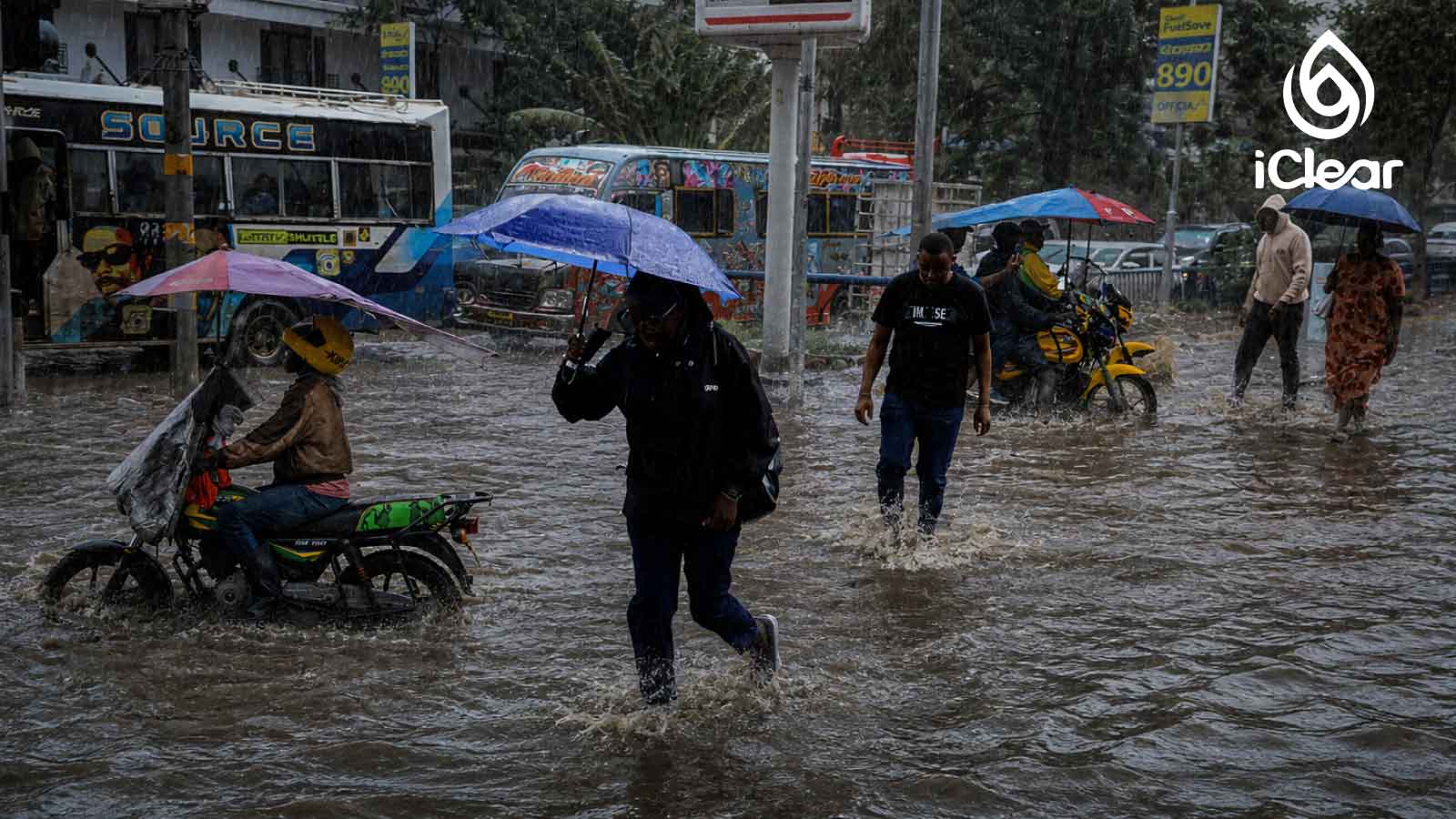
El Nino rains increase the risk of borehole and water-source contamination through flooding, runoff, and sewage overflow. Water that was previously reliable can carry new bacterial and sediment risks during and after heavy rains. Preparing your water treatment before the season starts is safer than reacting after symptoms appear.
Heavy and prolonged rainfall does more than cause flooding. It can overwhelm drainage and sewage systems, wash surface contaminants into shallow boreholes and wells, and stir up sediment in water sources that are normally stable. A borehole that has tested clean in the past can see a real, temporary shift in quality during a heavy rain season.

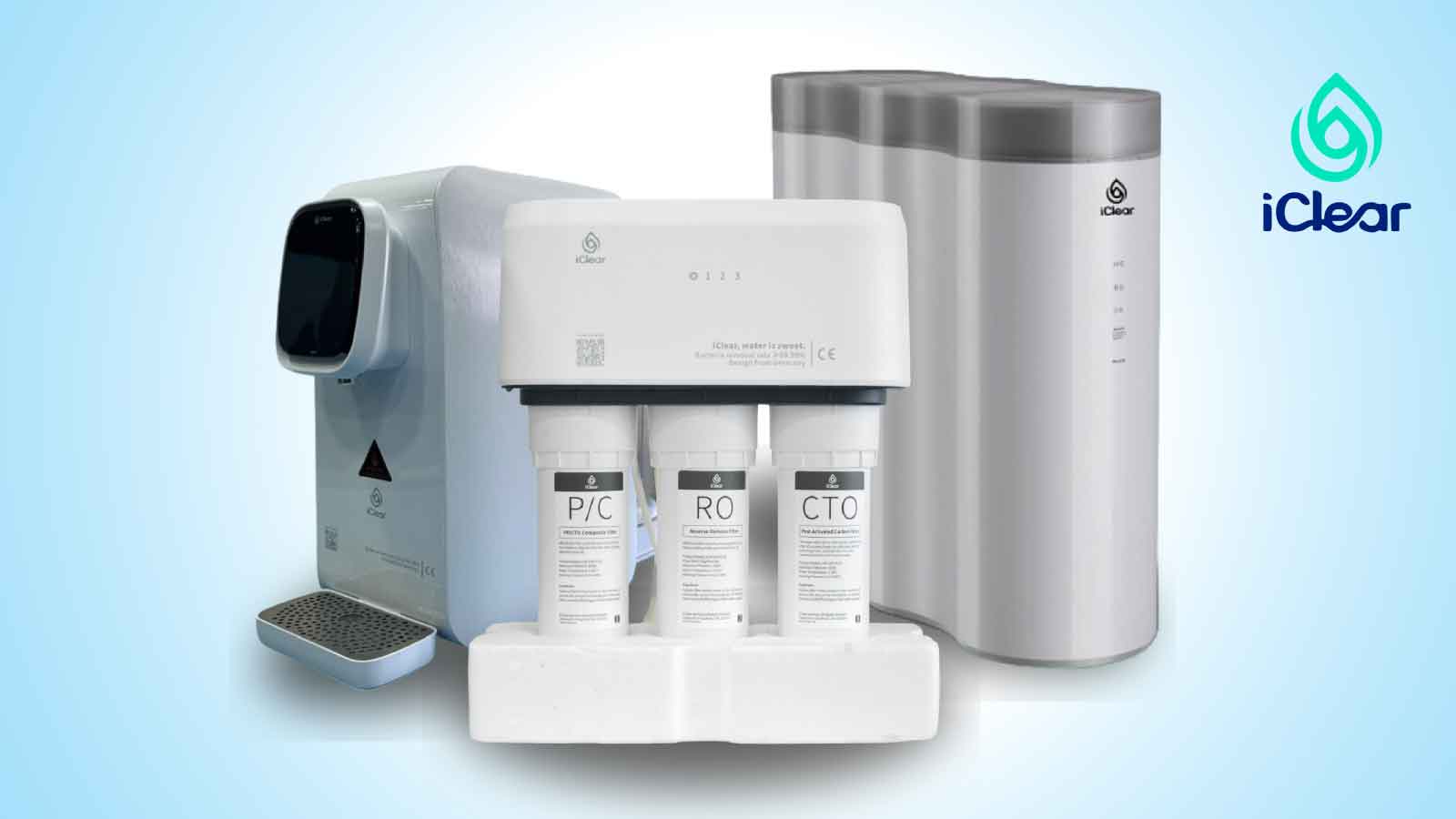
A multi-stage RO system removes sediment, bacteria, and dissolved contaminants, exactly the risks that spike during heavy rains.
Consider a Reverse Osmosis system if you don't already have one. The iClear Standard removes bacteria and sediment more reliably than basic filtration, which matters most exactly when source water quality becomes unpredictable.
 Visit the iClear shop.
Keywords: el nino kenya water, prepare water for rainy season kenya, borehole contamination flooding, iClear Kenya

Water Purification & Treatment Specialists
David Ochieng, a water purification specialist at iClear Wellife Services Ltd, has extensive experience delivering safe and reliable water treatment solutions for homes and offices across Kenya.