Pharmaceutical Residues in Water: Should Kenyan Households Be Concerned?
05, Nov 2026
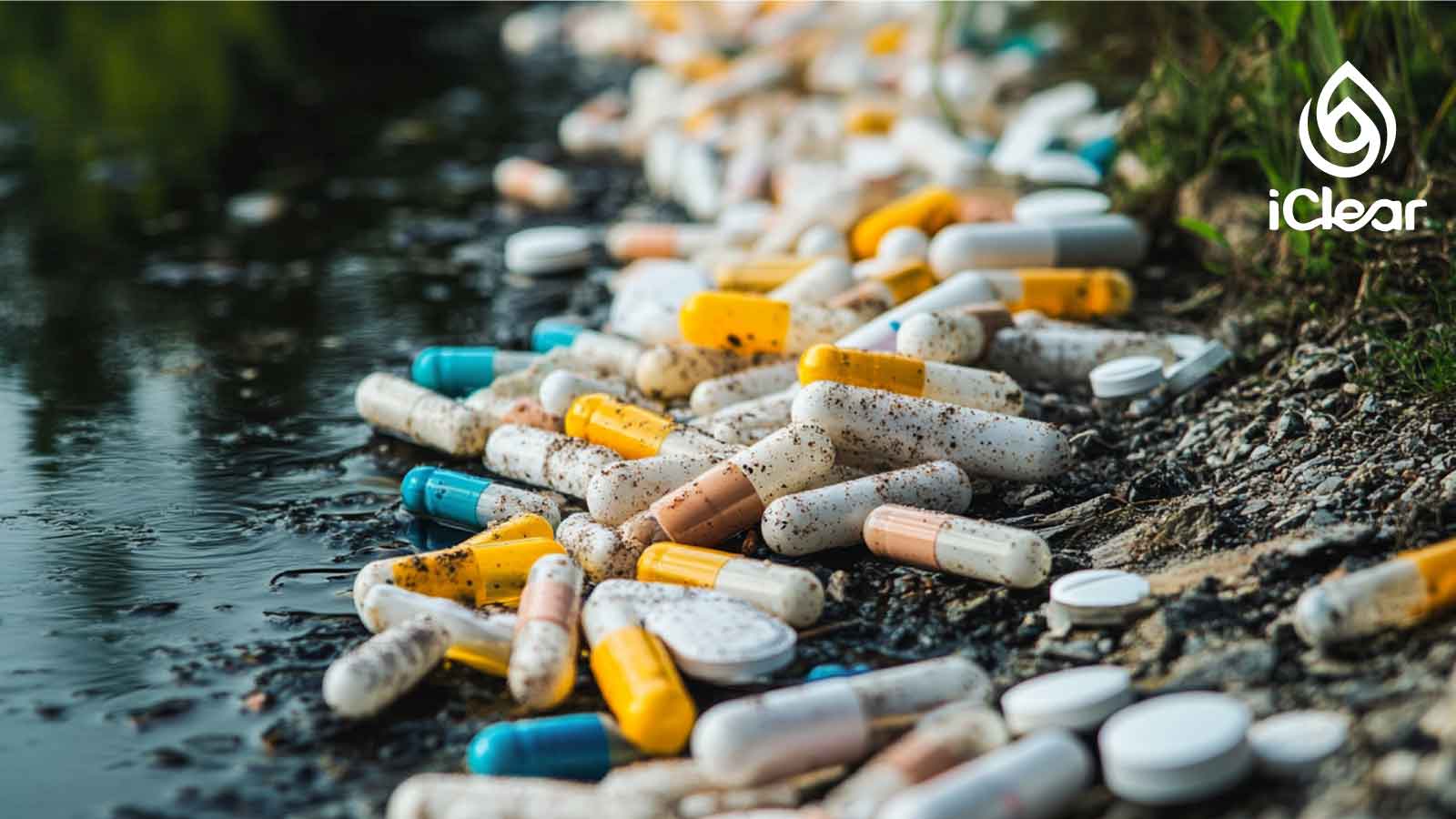
A 2022 global study found pharmaceutical compounds in rivers across Africa, including antibiotics and endocrine-disrupting compounds. Reverse osmosis removes over 90% of most pharmaceutical residues.
Pharmaceutical residues enter water systems through three primary pathways: human and animal excretion (drugs and their metabolites pass through the body partially unchanged), improper disposal of unused medications, and discharge from pharmaceutical manufacturing facilities.
Sub-Saharan Africa faces a compounded challenge: pharmaceutical use is rising alongside population growth, while most wastewater treatment systems are not designed to remove trace organic compounds. Activated sludge processes, the most common treatment technology, remove some pharmaceutical compounds but allow others to pass into treated effluent.
A 2022 study published in Proceedings of the National Academy of Sciences analysed pharmaceutical contamination in rivers across 104 countries and found Africa among the most highly contaminated regions. Rivers in Uganda, Tanzania and Kenya showed detectable levels of:
The concentrations detected in drinking water sources are generally far below acute therapeutic doses. Current health guidance from the WHO and US EPA does not classify existing pharmaceutical residue levels as an acute health emergency. However, concerns remain about:
Reverse osmosis is among the most effective technologies for pharmaceutical removal. A 2023 meta-analysis in the journal Chemosphere reviewed 47 studies and reported RO removal rates of:
|
Pharmaceutical Class |
RO Removal Rate |
|
Antibiotics (tetracyclines, fluoroquinolones) |
92–99% |
|
Anti-inflammatories (ibuprofen, diclofenac) |
88–96% |
|
Hormones (oestrogens, progestogens) |
90–98% |
|
Anticonvulsants (carbamazepine) |
85–95% |
|
Antidiabetics (metformin) |
>90% |
The combination of activated carbon (which adsorbs organic compounds) followed by RO membrane filtration achieves the highest removal rates for the broadest range of pharmaceutical compounds.
Q: Should I be avoiding tap water because of pharmaceuticals?
A: Based on current evidence, pharmaceutical residues in Kenyan tap water are not an acute health risk. However, for households that want the highest available protection, particularly those with pregnant members or young children, RO filtration provides meaningful additional removal.
The highest standard of water purity for your household
iClear's multi-stage RO system removes over 90% of pharmaceutical residues detected in East African water sources. Find out more.
Keywords: pharmaceutical residues water Kenya, drugs in drinking water East Africa, RO removes pharmaceuticals, water purifier pharmaceutical contamination

Water Purification & Treatment Specialists
David Ochieng, a water purification specialist at iClear Wellife Services Ltd, has extensive experience delivering safe and reliable water treatment solutions for homes and offices across Kenya.