
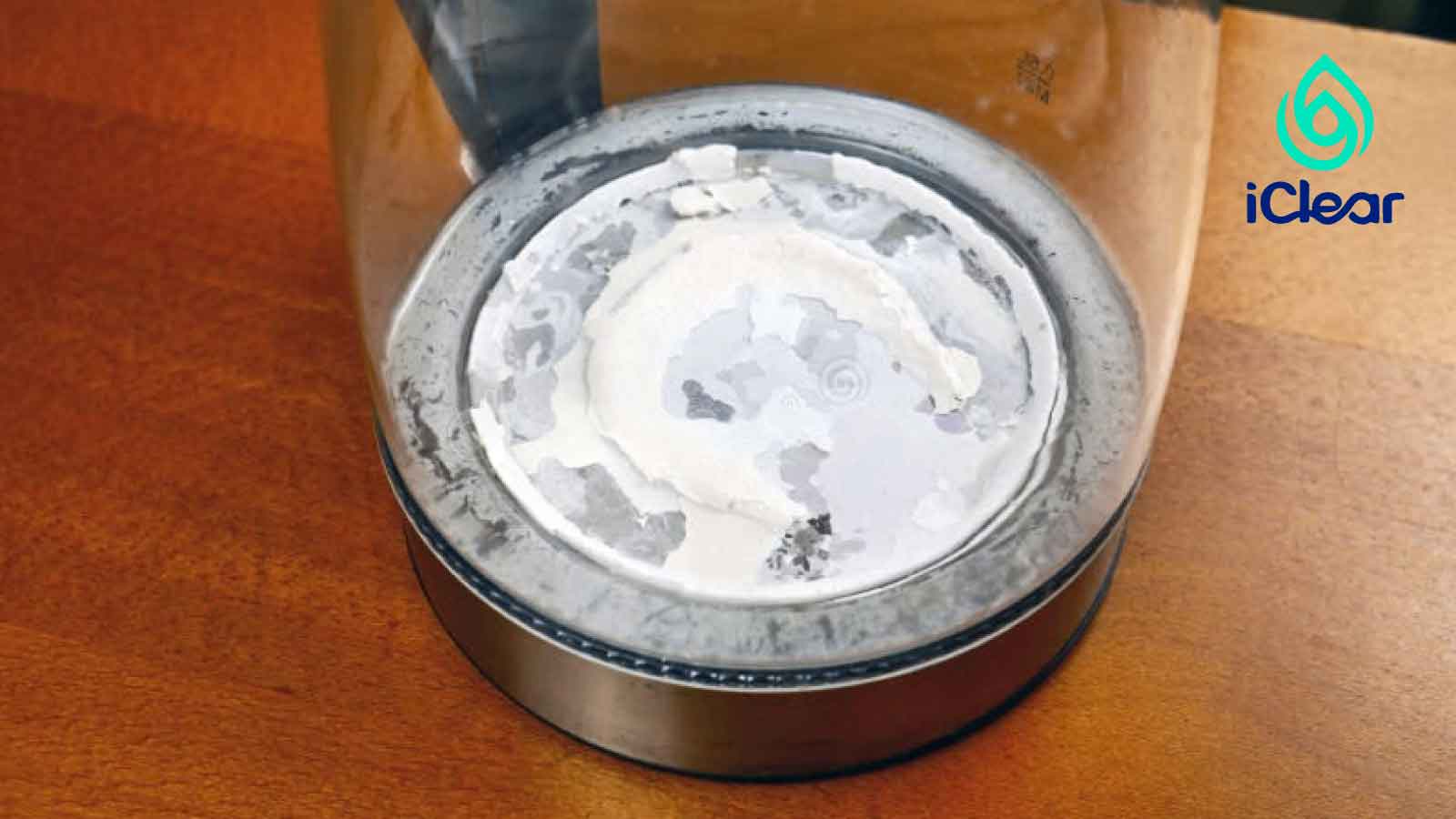
White Film on Your Dishes? Here's What Hard Water Is Doing in Your Home
10, Nov 2026
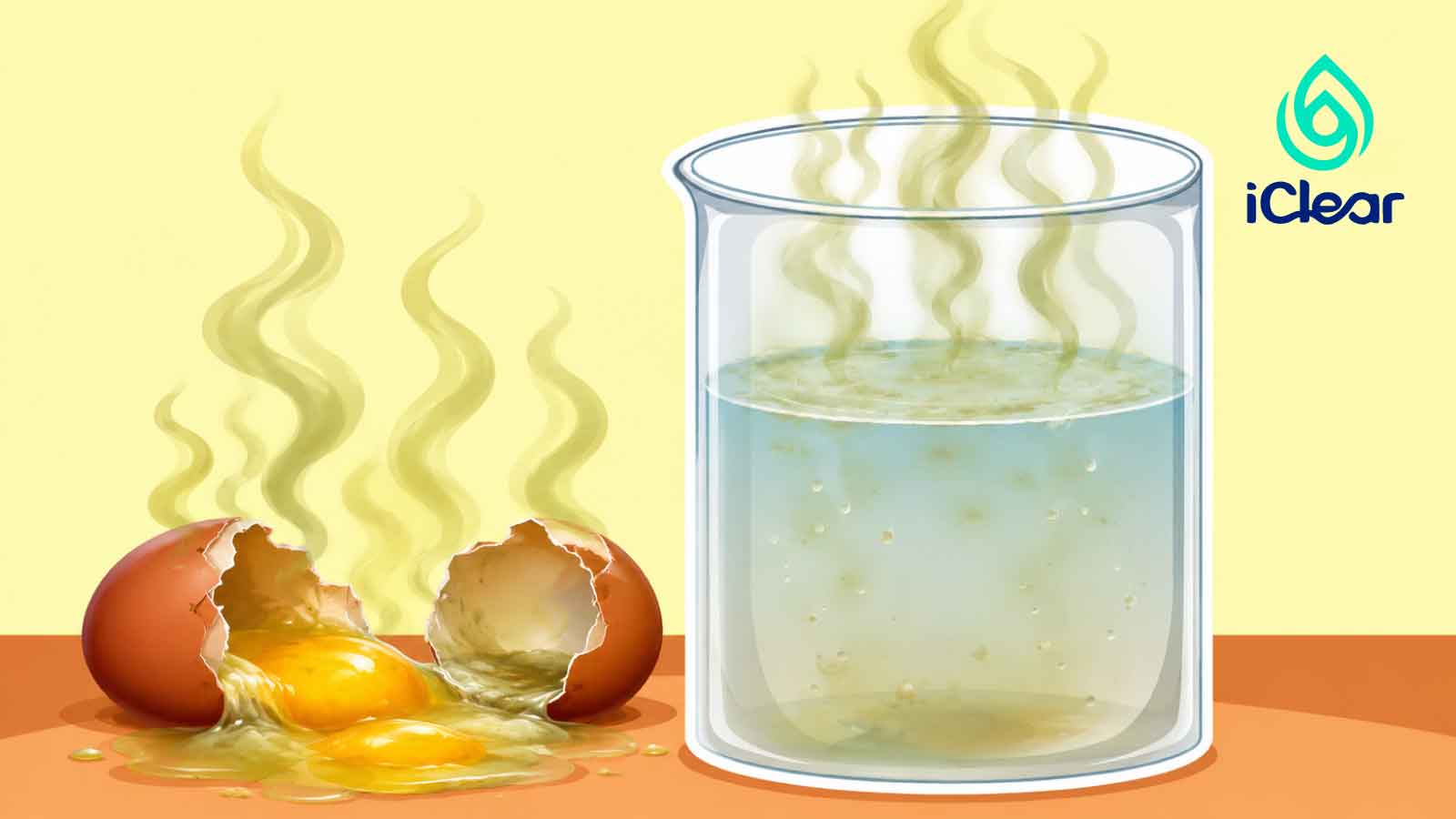
A rotten-egg or sulphur smell in water is caused by dissolved hydrogen sulphide gas (H₂S). This is a common occurrence in Kenyan borehole water, particularly in areas with volcanic geology or organic-rich sediments.
Hydrogen sulphide (H₂S) is a naturally occurring dissolved gas formed when sulphate-reducing bacteria decompose organic matter in oxygen-depleted (anaerobic) groundwater environments. The characteristic smell is detectable by the human nose at concentrations as low as 0.0005 mg/L, making it one of the most smell-detectable water quality issues long before it reaches concerning health levels.
In Kenya, H₂S is particularly common in:
At the concentrations found in household water supplies (typically <0.05 mg/L), H₂S is not acutely harmful. The WHO has not set a health-based guideline value for H₂S in drinking water because the smell threshold is encountered at levels far below those associated with toxicity. However:
|
H₂S Level |
Treatment Option |
Notes |
|
Trace (<0.05 mg/L) |
Activated carbon filter |
Carbon adsorbs H₂S effectively at low levels |
|
Moderate (0.05–0.5 mg/L) |
Aeration + carbon filtration |
Aeration strips dissolved gas before filtration |
|
High (>0.5 mg/L) |
Chlorine injection + filtration + RO |
Chemical oxidation followed by full multi-stage treatment |
|
From hot water system only |
Hot water tank service; set above 60°C |
Kills sulphate-reducing bacteria in the tank |
If the smell is only present in hot water and not cold, the source is almost certainly sulphate-reducing bacteria in the hot water storage tank. The solution is to temporarily raise the hot water temperature to 60°C for several hours to pasteurise the tank, then flush thoroughly. This should be done carefully to avoid scalding risk and is not a permanent fix if the incoming cold water has elevated H₂S, the bacteria will re-establish.
Q: Will a standard RO system remove hydrogen sulphide?
A: At trace levels, activated carbon (present as a pre-filter in multi-stage RO systems) effectively removes H₂S. At moderate to high levels, additional pre-treatment, aeration or chlorination, is needed upstream of the RO system. iClear can assess your specific level and recommend the right configuration.
Q: Could my sulphur smell be from something other than H₂S?
A: Rarely, a sulphur-like smell can come from organic compounds produced by certain algal blooms. A simple water test distinguishes the two.
Diagnose and fix your rotten-egg water problem
iClear's technicians can test your water and configure the right treatment for hydrogen sulphide at any level. Find out more.
Keywords: rotten egg smell water Kenya, hydrogen sulphide borehole water, sulphur smell water treatment Kenya, H2S water purifier

Water Purification & Treatment Specialists
David Ochieng, a water purification specialist at iClear Wellife Services Ltd, has extensive experience delivering safe and reliable water treatment solutions for homes and offices across Kenya.