White Film on Your Dishes? Here's What Hard Water Is Doing in Your Home
10, Nov 2026
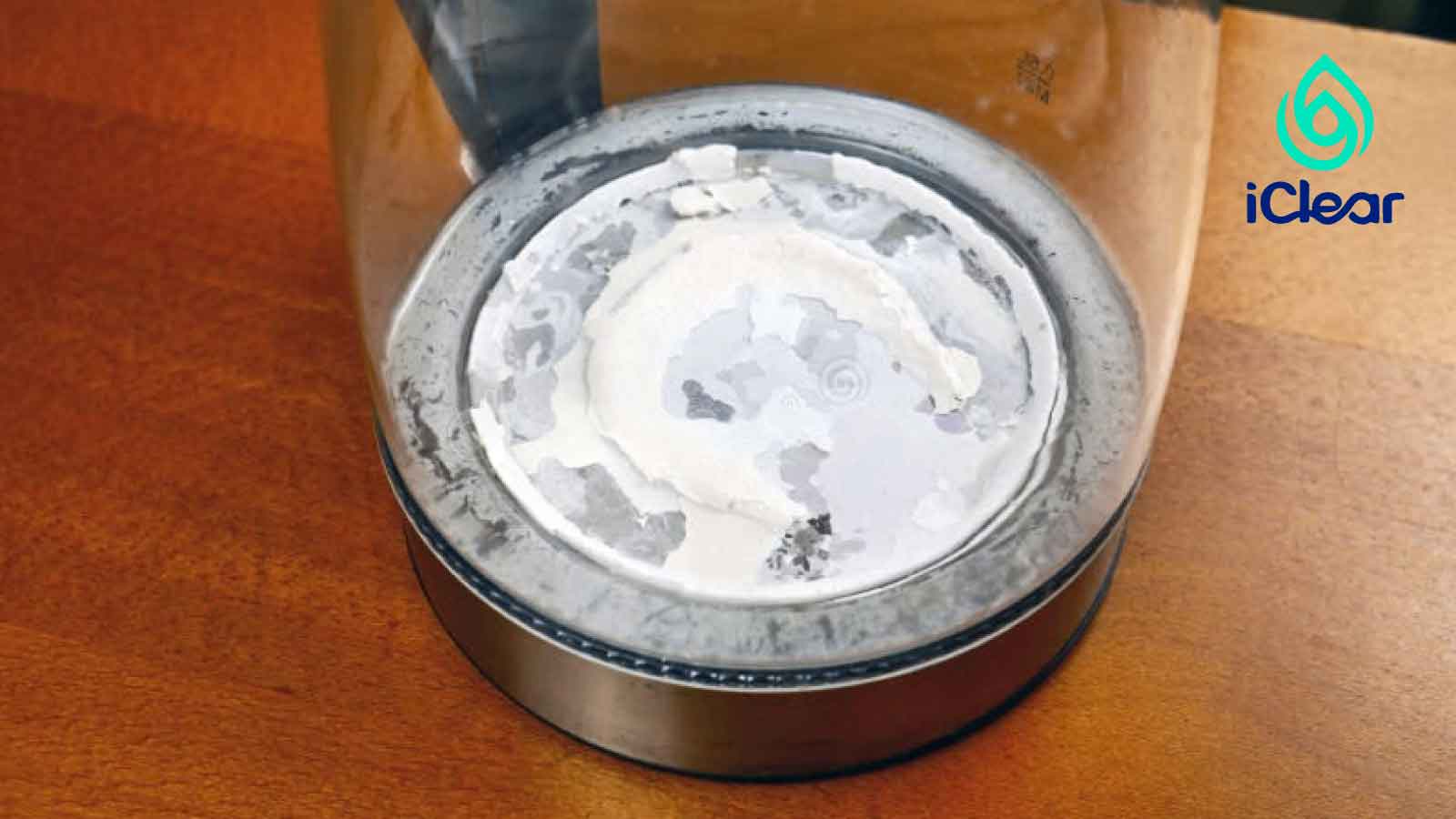
Hard water, water with elevated calcium and magnesium content, affects the majority of Nairobi boreholes and municipal water users. Scale buildup reduces appliance efficiency by up to 30% and shortens appliance lifespan.
Water hardness is defined by its concentration of dissolved calcium (Ca²⁺) and magnesium (Mg²⁺) ions, expressed in milligrams per litre (mg/L) as calcium carbonate (CaCO₃). These minerals dissolve naturally as groundwater percolates through limestone, chalk and dolomite rock formations.
|
Classification |
Total Hardness (mg/L as CaCO₃) |
Typical Effect |
|
Soft |
<75 |
Prone to corrosivity; slightly acidic taste |
|
Moderately hard |
75–150 |
Ideal range; minimal scale |
|
Hard |
150–300 |
Noticeable scale; film on dishes |
|
Very hard |
>300 |
Heavy scale; reduced appliance life; soap inefficiency |
Most Nairobi borehole water and a significant proportion of municipal supply falls in the hard to very hard range (150–400 mg/L).
The most visible sign of hard water, white or grey film on dishes, glassware and taps, is calcium carbonate precipitated when water evaporates. Less visible but more costly effects include:
Hard water is not a health risk. Calcium and magnesium are essential dietary minerals and WHO drinking water guidelines carry no health-based upper limit for hardness. The problems are aesthetic, economic (appliance and energy costs) and comfort-related. This distinction matters when prioritising treatment, hardness is a significant quality-of-life issue but is not in the same safety category as bacterial contamination or heavy metals.
Q: Can I drink softened water from an ion exchange softener?
A: Softened water from a sodium-based ion exchanger is not recommended as the primary drinking water source, particularly for people on low-sodium diets or with hypertension. A separate RO tap for drinking water alongside a whole-house softener is the ideal combination.
Soft, safe drinking water from every pour
iClear's RO system gives you softened, purified water at your kitchen tap, protecting you and your kettle. Find out more.
Keywords: hard water white film dishes Kenya, water hardness Nairobi, scale buildup water heater Kenya, soft water purifier Kenya

Water Purification & Treatment Specialists
David Ochieng, a water purification specialist at iClear Wellife Services Ltd, has extensive experience delivering safe and reliable water treatment solutions for homes and offices across Kenya.