Search

Subtotal: KSh 0
Checkout View Cart

Myths & Facts

The Water You Drink Is Billions of Years Old, Here’s Why It Needs Purifying

The Water You Drink Is Billions of Years Old, Here’s Why It Needs Purifying

The water you drink today is as old as planet Earth itself! Every glass of water whether from your tap, borehole, or bottled has been part of a never-ending cycle for billions of years. The same molecules that once flowed through ancient rivers are now in your kitchen. So, if water has been around forever, why do we still need purifiers today? The answer lies in what happens between those cycles. Ancient Water, Modern Pollution While the water molecules themselves are ancient, the environment they pass through has changed dramatically. Modern life introduces pollutants that nature can’t fully filter out industrial waste, agricultural runoff, chlorine, fluoride, and heavy metals. In Kenya, borehole and well water often contain high levels of fluoride and salts, while urban tap water can carry chlorine, rust, or bacteria from aging pipes. These invisible contaminants are why a Reverse Osmosis (RO) purifier has become essential in 2025. See how RO compares to other methods in our post: Why RO filters are the best for Kenyan homes. How iClear Purifiers Restore Nature’s Original Purity At iClear, we’ve taken inspiration from nature’s own purification cycle evaporation, condensation, and rainfall and refined it using science. Our Reverse Osmosis purifiers use semi-permeable membranes to remove up to 99% of contaminants, ensuring every drop is as pure as it was meant to be. Whether your source is borehole, tap, or rainwater, our models like the iClear Standard and iClear Premier guarantee clean, safe water for your family. A Drop of Wisdom for Every Home Purifying water is about protecting ourselves from what we’ve added to it. Even the oldest, most natural water can carry modern risks. That’s why owning a trusted iClear Reverse Osmosis purifier is a health investment. Explore our full range of water purifiers and experience what truly pure water tastes like fresh, clean, and safe, just as nature intended.

Is Tap Water Safe for Babies in Kenya? Why Purity Matters More Than You Think

Is Tap Water Safe for Babies in Kenya? Why Purity Matters More Than You Think

Parents in Kenya often ask, “Is tap water safe for babies?” The truth is that while water may look clean, it can contain hidden contaminants that pose risks to infants and young children. Babies are more vulnerable to unsafe water because their immune systems are still developing, and their small bodies absorb harmful substances more quickly. That’s why choosing the best water purifier in Kenya isn’t just a convenience it’s a necessity for your family’s health. Why Babies Need Safer Drinking Water High fluoride levels, common in parts of Rift Valley, can lead to dental and skeletal problems. Nitrates from agricultural runoff may cause “blue baby syndrome,” a serious condition that reduces oxygen in the blood. Infants are especially sensitive to bacterial infections that can cause diarrhea, dehydration, and long-term gut issues. Heavy Metals, such as, Lead, arsenic, and other metals can affect brain development and growth. Boiling Water Isn’t Enough Many Kenyan households rely on boiling water for safety. While boiling kills bacteria and viruses, it does not remove fluoride, nitrates, pesticides, or heavy metals. This means boiled water may still pose risks to babies when used in formula preparation or daily drinking. The Best Water Purifier for Babies in Kenya The safest option for infants is a reverse osmosis (RO) water purifier, which removes up to 99% of harmful contaminants. At iClear, our Standard Water Purifier , Premier Water Purifier  and Desktop Purifier are ideal for families with young children. They are designed to purify borehole, salty, and municipal water in Kenya making them versatile solutions for any household. Give Your Child a Healthier Start Water safety is not just about avoiding illness it’s about supporting your child’s growth, brain development, and long-term health. With an iClear purifier, you can prepare formula, cook, and hydrate your little ones with complete peace of mind. Explore our full range of water purifiers for families in Kenya and give your baby the safe start they deserve.  

Water Purifiers and Hard Water: What You Need to Know

Water Purifiers and Hard Water: What You Need to Know

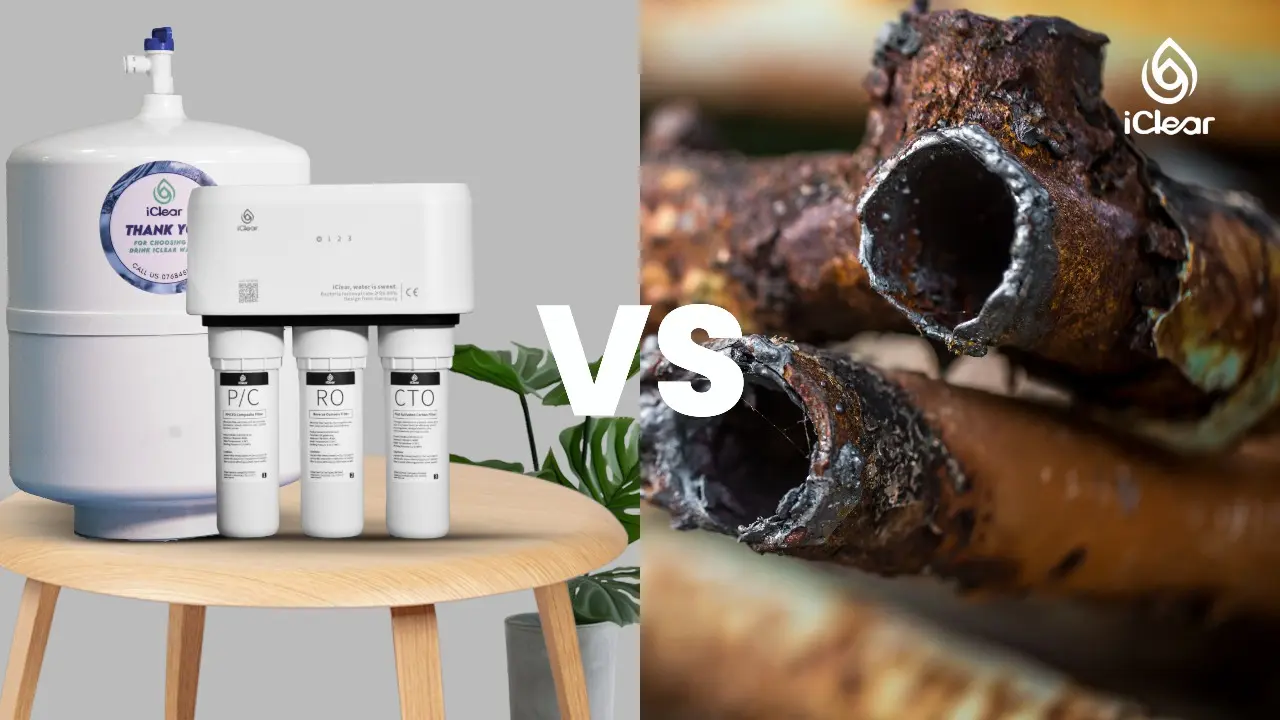
If you have noticed white spots on your dishes, a stubborn film on your bathroom fixtures, or dull hair after washing, you might be dealing with hard water. Hard water is water that contains high levels of minerals, particularly calcium and magnesium. While it’s not immediately harmful to your health, it can affect your home appliances, your skin, your hair, and even the taste of your drinking water. This is where water purifiers especially advanced systems like RO (Reverse Osmosis) purifiers come in.   How Hard Water Affects Your Daily Life Hard water can cause more trouble than just scaling on kettles and faucets. Over time, mineral buildup can damage appliances like washing machines, coffee makers, and dishwashers, leading to higher maintenance costs. It can also make soaps and detergents less effective, meaning you use more for the same cleaning results. For drinking purposes, hard water often has a metallic or bitter taste that many people find unpleasant.   Why You Need a Water Purifier for Hard Water An effective water purifier can drastically improve the quality of hard water. Reverse Osmosis purifiers, for instance, use a semi-permeable membrane to remove excess minerals, ensuring clean, safe, and better-tasting water. Some purifiers also include additional filtration stages to enhance taste, remove contaminants, and balance pH levels, making your water healthier for cooking, drinking, and even for your skin and hair.   Choosing the Right Water Purifier for Hard Water When dealing with hard water, not every purifier will work efficiently. Look for systems specifically designed to handle high Total Dissolved Solids (TDS) levels. A Reverse Osmosis water purifier with a TDS controller is often the best option, as it not only softens the water but also retains essential minerals for your health. Make sure to also consider the purifier’s capacity, maintenance needs, and certification for quality assurance.   Protect Your Health and Home Investing in a high-quality Reverse Osmosis water purifier is one of the most effective ways to protect your home and improve your daily life. Ready to enjoy cleaner, softer, and better-tasting water? Explore our range of Reverse Osmosis water purifiers designed to handle hard water challenges. Contact iClear today and take the first step towards healthier, safer water for your family.

What to Look for in a Good Water Purifier: The Essential Checklist

What to Look for in a Good Water Purifier: The Essential Checklist

A water purifier is your first line of defense against harmful contaminants. With rising concerns about water pollution, bacteria, heavy metals, and chemical residues, investing in the best water purifier for your home is a must. Choosing the wrong system could mean you’re still consuming unsafe water, which can impact your health in the long run. What to Look for in a Good Water Purifier. Step 1: Check Filtration Capacity The best water purifier should meet your household’s daily needs. For a family of four, a purifier producing 7–8 liters per day is ideal. Step 2: Look for Trusted Certifications Choose models with accredited certifications eg KEBS to ensure the purifier meets strict global safety and performance standards. Step 3: Consider Maintenance and Filter Replacement Costs Regular maintenance is key to clean, safe water. Find out how often filters need replacing and the associated costs. Many systems require filter changes every 6–12 months. Step 4: Storage Capacity for Reliability If you live in an area with power cuts, a purifier with a 7–10 liter storage tank ensures you always have purified water available. Step 5: Warranty and After-Sales Service A long warranty period and responsive customer support give you peace of mind and protect your investment. Step 6: Space-saving designs- perfect for busy homes and small kitchens. Mistakes to Avoid Avoid buying the cheapest purifier without checking quality,or ignoring long-term maintenance costs. These mistakes can lead to unsafe drinking water and higher expenses in the future. Ready to enjoy pure, healthy drinking water? Contact us today to explore our range of high-quality water purifiers designed for every home and budget. Our experts will help you choose the perfect model based on your water quality and needs.